Compactors
Source high-performance compactors from vetted suppliers and manufacturers in China and across Asia. Designed for heavy equipment importers, machinery wholesalers, distributors, and brands seeking reliable OEM production, our network delivers robust soil and asphalt compaction equipment built to strict international standards.
Sourcing heavy-duty compactors requires balancing structural durability with reliable power delivery. The extreme vibration inherent in soil and asphalt compaction means that manufacturing shortcuts—whether in frame welding, bearing selection, or hydraulic assembly—quickly manifest as catastrophic field failures. For volume buyers, securing a reliable supply chain means looking beyond the spec sheet to evaluate the factory's engineering tolerances and quality management systems.
Critical Specifications for Volume Buyers
When specifying compactors for import, the interplay between weight, centrifugal force, and vibration frequency determines the machine's efficiency on different materials.
- Centrifugal Force (kN): Dictates the compaction depth. Under-specifying this results in surface-level compaction that fails density tests.
- Vibration Frequency (Hz or VPM): Higher frequencies are generally required for asphalt, while lower frequencies with higher amplitude are better suited for cohesive soils.
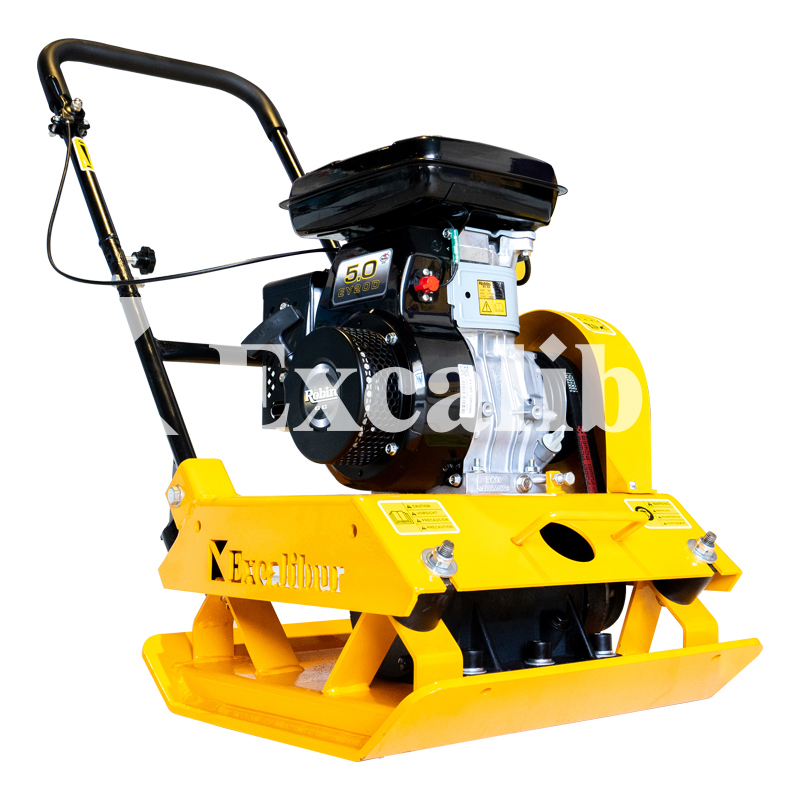
- Engine & Emissions Compliance: The power plant is the most critical variable. Depending on your target market, you must specify EPA Tier 4 Final (US) or Euro V (Europe) compliant engines. Many Chinese manufacturers offer domestic engines (like Changchai or Weichai) for emerging markets, but can integrate international brands (Honda, Yanmar, Cummins) for regulated regions.
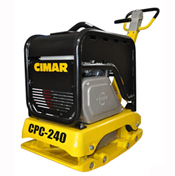
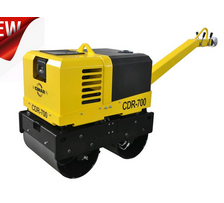
| Specification | Walk-Behind (Forward/Reversible) | Ride-On Rollers (Single/Double Drum) |
|---|---|---|
| Typical Operating Weight | 50 kg to 500 kg | 1 ton to 20+ tons |
| Centrifugal Force | 10 kN to 65 kN | 20 kN to 300+ kN |
| Primary Application | Trench work, landscaping, patching | Highway construction, large site prep |
Manufacturing Red Flags and Quality Control
Compactors are designed to shake themselves violently; if the manufacturing quality is subpar, they will shake themselves apart. The eccentric shaft assembly and the structural frame bear the brunt of this stress.
When evaluating a manufacturer, pay close attention to their welding processes. Robotic welding is strongly preferred for the main frame and drum to ensure consistent penetration. Manual welds on high-vibration equipment are prone to fatigue cracking. Additionally, the bearings used in the exciter unit must be rated for high-speed, high-vibration applications (often specialized spherical roller bearings).
Prevent field failures before they ship. Let our engineers evaluate your manufacturer's production lines and quality systems.
Talk to our teamPre-Shipment Inspection Focus Areas
Relying solely on factory self-reporting is a significant risk in heavy machinery. Implementing rigorous Quality Control & Inspection protocols is essential.
Critical Compactor Inspection Points
- Verify engine emissions certificates and serial numbers against the bill of materials.
- Inspect frame and drum welds for porosity, undercut, or incomplete penetration.
- Test hydraulic systems (pumps, motors, hoses) under load for leaks or pressure drops.
- Measure vibration frequency and amplitude using calibrated accelerometers.
- Check the exciter unit for abnormal noise or excessive heat generation during operation.
Before committing to a large order, conducting comprehensive Factory Audits is crucial. You need to verify that the supplier actually machines their own drums and frames rather than simply assembling low-grade components in a shed. Major production hubs for construction machinery, such as Jining in Shandong province, host hundreds of suppliers, but only a fraction possess true OEM capabilities.
Pricing, MOQs, and Logistics
Procuring heavy machinery involves significant capital and logistical planning. Unlike consumer goods, compactors require specialized handling and shipping strategies.
Because of their dense, heavy nature, shipping compactors efficiently is a core challenge. Small walk-behind units can be crated and stacked in standard containers. However, large ride-on rollers often require Flat Rack containers or Roll-on/Roll-off (RoRo) shipping. Coordinating this requires specialized Shipping & Freight expertise to avoid exorbitant port fees and ensure safe transit.
Need accurate landed cost estimates? We can help you model production pricing, MOQs, and heavy-freight logistics.
Get a free consultationFrequently Asked Questions
Sourcing compactors successfully is about managing the total cost of ownership. A unit that is 10 percent cheaper at the factory gate but suffers a structural failure in its first month of deployment is a liability. By enforcing strict component standards and maintaining oversight on the factory floor, you can secure heavy equipment that performs reliably in the most demanding environments.
Get Sourcing Help for Compactors
Tell us your requirements and our experts will connect you with verified manufacturers.