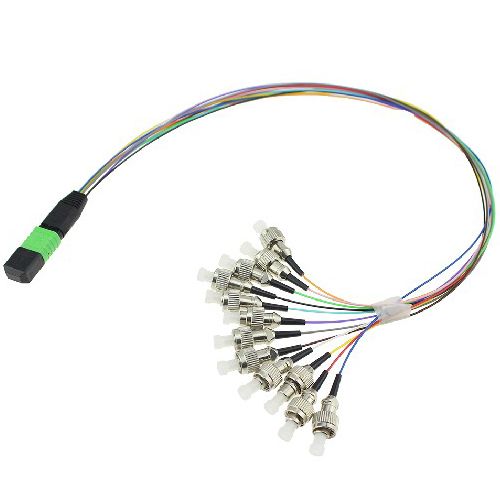
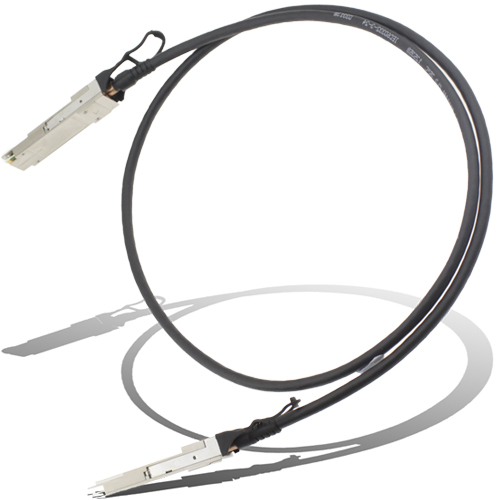
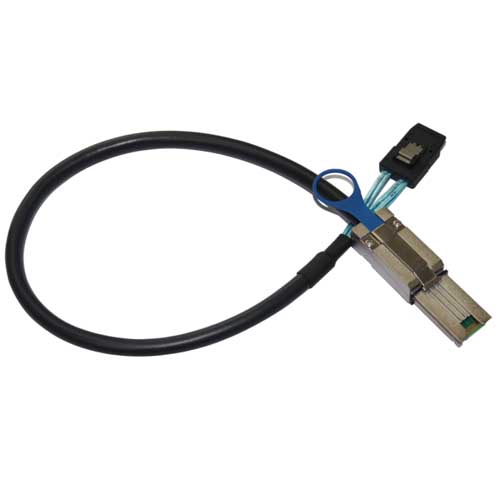
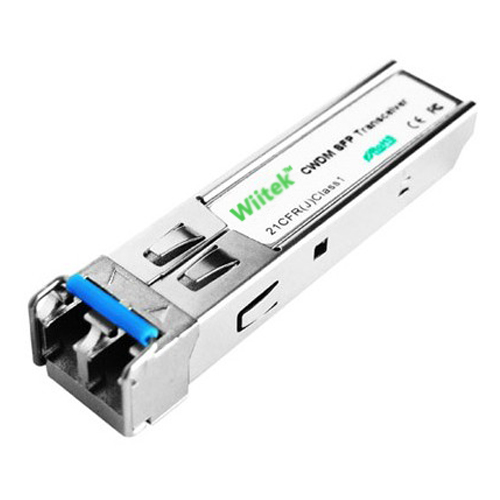
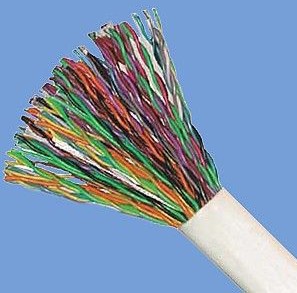
Communication Cables
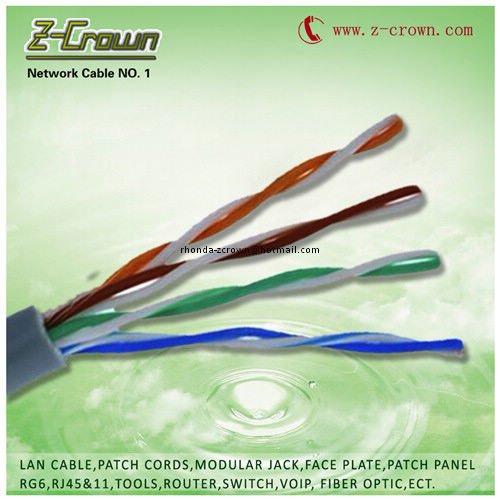
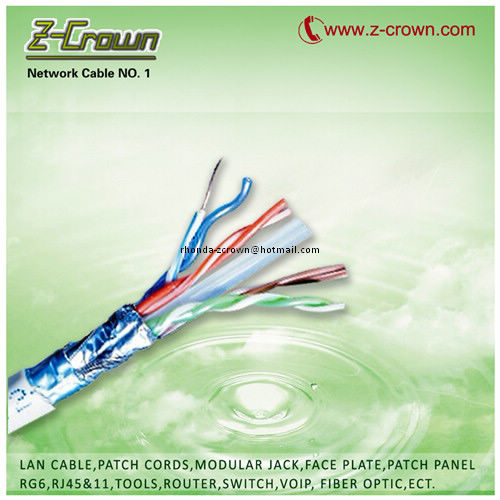
Source high-performance communication cables from vetted suppliers and manufacturers across Asia. Designed for importers, wholesalers, distributors, and brands seeking reliable OEM production in bulk, our network delivers consistent signal integrity, strict compliance, and scalable manufacturing.
Sourcing communication cables in bulk requires strict attention to raw material quality and extrusion precision. A minor variance in copper purity, insulation thickness, or twist pitch can lead to catastrophic signal loss, crosstalk, and failing critical network certifications. For volume buyers, securing a reliable factory means looking past the outer jacket and validating the manufacturer's wire-drawing capabilities and testing infrastructure.
Core Specifications for Bulk Sourcing
When specifying communication cables for OEM or wholesale production, the bill of materials directly dictates both the performance and the price floor. Suppliers often quote based on differing raw material standards unless tightly constrained by your specification sheet.
Conductor Material: The CCA vs. Bare Copper Divide
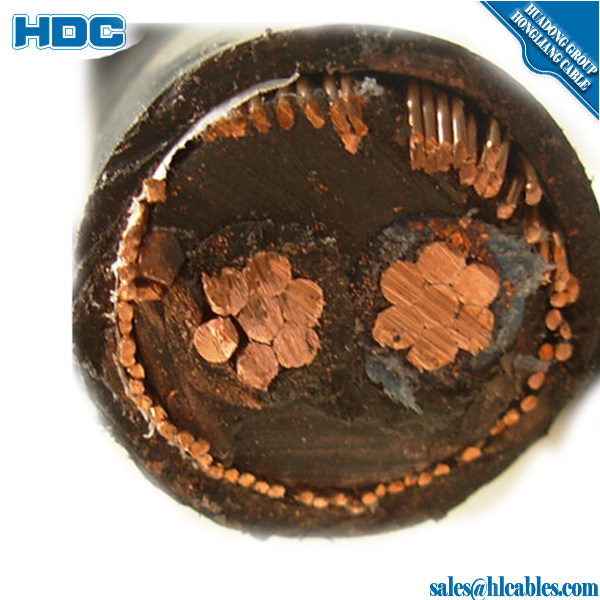
The most common cost-reduction tactic in cable manufacturing is substituting solid bare copper (BC) with copper-clad aluminum (CCA). While CCA has applications in short-run, low-power environments, it is unsuitable for Power over Ethernet (PoE) and rarely passes stringent certification tests.
| Conductor Type | Signal Integrity | PoE Suitability | Cost Impact |
|---|---|---|---|
| Bare Copper (BC) | Excellent (Meets TIA/EIA) | Safe for high-wattage PoE | Baseline / Premium |
| Copper-Clad Aluminum (CCA) | High attenuation over distance | High fire risk (resistance heating) | 30-40% cheaper |
| Copper-Clad Steel (CCS) | Poor (Low-frequency loss) | Not applicable | Lowest cost |
Jacket Materials and Fire Ratings
Regulatory environments dictate jacket materials. For EU markets, the Construction Products Regulation (CPR) mandates specific fire performance classes.
- PVC (Polyvinyl Chloride): The standard for general indoor use. Cost-effective but releases toxic smoke when burned.
- LSZH (Low Smoke Zero Halogen): Required for public buildings and poorly ventilated areas. LSZH compounds are more difficult to extrude consistently, requiring factories with specialized temperature-controlled extrusion lines.
- PE (Polyethylene): The standard for outdoor and direct-burial cables due to superior UV and moisture resistance.
Struggling with inconsistent cable performance or failed Fluke tests? Let us connect you with vetted extrusion facilities.
Talk to our teamManufacturing Tolerances and Quality Control
Quality is won or lost during the extrusion and twisting phases. Even with 99.99% pure oxygen-free copper, poor factory-floor controls will ruin the cable's electrical characteristics.
Conducting rigorous Factory Audits is essential before placing volume orders. You must verify that the supplier maintains automated tension controls and uses laser micrometers to monitor insulation diameter in real-time.
Critical Factory Floor Checks
What to verify during production
- Twist Pitch Consistency: Ensure the pairing machines maintain exact and varied twist rates to mitigate Near-End Crosstalk (NEXT).
- Insulation Concentricity: The copper conductor must be perfectly centered within the insulation to prevent impedance variations.
- Tension Control: Excessive tension during the jacketing process stretches the copper, reducing its diameter and increasing resistance.
- In-line Spark Testing: Ensures there are no pinholes or micro-cracks in the insulation during extrusion.
Implementing robust Quality Control & Inspection protocols before shipment is non-negotiable. If a container of cable arrives and fails certification on the job site, the liability and replacement costs far exceed the initial order value.
Compliance and Testing Protocols
Serious buyers require cables that pass objective, third-party testing parameters. The industry standard is the Fluke Networks test.
Factories will often guarantee a "Fluke Pass," but you must specify which test. Passing a "Channel Test" (which includes patch cords and allows for more margin of error) is significantly easier than passing a "Permanent Link Test" (the raw cable installed in the wall). Always mandate Permanent Link testing for bulk spools.
For specialized markets, engaging in third-party Compliance & Testing ensures your cables meet UL listings, RoHS directives, or CPR Euroclasses, shielding your brand from regulatory blockages at customs.
Pricing, MOQs, and Lead Times
Communication cable pricing is highly volatile, tied directly to the London Metal Exchange (LME) copper spot price. Most reputable factories will quote based on the current copper price plus a manufacturing tolling fee. Quotes that remain static for months should be treated with suspicion, as they often indicate the use of recycled copper or CCA.
Need transparent pricing and reliable lead times for your next bulk cable order? We manage the entire process.
Get a free consultationFrequently Asked Questions
Securing a reliable supply of communication cables requires navigating a landscape of shifting raw material costs and hidden manufacturing shortcuts. By enforcing strict bill-of-materials requirements and implementing rigorous testing at the factory level, you can protect your margins and your brand's reputation. If you need experienced oversight to manage this complex supply chain, our team is ready to step in.
Get Sourcing Help for Communication Cables
Tell us your requirements and our experts will connect you with verified manufacturers.