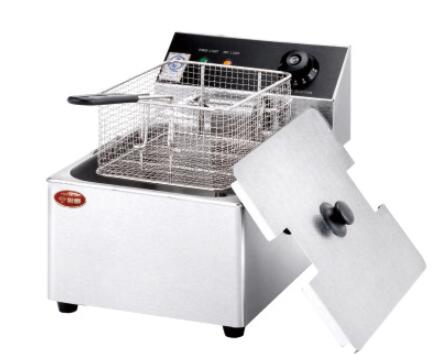
Commercial Fryers
Source commercial fryers from vetted manufacturers and wholesale suppliers across Asia. Built for the high-volume demands of importers, restaurant equipment distributors, and brands seeking OEM production, our network delivers reliable catering equipment at scale.
Sourcing commercial fryers at scale requires balancing thermal efficiency, operator safety, and rigorous compliance standards. For equipment distributors and procurement managers, the primary challenge lies in finding manufacturing partners capable of delivering consistent build quality—particularly in fry pot welding and thermostatic controls—across high-volume production runs.
Critical Specifications for Commercial Fryers
When specifying fryers for bulk manufacturing, the core components dictate both the unit's lifespan and its recovery time (how quickly the oil returns to cooking temperature after cold food is submerged).
Material Selection: The Fry Pot
The fry pot is the most heavily stressed component, subjected to constant thermal cycling, salt, and acidic breakdown from cooking oils.
- 304 Stainless Steel: Non-negotiable for the fry pot in premium and heavy-duty models. It offers superior corrosion resistance.
- 430 Stainless Steel: Often used for the exterior cabinet and doors to reduce costs. While acceptable for the body, using 430 or lower-grade alloys for the fry pot leads to premature pitting and failure.
Heating Mechanisms and Controls
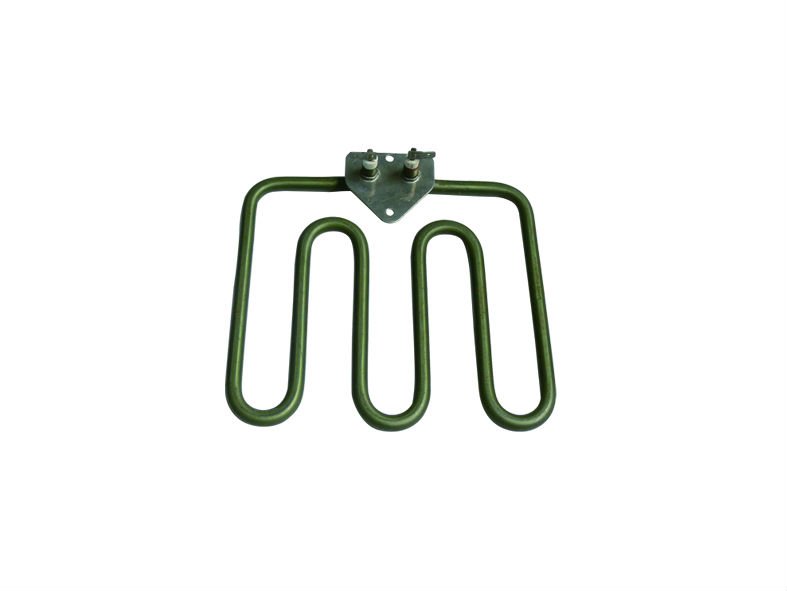
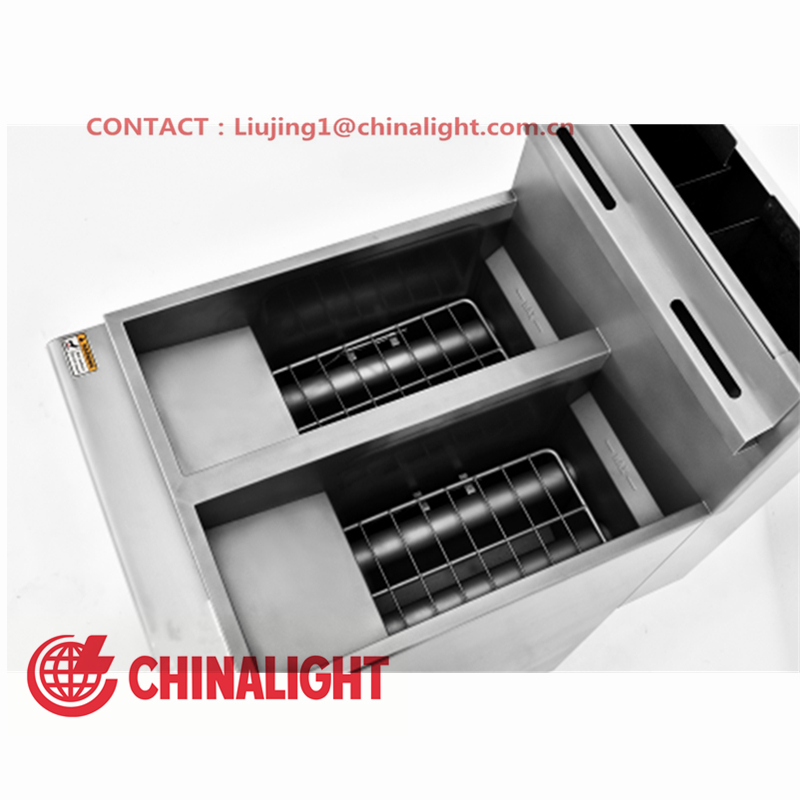
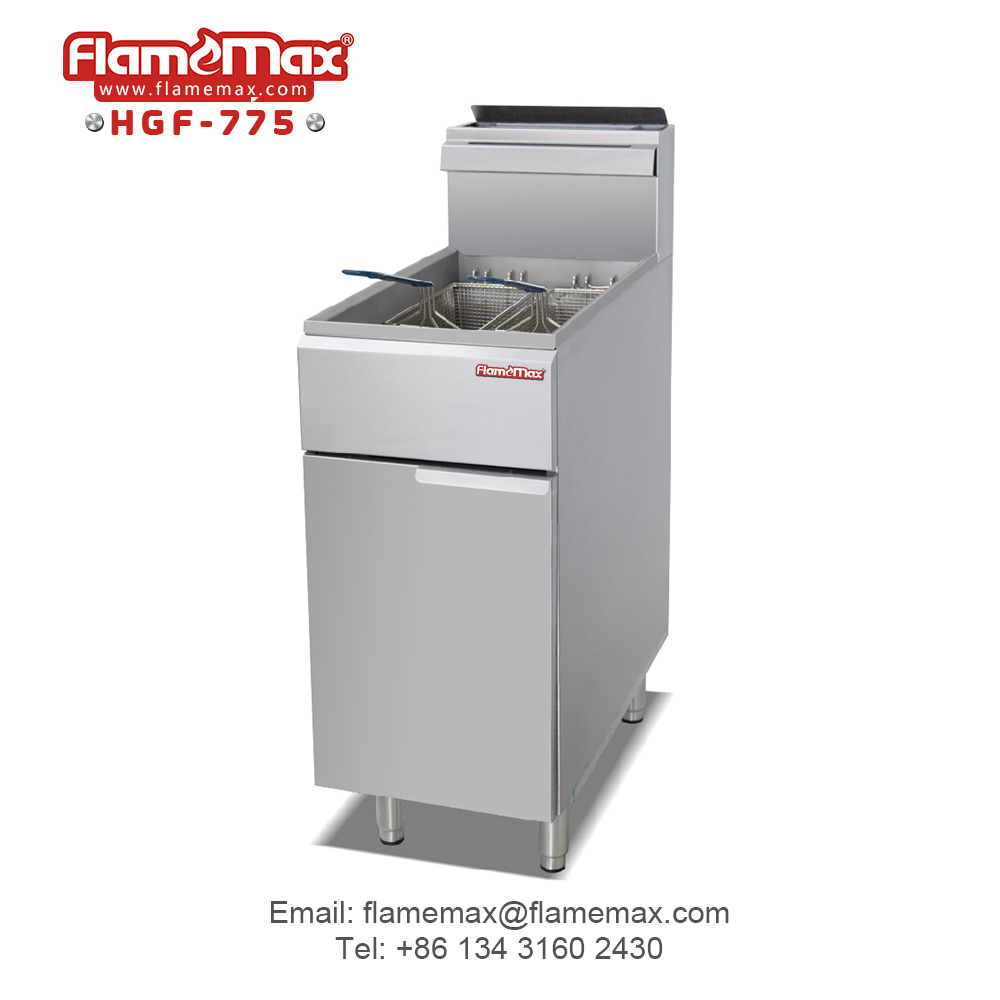
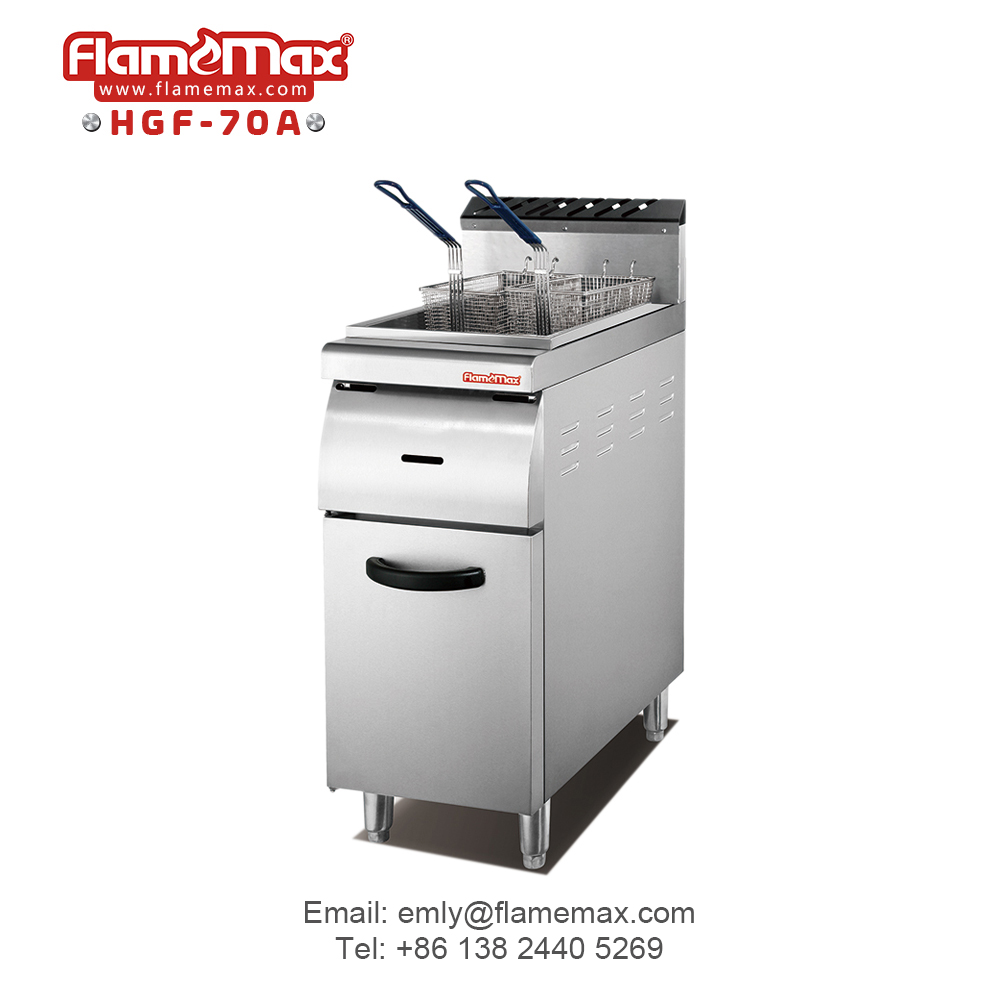
For gas fryers, the choice between tube-type (best for heavy breading) and open-pot (easier to clean, better for light sediment) dictates the burner configuration. Thermostats are equally critical. Standard capillary thermostats have a wider temperature variance (often plus or minus 10 degrees Fahrenheit), while solid-state thermistor controls offer tighter precision, extending oil life and improving food consistency.
Struggling to verify component quality across overseas suppliers? We vet factories and validate raw materials before your production run begins.
Talk to our teamManufacturing Tolerances and Quality Control
The difference between a reliable commercial fryer and a liability is won or lost on the factory floor, specifically in the welding and assembly stages.
Critical In-Line Inspection Points
- TIG Welding Integrity: Fry pots must be continuously welded, ground smooth, and polished to prevent oil leaks and eliminate bacterial traps.
- Gas Manifold Testing: Every gas unit requires pressure testing at the factory to ensure zero leaks in the valve and burner assemblies.
- Thermostat Calibration: Verification that the cut-off temperature matches the dial setting to prevent oil flash fires.
- High-Limit Switch Testing: Ensuring the redundant safety switch trips correctly if the primary thermostat fails.
If you are importing gas equipment, the regulatory burden is high. Valves and regulators must often be sourced from globally recognized brands (like Robertshaw or SIT) to meet regional certifications. Implementing rigorous Quality Control & Inspection during assembly prevents catastrophic failures in the field.
| Specification | Gas Floor Fryers | Electric Countertop Fryers |
|---|---|---|
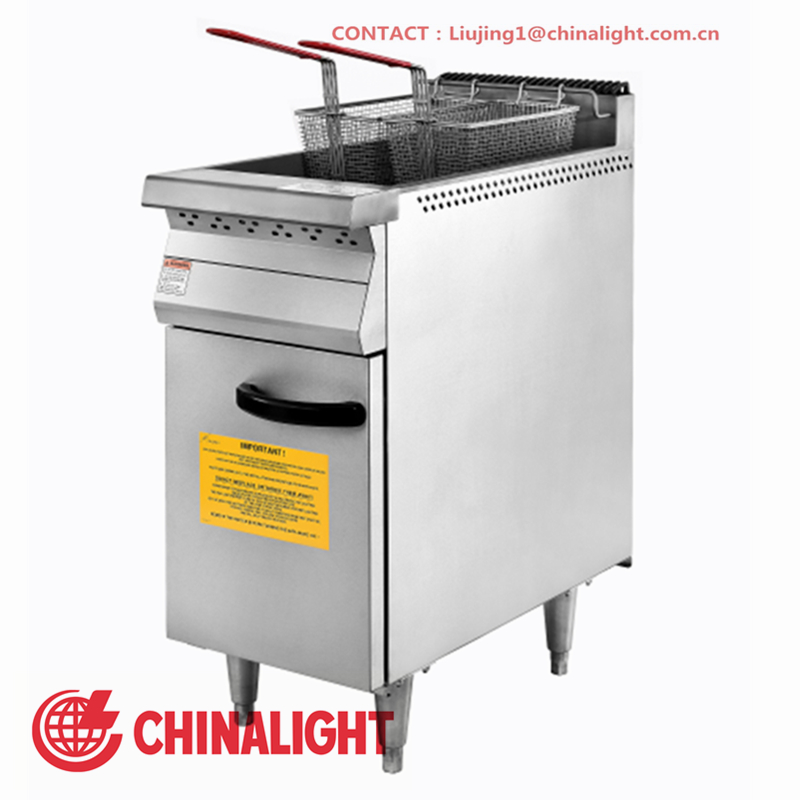
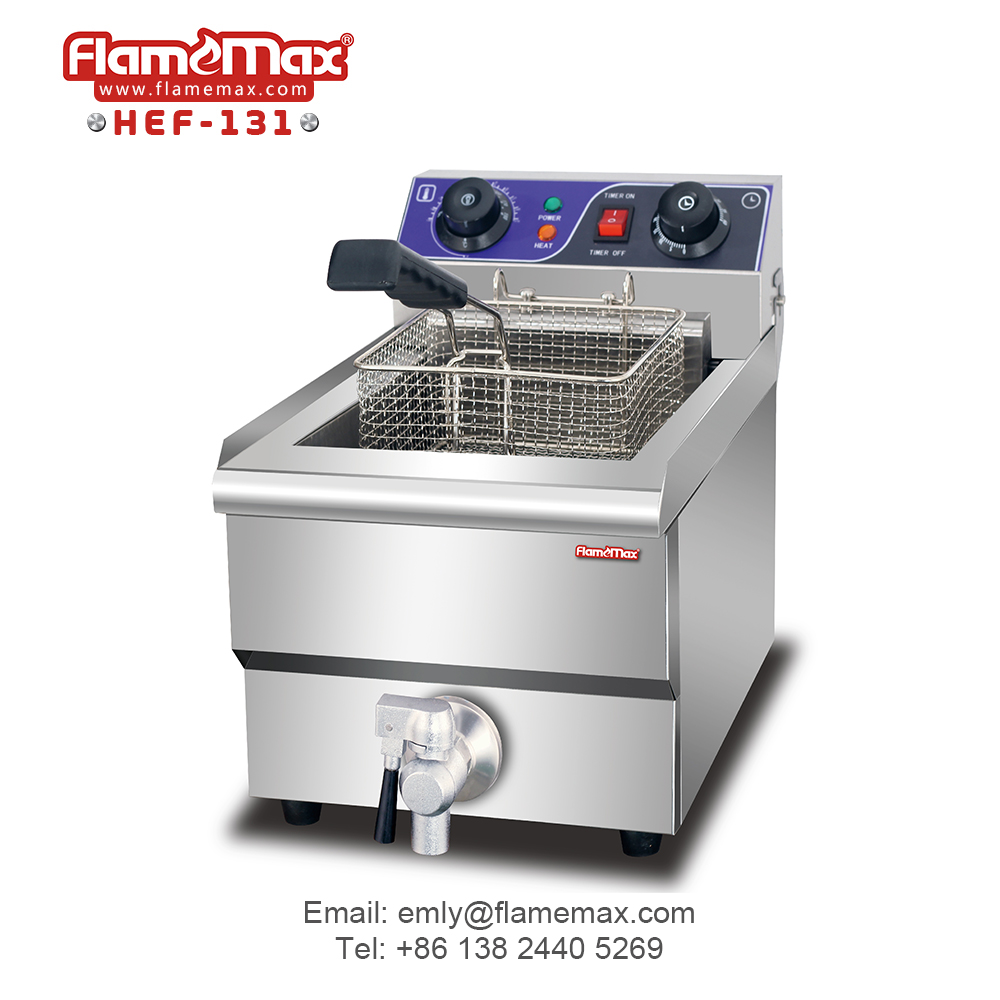
| Typical Heating Capacity | 70,000 to 150,000 BTU/hr | 3kW to 9kW |
| Primary Certification Focus | Gas safety (ANSI Z83.11), Emissions | Electrical safety (UL 197), Wiring |
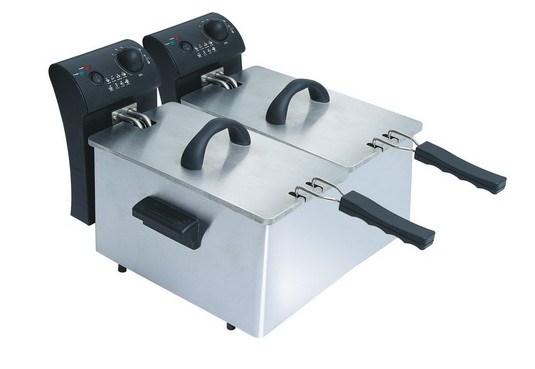
| Manufacturing Complexity | High (Burners, flues, gas valves) | Moderate (Elements, contactors) |
Compliance and Market Certifications
Commercial catering equipment faces strict regulatory barriers. Depending on your target market, your manufacturer must be capable of producing units that pass specific standards.
- North America: Equipment typically requires UL or ETL sanitation (equivalent to NSF/ANSI 4) and safety certifications (UL 197 for electric, ANSI Z83.11 for gas).
- Europe: CE marking is mandatory, requiring strict adherence to the Gas Appliances Regulation (GAR) for gas fryers and the Low Voltage Directive (LVD) for electric models.
Navigating these requirements is complex, particularly when customizing OEM designs. Partnering with a sourcing team that understands Compliance & Testing ensures your product won't be held up at customs or rejected by end-users.
Sourcing Mechanics: MOQs, Pricing, and Lead Times
Commercial fryers are capital-intensive to manufacture, requiring heavy sheet metal stamping and specialized assembly lines.
Pricing is heavily influenced by the global cost of stainless steel and the origin of the internal components (e.g., imported Italian gas valves versus domestic Chinese equivalents). Before committing to a large order, conducting comprehensive Factory Audits is essential to verify that the supplier has the actual metalworking infrastructure and isn't simply assembling outsourced parts in a substandard facility.
Need to negotiate favorable MOQs or develop a custom OEM fryer line? Let our procurement experts manage the factory relationship.
Get a free consultationFrequently Asked Questions
When sourcing commercial fryers, the hidden costs of poor manufacturing—field failures, voided warranties, and safety liabilities—far outweigh the initial savings of a cheaper unit. Success requires partnering with factories that treat material integrity and thermostatic precision as non-negotiable standards.
Get Sourcing Help for Commercial Fryers
Tell us your requirements and our experts will connect you with verified manufacturers.