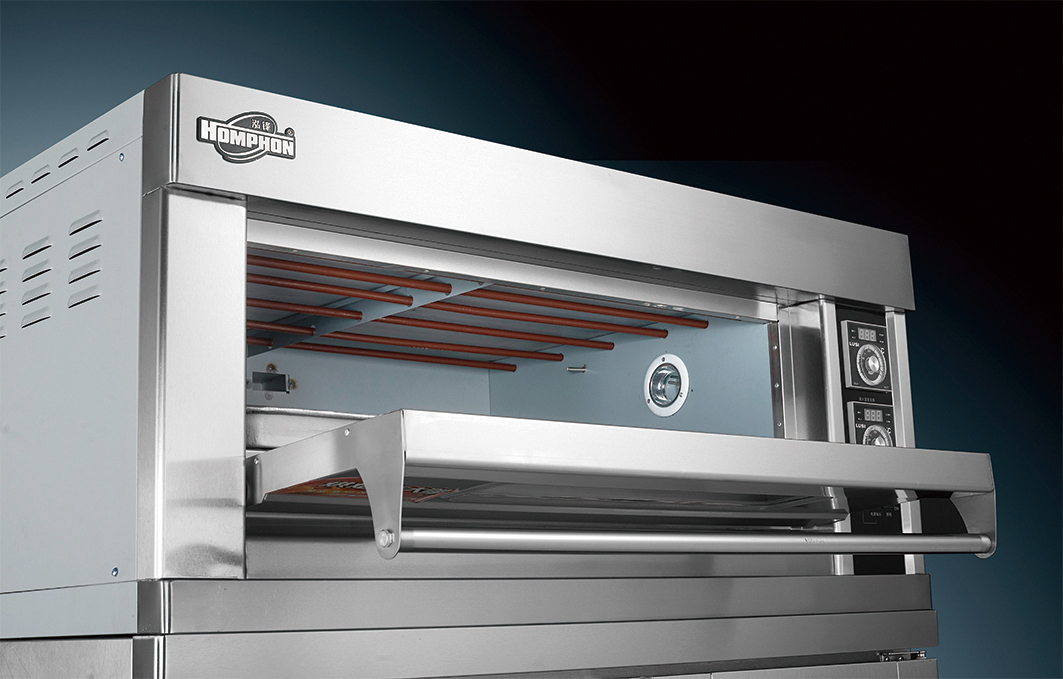
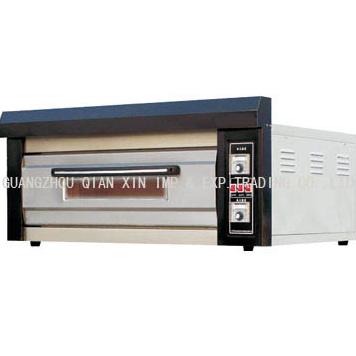
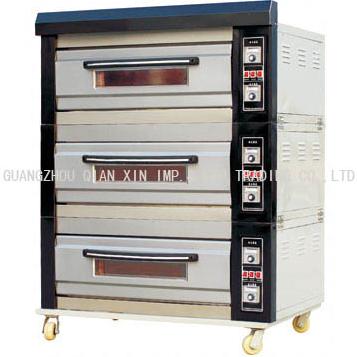
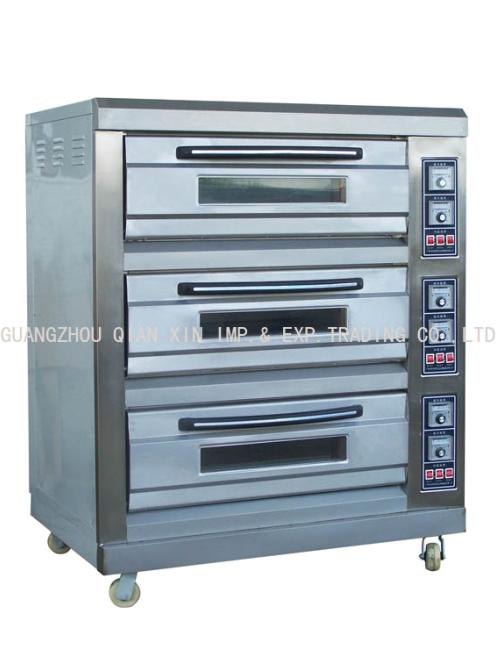
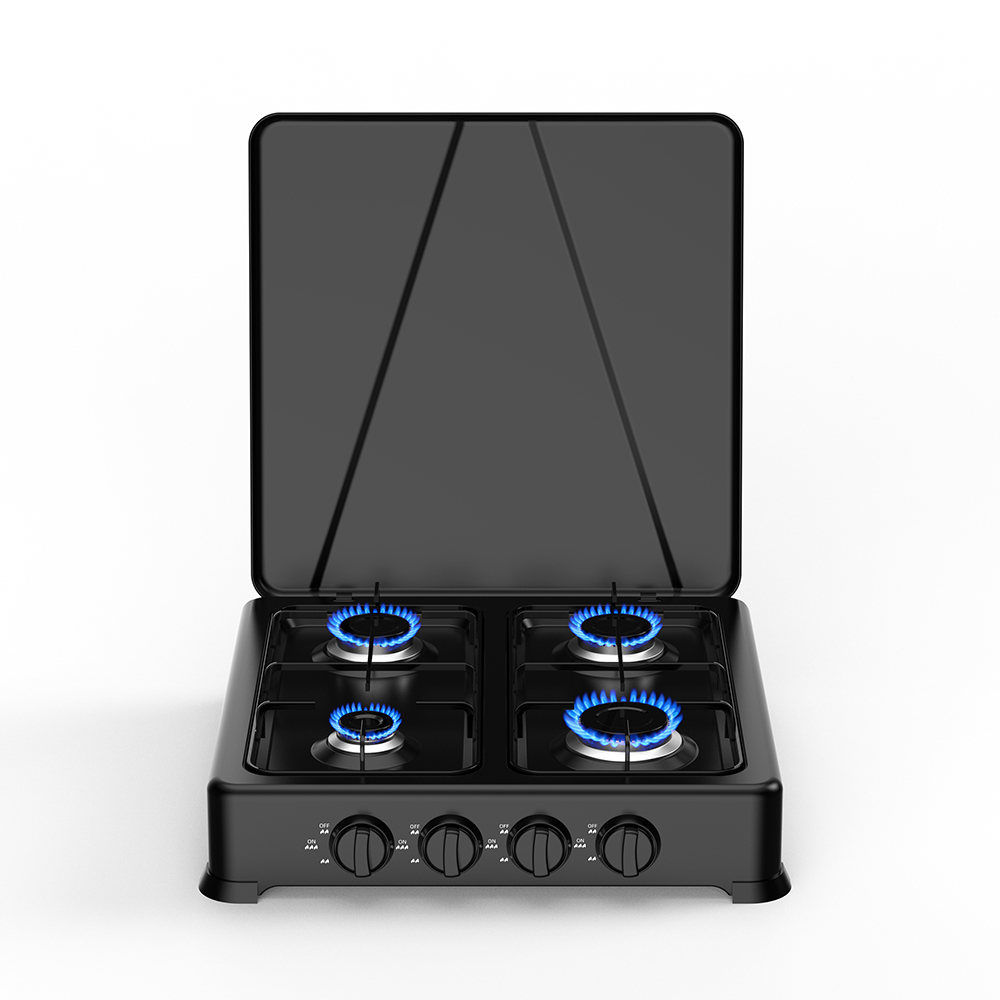
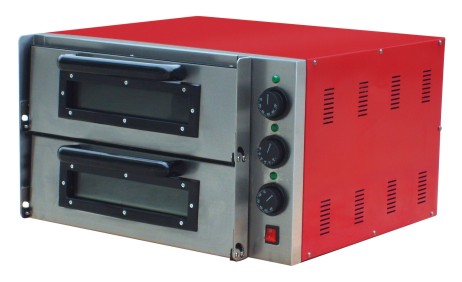
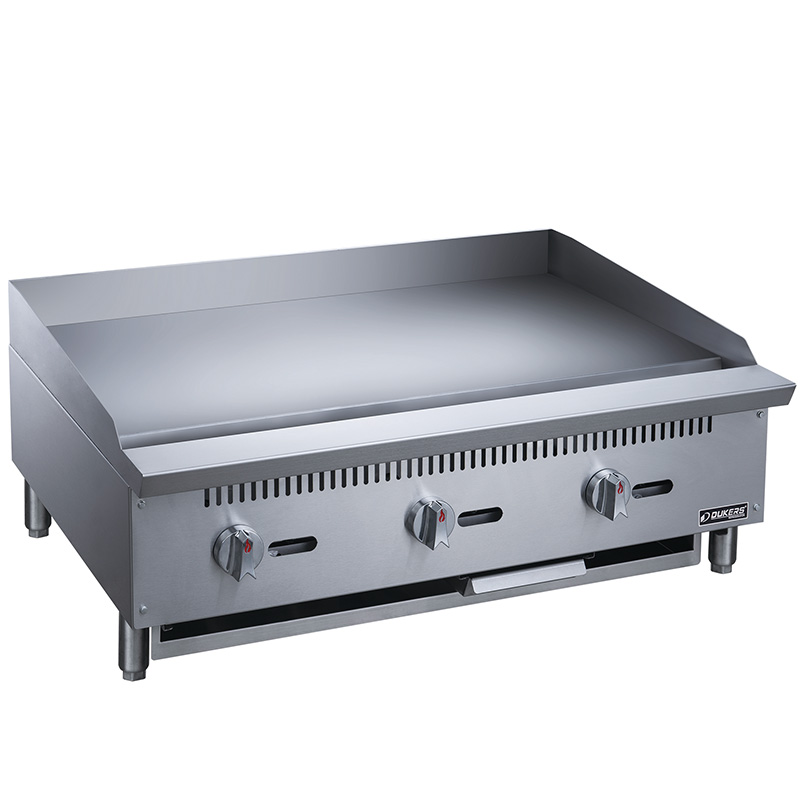
Commercial Cooking Equipment
Source commercial cooking equipment from vetted suppliers and manufacturers across Asia. Designed for importers, wholesalers, distributors, and brands seeking reliable OEM and private-label production, our network delivers high-volume kitchen solutions built to meet rigorous international standards.
Commercial cooking equipment forms the operational core of any professional kitchen. For volume buyers, the sourcing challenge lies in balancing rigorous daily performance requirements with complex regional safety and sanitation certifications. A minor defect in a gas manifold or a substandard electrical component can lead to catastrophic failure in a commercial environment, making rigorous supplier selection and specification management critical.
Critical Specifications and Material Grades
The durability and thermal efficiency of commercial cooking equipment are dictated by the raw materials used in fabrication. Buyers must specify exact grades and thicknesses, as manufacturers will often default to thinner gauges or lower-grade alloys to reduce costs if left unchecked.
| Component | Premium / High-Demand | Standard / Budget |
|---|---|---|
| Body & Housing | 304 Stainless Steel (1.2mm to 1.5mm) | 201 or 430 Stainless Steel (0.8mm to 1.0mm) |
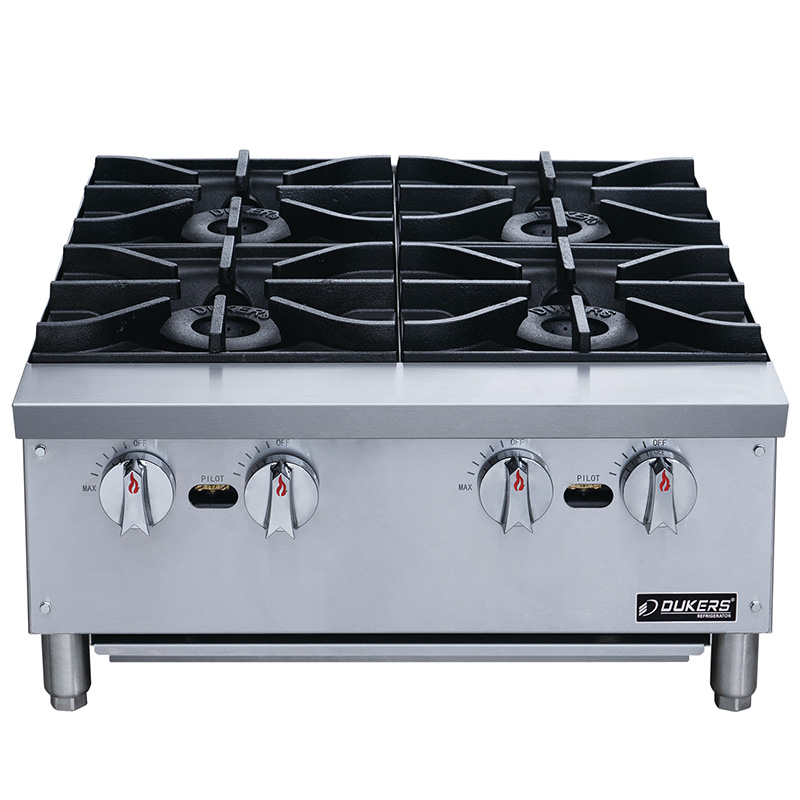
| Burners | Heavy-duty Cast Iron or Brass | Stamped Steel or Light Cast Iron |
| Gas Valves | Brass with precision machining | Zinc alloy or composite |
| Insulation | High-density ceramic fiber | Standard fiberglass |
When specifying stainless steel, 304 is the industry standard for food-contact surfaces and areas exposed to high moisture and salt, due to its superior corrosion resistance. While 201 stainless steel is common in budget equipment, it is prone to rusting in harsh commercial kitchen environments.
Need help verifying material grades and factory capabilities? We audit suppliers and enforce strict material specifications on your behalf.
Talk to our teamManufacturing Processes and Quality Control
Quality in commercial cooking equipment is won or lost during the welding and assembly phases. Seamless, polished welds are not just an aesthetic requirement; they are essential for sanitation compliance (such as NSF standards) to prevent food and grease buildup.
Manufacturers utilizing automated argon arc welding generally produce stronger, cleaner seams than those relying on manual spot welding. Furthermore, the assembly of gas and electrical systems requires stringent in-line testing. Every unit must undergo pressure testing for gas leaks and high-voltage (Hi-Pot) testing for electrical safety before leaving the factory floor.
Critical Inspection Points for Cooking Equipment
- Verify stainless steel grade using chemical testing kits or spectrometers.
- Inspect all structural welds for continuity, slag removal, and proper polishing.
- Conduct electrical safety checks including earth continuity and insulation resistance.
- Perform gas leak detection on all valves, manifolds, and pilot assemblies at operating pressure.
- Check thermal calibration of thermostats and temperature probes.
Relying on a final visual check is insufficient for equipment of this complexity. Implementing comprehensive Quality Control & Inspection protocols during production ensures that internal components meet your specified safety standards.
Navigating Certifications and OEM/ODM Customization
Importing commercial cooking equipment requires strict adherence to regional regulatory frameworks. Equipment destined for North America typically requires UL or ETL certification for electrical and gas safety, alongside NSF certification for sanitation. European markets require CE marking and adherence to specific gas appliance directives.
When engaging in OEM/ODM Services to develop private-label equipment, ensure the factory already holds the base certifications for your target market. Modifying a non-certified design to meet UL or CE standards is a lengthy and expensive process. It is highly recommended to partner with factories that have a proven track record of exporting to your specific region and can easily facilitate Compliance & Testing for your custom configurations.
Buying Mechanics: MOQs, Lead Times, and Pricing
Procuring commercial cooking equipment in bulk requires careful supply chain planning. Because these items are bulky and often customized to specific regional power and gas requirements, factories rarely hold finished inventory.
Pricing is heavily influenced by the global stainless steel index, the cost of copper and brass (for valves and electrical wiring), and the level of certification required. Equipment built to stringent North American or European standards will carry a premium over domestic-market equivalents due to the higher quality of internal components and the amortized costs of laboratory testing.
Optimize your supply chain and negotiate better terms. We manage factory communication, pricing negotiations, and production timelines.
Get a free consultationFrequently Asked Questions
Successfully sourcing commercial cooking equipment requires looking past the polished exterior to verify the engineering, material integrity, and regulatory compliance of the internal systems. Partnering with experienced professionals to conduct thorough Factory Audits and manage the production process mitigates the substantial risks associated with high-liability commercial machinery.
Get Sourcing Help for Commercial Cooking Equipment
Tell us your requirements and our experts will connect you with verified manufacturers.