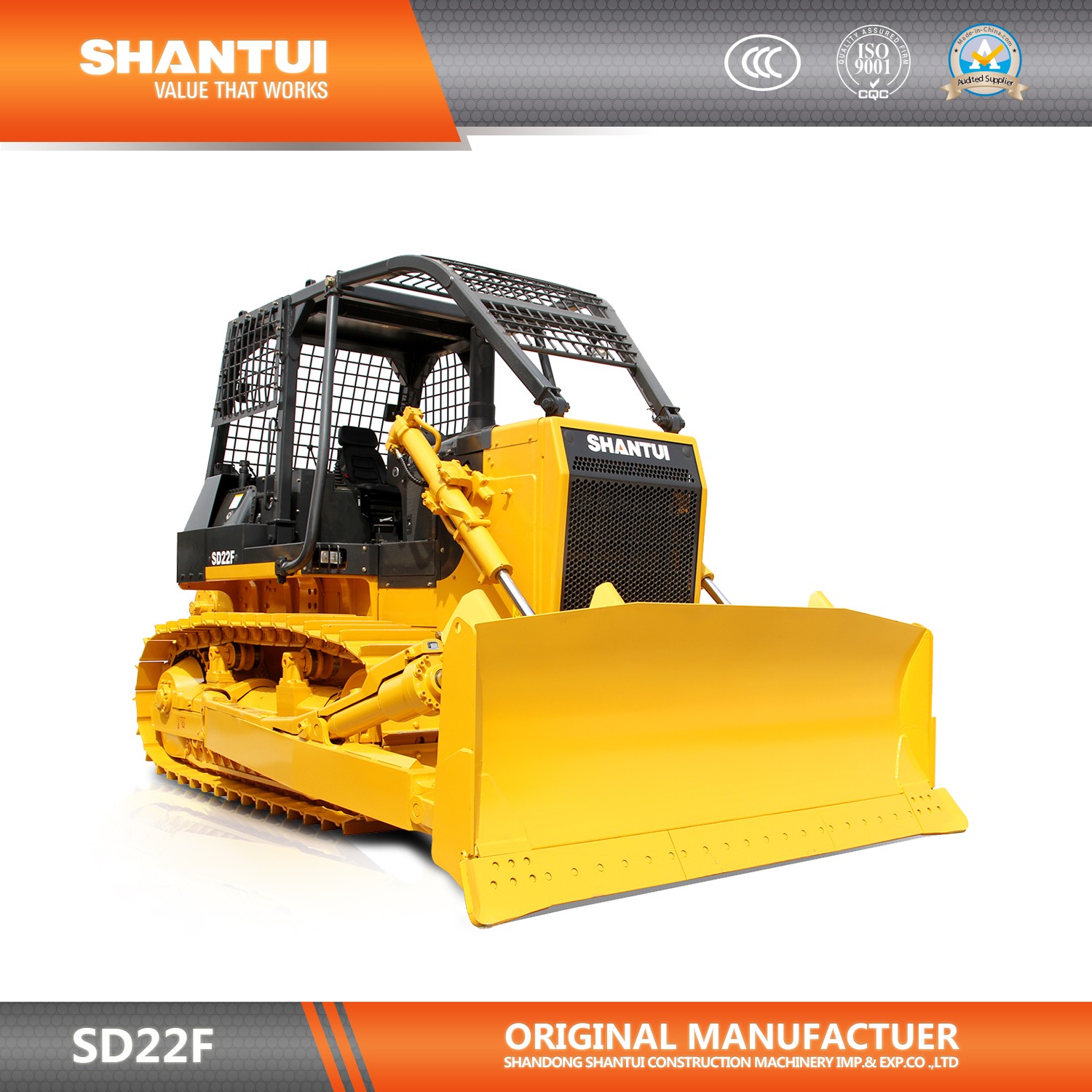
Bulldozers
Source heavy-duty bulldozers from vetted Chinese manufacturers and suppliers. Designed for construction equipment importers, heavy machinery distributors, and procurement managers buying in bulk. Find reliable factory partners for standard and OEM earthmoving equipment, ensuring competitive pricing and strict quality compliance.
Sourcing heavy earthmoving machinery requires balancing raw power specifications with long-term reliability and aftermarket support. When importing bulldozers directly from manufacturers, the core challenge goes beyond negotiating the unit cost. Procurement teams must verify the structural integrity of the undercarriage, the reliability of the hydraulic systems, and the factory's strict compliance with regional emissions standards before committing to a high-value purchase.
Critical Specifications and Component Selection
The durability of a bulldozer is dictated by its core components. Chinese manufacturers typically offer tiered configurations, allowing buyers to select domestic components for cost efficiency or imported components for easier servicing in Western markets.
- Engine and Emissions: The engine block is the most critical variable. Factories usually offer domestic engines (like Weichai or Shangchai) which are highly cost-effective for markets with less stringent emission laws. For North American or European markets, you must specify engines that meet EPA Tier 4 Final or EU Stage V standards (often Cummins, Isuzu, or Yanmar).
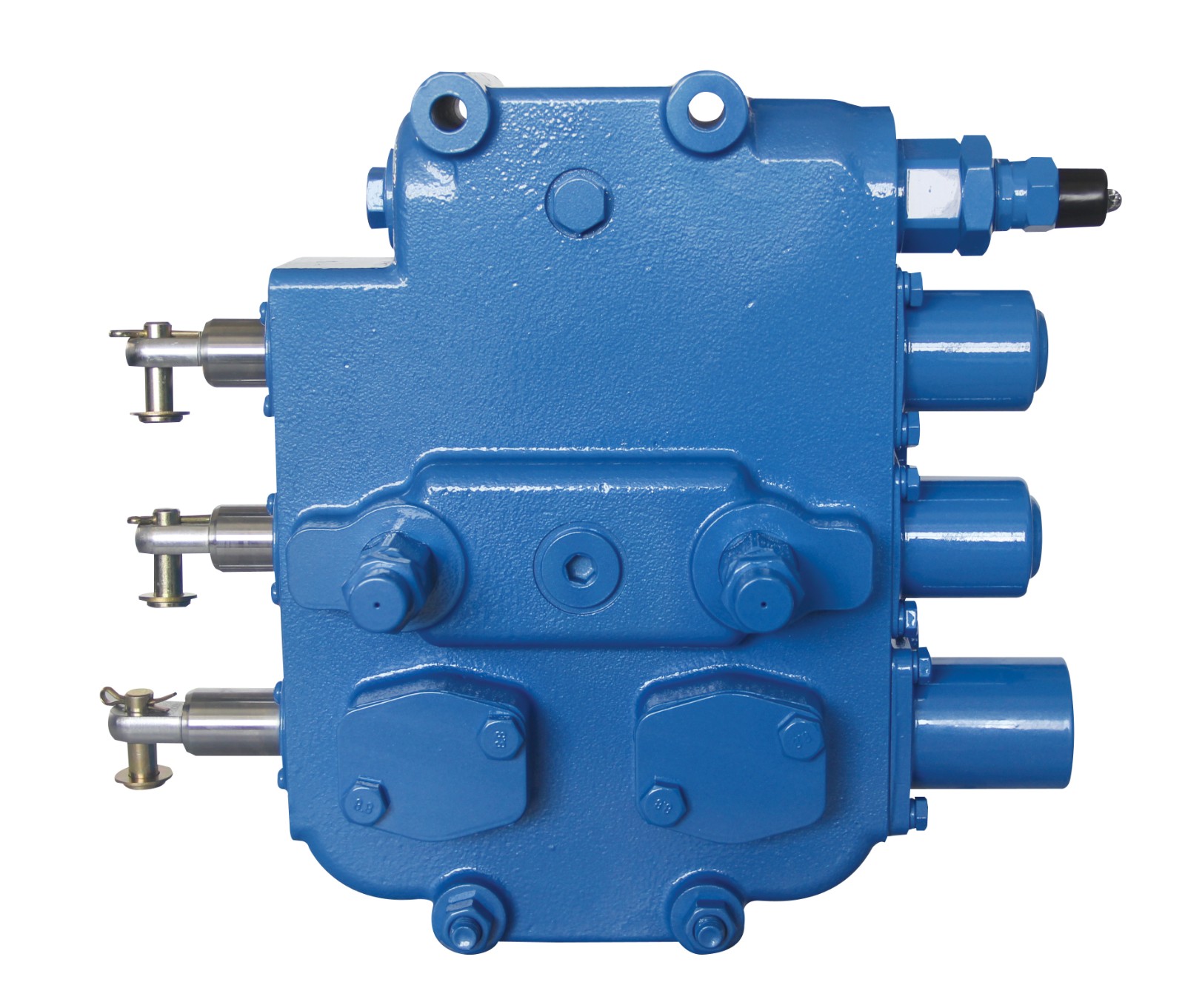
- Hydraulic Systems: Operating pressure and pump flow rate dictate the responsiveness of the blade and ripper. Ensure the manufacturer uses recognized hydraulic pumps and valves (such as Rexroth or Kawasaki) if the equipment will endure continuous heavy-duty cycles.
- Undercarriage Configuration: The undercarriage accounts for roughly half of a bulldozer's maintenance costs over its lifespan. Track gauge, shoe width, and ground pressure must align with the end-user's terrain.
| Configuration | Ground Pressure | Ideal Application | Track Shoe Width |
|---|---|---|---|
| Standard (STD) | High | Hard soil, general construction | 460mm - 510mm |
| Low Ground Pressure (LGP) | Low | Swamps, mud, soft terrain | 660mm - 910mm |
| Extra Long (XL) | Medium | Finish grading, uneven terrain | Varies by model |
Need to verify a manufacturer's technical capabilities and component supply chain? We can evaluate factory assembly lines before you place an order.
Talk to our teamManufacturing Tolerances and Quality Control
Heavy machinery manufacturing leaves no room for poor welding or substandard metallurgy. The main frame, track roller frames, and blade push arms must be engineered to absorb massive continuous shock loads.
When evaluating a supplier, their welding processes are a primary indicator of overall quality. Look for factories utilizing robotic welding for main structural components, backed by ultrasonic or X-ray non-destructive testing (NDT) to detect internal weld flaws. Relying on basic visual inspections is insufficient for earthmoving equipment.
Pre-Shipment Inspection Focus Areas
- Hydraulic pressure retention tests (checking for micro-leaks under maximum load).
- Track tension and roller alignment verification.
- Engine emission certification cross-checks against the physical engine plate.
- Full functional testing of the transmission in all gears, forward and reverse.
- Blade and ripper articulation speed and maximum lift capacity validation.
Implementing rigorous quality control and inspection at the factory level—before the machinery is loaded for export—is the only way to prevent receiving a unit that requires immediate, costly domestic repairs.
Pricing, MOQ, and Production Lead Times
Unlike consumer goods, heavy machinery operates on low minimum order quantities (MOQs) but requires significant capital and logistical planning.
Logistics and Freight Considerations
Shipping bulldozers requires specialized freight solutions. Depending on the operating weight and dimensions, units are typically shipped via RoRo (Roll-on/Roll-off) vessels, Flat Rack containers, or Open Top containers if the ROPS/FOPS cabin can be detached. Coordinating this requires precise weight distribution calculations and specialized port handling. Partnering with experts in shipping and freight ensures the machinery clears customs smoothly and avoids exorbitant port storage fees.
Navigating RoRo shipping, customs clearance, and heavy freight forwarding? Let our logistics specialists handle the complexities of your machinery import.
Get a free consultationFrequently Asked Questions
Successful procurement of heavy earthmoving equipment comes down to managing the Total Cost of Ownership (TCO) from day one. Securing a low unit price is irrelevant if the machine suffers from hydraulic failures or non-compliant emissions upon arrival. By enforcing strict component standards and conducting thorough, on-site factory audits, buyers can confidently source high-performance machinery that performs reliably in the field.
Get Sourcing Help for Bulldozers
Tell us your requirements and our experts will connect you with verified manufacturers.