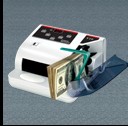
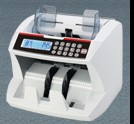
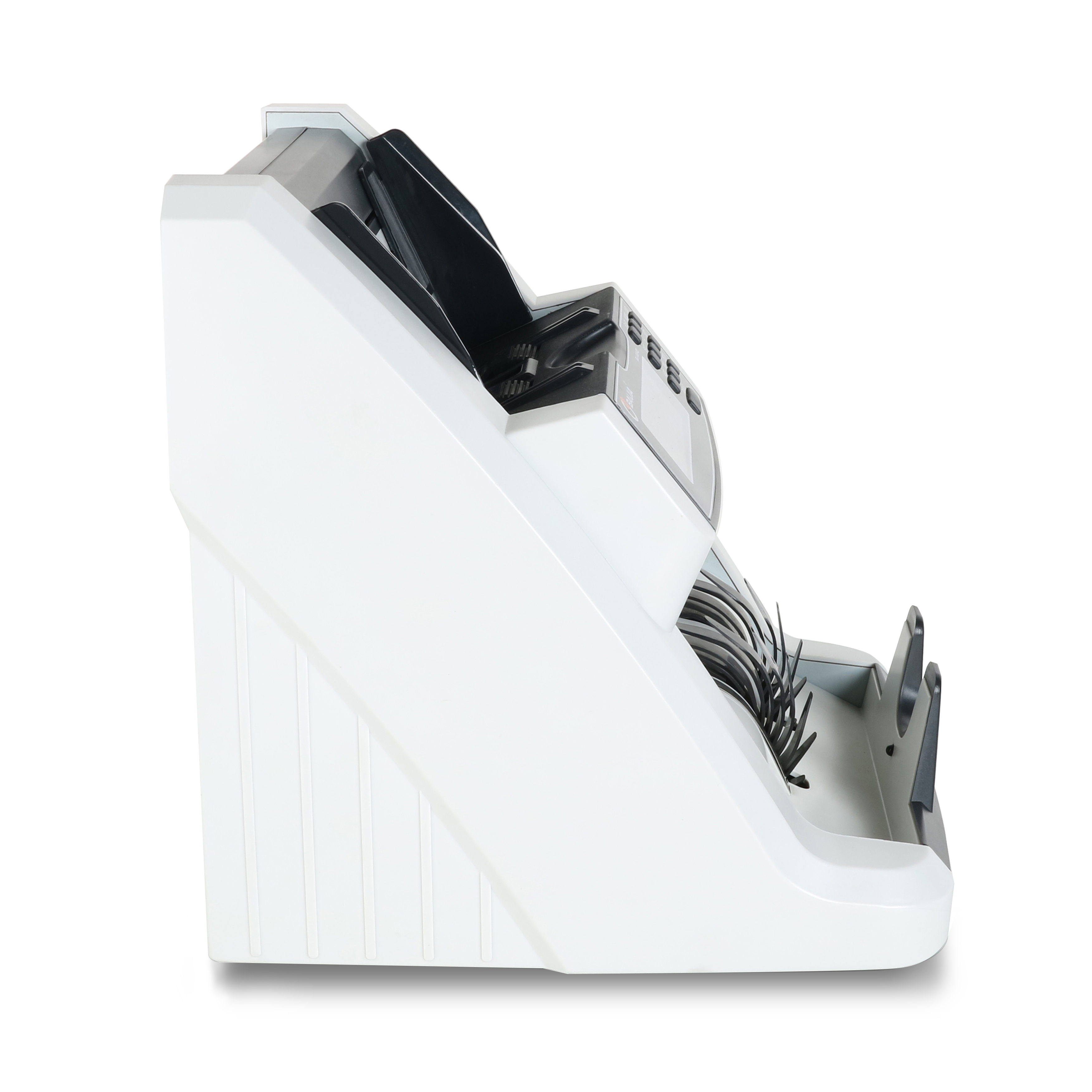
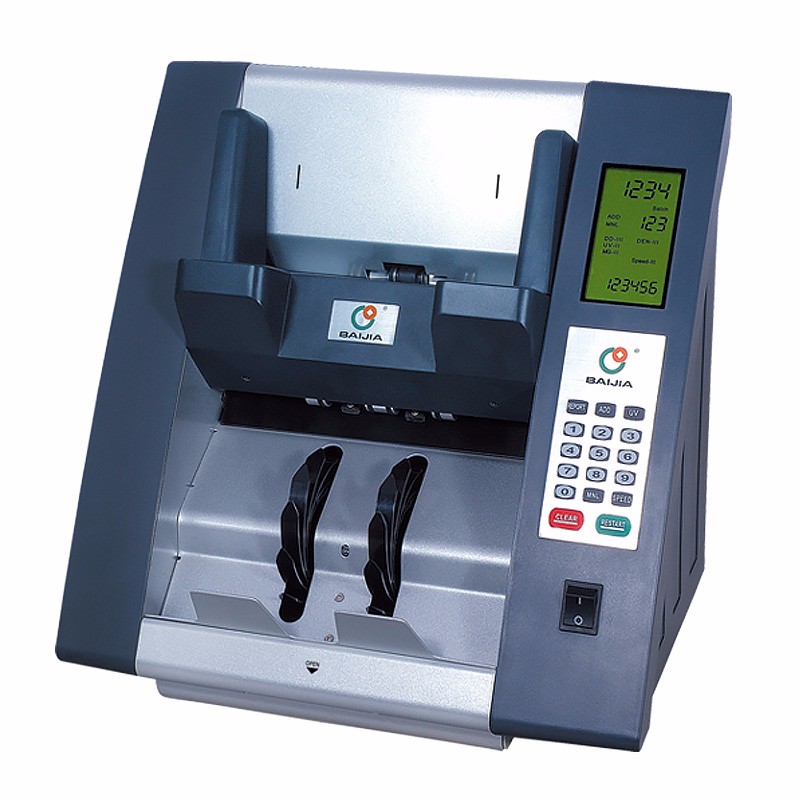
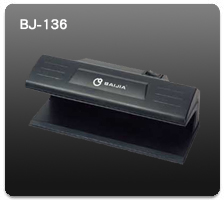
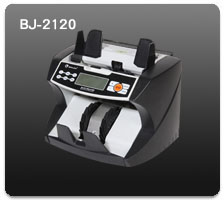
Bill Counters
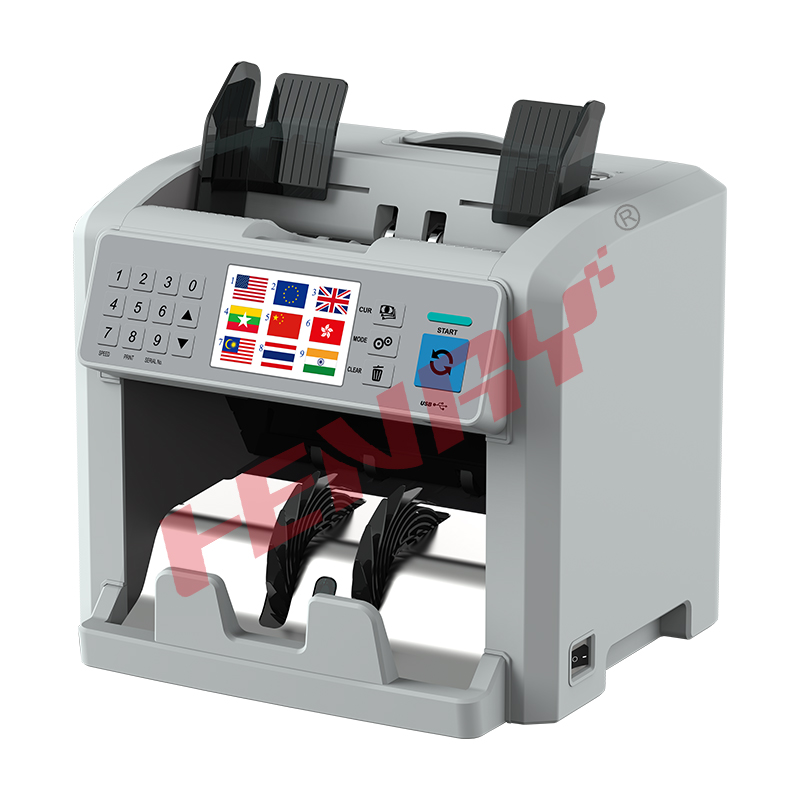
Source reliable commercial-grade bill counters from vetted manufacturers and wholesale suppliers. Designed for importers, banking equipment distributors, and brands seeking OEM/private-label production, our network delivers precision cash-handling solutions built for high-volume accuracy and advanced counterfeit detection.
Sourcing commercial bill counters requires balancing mechanical durability with highly sensitive optical and magnetic arrays. The core challenge for volume buyers isn't just finding a factory that can assemble a counting mechanism; it is ensuring the manufacturer possesses the technical capability to calibrate contact image sensors (CIS), manage complex firmware for multiple currencies, and maintain strict quality control over high-wear components like feed rollers and motors.
Core Technologies and Detection Standards
The value and application of a bill counter are entirely dictated by its sensor suite and processing board. When specifying units for bulk production, you must define the exact counterfeit detection requirements for your target market.
| Machine Class | Sensor Suite | Primary Capabilities |
|---|---|---|
| Basic Piece Counter | UV (Ultraviolet), MG (Magnetic) | Counts total pieces, basic counterfeit flagging |
| Mixed Value Counter | Single CIS, UV, MG, IR (Infrared) | Reads denominations, calculates total value, advanced detection |
| Bank-Grade Sorter | Dual CIS, UV, MG, IR, MT (Metal Thread) | Fitness sorting, serial number reading, multi-currency processing |
For mixed denomination counting and serial number capture, Contact Image Sensors (CIS) are mandatory. Dual CIS machines scan both sides of the note simultaneously, which is a strict requirement for financial institution tenders.
Need help matching sensor specifications to your target market's regulatory standards?
Discuss your technical requirementsManufacturing Vulnerabilities and Factory Capabilities
Not all assembly lines are equipped to produce reliable financial equipment. The production of advanced bill counters requires strict environmental controls, particularly when assembling and calibrating optical components. Dust or improper alignment during assembly will result in high false-reject rates in the field.
Before committing to a supplier, rigorous Factory Audits are essential to verify their clean-room standards and testing infrastructure.
Critical Quality Control Focus Areas
Key Factory-Level Inspections
- Sensor Calibration: Verifying CIS and IR sensors are calibrated against master currency templates.
- Roller Durometer Testing: Ensuring rubber feed rollers have the exact hardness required to prevent double-feeding without tearing aged notes.
- Thermal Stress Testing: Running the counting motors continuously to check for overheating and board degradation under heavy loads.
- Firmware Verification: Confirming the correct, localized currency software is flashed and fully functional before final packaging.
Implementing comprehensive Quality Control & Inspection protocols before shipment is the only way to catch calibration drift or mechanical friction issues that often plague lower-tier manufacturers.
Customization and OEM Production
For brands importing bill counters, hardware and software customization are key differentiators. While housing colors and logo printing are standard, true OEM/ODM Services allow you to tailor the machine's functionality to your specific market.
- User Interface (UI): Customizing LCD/TFT touchscreens with localized languages and intuitive menu structures.
- Firmware Development: Partnering with factories that have in-house software teams capable of quickly mapping and updating algorithms when central banks release new currency series.
- Hardware Modifications: Upgrading hopper capacities, adding dedicated reject pockets (1+1 or 2+1 pocket designs), or integrating external thermal printer ports.
Pricing, MOQs, and Production Lead Times
Pricing in this category is heavily segmented by the sensor technology and the number of pockets. Basic UV/MG piece counters are highly commoditized, while Dual CIS sorters command significant premiums due to the cost of the optical arrays and the processing power required for real-time image analysis.
- Minimum Order Quantities (MOQs): Standard off-the-shelf models typically require MOQs of 100 to 200 units. For full OEM customization (custom housing molds, bespoke UI), expect MOQs to start at 500 units.
- Production Lead Times: Standard orders generally take 30 to 45 days. OEM projects requiring new molds or extensive software localization can extend lead times to 60 to 90 days.
- Cost Drivers: The transition from Single CIS to Dual CIS is the largest cost jump. Additionally, integrating heavy-duty continuous-duty motors (rather than standard intermittent-duty motors) will increase unit costs but drastically reduce warranty claims.
Compare factory-direct pricing and lead times for your specific bill counter requirements.
Get a pricing analysisFrequently Asked Questions
Successfully importing commercial bill counters requires looking past the outer casing and evaluating the manufacturer's software engineering and sensor calibration capabilities. By partnering with factories that treat these devices as precision optical instruments rather than simple mechanical counters, you secure a product that delivers reliability and protects your brand's reputation in the field.
Get Sourcing Help for Bill Counters
Tell us your requirements and our experts will connect you with verified manufacturers.