Bicycle Hubs
Source high-performance bicycle hubs directly from vetted manufacturers and suppliers in China and Asia. Designed for importers, wholesale distributors, and cycling brands seeking reliable OEM and private-label production, our network provides precision-engineered hubs for road, MTB, and e-bike applications at scale.
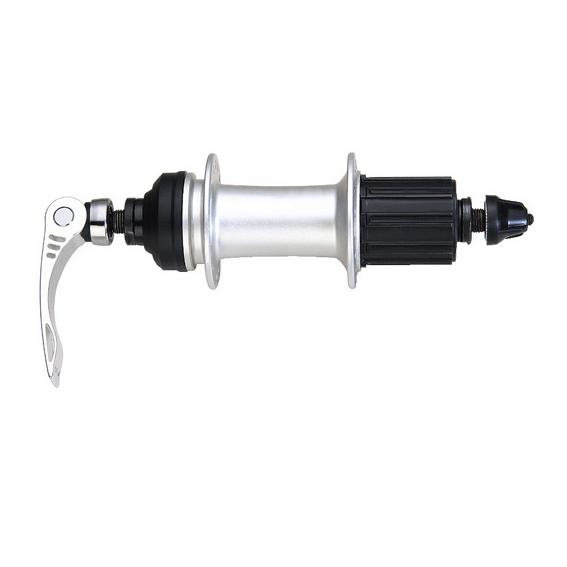
Bicycle hubs are the mechanical heart of the wheelset, bearing the rider's weight, transmitting drivetrain torque, and dictating rolling efficiency. Sourcing them in volume requires balancing weight, engagement speed, and load-bearing durability against strict production costs. When importing hubs directly from Asian manufacturers, the difference between a premium aftermarket upgrade and a warranty liability comes down to CNC tolerances, bearing quality, and freehub architecture.
Hub Architecture and Specifications
Specifying a hub for bulk production requires defining exact dimensions and internal mechanisms. A hub's performance is largely dictated by its shell material, axle standard, and the freehub engagement system.
Freehub Engagement Systems
The drive mechanism is the most critical component for performance-oriented hubs, particularly in mountain biking (MTB) and gravel applications where instant power transfer is required.
- Pawl Systems (3-Pawl to 6-Pawl): The standard for most OEM builds. Cost-effective and reliable. Higher pawl counts (e.g., 6-pawl with offset engagement) increase the points of engagement (POE) but require tighter machining tolerances to ensure all pawls engage simultaneously under load.
- Star Ratchet Systems: Utilizes two interlocking toothed rings. Offers superior torque transfer and durability because all teeth engage at once. Historically patented, this design is now widely available for custom OEM/ODM Services, but requires high-grade tool steel and precise heat treatment to prevent premature wear.
| Manufacturing Method | Shell Material | Production Volume | Cost Profile |
|---|---|---|---|
| Cold Forged & Machined | Typically 6061-T6 Aluminum | High (Mass Market OEM) | Lower per unit, high tooling cost |
| 100% CNC Machined | Typically 7075-T6 Aluminum | Low to Medium (Premium Aftermarket) | Higher per unit, low tooling cost |
Need help identifying factories with the right CNC capabilities and material sourcing networks for your custom hub designs?
Talk to our teamManufacturing Tolerances and Quality Control
The primary failure points in bicycle hubs are rarely catastrophic shell fractures; they are usually premature bearing failure or freehub slipping. Both are symptoms of poor factory-level machining tolerances.
If the bearing seats inside the hub shell are machined even a fraction of a millimeter too tight, the bearing will bind, causing drag. If machined too loose, the bearing will develop play and eventually destroy the hub shell. Verifying these tolerances requires stringent Quality Control & Inspection directly on the factory floor before the hubs are laced into wheels or shipped.
Critical Pre-Shipment Hub Inspections
- Bearing Seat Tolerance: Use bore gauges to ensure seats are within ISO specified limits.
- Axle Concentricity: Check for runout to prevent uneven bearing wear.
- Freehub Spring Tension: Verify uniform tension across all pawls to prevent skipping under high torque.
- Anodizing Consistency: Inspect flange holes for uneven coating thickness, which can cause spoke seating issues.
- Seal Integrity: Ensure dust wipers and labyrinth seals fit flush without adding excessive rotational drag.
When evaluating new suppliers, conducting thorough Factory Audits is essential to confirm they possess the multi-axis CNC machinery required for complex hub geometries, especially for straight-pull spoke designs.
Sourcing Mechanics: MOQs, Pricing, and Lead Times
Hub production is highly scalable, but minimum order quantities (MOQs) depend heavily on the level of customization required. Blank, off-the-shelf catalog hubs can be sourced in lower volumes, while custom shell designs, specific anodized colors, or proprietary engagement systems require larger commitments.
Pricing is driven primarily by the bearing brand (e.g., standard NBK vs. premium Enduro or SKF bearings), the complexity of the freehub machining, and the surface finish.
Ready to optimize your supply chain? Let us negotiate pricing, manage production schedules, and handle quality control for your next component order.
Get a free consultationFrequently Asked Questions
Sourcing bicycle hubs at scale is an exercise in managing micro-tolerances. The most successful brands don't just buy parts; they partner with factories capable of consistent precision over thousands of units. By verifying machining capabilities and strictly controlling bearing seat dimensions, you can build a reliable component line that performs flawlessly under pressure.
Get Sourcing Help for Bicycle Hubs
Tell us your requirements and our experts will connect you with verified manufacturers.