Beverage Processing Lines
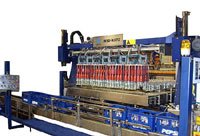
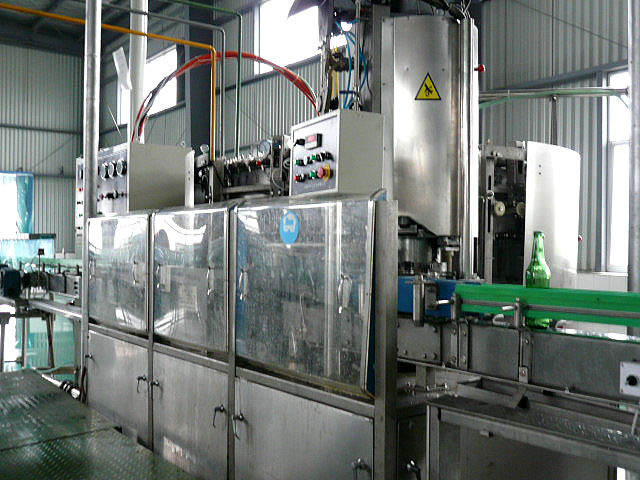
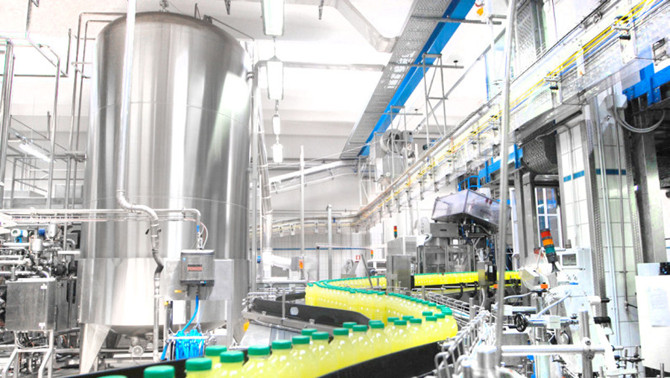
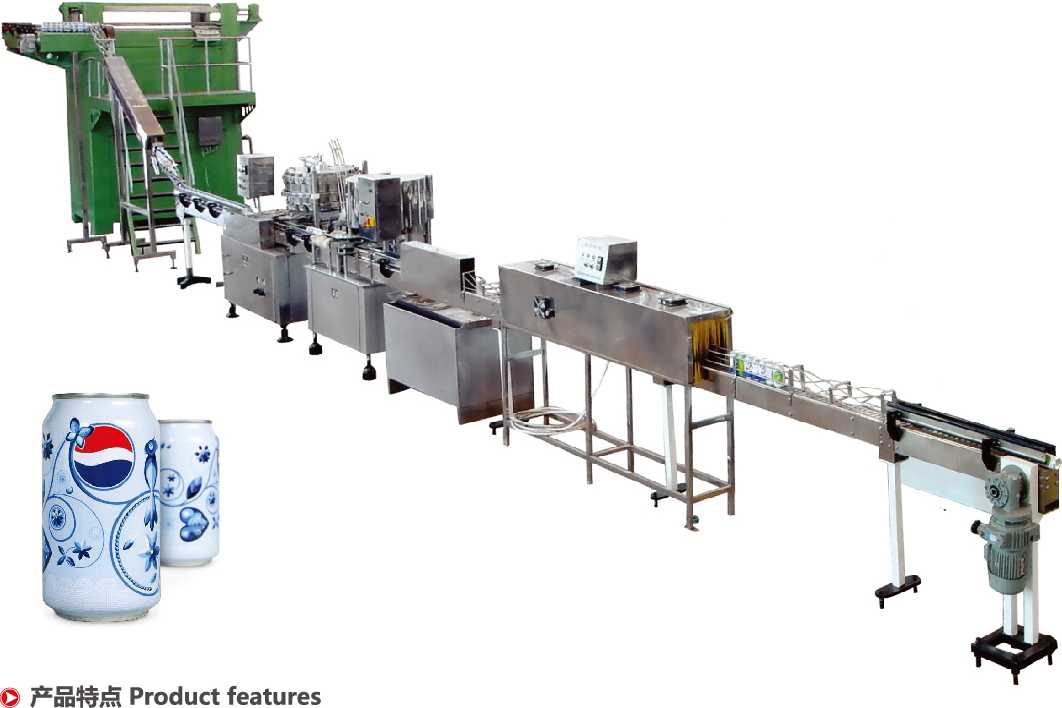
Source industrial-grade Beverage Processing Lines from vetted manufacturers and suppliers in China and across Asia. Designed for large-scale importers, distributors, and beverage brands seeking reliable OEM production, our wholesale network delivers high-capacity, automated bottling and processing solutions tailored to your operational needs.
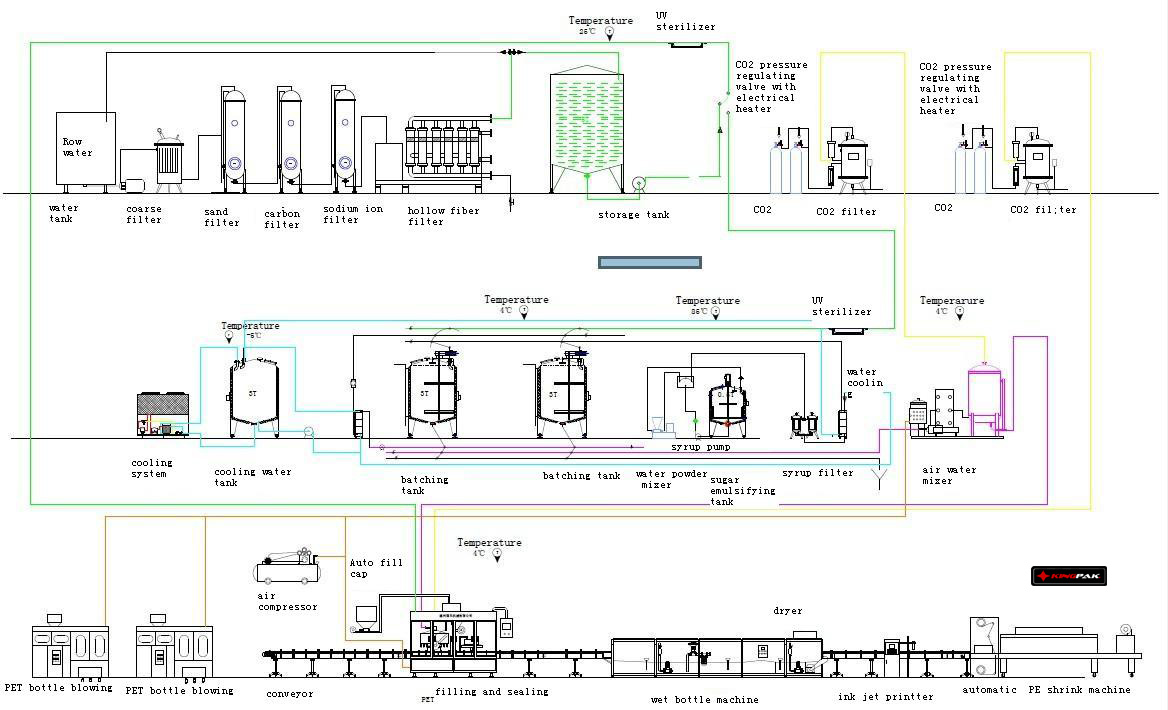
Procuring a complete beverage processing line is rarely a plug-and-play transaction. It requires harmonizing multiple complex systems—from water treatment and syrup mixing to filling, capping, and end-of-line packaging. The primary sourcing challenge is not simply finding a factory that builds machinery, but identifying an integration partner capable of engineering a line that meets strict sanitation standards, delivers consistent throughput, and minimizes downtime.
## Core Specifications for Beverage Production
When specifying a beverage processing line to a manufacturer, precision is critical. Vague requirements lead to undersized motors, incompatible pneumatics, and bottlenecks.
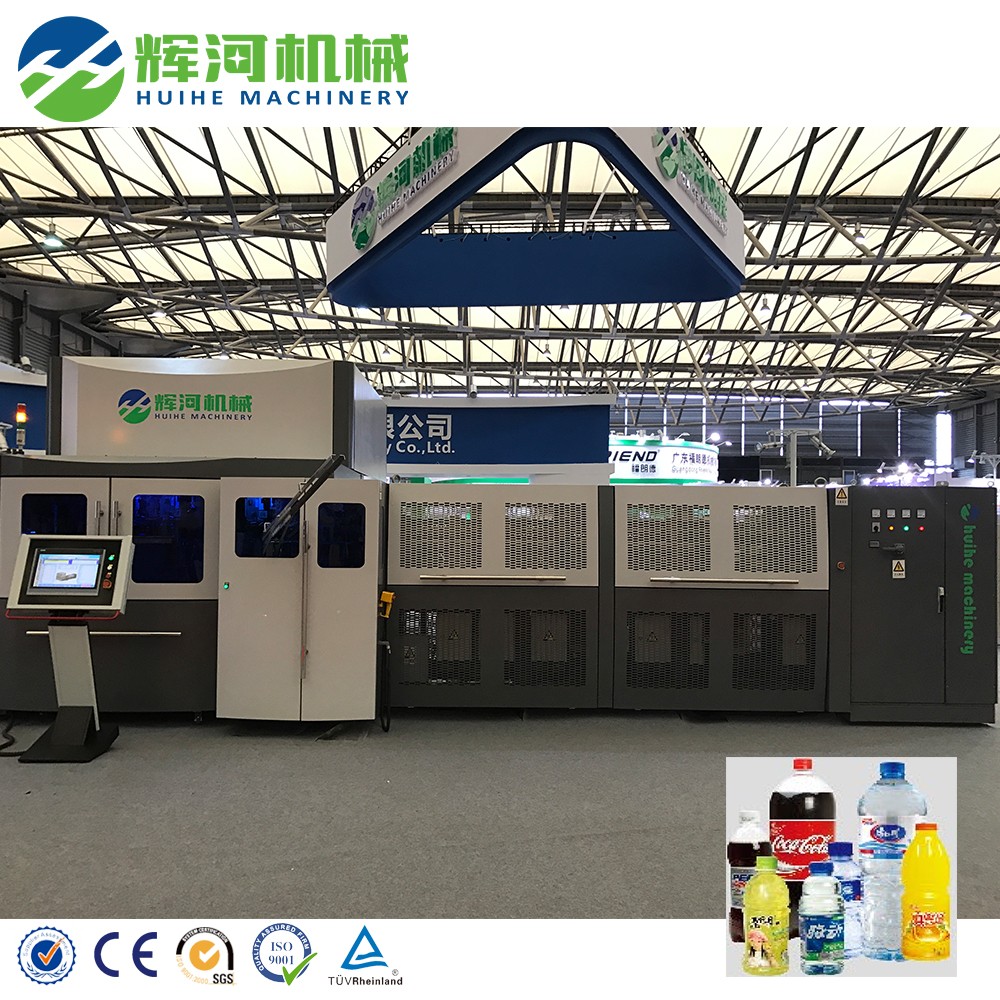
### Capacity and Throughput Capacity is the foundational metric, universally measured in Bottles Per Hour (BPH) or Cans Per Hour (CPH), based on a specific container volume (typically 500ml for baseline calculations). A line rated for 10,000 BPH at 500ml will not necessarily output 5,000 BPH at 1000ml due to filling valve dynamics and conveyor spacing. You must provide the factory with exact container dimensions, neck finishes, and target output for every SKU you intend to run.
<StatGrid columns={3} stats={[ { value: "2,000 - 4,000 BPH", label: "Entry-Level / Pilot Lines", description: "Typical for regional or specialized craft production." }, { value: "8,000 - 15,000 BPH", label: "Mid-Scale Production", description: "Standard commercial output for most mid-sized brands." }, { value: "24,000+ BPH", label: "High-Speed Rotary", description: "Industrial-scale, highly automated bottling." } ]} />
### Filling Technologies The nature of the beverage dictates the filling mechanism. Specifying the wrong filler results in product waste, foaming, or spoilage.
<ComparisonTable headers={["Technology", "Best For", "Key Advantage"]} rows={[ { label: "Gravity Filling", values: ["Still water, non-viscous liquids", "Cost-effective, simple maintenance"] }, { label: "Isobaric (Pressure) Filling", values: ["Carbonated soft drinks, beer", "Prevents foaming and CO2 loss"] }, { label: "Hot Fill", values: ["Juices, teas, sports drinks", "Sterilizes the container during filling"] }, { label: "Piston / Volumetric", values: ["Syrups, pulpy juices, dairy", "High accuracy for viscous liquids"] } ]} />
<InlineCTA buttonText="Discuss your line requirements"> Unsure which filling technology or capacity rating is right for your facility? Let our machinery experts help you define the optimal specifications. </InlineCTA>
## Material Standards and Sanitation
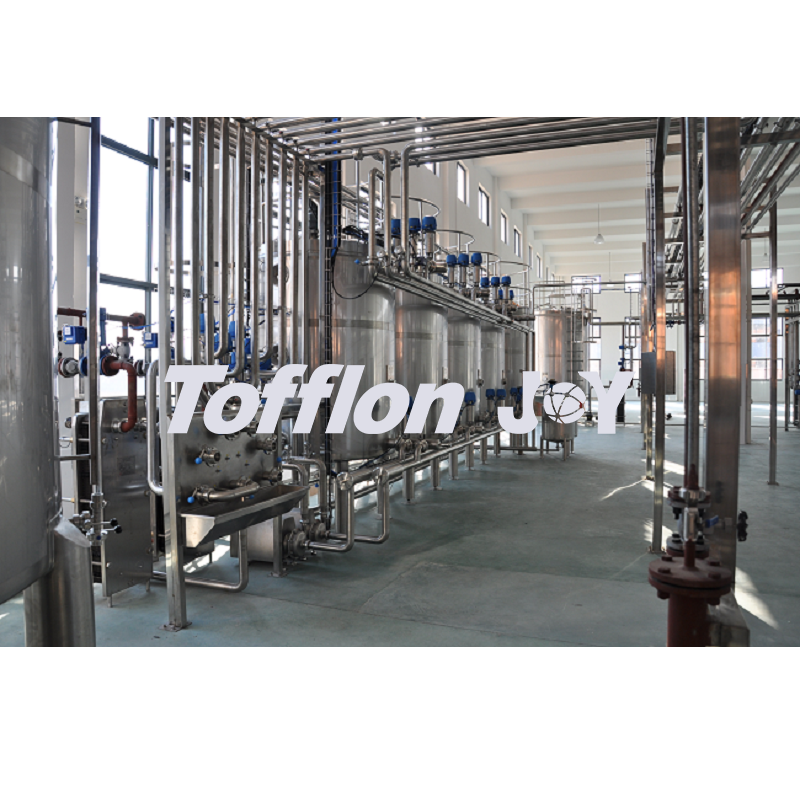
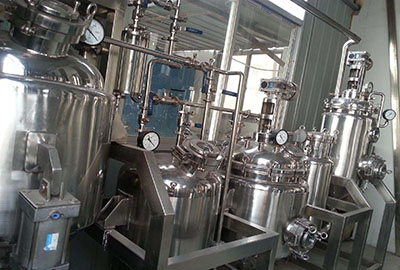
Beverage lines must adhere to strict food safety standards. The industry baseline for product-contact surfaces is SUS304 stainless steel. However, if your beverage is highly acidic (like citrus juices) or if you use aggressive cleaning chemicals, you must specify SUS316L stainless steel for all tanks, valves, and piping to prevent pitting and corrosion.
<Callout type="warning" title="The CIP System is Non-Negotiable"> Do not overlook the Clean-in-Place (CIP) system. Ensure the manufacturer includes automated CIP functionality with dedicated tanks for acid, alkali, and hot water, integrated directly into the central PLC to guarantee repeatable sanitation cycles without manual intervention. </-Callout>
## Mitigating Risk: Factory Vetting and FAT
Machinery suppliers in Asia range from world-class engineering firms to simple assembly workshops that outsource major components. Verifying a supplier’s in-house machining capabilities and quality management systems is essential. Conducting comprehensive [Factory Audits](/sourcing-manufacturing/factory-audits) before placing a deposit ensures the supplier actually possesses the engineering depth to support a complex processing line.
Once the line is built, the Factory Acceptance Test (FAT) is your final defense before shipping. Never authorize shipment without a rigorous FAT using your actual bottles, caps, and labels.
<Checklist title="Critical FAT Inspection Points" items={[ "Run the line at maximum rated BPH for a continuous 60-minute cycle.", "Verify torque consistency on the capping machine (check for overtightening or cross-threading).", "Inspect all pneumatic components and sensors (ensure recognizable brands like SMC or Festo are used).", "Test the CIP cycle to confirm proper flow rates and temperature maintenance.", "Validate the PLC interface and ensure all safety interlocks function correctly." ]} />
Managing this phase remotely is highly risky. Deploying specialized [Quality Control & Inspection](/logistics-operations/quality-control) teams to oversee the FAT on your behalf ensures that any integration issues are resolved while the machinery is still on the factory floor.
## Procurement Realities: Pricing, Lead Times, and Logistics
Purchasing a beverage processing line is a capital expenditure project with extended timelines.
* **Lead Times:** Custom engineering, fabrication, and assembly typically require 90 to 150 days. Peak manufacturing seasons can push this closer to 180 days. * **Pricing Drivers:** Costs scale dramatically based on automation levels, component origins (e.g., specifying Siemens PLCs and SEW motors over domestic equivalents), and the inclusion of upstream equipment like blow-molding machines or water reverse-osmosis (RO) plants. * **Logistics:** A complete line often requires multiple 40ft High Cube containers. Heavy machinery requires specialized lashing, moisture barriers (VCI packaging), and precise container loading plans. Coordinating this requires experienced [Shipping & Freight](/logistics-operations/shipping-freight) management to prevent transit damage and avoid port delays.
<InlineCTA buttonText="Get a sourcing consultation"> Planning a new beverage facility or upgrading an existing line? We can manage the entire procurement cycle, from supplier vetting to final commissioning. </InlineCTA>
## Frequently Asked Questions
<FAQ items={[ { title: "How do overseas manufacturers handle installation and commissioning?", content: "Most reputable manufacturers will dispatch 1-2 engineers to your facility to oversee installation, integrate the systems, and train your operators. The buyer is typically responsible for round-trip airfare, visas, local accommodation, and a daily per-diem rate for the engineers." }, { title: "Can the PLC and HMI interface be localized for my operators?", content: "Yes. Modern HMI (Human-Machine Interface) touchscreens can be programmed in multiple languages. You must specify your required languages (e.g., English, Spanish, French) during the design phase so the factory can load the appropriate translation files before the FAT." }, { title: "What is the standard warranty on beverage processing lines?", content: "The industry standard is a 12-month warranty covering non-wear mechanical and electrical parts, beginning from the date of successful commissioning. It is highly recommended to negotiate a comprehensive 'spare parts package' covering 1-2 years of normal wear items (seals, belts, grippers) to be shipped alongside the main machinery." }, { title: "Can I run multiple bottle sizes on the same processing line?", content: "Yes, but it requires 'change parts' (such as star wheels and neck guides). Changing bottle sizes requires downtime to swap these parts. If you plan to run multiple formats, specify this upfront so the factory can engineer quick-change mechanisms and supply the necessary tooling." } ]} />
Sourcing a beverage processing line is an exercise in risk management and technical alignment. Success depends on rigorous specification, selecting a factory with genuine engineering pedigree, and maintaining strict oversight through production and testing. By treating the procurement process as a comprehensive engineering project rather than a simple transaction, you secure machinery that delivers reliable performance and a rapid return on investment.
Get Sourcing Help for Beverage Processing Lines
Tell us your requirements and our experts will connect you with verified manufacturers.