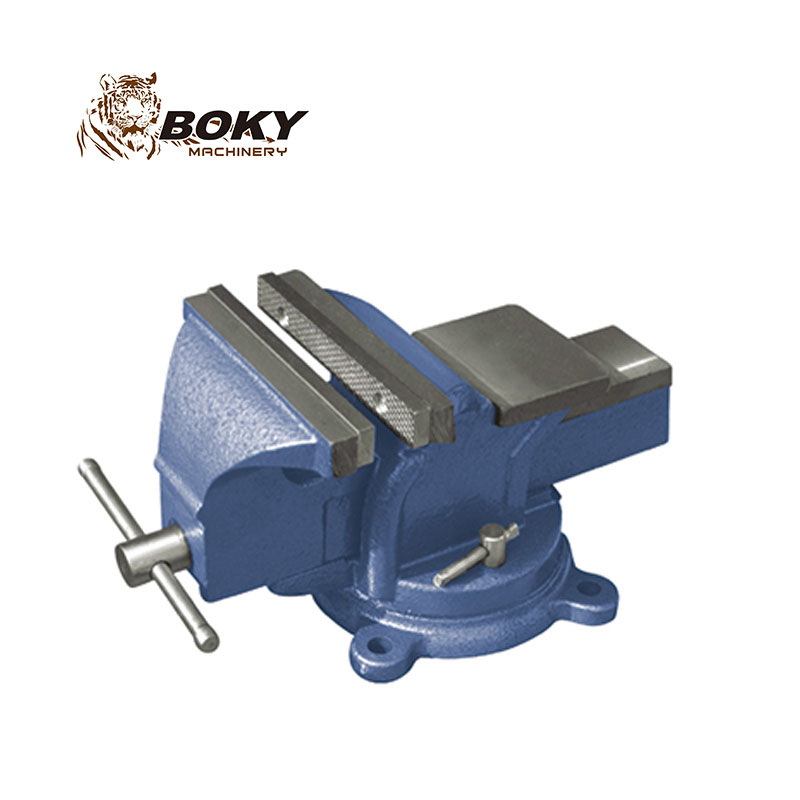
Bench Vises
Source professional-grade bench vises from vetted manufacturers and wholesale suppliers. Built for importers, hardware distributors, and tool brands seeking reliable OEM production, this catalog connects you with factories capable of delivering high-volume orders with consistent clamping force and durability.
Sourcing bench vises at volume requires a careful balance between raw material costs and machining precision. Because these tools are priced largely by weight and material grade, the primary sourcing challenge is ensuring that cost-saving measures at the foundry do not result in casting porosity or poor thread engagement that compromises the tool's structural integrity under heavy clamping loads.
Material Specifications and Casting Quality
The foundation of any industrial or workshop vise is its body casting. Factories primarily use three material categories, each dictating the tool's tensile strength, impact resistance, and wholesale cost. Specifying the exact metallurgical grade in your purchase order is critical; relying on generic terms like "cast iron" leaves you vulnerable to receiving brittle, low-grade scrap metal castings.
| Material Grade | Tensile Strength | Cost Profile | Primary Application |
|---|---|---|---|
| Grey Cast Iron (HT200) | 200 MPa | Low to Medium | Light-duty workshop, DIY retail |
| Ductile Iron (Spheroidal, QT450) | 450 MPa | Medium to High | Heavy-duty industrial, automotive |
| Forged Steel | 600+ MPa | Premium | Extreme impact, professional mechanics |
When assessing a new supplier, it is essential to look beyond the showroom sample. The real test is the factory's foundry control and CNC machining capabilities. Running thorough factory audits helps verify that the manufacturer maintains strict temperature controls during casting and uses automated machining centers for the main screw and jaw alignment, rather than relying on inconsistent manual lathing.
Need help verifying factory capabilities? Our engineers can audit foundries to ensure they meet your material and machining tolerances.
Discuss your sourcing requirementsCritical Quality Control Checkpoints
Defects in bench vises often occur post-casting during the machining and assembly phases. A vise that looks robust can fail immediately if the spindle threads are poorly cut or if the jaws do not align flush.
When establishing your quality control and inspection protocols, mandate that inspectors check these specific failure points before the container is loaded:
Pre-Shipment Inspection Focus Areas
- Casting Integrity: Inspect for blowholes, porosity, or micro-cracks, particularly around the anvil and mounting base.
- Jaw Parallelism: Ensure jaws meet flush across their entire width with zero light visible between them when closed.
- Spindle Backlash: Check for excessive play in the main screw when reversing direction; standard tolerance is under a quarter turn.
- Anvil Hardness: Verify Rockwell hardness (HRC) on the anvil surface if hardened steel is specified in your BOM.
- Finish Quality: Check powder coating or hammered enamel for consistent thickness and adhesion to prevent premature rusting.
Customization and Private Labeling
For brands looking to differentiate their product lines, OEM/ODM services offer significant flexibility. Most established factories can modify standard molds to emboss your brand logo directly into the casting. Other high-value customizations include upgrading the jaw inserts (e.g., adding pipe jaws or specifying hardened, serrated steel), customizing the handle length for better leverage, and applying custom powder-coat RAL colors to match your brand identity.
Pricing, MOQs, and Production Realities
Bench vise pricing is highly sensitive to raw material indices (iron and steel) and shipping freight rates due to the product's high weight-to-value ratio.
When negotiating prices, pay close attention to the net weight of the vise. A common factory tactic to lower the price is to thin out the casting walls or hollow out the base, reducing the overall weight and compromising strength. Always specify the minimum acceptable net weight per unit in your supplier contract.
Struggling with inconsistent pricing or quality from current suppliers? Let us help you benchmark your costs and upgrade your supply chain.
Get a free consultationFrequently Asked Questions
Successfully importing bench vises in bulk comes down to controlling the hidden variables: metallurgical composition, casting weight, and machining precision. By locking down these specifications in airtight purchase agreements and enforcing rigorous on-site inspections, you can secure durable, professional-grade tools that protect your brand's reputation. If you need boots on the ground to manage this process, our team is ready to assist.
Get Sourcing Help for Bench Vises
Tell us your requirements and our experts will connect you with verified manufacturers.