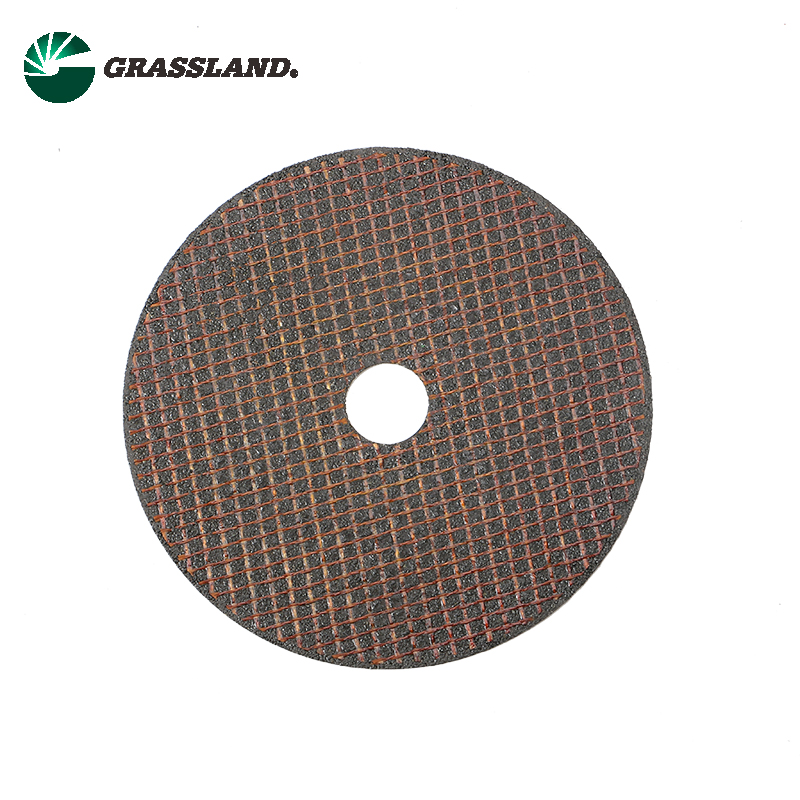
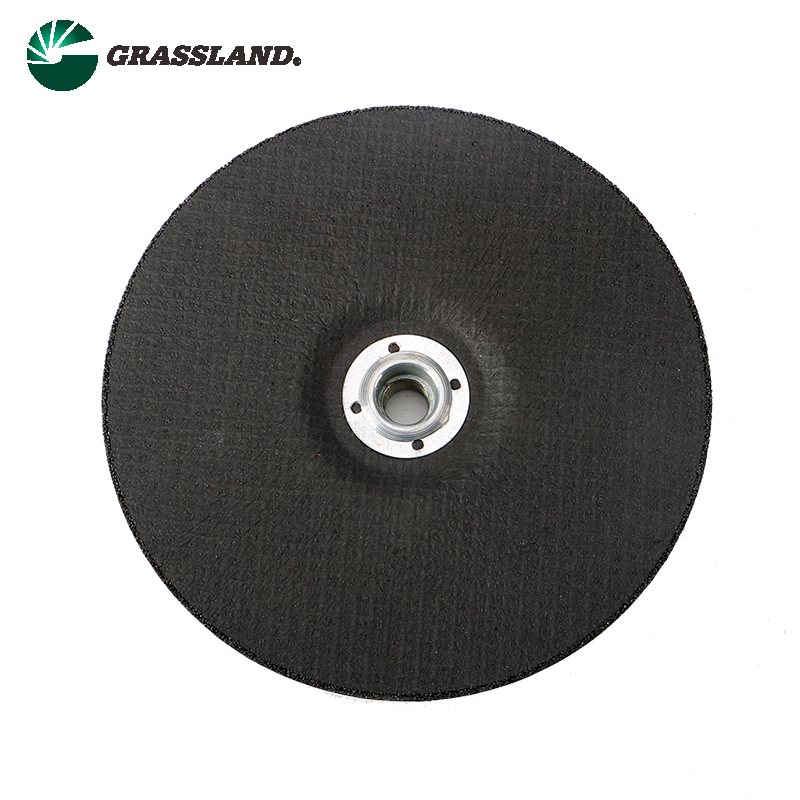
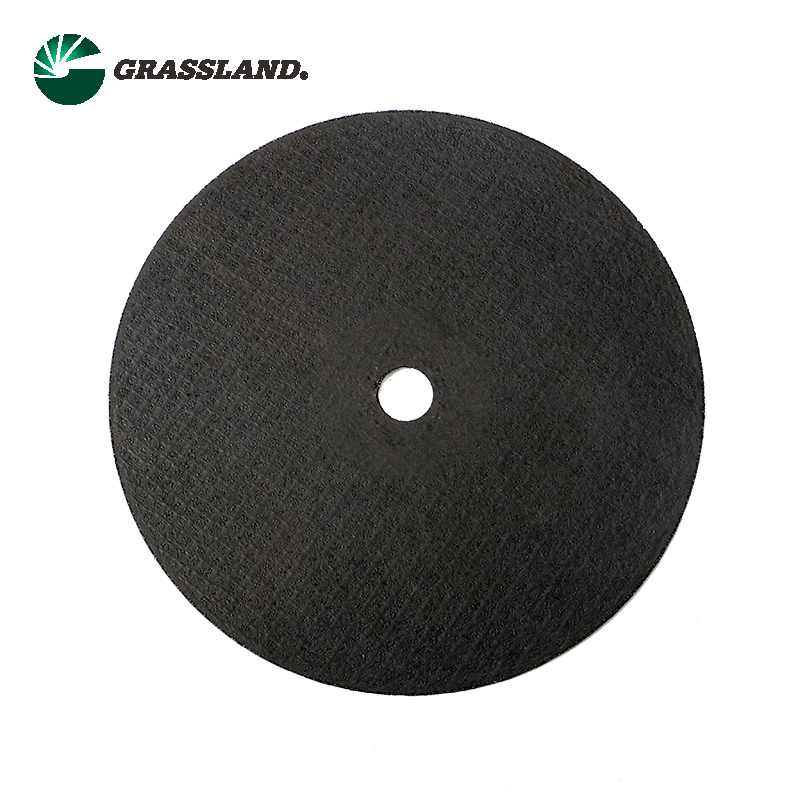
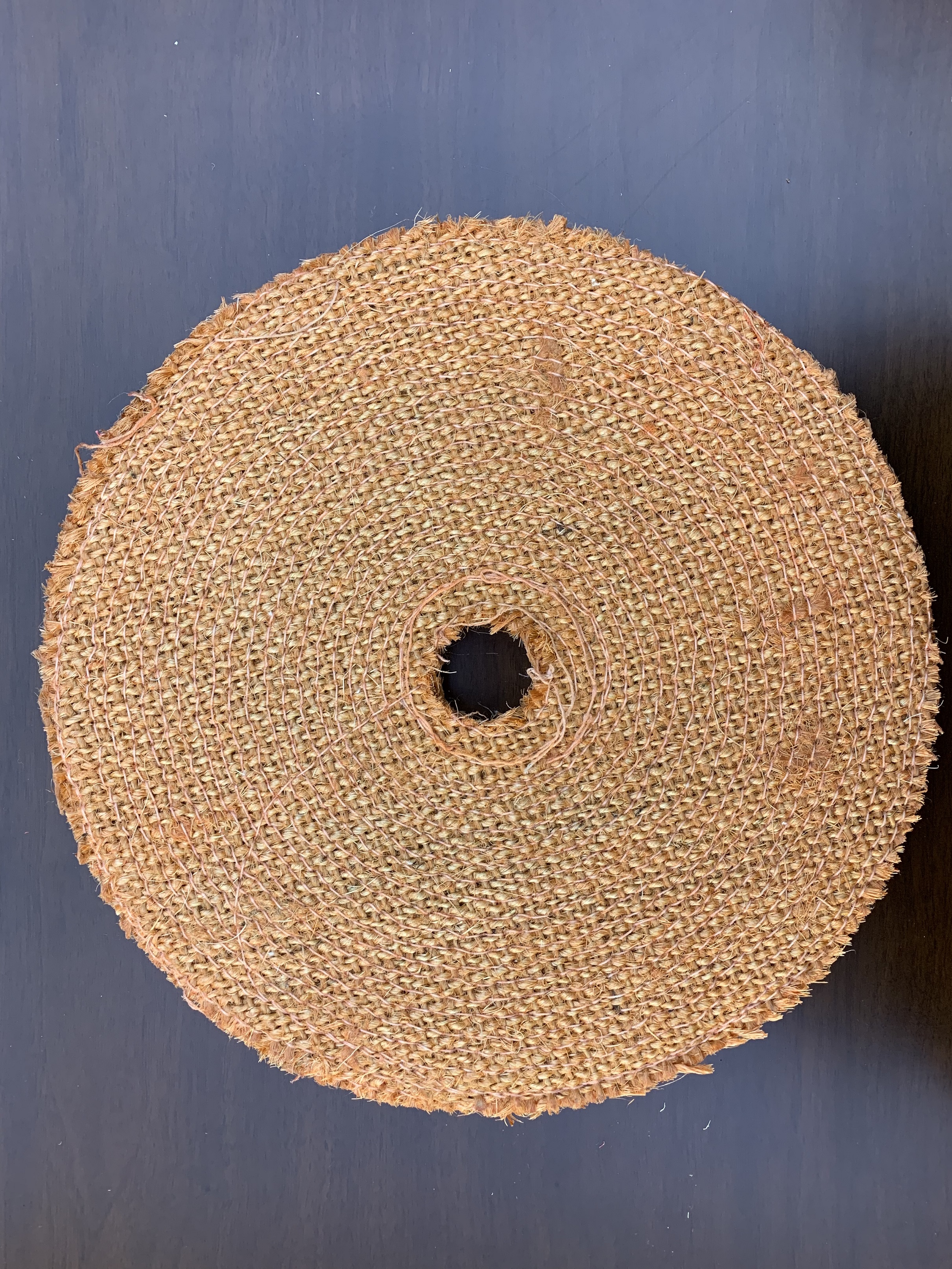
Abrasive tools
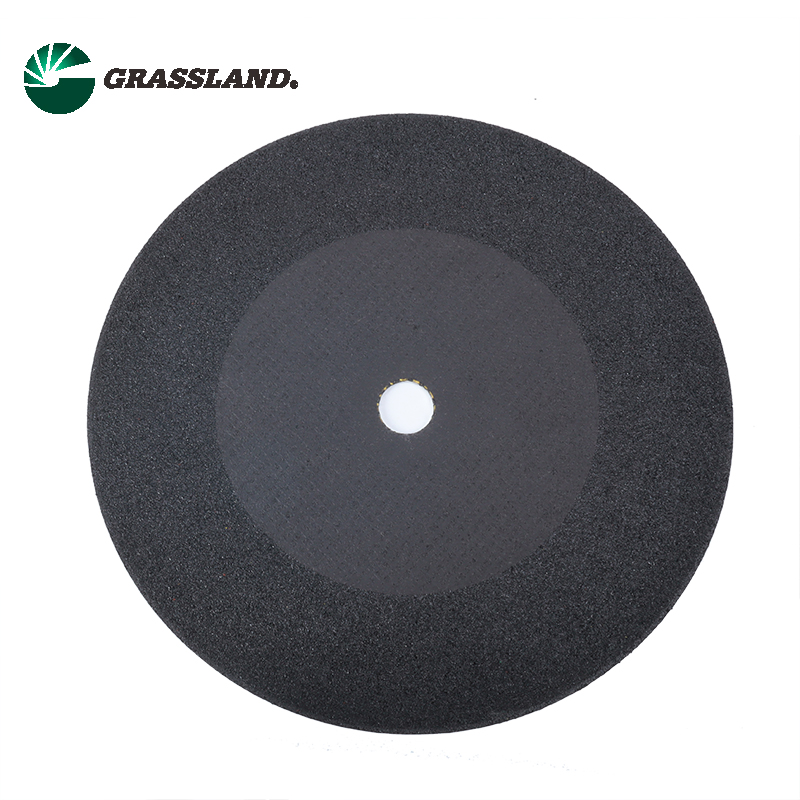
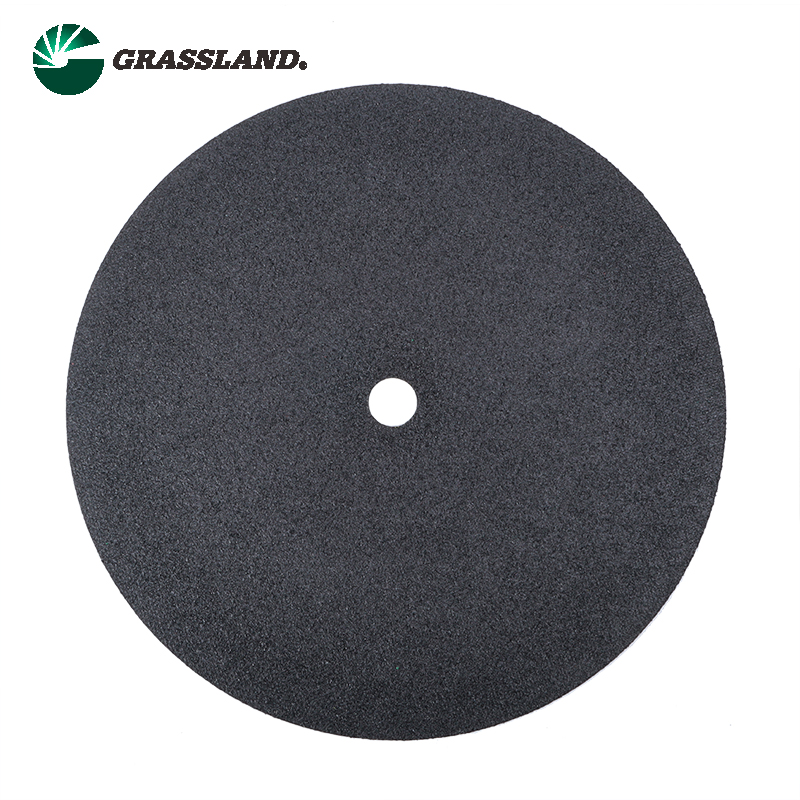
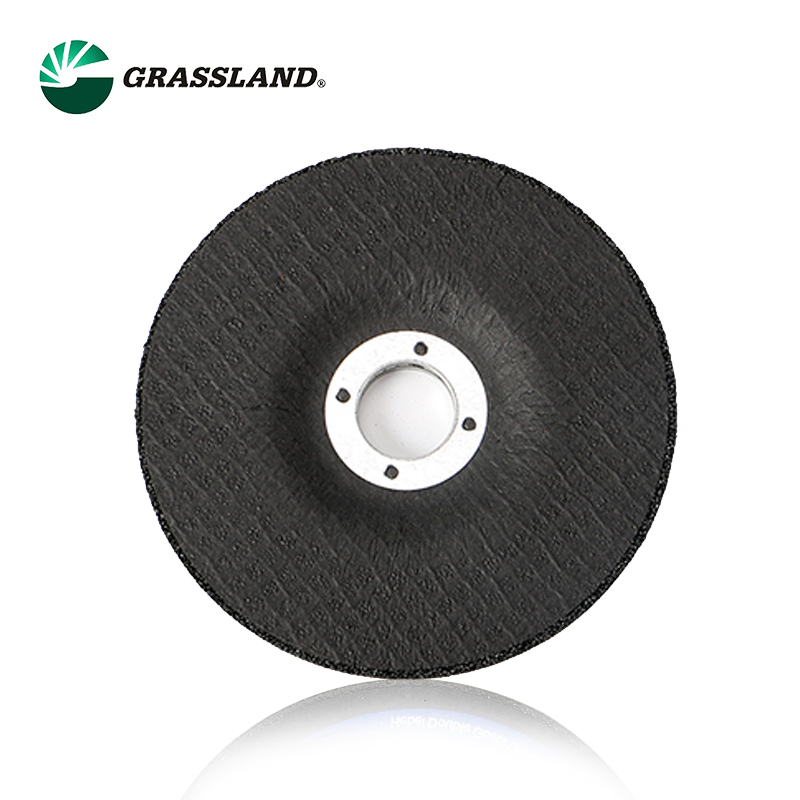
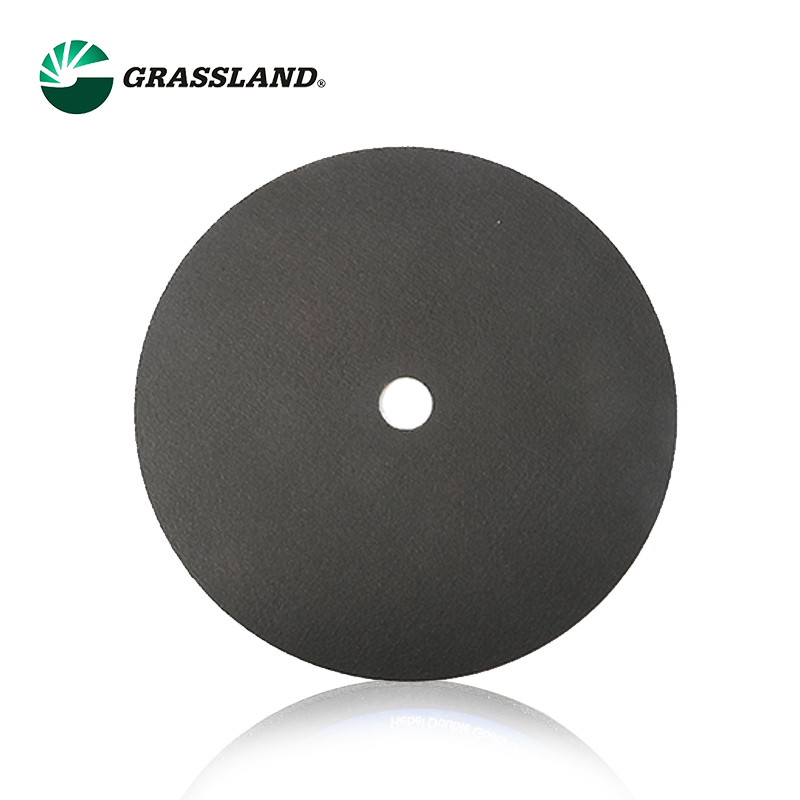
Source industrial-grade abrasive tools from vetted suppliers and manufacturers across Asia. Designed for importers, wholesalers, and tool brands seeking reliable OEM/ODM production, our network delivers consistent performance in bulk. Secure competitive pricing and rigorous quality control for your high-volume procurement needs.
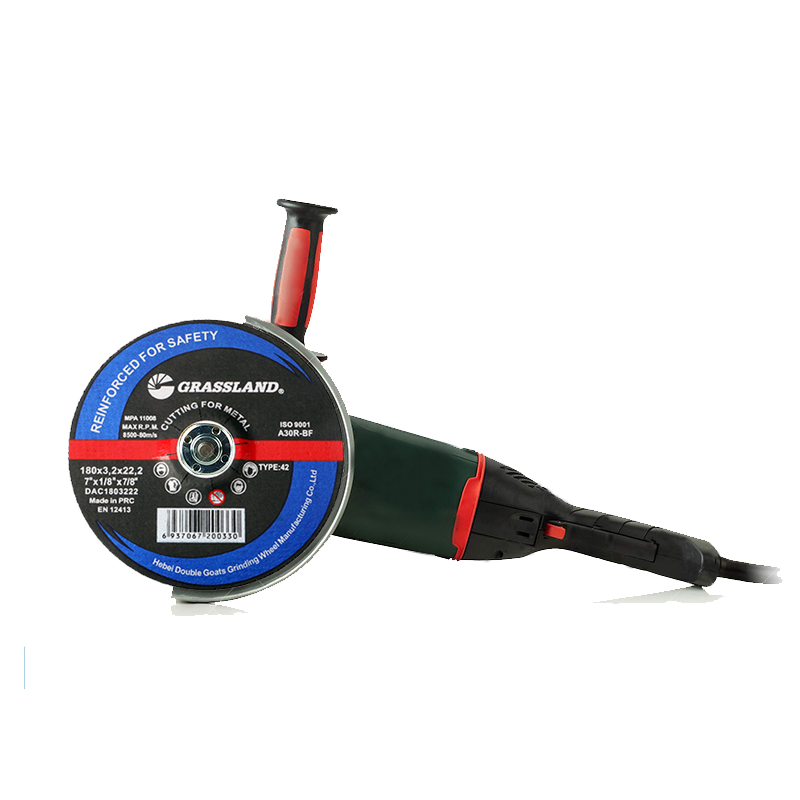
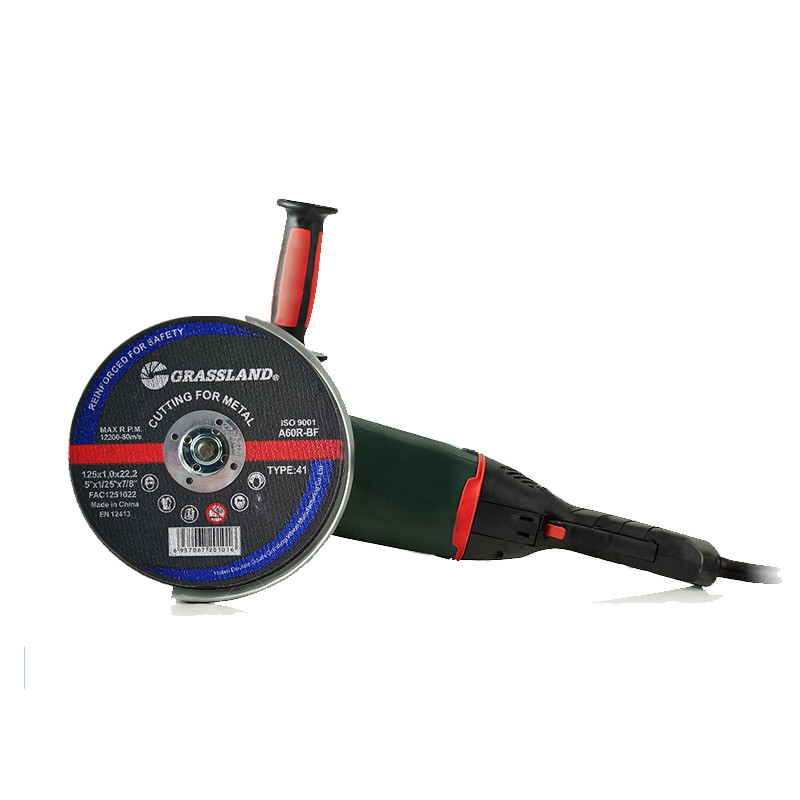
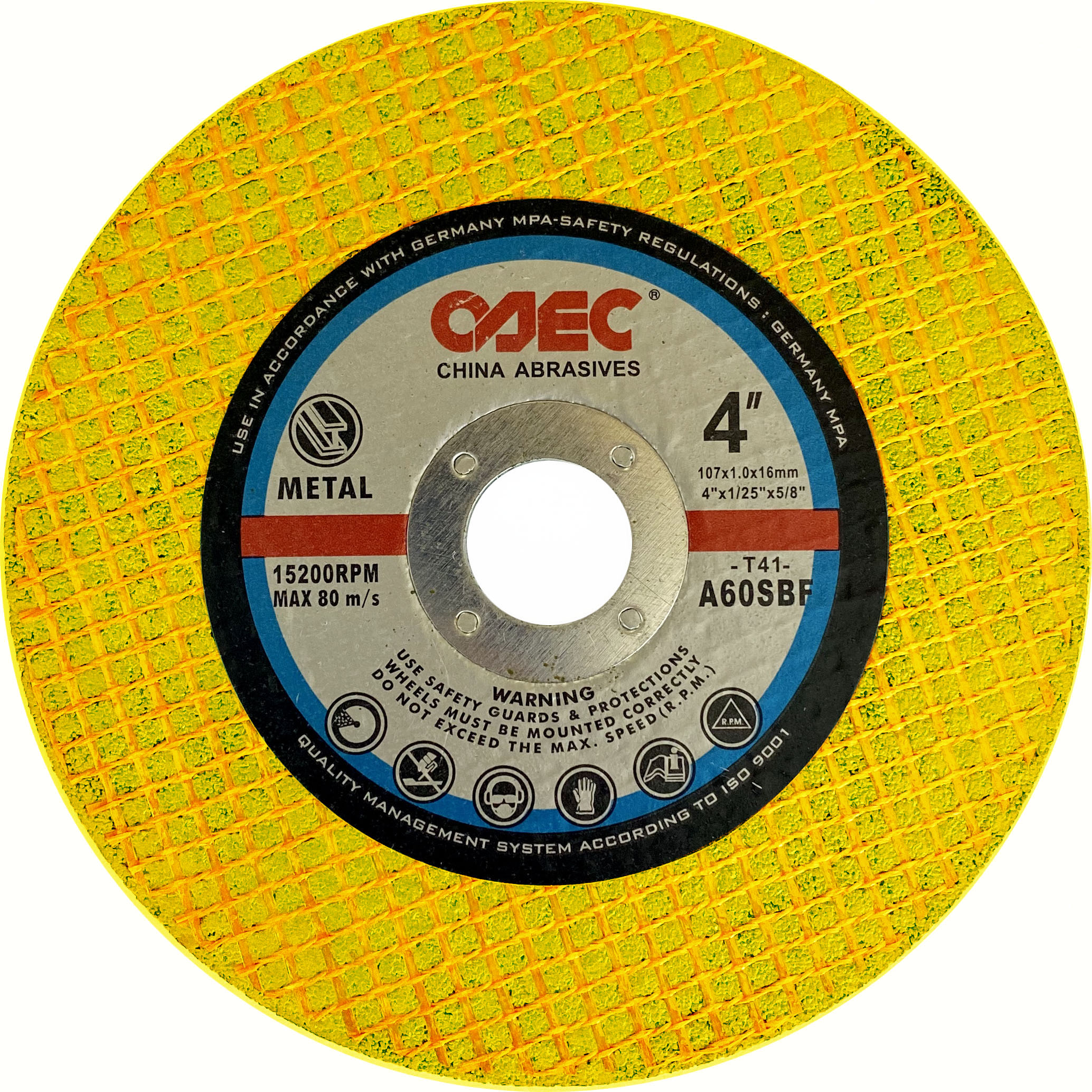
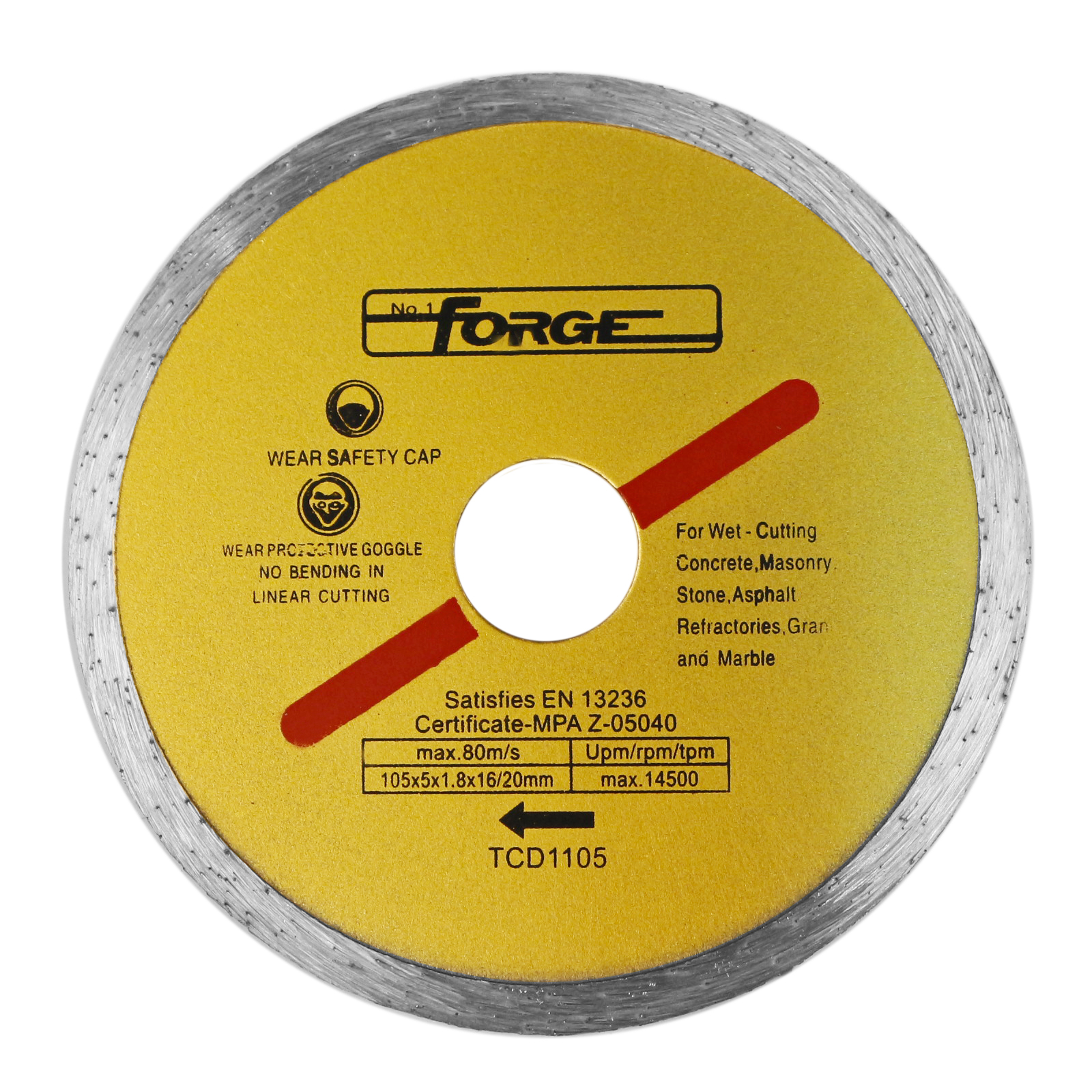
Sourcing abrasive tools at scale requires strict attention to material consistency and safety standards. Whether you are procuring cutting wheels, grinding discs, flap discs, or coated abrasives, the core challenge lies in balancing aggressive material removal rates with structural integrity and operator safety. A minor variation in the bonding agent or curing process on the factory floor can lead to catastrophic wheel failure or rapid wear, making rigorous technical vetting of your manufacturing partners non-negotiable.
Defining Abrasive Specifications
To ensure consistent performance, buyers must clearly define the abrasive grain, bond type, and backing material. Relying on generic supplier descriptions often results in receiving lower-grade grains that glaze over or degrade quickly under industrial use.
| Abrasive Grain | Primary Application | Performance Profile |
|---|---|---|
| Aluminum Oxide (A) | General metalworking, wood, ferrous metals | Baseline cost, standard durability, friable |
| Silicon Carbide (C) | Masonry, non-ferrous metals, glass | High hardness, brittle, sharp cutting edge |
| Zirconia Alumina (Z) | Heavy stock removal, stainless steel | Self-sharpening, high heat resistance, premium cost |
| Ceramic Alumina | Aerospace alloys, high-pressure grinding | Maximum longevity, micro-fracturing structure, highest cost |
Beyond the grain, the bond dictates how the tool performs. Resinoid bonds are standard for fast-cutting wheels, while vitrified bonds offer rigidity for precision grinding. If you are developing private-label lines, utilizing OEM/ODM services allows you to specify exact grain-to-bond ratios tailored to your target market's specific applications.
Need help matching abrasive specifications to your market's performance requirements? Let our engineers source the right factory for your product line.
Talk to our teamManufacturing Variables and Quality Control
The quality of an abrasive tool is won or lost during the mixing and curing stages. Resin-bonded wheels, for example, must be pressed at exact densities and cured in climate-controlled ovens. If a factory rushes the curing cycle to increase throughput, the resin will not cross-link properly, resulting in a brittle wheel that poses severe safety risks.
Conducting thorough factory audits before placing high-volume orders is essential. You must verify that the supplier maintains automated pressing machines for consistent density and uses calibrated curing ovens with automated temperature logging.
Critical Pre-Shipment Inspections
Never ship abrasive tools without rigorous safety and performance testing. Implement a strict quality control & inspection protocol that includes:
Abrasive Tool QC Checklist
- Burst Speed Testing: Destructive testing to ensure the wheel exceeds its maximum rated RPM by at least 1.5x.
- Balance Testing: Checking for uneven weight distribution that causes vibration and tool wear.
- Dimensional Tolerance: Verifying thickness, outer diameter, and arbor hole size against CAD specifications.
- Moisture Content Analysis: Ensuring resinoid wheels have not absorbed excess humidity during curing or storage.
- Cutting/Grinding Performance: Batch testing for material removal rate (G-ratio) and wear rate on standardized metal stock.
Pricing, Lead Times, and MOQs
The cost of abrasive tools is highly sensitive to raw material indices (especially for synthetic grains like Zirconia and Ceramic) and fiberglass mesh reinforcement costs.
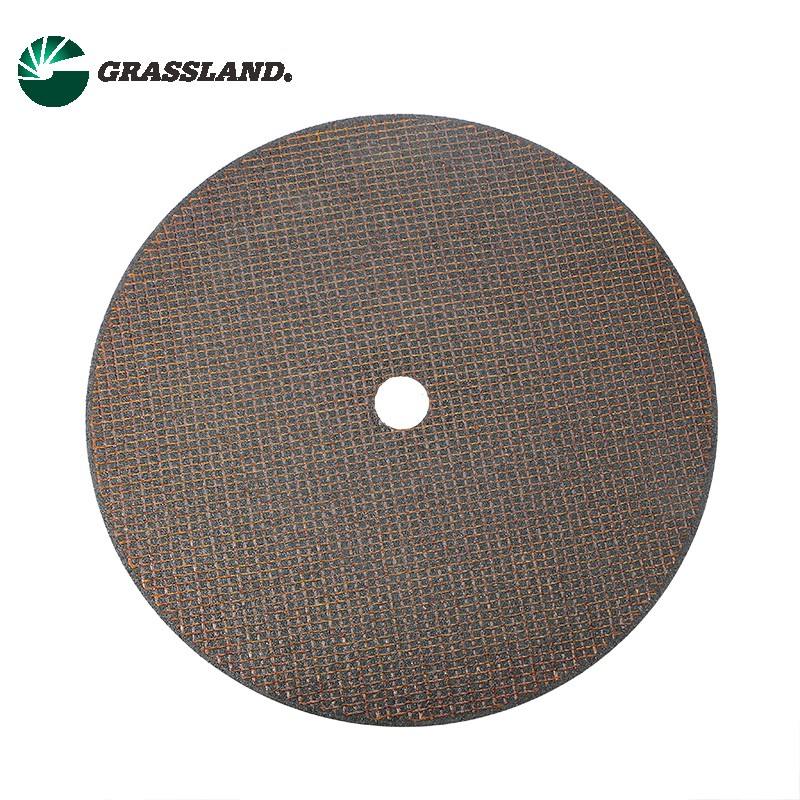
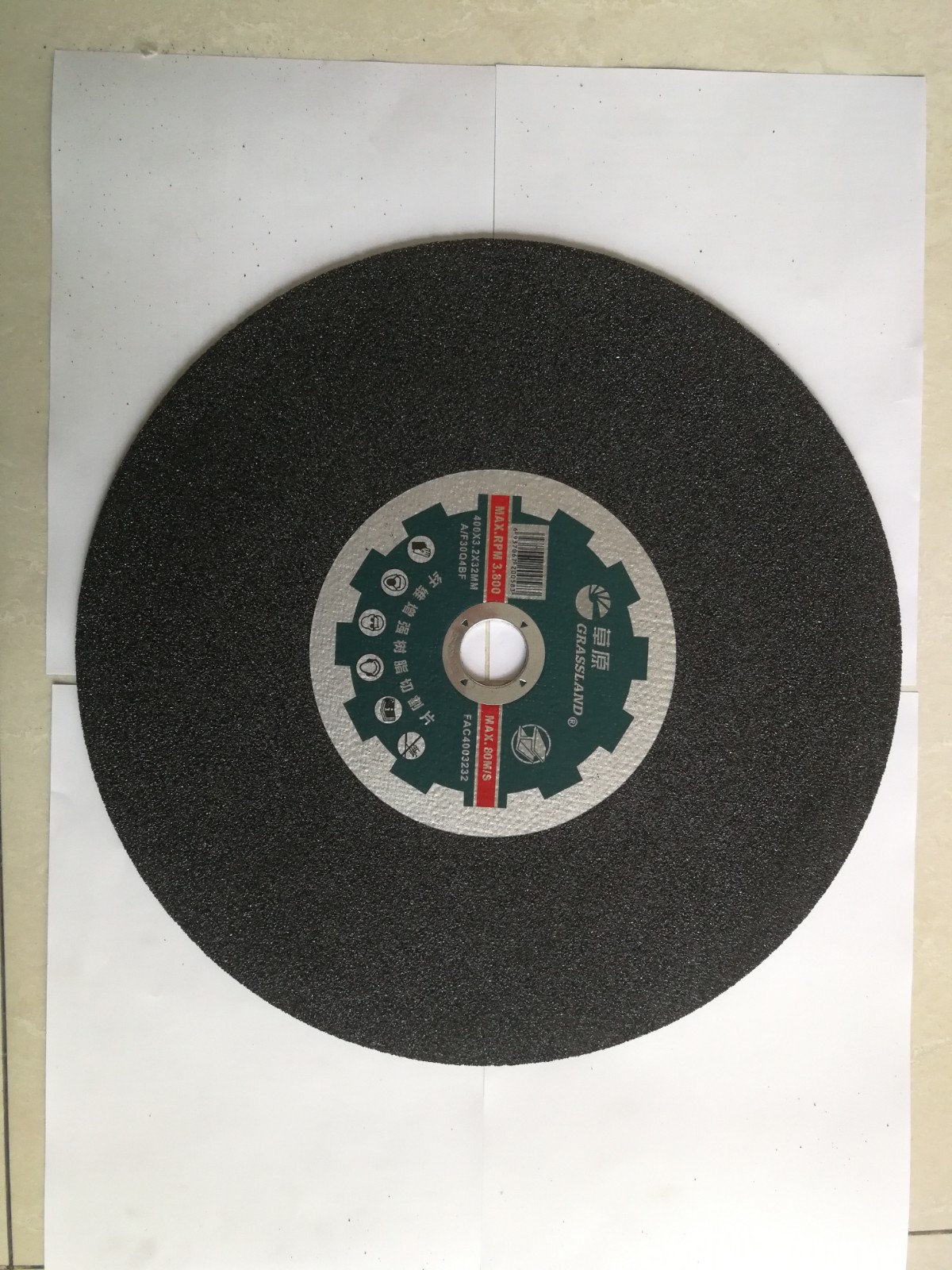
MOQs are generally inflexible because mixing abrasive batches and setting up pressing molds for small runs is highly inefficient for the factory. If you require custom fiberglass reinforcement patterns or branded metal rings (arbor bushings), expect MOQs to start closer to 10,000 pieces per size.
Struggling with high MOQs or inconsistent pricing across your abrasive catalog? We can help consolidate your supply chain.
Get a free consultationFrequently Asked Questions
Procuring abrasive tools in bulk is an exercise in risk management as much as it is in cost reduction. Securing a reliable supply chain requires deep technical oversight, from verifying the raw grain chemistry to enforcing destructive burst-speed testing before the container doors close. Working with experienced sourcing partners ensures your tooling meets industrial demands safely and consistently.
Get Sourcing Help for Abrasive tools
Tell us your requirements and our experts will connect you with verified manufacturers.