From Chaos to Consistency: Managing 5 Apparel Suppliers Successfully
Learn how we helped a fashion brand achieve 95% quality consistency across multiple suppliers and reduce communication overhead by 50%.
Services Provided:
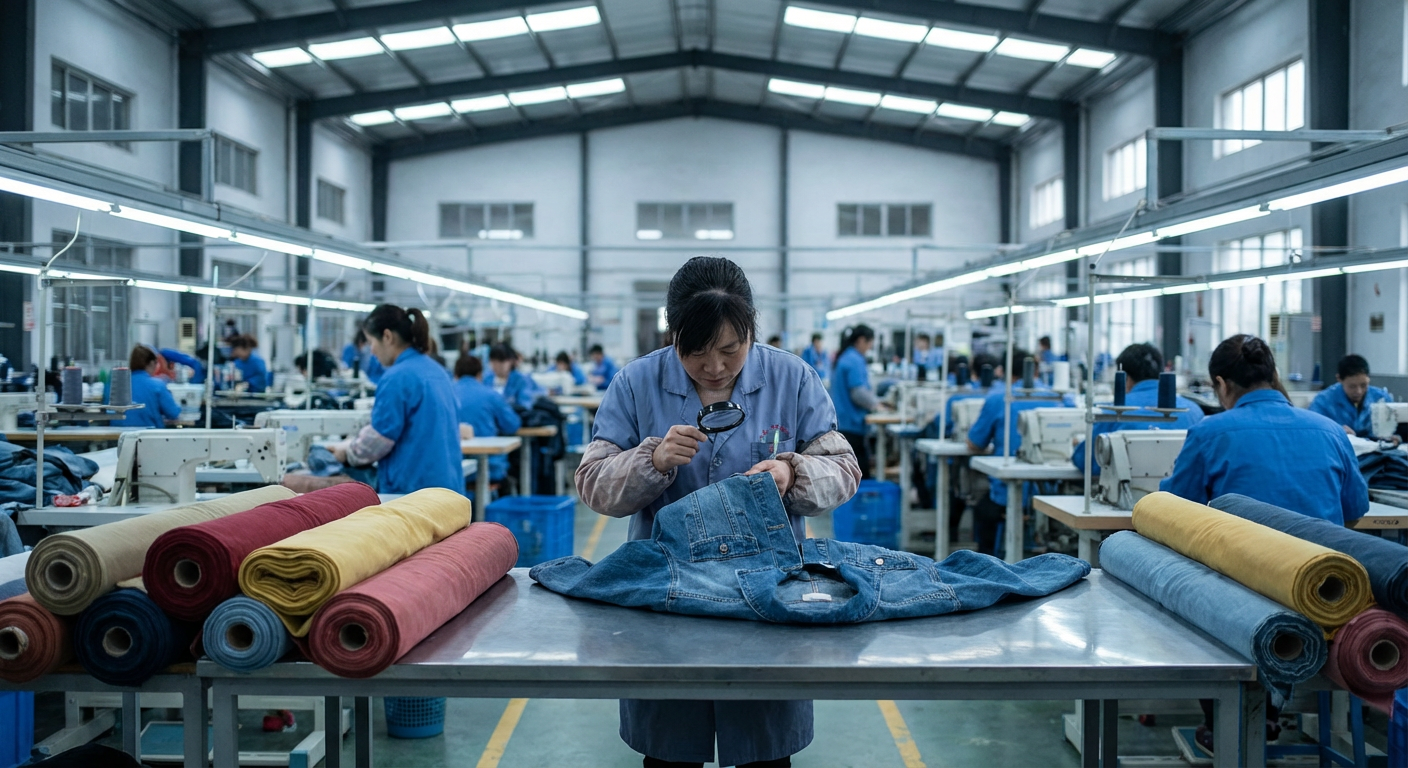
#Client Overview
An Italian sustainable fashion brand specialising in organic cotton and recycled fabric apparel. Founded in 2021, the brand grew from a direct-to-consumer website to stocking in 45 boutiques across Italy and France.
Their product range includes t-shirts, hoodies, dresses, and accessories—each requiring different manufacturing capabilities. To maintain their sustainability ethos while offering diverse products, they worked with five specialized suppliers across India, Bangladesh, and Portugal.
The multi-vendor strategy made sense on paper: each supplier focused on their specialty, enabling them to offer high-quality, ethically-made products. In practice, it was an operational nightmare.
#The Challenge
Managing five suppliers simultaneously created cascading problems that threatened EcoThread's reputation and Sophie's sanity.
Quality Inconsistency Across Suppliers
Each supplier had different interpretations of "acceptable quality":
- Supplier A (T-shirts, India): Excellent fabric quality but inconsistent sizing—size M varied by 3cm across batches
- Supplier B (Hoodies, Bangladesh): Good construction but colour matching issues—"Navy Blue" ranged from dark blue to near-black
- Supplier C (Dresses, India): Beautiful designs but 15% defect rate on stitching and finishing
- Supplier D (Accessories, Portugal): Premium quality but inflexible on modifications
- Supplier E (Activewear, Bangladesh): Fast production but frequent fabric pilling issues
The Impact:
- 12% overall defect rate requiring rework or rejection
- Customer complaints about sizing inconsistency between products
- Boutique buyers questioning quality control
- €18,000 in rejected inventory over 18 months
Communication Chaos
With no standardized communication system:
- Five different WhatsApp chats, email threads, and WeChat conversations
- Each supplier had different response times (6-72 hours)
- No centralized tracking of orders, samples, or issues
- Critical information lost in message threads
- Founder spending 20+ hours/week on supplier communication
The Breaking Point:
A major boutique order (€25,000) required coordinating products from all five suppliers for simultaneous delivery. The coordination nightmare resulted in:
- Three suppliers missing the deadline
- Two products arriving with quality issues
- Emergency air freight costing €2,800
- Boutique threatening to cancel future orders
- Founder working 80-hour weeks for a month
"I was drowning," the founder recalled. "Every day was firefighting—chasing suppliers, managing quality issues, coordinating shipments. I had no time for design or business development. We were growing, but I was burning out."
#The Solution
We implemented a comprehensive vendor management system that standardized quality, communication, and processes across all five suppliers.
#Phase 1: Quality Standards Unification (Weeks 1-3)
Created Comprehensive Tech Packs
For each product category, we developed detailed technical specifications:
- Precise measurements with tolerance ranges (±0.5cm for critical dimensions)
- Pantone colour references with acceptable Delta E values
- Fabric specifications: weight (GSM), composition, stretch percentage
- Construction details: stitch types, seam allowances, finishing requirements
- Packaging and labeling standards
- Photo references for acceptable vs. unacceptable quality
Established AQL Standards
Implemented Acceptable Quality Limits (AQL 2.5) for all suppliers:
- Critical defects (unwearable): 0% tolerance
- Major defects (affects appearance/function): 2.5% tolerance
- Minor defects (cosmetic): 4% tolerance
Supplier Training Sessions
Conducted video training with each supplier's QC team:
- Reviewed tech packs and quality standards
- Demonstrated measurement techniques
- Clarified acceptance criteria with photo examples
- Established inspection protocols
#Phase 2: Communication Protocol Implementation (Weeks 4-5)
Centralized Communication Platform
Implemented a shared project management system (Asana):
- All supplier communication in one platform
- Order tracking with status updates
- Document repository for tech packs, samples, approvals
- Automated reminders for key milestones
- Mobile access for real-time updates
Standardized Communication Schedule
Established predictable communication rhythm:
- Weekly status calls (30 minutes per supplier)
- Daily order status updates via platform
- 24-hour response time requirement for queries
- Monthly business review meetings
- Emergency escalation protocol for urgent issues
Documentation Standards
Required structured updates including:
- Production progress percentage
- Quality inspection results
- Material procurement status
- Anticipated delivery dates
- Issues requiring decisions
#Phase 3: Quality Control System (Weeks 6-8)
Three-Stage Inspection Process
Stage 1: Pre-Production Sample
- Supplier submits sample before bulk production
- EcoThread approves fit, colour, construction
- Prevents bulk production of incorrect products
Stage 2: During-Production Inspection
- Third-party inspection at 50% completion
- Catches issues early for correction
- Verifies adherence to tech pack specifications
Stage 3: Pre-Shipment Inspection
- Final inspection before shipping
- Random sampling per AQL 2.5 standards
- Detailed photo report with measurements
- Pass/fail decision with corrective action if needed
Supplier Scorecard System
Monthly performance tracking across metrics:
- Quality: defect rates, inspection pass rates
- Delivery: on-time delivery percentage
- Communication: response time, proactive updates
- Flexibility: accommodation of changes, problem-solving
Quarterly reviews with each supplier to discuss performance and improvement areas.
#Phase 4: Process Optimization (Weeks 9-12)
Consolidated Shipping
Coordinated production timing to enable:
- Single consolidated shipment from each region
- Reduced freight costs by 30%
- Simplified customs clearance
- Predictable delivery schedules
Proactive Issue Resolution
Established early warning system:
- Suppliers flag potential delays 2+ weeks in advance
- Material procurement tracked 4 weeks before production
- Alternative solutions developed before crises emerge
- Reduced emergency air freight by 90%
#The Results
Twelve months after implementing the vendor management system, the client achieved remarkable operational improvements:
| Metric | Before | After | Improvement |
|---|---|---|---|
| Quality Consistency | 60% | 95% | +58% |
| Average Response Time | 48 hours | 24 hours | 50% faster |
| Defect Rate | 12% | 2.5% | 79% reduction |
| Founder's Weekly Hours on Suppliers | 20 hours | 8 hours | 60% time savings |
| Rejected Inventory | €18K/18mo | €3K/18mo | 83% reduction |
#Operational Transformation
Quality Improvements:
- Sizing consistency within ±0.5cm across all batches
- Colour matching within Delta E 2.0 (imperceptible to human eye)
- Defect rate below industry average (apparel average: 5-8%)
- Zero customer complaints about quality in 9 months
Communication Efficiency:
- All supplier communication in one platform
- 24-hour response time consistently met
- Proactive issue flagging before they become crises
- 60% reduction in time spent on supplier management
Business Growth:
- Boutique buyers confident in quality consistency
- Able to accept larger orders without operational stress
- Founder freed to focus on design and business development
- Revenue grew 45% year-over-year
#Client Testimonial
"The transformation was life-changing. We went from chaos to systematic operations in three months. The quality consistency means our customers get the same great product whether they buy a t-shirt or a dress. More importantly, I got my life back—I'm designing again instead of firefighting supplier issues. The vendor management system scaled with us as we've grown, and our suppliers actually appreciate the clear communication and standards."
— Founder & Creative Director, Italian Sustainable Fashion Brand
#Ongoing Partnership
We continue to provide quarterly supplier performance reviews and support onboarding new suppliers as the brand expands their product range. The vendor management framework has enabled them to add two new suppliers without increasing operational complexity.
#Key Takeaways
#1. Multi-Vendor Success Requires Systematic Management
Working with multiple suppliers offers flexibility and specialization, but only succeeds with standardized processes. Without unified quality standards, communication protocols, and tracking systems, complexity scales exponentially with each additional supplier.
#2. Tech Packs Are Non-Negotiable for Apparel
Verbal descriptions and reference samples are insufficient for consistent apparel manufacturing. Detailed tech packs with precise measurements, Pantone colours, and photo references eliminate ambiguity and enable objective quality assessment.
#3. Quality Consistency Requires Three-Stage Inspection
Pre-production samples, during-production inspections, and pre-shipment inspections catch issues at different stages. This three-stage approach prevents bulk production of incorrect products and catches defects before shipping.
#4. Supplier Scorecards Drive Continuous Improvement
Monthly performance tracking with quarterly reviews creates accountability and enables data-driven conversations about improvement. Suppliers respond positively to objective feedback tied to specific metrics.
#5. Centralized Communication Platforms Save Massive Time
Consolidating supplier communication from scattered WhatsApp/email threads into a single platform with structured updates reduces communication time by 50-60% while improving information accessibility and accountability.
Struggling with Multi-Vendor Management?
Get a free consultation to discuss how systematic vendor management can improve quality consistency and reduce operational chaos.
Book Free Consultation| Metric | Before Factory Directory | After Factory Directory | Impact |
|---|---|---|---|
| Quality Consistency | 60% | 95% | |
| Average Response Time | 48 hours | 24 hours | |
| Defect Rate | 12% | 2.5% | |
| Supplier Communication | Chaotic | Systematic |
Ready to Transform Your Supply Chain?
Get a free consultation to discuss how our sourcing, quality control, and logistics services can help you achieve similar results.
Book Free ConsultationRelated Case Studies
Discover more success stories from similar industries

How TechStart Reduced Defects by 96% and Launched on Amazon
See how we helped a London electronics startup reduce defect rates from 22% to 0.8% and successfully launch on Amazon with a 4.7-star rating.

45-Day Lead Time Reduction: End-to-End Supply Chain Integration
Discover how we helped an industrial importer achieve 45-day lead time reduction and 30% cost savings through integrated supply chain management.