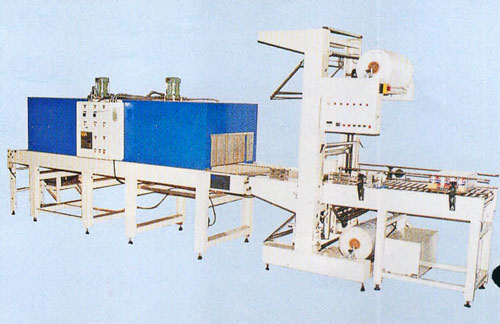
Wrapping Machines
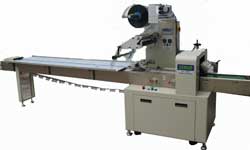
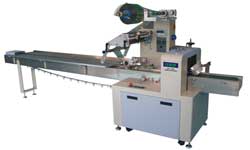
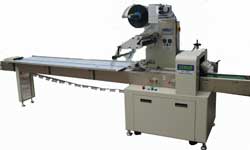
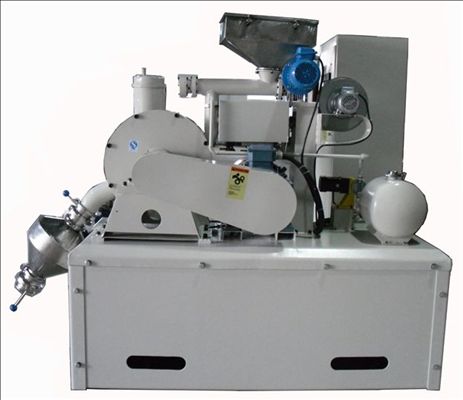
Source industrial Wrapping Machines from vetted manufacturers and wholesale suppliers across Asia. Designed for procurement managers, distributors, and brands seeking reliable OEM production in bulk. Secure competitive pricing, strict quality control, and seamless logistics for your high-volume packaging machinery imports.
Sourcing industrial wrapping machines requires balancing mechanical reliability with electrical compliance. Whether you are procuring end-of-line stretch wrappers for logistics hubs or automated flow wrappers for food packaging, the core challenge remains the same: ensuring the manufacturer uses high-grade programmable logic controllers (PLCs) and continuous-duty motors rather than substituting inferior domestic components that fail under 24/7 operation.
Key Specifications and Component Selection
When negotiating with overseas manufacturers, vague specifications lead to compromised builds. Chinese manufacturers often offer a "standard" domestic build and an "export" build. You must explicitly define the critical components to ensure longevity and compatibility with your target market's power grids and safety standards.
| System Component | Standard Domestic Build | Premium Export Build |
|---|---|---|
| PLC & Inverters | Local/Generic brands | Siemens, Mitsubishi, Omron, or Delta |
| Frame Construction | Painted carbon steel (thin gauge) | Heavy-duty carbon steel or SUS304 Stainless |
| Film Carriage | Mechanical brake (no pre-stretch) | Powered pre-stretch (up to 300% ratio) |
| Sensors & Photoeyes | Standard optical | Sick, Autonics, or Keyence (dark/clear load capable) |
Defining the Pre-Stretch Requirement
For pallet wrapping equipment, the film carriage is the most critical assembly. A motorized pre-stretch carriage can stretch the film by 250 percent to 300 percent before it is applied to the load, significantly reducing consumable costs for the end-user. If you are sourcing for a market where efficiency is paramount, specify dual-motor pre-stretch systems and ensure the factory has the engineering capability to calibrate the tension controllers accurately.
Need help verifying a manufacturer's engineering capabilities and component supply chain?
Talk to our teamManufacturing Quality and Common Defects
The difference between a machine that lasts ten years and one that vibrates itself apart in six months is won or lost on the factory floor. Many assembly plants do not manufacture the structural frames in-house, relying instead on sub-tier suppliers for metal fabrication.
Watch for Structural Vibrations
During factory acceptance testing (FAT), operate the wrapping machine at maximum turntable speed or maximum throughput. Excessive vibration often indicates poorly machined turntable bearings, misaligned masts, or inadequate frame rigidity.
To mitigate these risks, implementing strict Quality Control & Inspection protocols before shipment is non-negotiable.
Critical Inspection Points for Wrapping Machines
- Verify all PLCs, inverters, and touchscreens match the specified brand and model numbers.
- Check the mast and frame welding for continuous seams; reject spot-welded load-bearing joints.
- Test emergency stop (E-stop) circuits and safety bumpers for immediate mechanical halting.
- Measure the actual pre-stretch ratio against the specified performance rating.
- Ensure electrical cabinets are properly sealed (IP54 or higher) and wiring is neatly trunked and labeled in English.
OEM Customization and Line Integration
For brands distributing machinery under their own name, OEM/ODM Services offer the ability to customize the equipment. This goes beyond changing the paint color. True OEM integration involves modifying the machine's software to interface with upstream conveyors, adjusting turntable heights for specific pallet jacks, or upgrading the HMI (Human-Machine Interface) to support multiple languages and custom branding.
Ensure your supplier has an in-house software engineering team capable of modifying PLC code. If they outsource their programming, future troubleshooting or custom feature requests will be severely delayed.
Typical MOQs, Lead Times, and Pricing Drivers
Because wrapping machines are capital equipment, the sourcing mechanics differ significantly from consumer goods.
Pricing is highly elastic based on the bill of materials (BOM). A standard semi-automatic turntable wrapper might cost a fraction of a fully automated rotary arm wrapper. When comparing quotes, always demand an itemized BOM. A quote that is 30 percent cheaper usually means the supplier has downgraded the steel thickness, used a mechanical brake instead of a powered carriage, or installed uncertified electronics.
Furthermore, shipping heavy, oversized machinery requires specialized packing. Ensure your supplier quotes for heavy-duty, fumigated wooden crating suitable for ocean freight. Coordinating Shipping & Freight for out-of-gauge equipment often requires flat rack containers or specialized consolidation.
Struggling to get transparent pricing and reliable lead times from machinery suppliers?
Get a free consultationFrequently Asked Questions
Successful procurement of wrapping machines is about total cost of ownership, not just the FOB price. A machine built with standard, easily sourced components and a robust structural frame will drastically reduce maintenance downtime and protect your brand's reputation in the market. Focus your sourcing efforts on factories with proven engineering capabilities and transparent supply chains.
Get Sourcing Help for Wrapping Machines
Tell us your requirements and our experts will connect you with verified manufacturers.