Workwear
Source durable, compliant workwear directly from vetted manufacturers and wholesale suppliers. Designed for importers, distributors, and procurement managers seeking reliable OEM and private-label production, our network delivers bulk industrial apparel built to exacting safety and performance standards.
Sourcing workwear at scale requires balancing strict unit economics with non-negotiable durability and safety requirements. Whether you are outfitting industrial fleets, supplying trade distributors, or building a private-label brand, success depends on locking down fabric specifications, reinforcing construction methods, and maintaining rigorous factory-level oversight.
Defining Core Fabric and Construction Specs
The foundation of any industrial garment is its fabric weight, composition, and finishing. Standard corporate wear might survive with basic specifications, but heavy-duty workwear demands exact tolerances. You must specify fabric weight in GSM (grams per square meter) and dictate acceptable shrinkage rates (typically under 3 percent) before production begins.
When utilizing OEM/ODM Services to develop custom workwear lines, your tech pack must explicitly detail the following construction elements:
- Stitching: Specify triple-needle stitching on high-stress seams (inseams, outseams, and yokes) using heavy-duty polyester core thread.
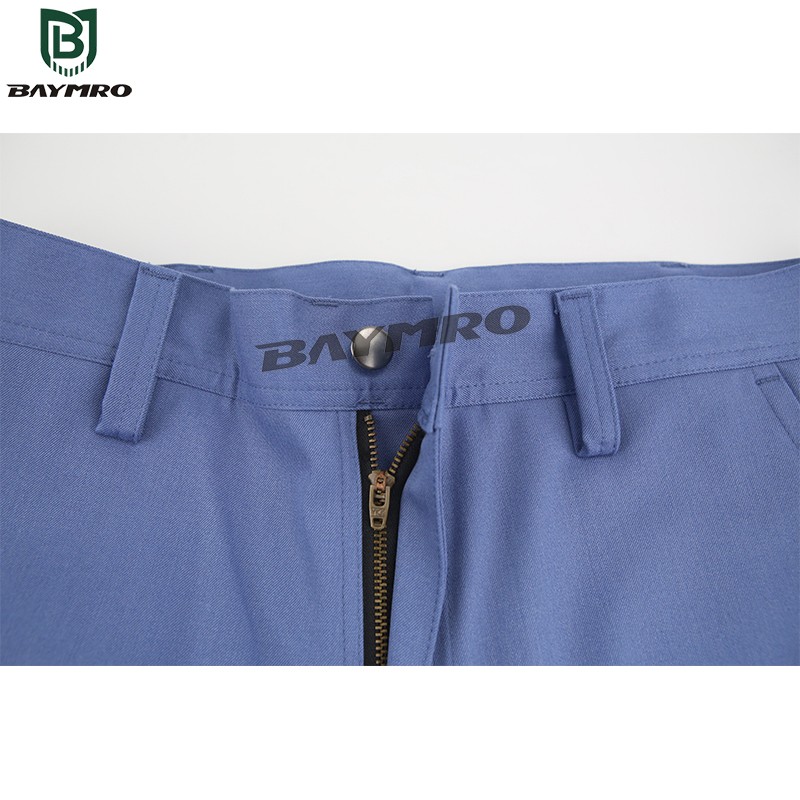
- Reinforcements: Mandate bar-tacking at all stress points, including pocket corners, belt loops, and fly bases.
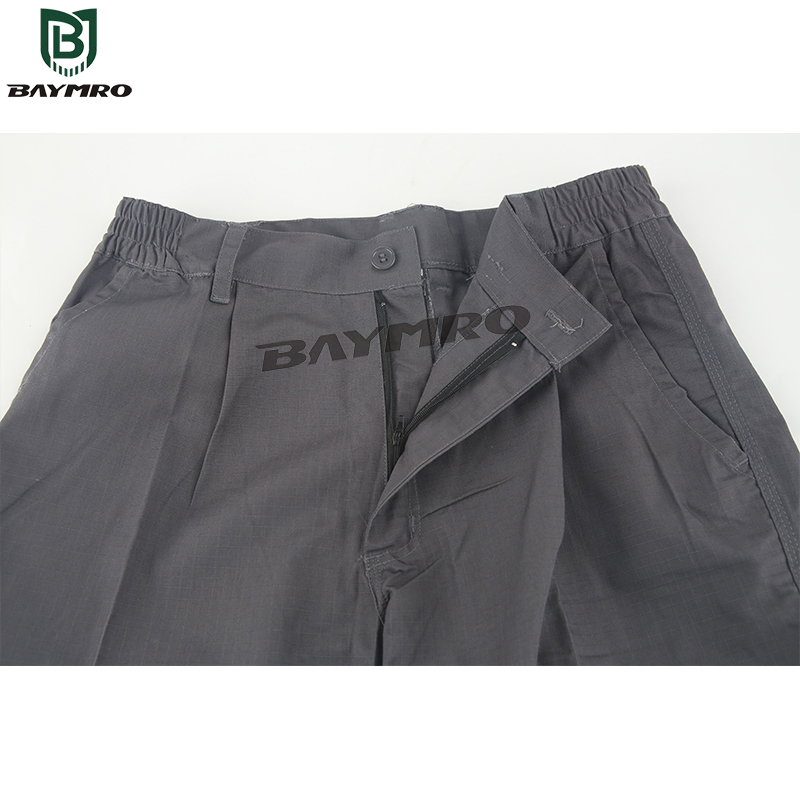
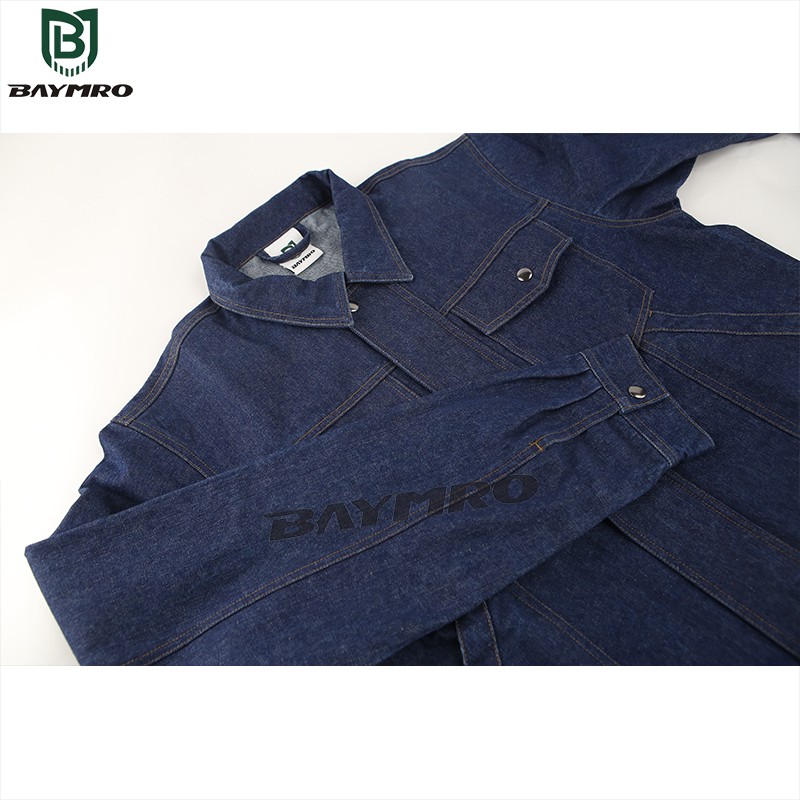
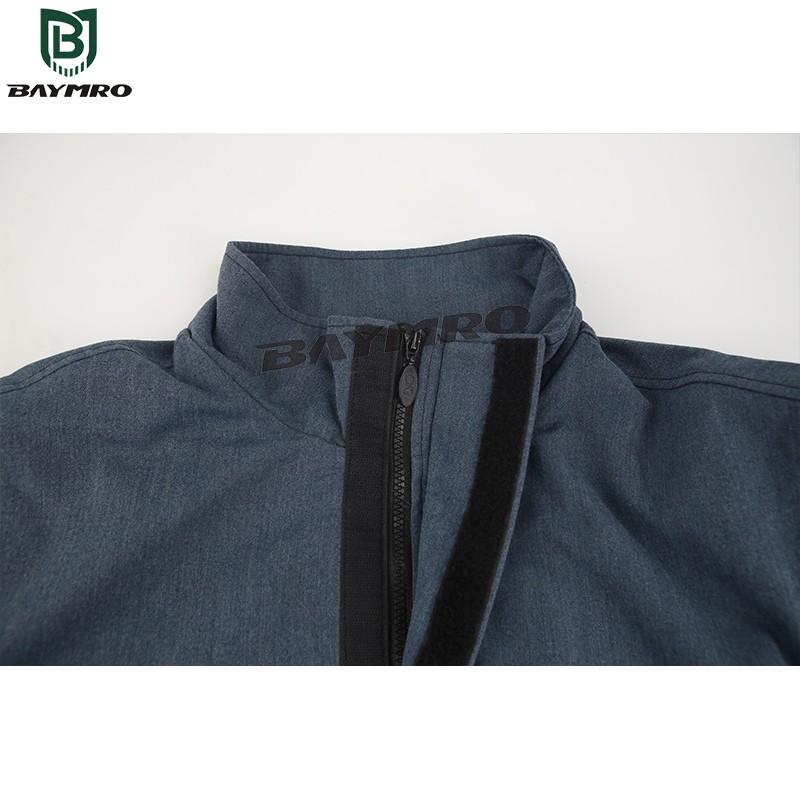
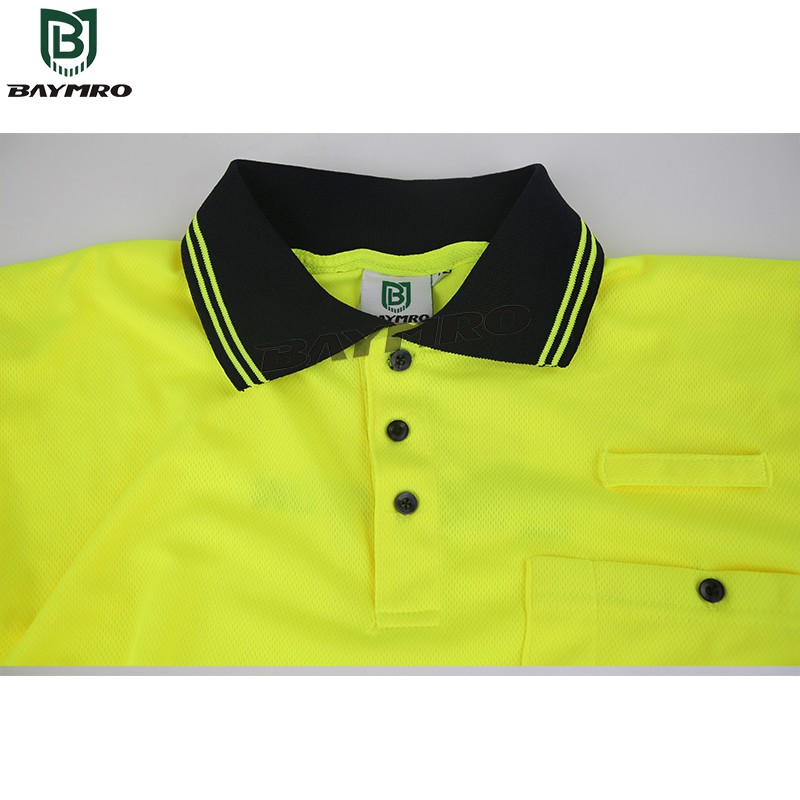
- Hardware: Specify exact zipper brands (like YKK or SBS brass zippers) and heavy-duty snap closures. Generic factory-default hardware is the leading cause of premature garment failure.
| Fabric Type | Typical Composition | Best Application | Key Challenge |
|---|---|---|---|
| Polyester-Cotton Blend | 65% Poly / 35% Cotton | General industrial, uniforms | Pilling if low-quality yarn is used |
| 100% Cotton Canvas | 100% Cotton (280-350 GSM) | Welding, heavy construction | Managing shrinkage during washing |
| Inherent FR Fabric | Modacrylic / Aramid blends | Oil & Gas, electrical utilities | High raw material cost and strict testing |
Need help standardizing your workwear tech packs and finding factories capable of executing them? We can manage the sourcing and development process.
Talk to our teamQuality Control and Compliance Standards
Workwear factories often excel at cutting and sewing but can struggle with consistent fabric dyeing and treatment applications. Colorfastness is a major issue; garments must withstand heavy industrial laundering without fading or bleeding.
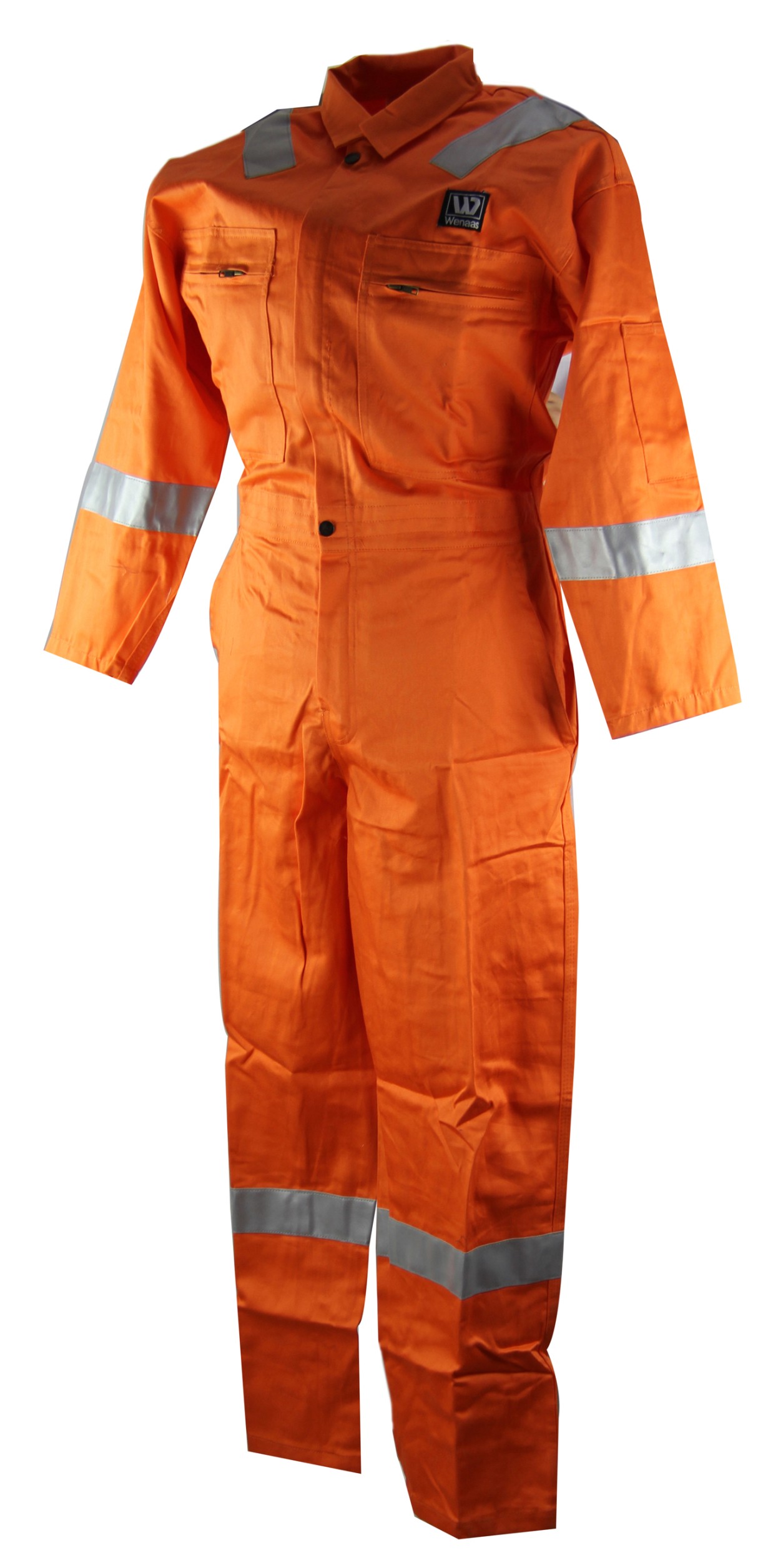
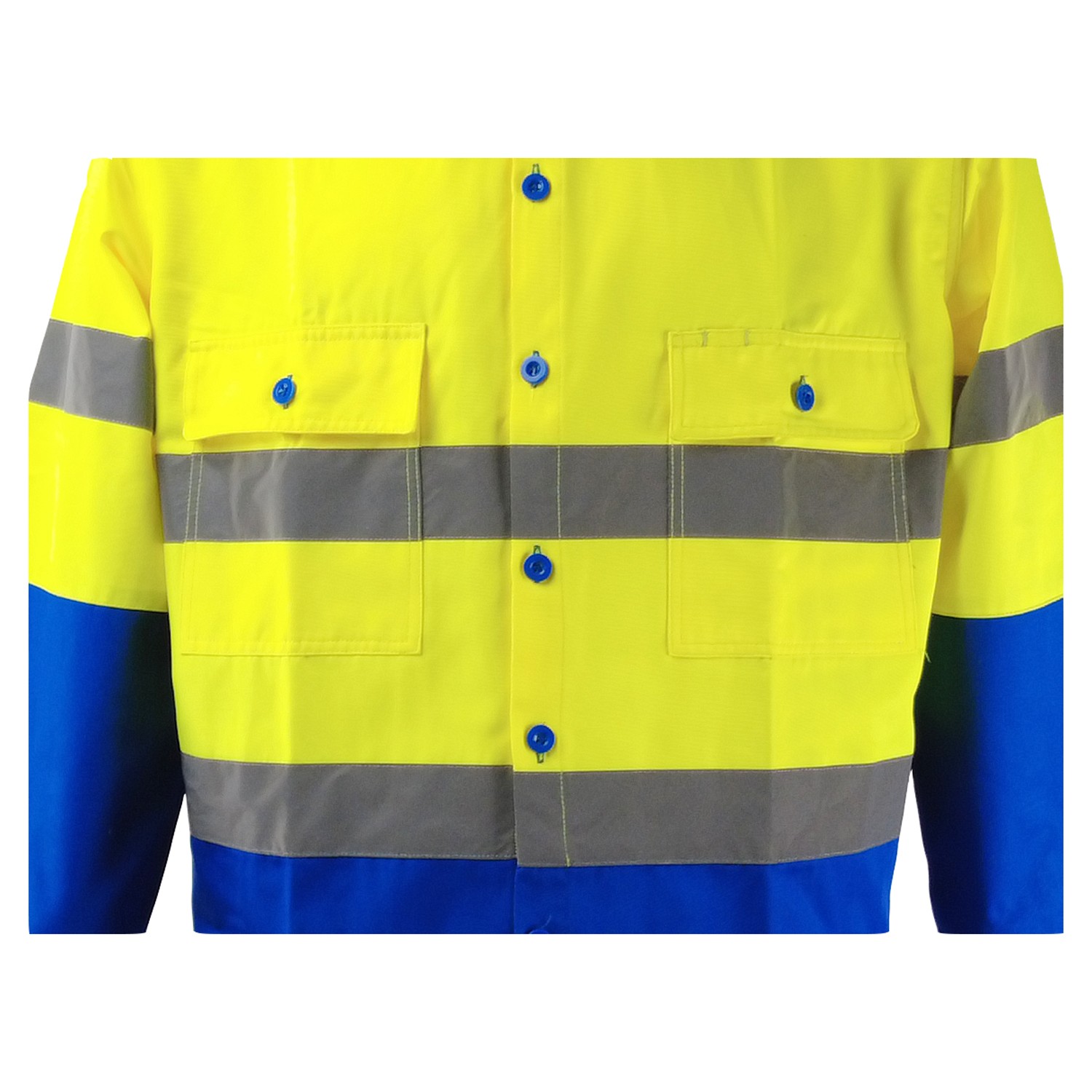
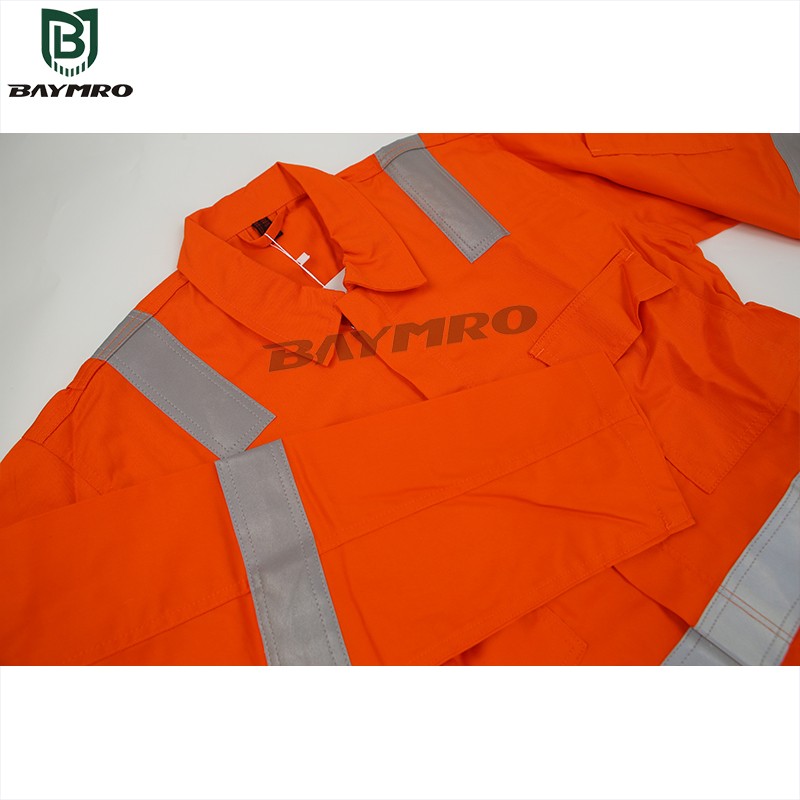
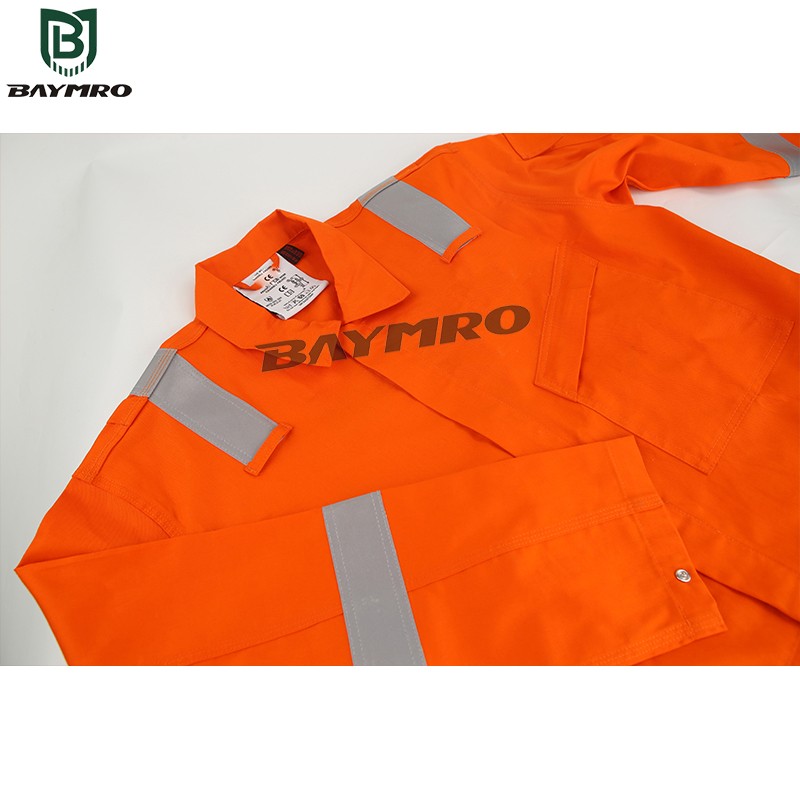
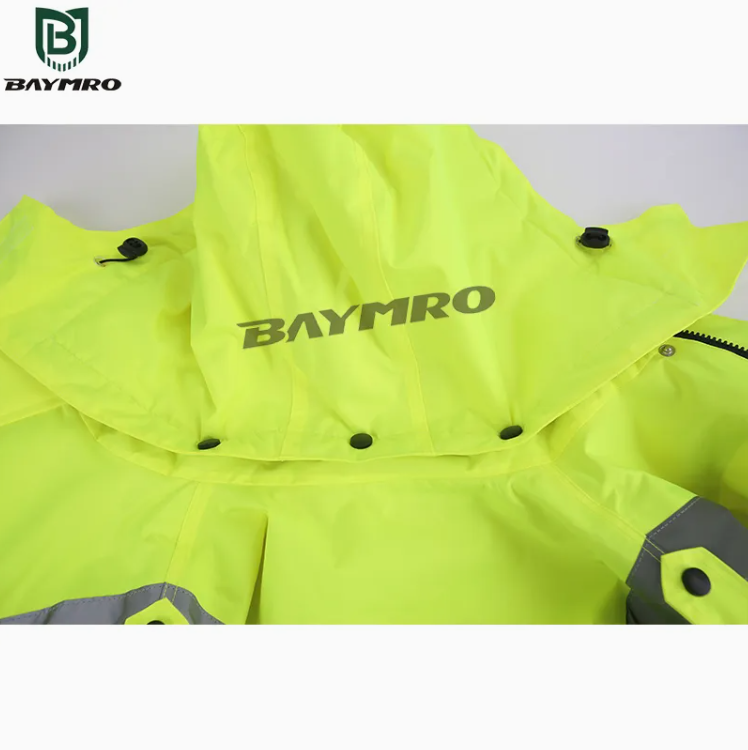
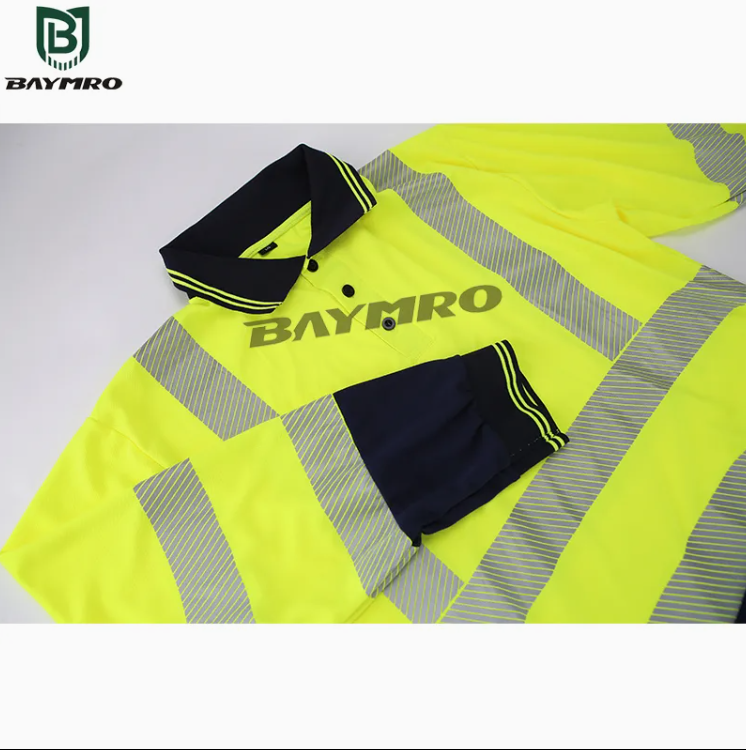
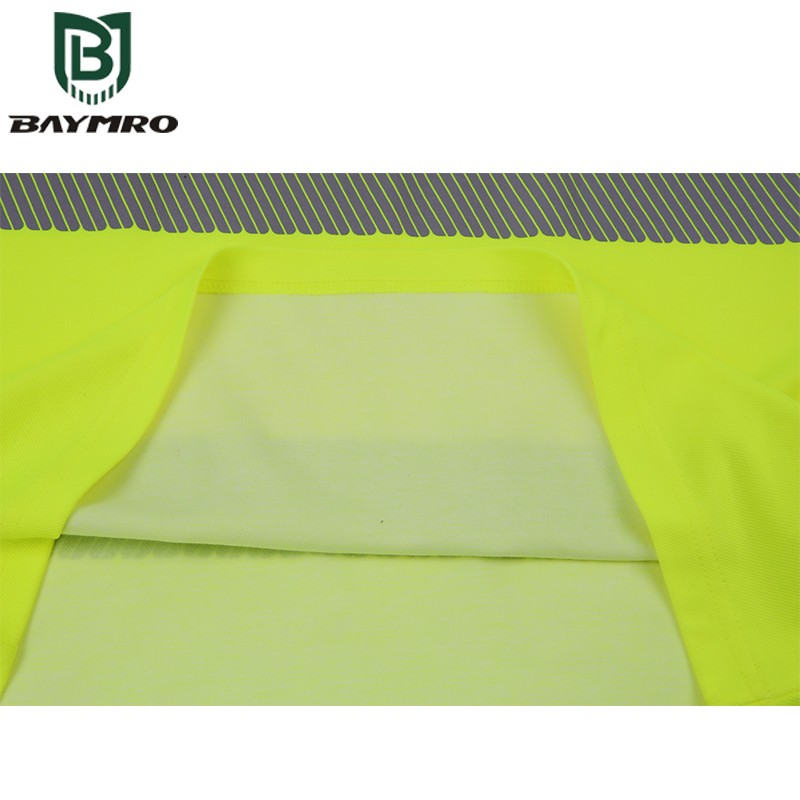
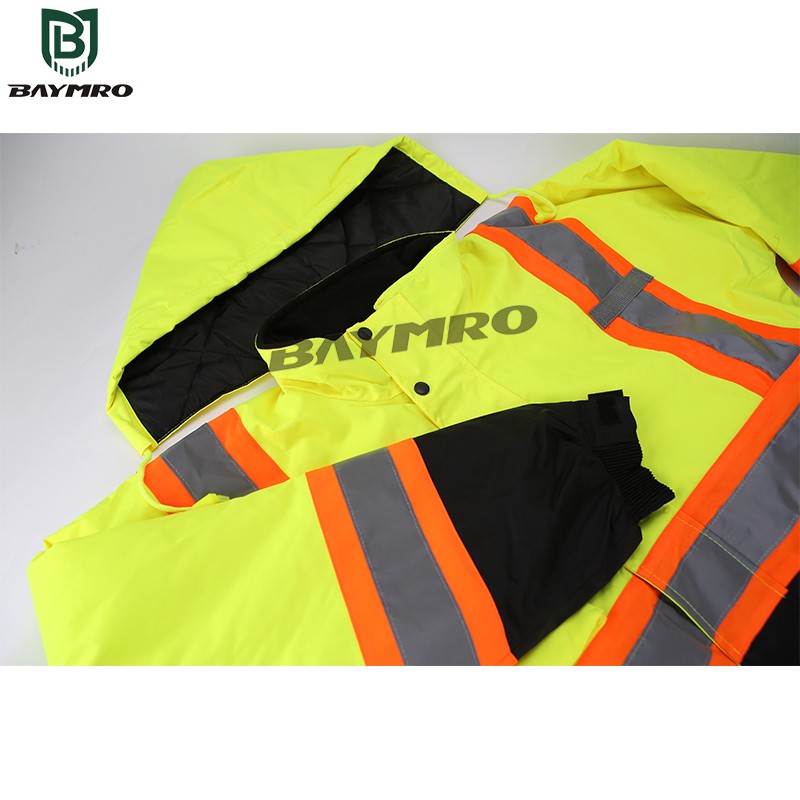
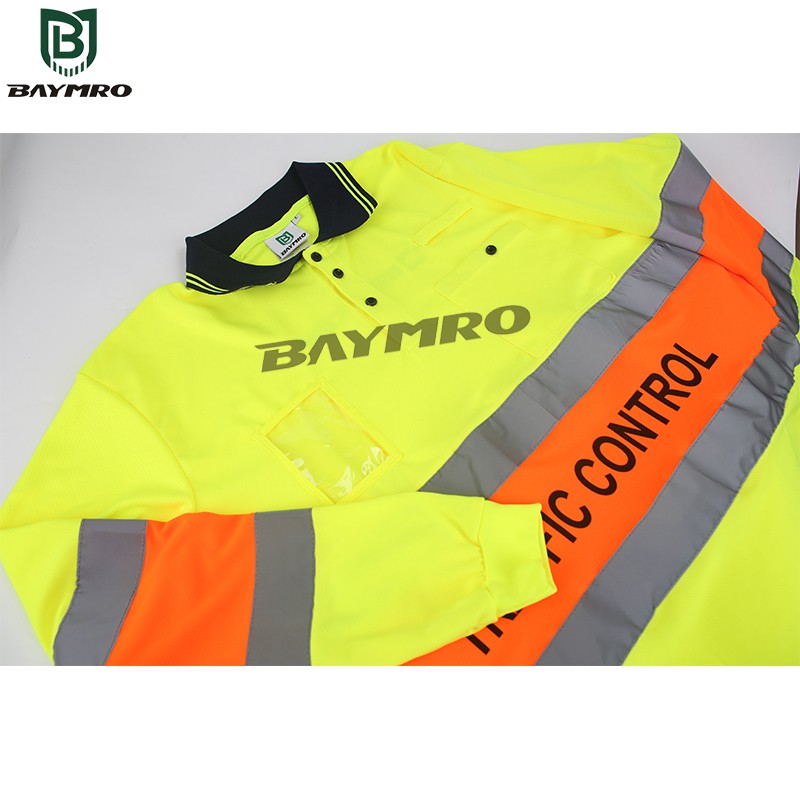
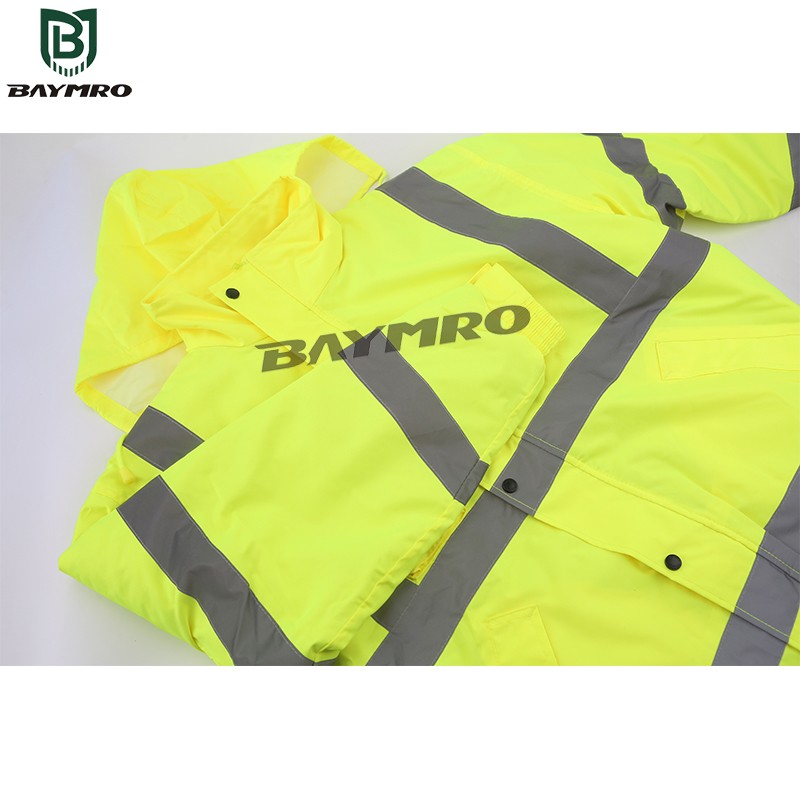
For specialized safety gear, regulatory compliance is critical. High-visibility garments must meet standards like EN ISO 20471 or ANSI/ISEA 107, which dictate the exact chromaticity of the background material and the retroreflective performance of the tape. Flame-resistant (FR) clothing requires adherence to NFPA 2112 or EN ISO 11612. Relying on a factory's in-house word is a high-risk strategy; you should always utilize independent Compliance & Testing to verify that bulk production matches the approved prototype.
Implementing robust Quality Control & Inspection is essential to catch defects before they leave the factory floor.
Critical Workwear Pre-Shipment Checks
- Seam strength testing (pull testing on triple-stitched joints)
- Colorfastness to industrial laundering and rubbing (crocking)
- Dimensional stability (shrinkage) after washing
- Hardware functionality (zipper cycling and snap retention tests)
- Symmetry and sizing accuracy across different size grading
MOQs, Lead Times, and Pricing Reality
Workwear production relies on economies of scale. Because fabrics often require specific dyeing or treatments (like water resistance or Teflon coating), fabric mills dictate the minimum order quantities (MOQs) for the garment manufacturer.
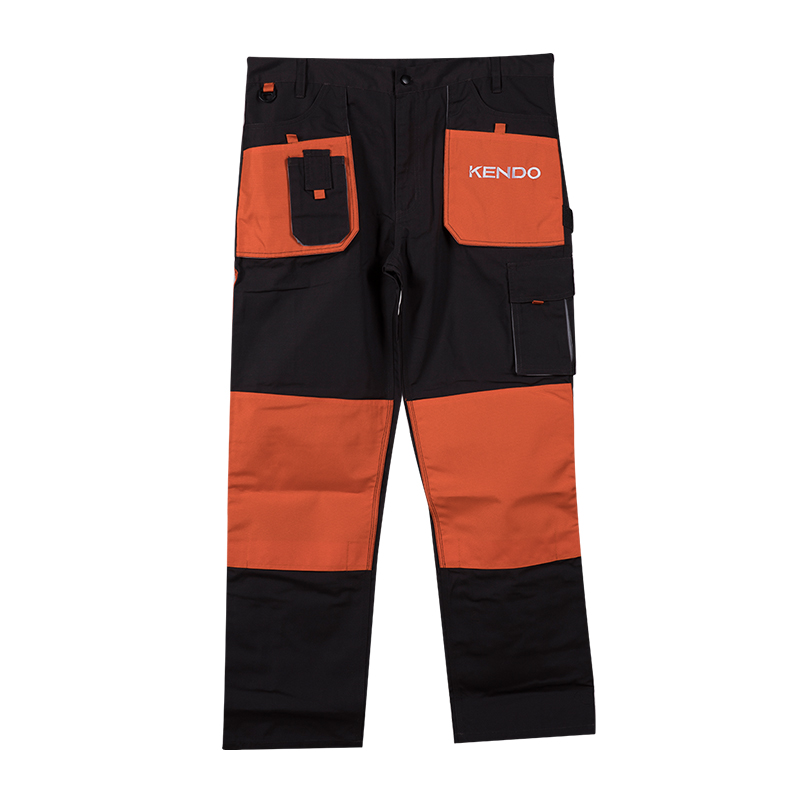
Pricing is highly sensitive to raw material costs. Upgrading from a standard 240 GSM poly-cotton to a 320 GSM canvas with reinforced Cordura knee panels will significantly impact your FOB price. When negotiating, ensure quotes are itemized so you can see the cost breakdown of fabric, hardware, and labor. Before committing to large volumes, executing thorough Factory Audits ensures the supplier has the necessary specialized machinery (like automated pocket setters and heavy-duty bar-tackers) to handle your required volume efficiently.
Struggling with inconsistent quality or high MOQs? Let us match you with pre-vetted workwear manufacturers that align with your volume and quality requirements.
Get a free consultationFrequently Asked Questions
Successfully sourcing bulk workwear is about managing risk at the component level. By specifying every detail from thread count to zipper brand, and verifying those details through independent oversight, you protect your margins and your brand's reputation for durability. If you need experienced boots on the ground to manage your Asian supply chain, our team is ready to step in.
Get Sourcing Help for Workwear
Tell us your requirements and our experts will connect you with verified manufacturers.