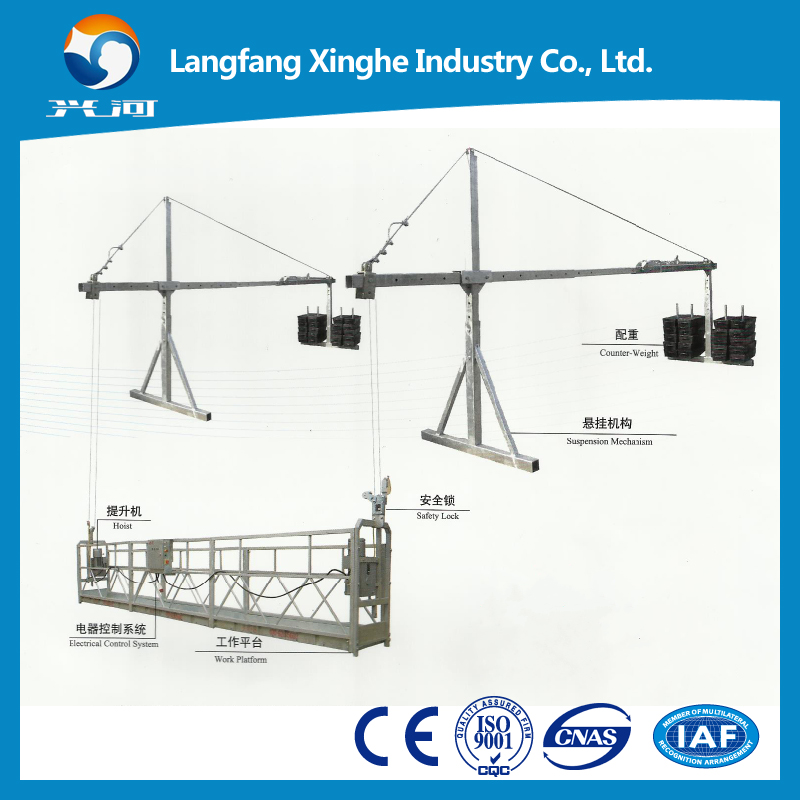
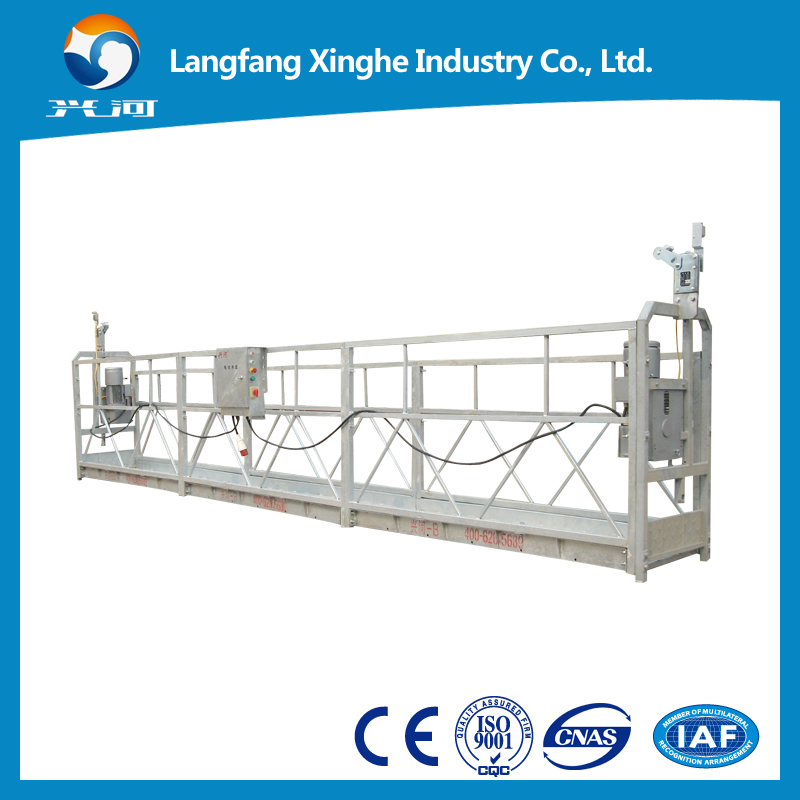
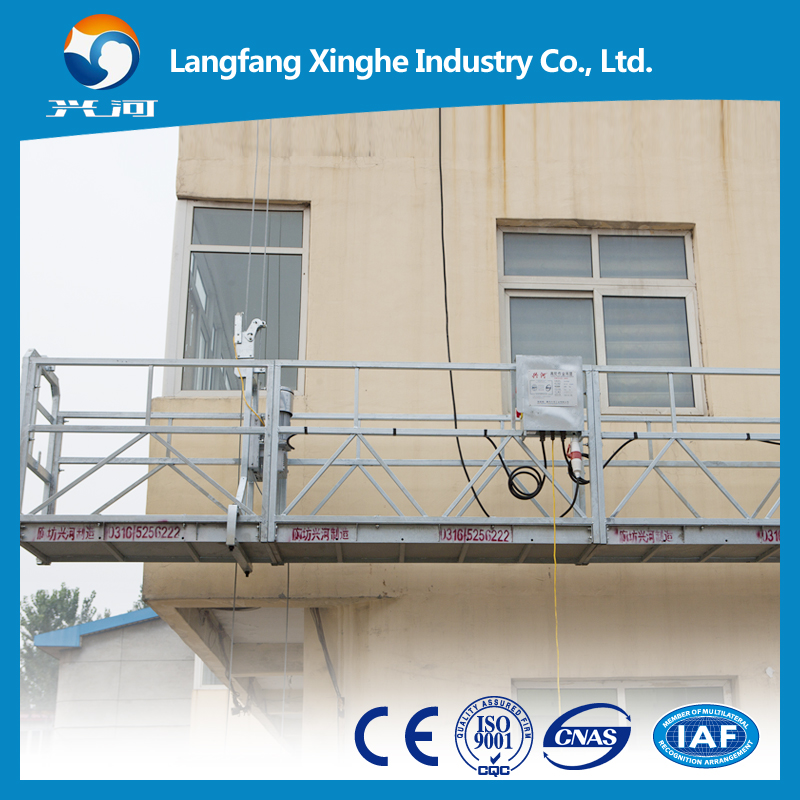
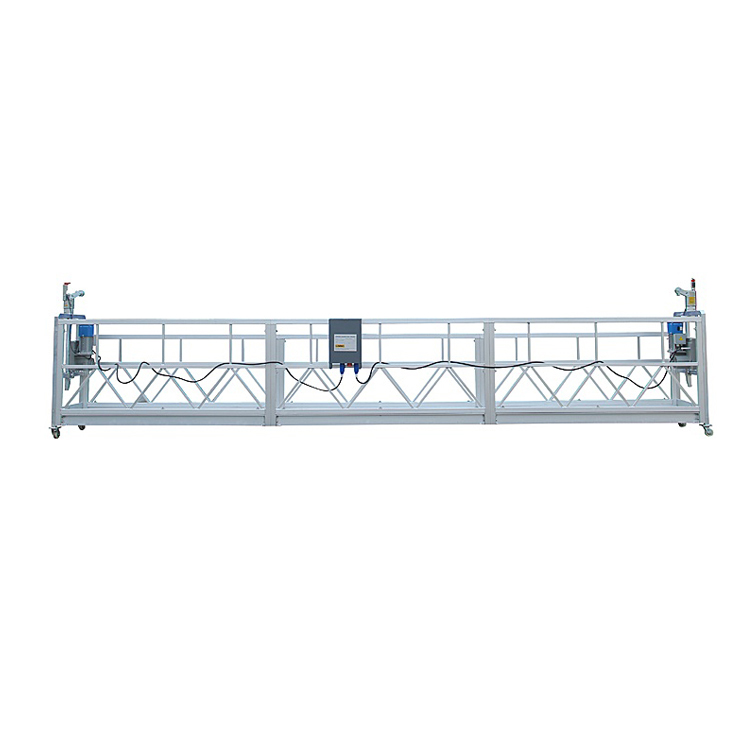
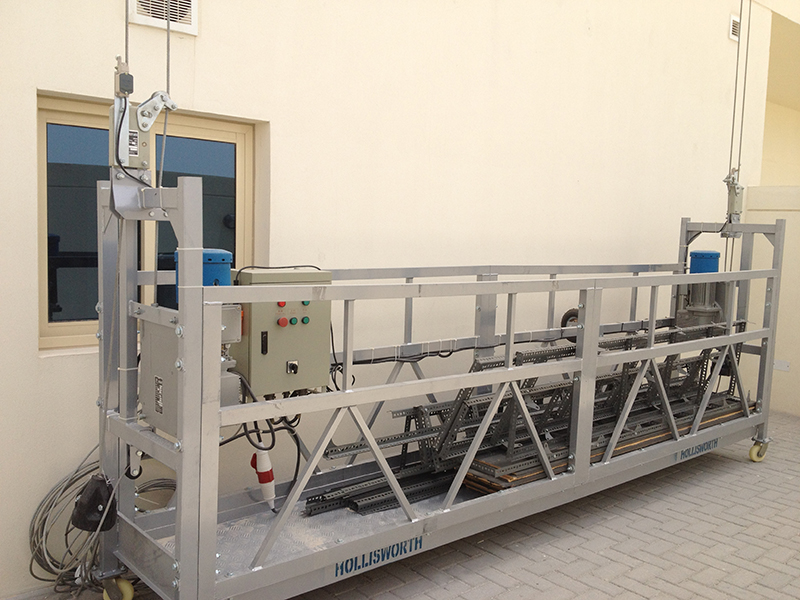
Work Platforms
Source commercial-grade work platforms from vetted suppliers and manufacturers across Asia. Designed for importers, wholesalers, and brands seeking reliable bulk purchasing or custom OEM production. Ensure your inventory meets international safety standards with direct-from-factory pricing and rigorous quality assurance.
Sourcing work platforms at volume requires balancing structural integrity, safety compliance, and unit cost. Whether you are stocking standard aluminum folding platforms for retail or developing heavy-duty fiberglass models for electrical contractors, the primary challenge lies in verifying that a factory's material specifications and assembly processes consistently meet the strict regulatory standards of your target market.
Critical Specifications and Material Selection
The foundation of any reliable work platform is the raw material. Most manufacturers in major production hubs (such as Zhejiang and Guangdong provinces in China) work primarily with aluminum, though steel and fiberglass lines are common for specialized applications.
When negotiating with a supplier, you must define the exact material grade and wall thickness. Relying on a generic "aluminum" specification often results in factories using lower-grade alloys or thinning the extrusion walls to cut costs, which directly impacts the load-bearing capacity.
| Material Type | Typical Application | Key Specification Focus |
|---|---|---|
| Aluminum (6063-T5 / 6061-T6) | Commercial & Trade Construction | Wall thickness (minimum 1.2mm to 2.0mm) |
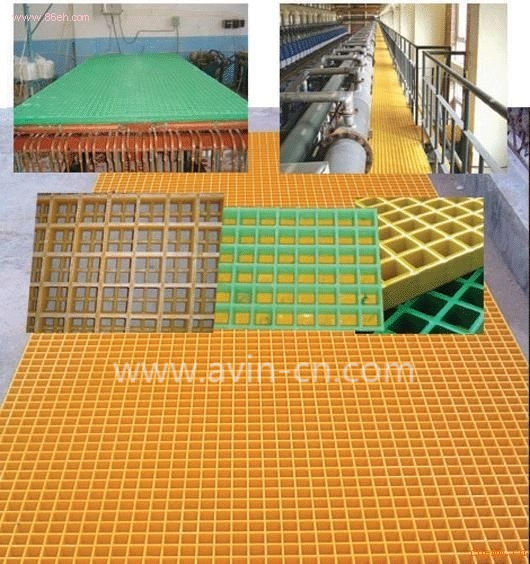
| Fiberglass (FRP) | Electrical & Utility Work | Resin-to-glass ratio, UV resistance |
| Steel (Powder Coated) | Heavy Industrial Maintenance | Weld penetration, anti-corrosion treatment |
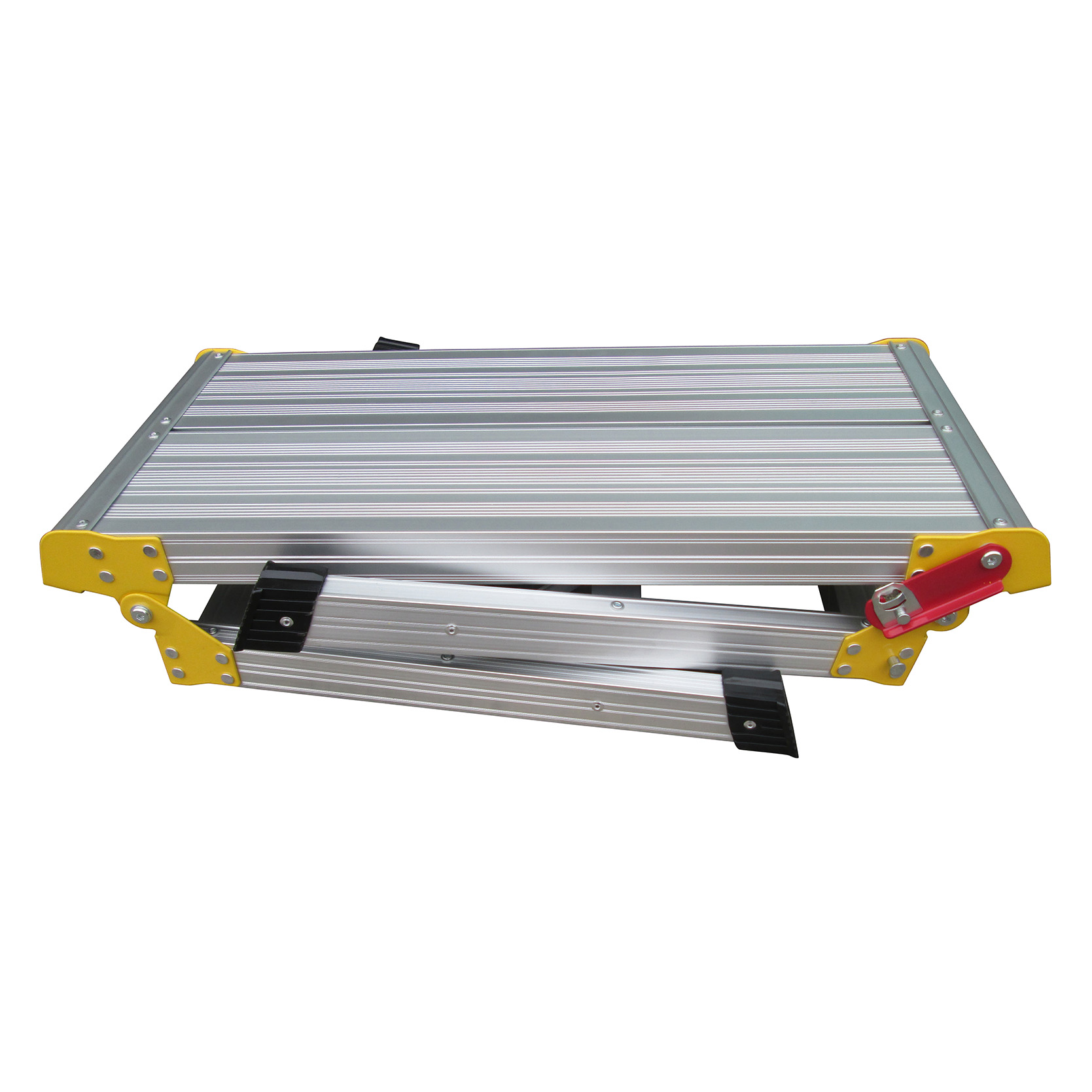
For folding platforms, the hinge mechanism is the most common point of failure. Ensure hinges are stamped from heavy-gauge steel and utilize self-locking mechanisms that engage positively.
Need to verify a factory's technical capabilities? We can evaluate their extrusion and assembly lines before you place an order.
Talk to our teamManufacturing Processes and Quality Control
Producing a high-quality work platform involves precise extrusion, cutting, stamping, and assembly. The method of assembly—whether welded or riveted—dictates both the durability of the platform and the production speed.
TIG welding provides superior rigidity for fixed platforms but requires skilled labor. Riveting is standard for folding and adjustable models, but requires strict process control to ensure rivets are seated correctly without crushing the aluminum tubing. Conducting thorough Factory Audits is essential to confirm that a supplier has automated stamping and cutting machinery, which reduces human error and ensures dimensional consistency across a bulk order.
In-Line and Pre-Shipment Inspection Focus
When implementing Quality Control & Inspection protocols, your inspectors should focus on structural and functional checkpoints:
Work Platform QC Checklist
- Verify aluminum extrusion wall thickness using digital calipers against the approved spec sheet.
- Cycle-test folding hinges a minimum of 50 times to check for binding or loose rivets.
- Inspect anti-slip tread patterns on the platform deck for adequate depth and uniform stamping.
- Check all rubber or PVC feet for secure attachment and correct durometer (hardness).
- Conduct static load testing at 1.5x the rated capacity to check for permanent deflection.
Compliance and Market Standards
Work platforms are highly regulated. You cannot import or distribute them without ensuring they meet regional safety standards. A factory claiming "ANSI compliant" is not enough; you need verifiable test reports from recognized third-party labs.
For the US market, platforms must meet ANSI A14.2 (Aluminum) or A14.5 (Fiberglass) and OSHA regulations. European buyers must specify EN 131 standard compliance, while Australia and New Zealand require AS/NZS 1892. If a factory cannot provide valid certificates, you will need to arrange independent Compliance & Testing during the sampling phase.
MOQs, Lead Times, and Pricing Dynamics
Pricing for work platforms is heavily tied to global aluminum and steel commodity indices. When raw material prices fluctuate, expect suppliers to adjust their quotes accordingly.
- Typical MOQs: Most manufacturers require a minimum order of 100 to 200 units per SKU, or a minimum of one 20ft container (which holds approximately 300 to 500 folding platforms, depending on dimensions).
- Lead Times: Standard production runs take 30 to 45 days. However, if you are utilizing OEM/ODM Services to develop custom tooling for a proprietary hinge or deck design, add 20 to 30 days for mold creation and sample approval.
- Packaging Impact: Because work platforms are bulky, packaging design significantly impacts freight costs. Shrink-wrapping with reinforced cardboard corners maximizes container utilization compared to full-color retail boxing.
Struggling with high MOQs or inconsistent pricing? Let us negotiate directly with top-tier scaffolding and ladder manufacturers on your behalf.
Get a free consultationFrequently Asked Questions
Successfully sourcing work platforms requires moving beyond surface-level specifications to control the raw materials, assembly methods, and compliance testing at the factory level. By establishing strict QC tolerances and verifying manufacturer certifications early, buyers can secure reliable, market-ready inventory at scale.
Get Sourcing Help for Work Platforms
Tell us your requirements and our experts will connect you with verified manufacturers.