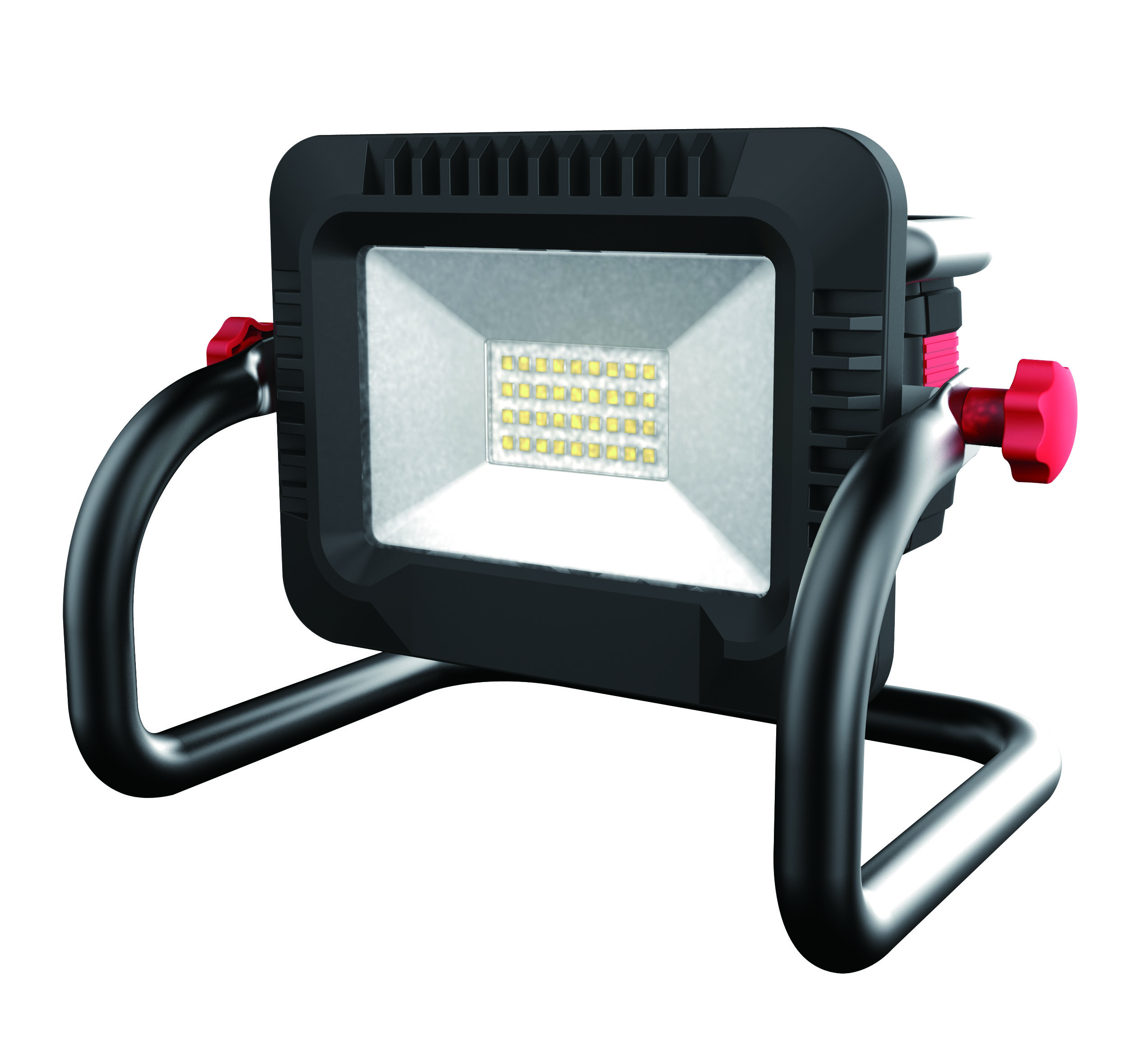
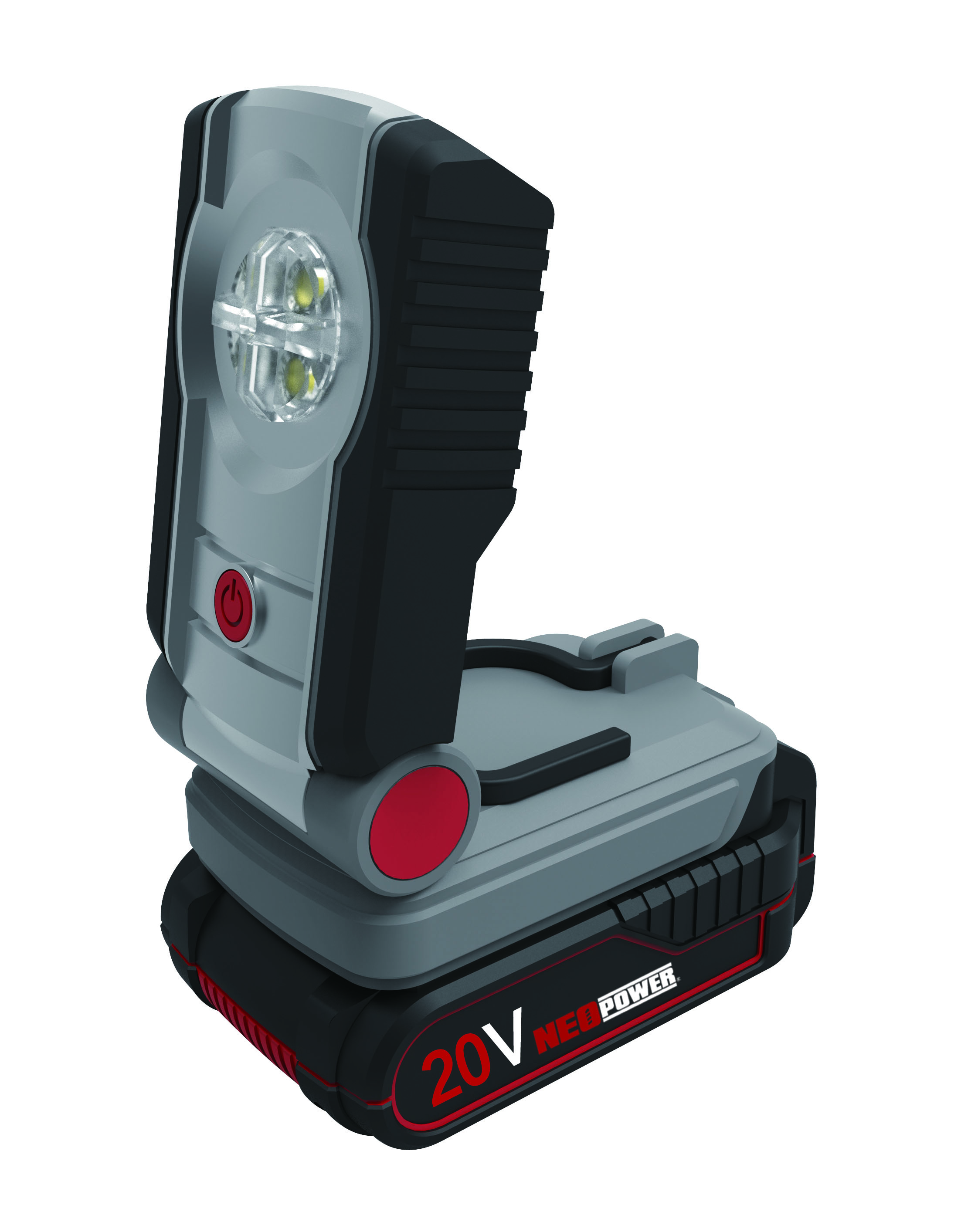
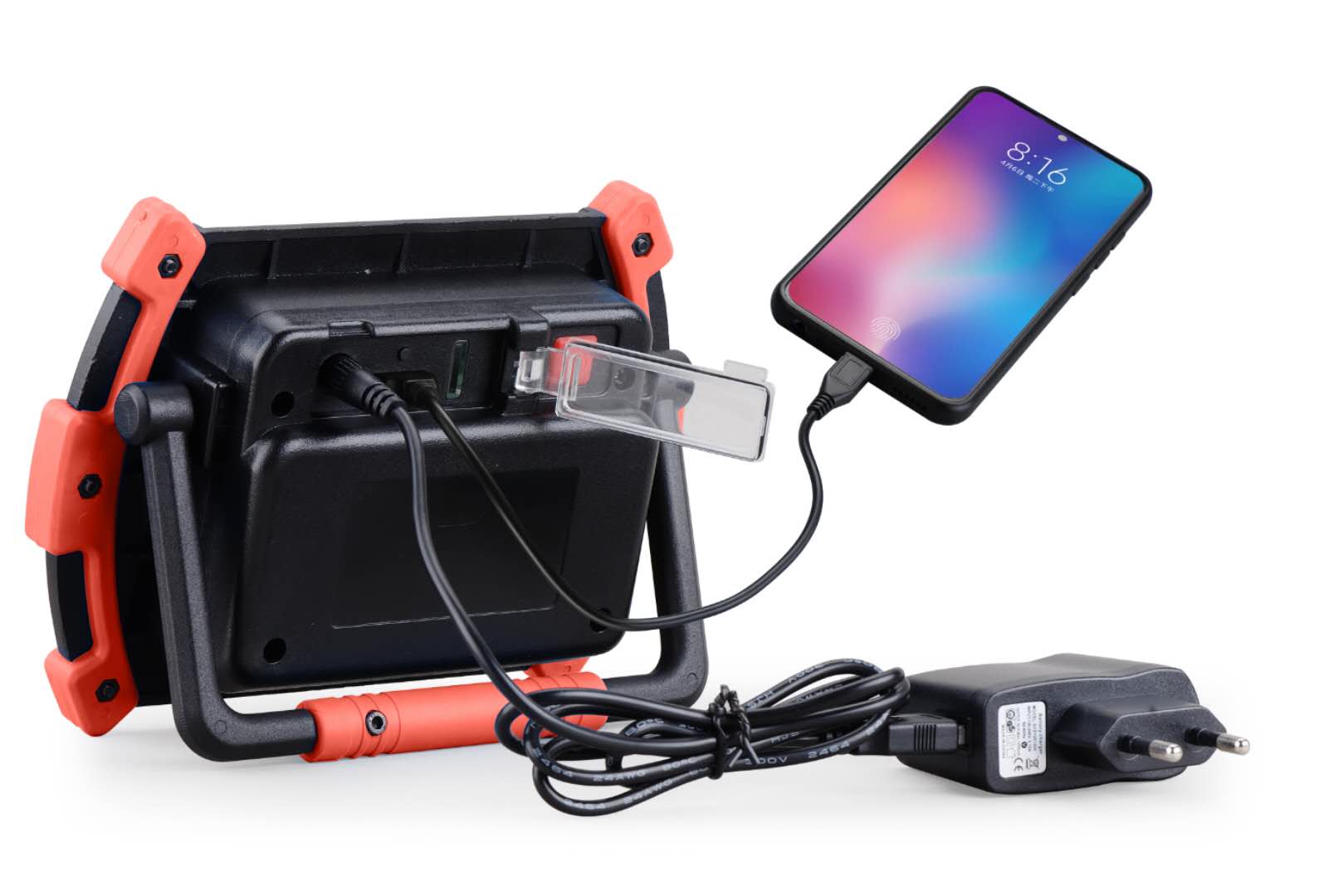
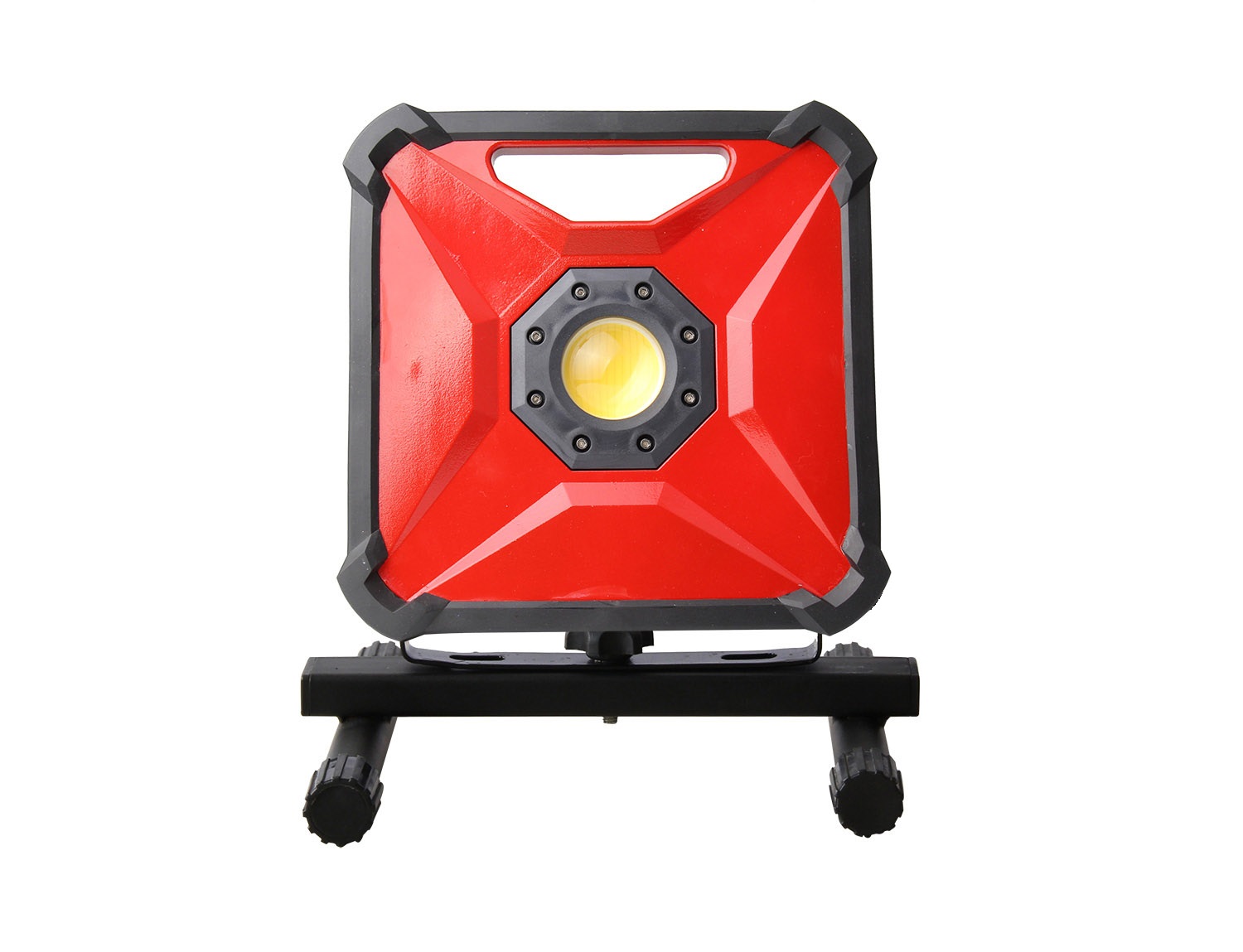
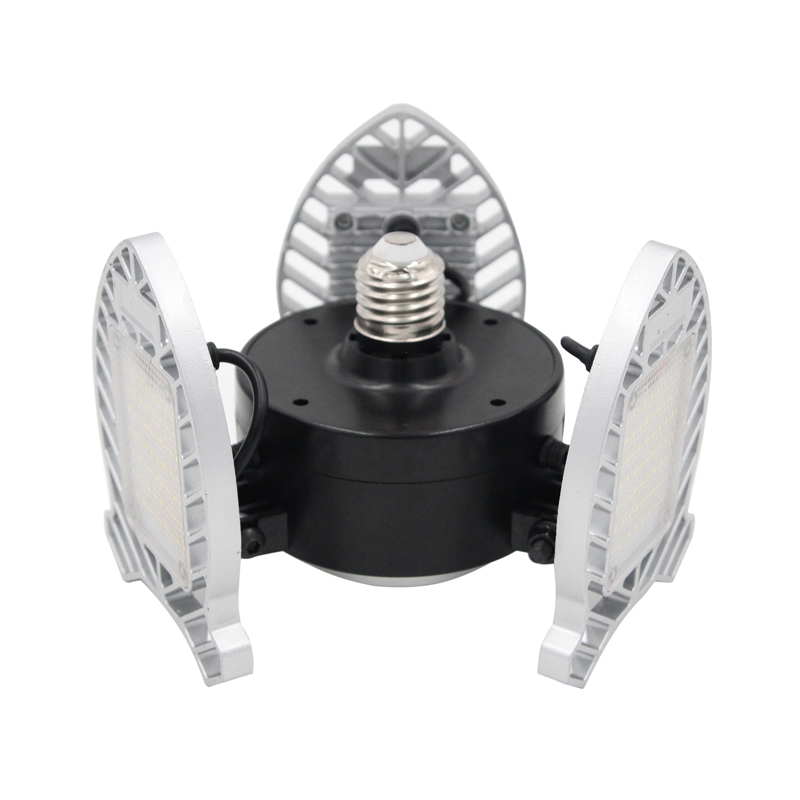
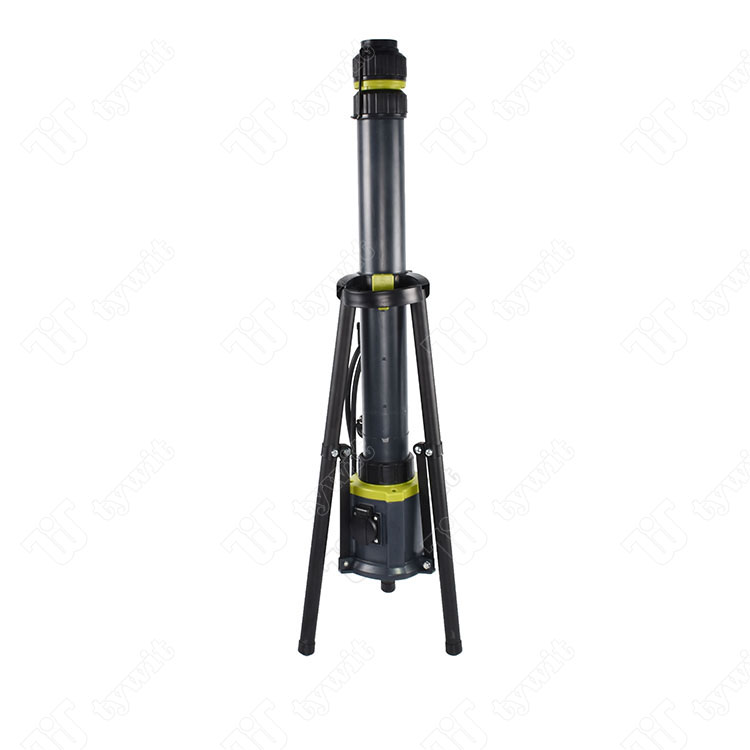
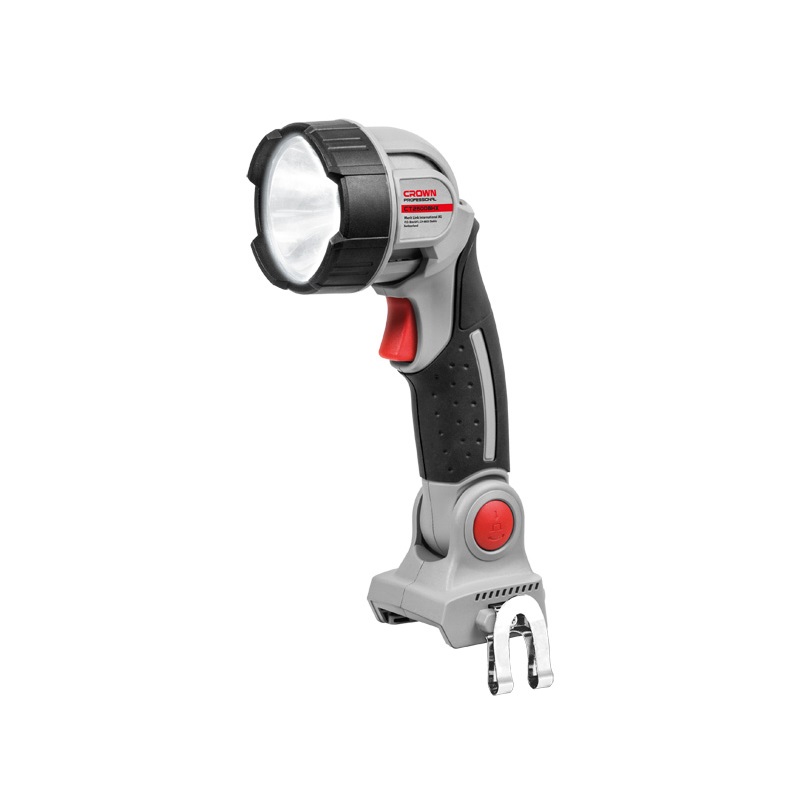
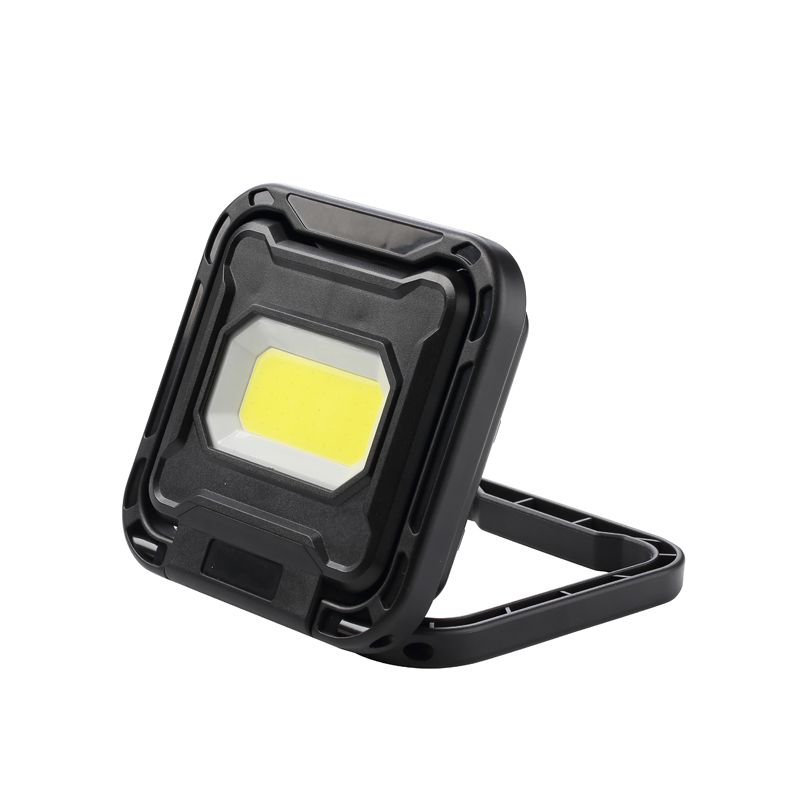
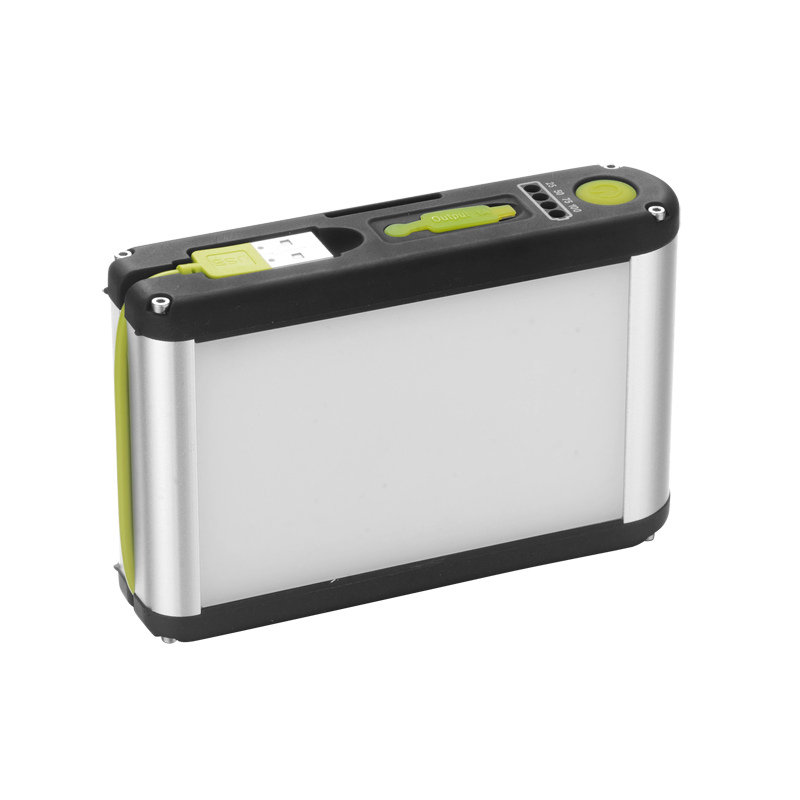
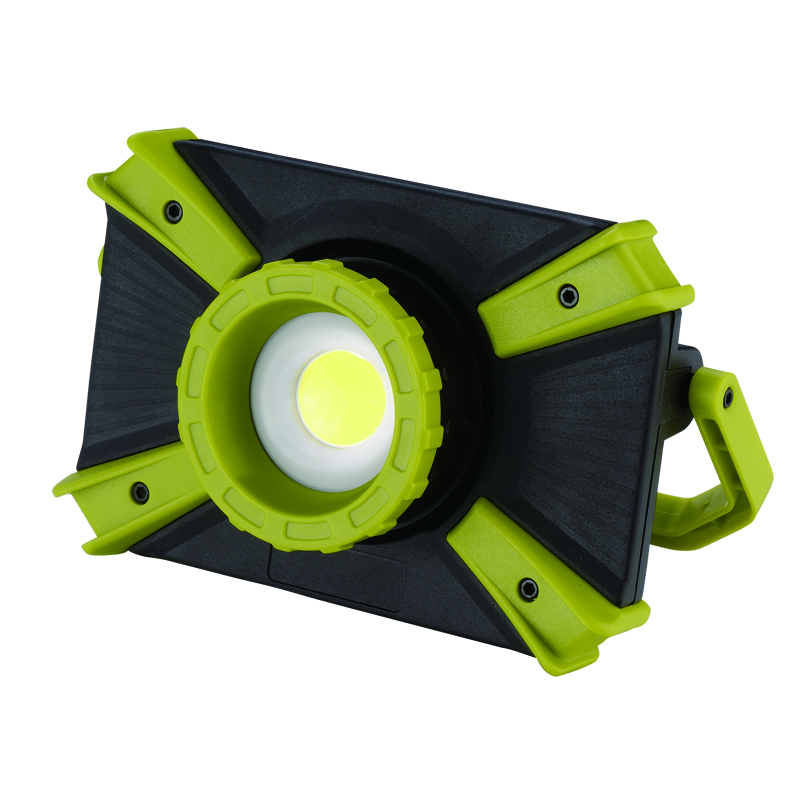
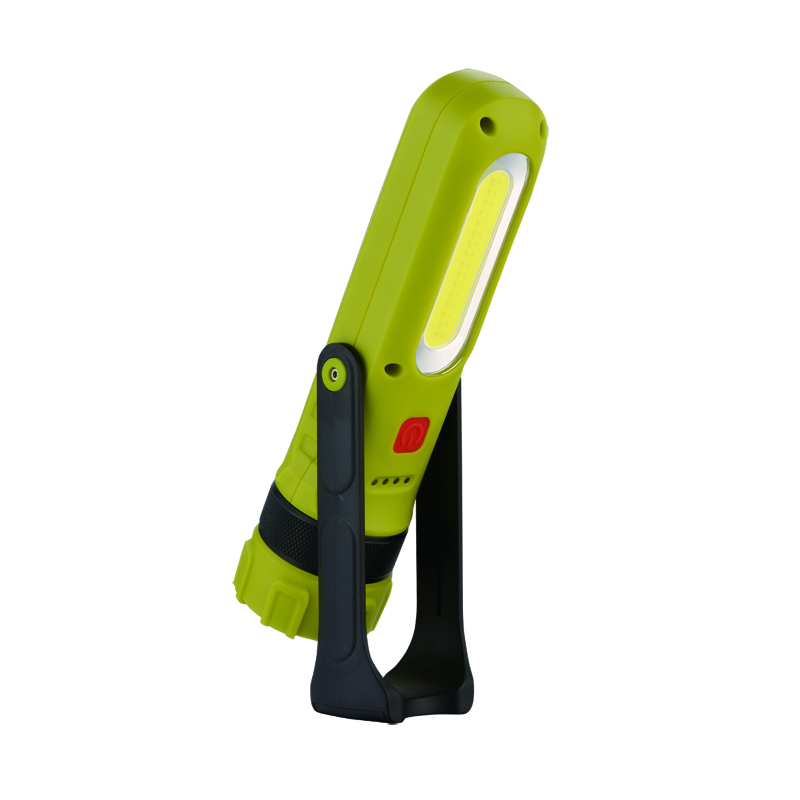
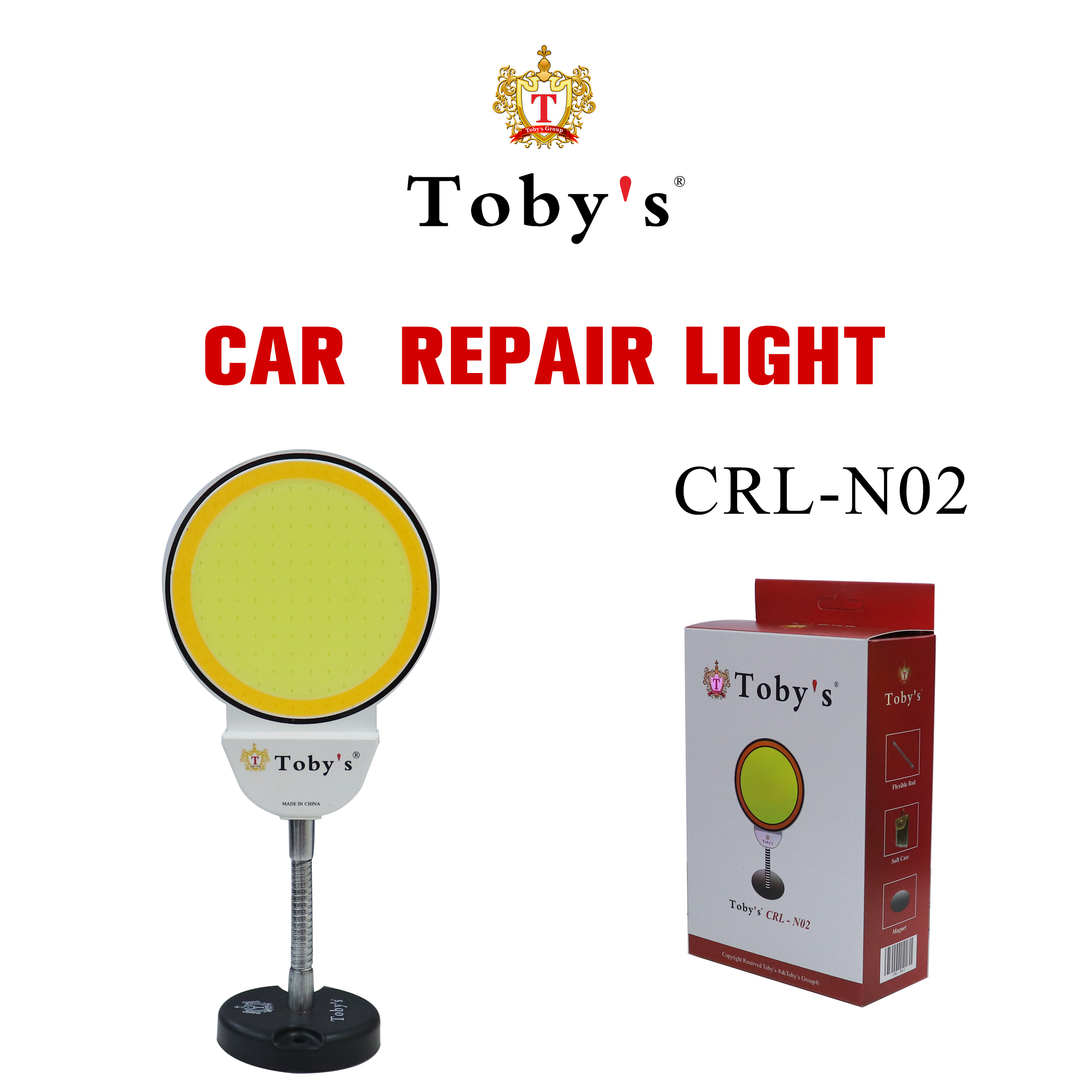
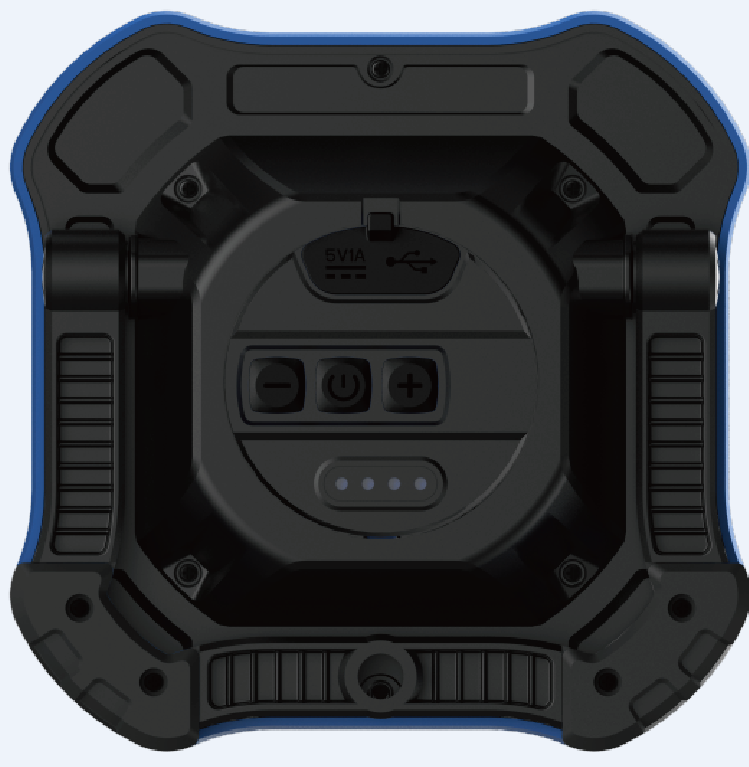
Work Lights
Source professional-grade work lights from vetted manufacturers and suppliers in China and across Asia. Designed for importers, wholesalers, distributors, and brands seeking reliable bulk purchasing, OEM/ODM production, and private-label manufacturing for industrial and commercial lighting.
Sourcing professional work lights requires balancing intense lumen output with durable thermal management and ruggedized housings. Industrial buyers cannot afford premature LED degradation, driver failure, or battery degradation on job sites. Navigating the manufacturer landscape in hubs like Ningbo and Shenzhen means separating basic assembly workshops from factories with genuine engineering and testing capabilities.
Critical Specifications for Industrial Environments
When negotiating with a work light manufacturer, the bill of materials (BOM) dictates both the lifespan of the product and its market viability. Relying on a factory's standard "off-the-shelf" specification often leads to compromised performance in harsh environments.
| Component | Standard Commercial Grade | Heavy Industrial Grade |
|---|---|---|
| LED Chip Type | Standard SMD (surface mount) | High-density COB (chip-on-board) |
| Ingress Protection | IP54 (splash resistant) | IP65 to IP67 (dust tight, water jets/immersion) |
| Impact Resistance | IK05 to IK07 (basic drops) | IK08 to IK10 (heavy impact survival) |
| Thermal Management | Stamped aluminum or plastic | Die-cast aluminum heat sinks |
| Battery Chemistry | Standard Lithium-ion (18650) | LiFePO4 or high-drain Li-ion (21700) |
For rechargeable models, battery chemistry and protection circuitry are the most common points of failure. Ensure your supplier specifies high-quality cells (often requiring UN38.3 certification for transport) and includes overcharge, over-discharge, and short-circuit protection on the BMS (Battery Management System).
Need help verifying a factory's true engineering capabilities? Let us audit their production lines and component sourcing.
Talk to our teamManufacturing & Quality Control Checkpoints
The difference between a reliable work light and a warranty nightmare is won or lost on the assembly line. Poor thermal paste application between the LED board and the heat sink will cause the chips to overheat and degrade rapidly, long before their rated 50,000-hour lifespan.
Before committing to a bulk order, it is highly recommended to conduct factory audits to verify the supplier possesses the necessary testing equipment, such as integrating spheres (for lumen and CRI verification) and aging rooms.
Essential Pre-Shipment Inspection Points
- Integrating Sphere Testing: Verify actual lumen output and Color Rendering Index (CRI) against the BOM.
- Aging Test: Minimum 4-hour continuous burn-in test at maximum output to check thermal stability.
- Drop and Impact Testing: Verify IK ratings using standardized drop heights onto concrete.
- Waterproof Testing: Submersion or high-pressure spray testing to confirm IP65/IP67 integrity.
- Battery Capacity Verification: Sample testing of charge/discharge cycles to ensure advertised mAh is accurate.
Implementing rigorous quality control protocols ensures these tests are performed on your actual production run, not just the golden sample.
Market Compliance and Certifications
Work lights are heavily regulated, particularly in North America and Europe. You cannot rely on a supplier's generic claim of "CE and RoHS compliant." You must verify the test reports match the exact components used in your order.
- North America: UL or ETL certification is practically mandatory for mains-powered work lights sold to commercial buyers or through major distributors. FCC Part 15 compliance is required for electromagnetic interference.
- Europe: CE (LVD and EMC directives) and RoHS are mandatory.
- Battery Transport: Any rechargeable work light requires UN38.3 and MSDS documentation for air or sea freight.
Working with a partner who manages compliance and testing helps prevent costly customs seizures or retailer rejections.
MOQs, Lead Times, and Pricing Dynamics
Pricing for work lights fluctuates based on aluminum commodity prices, LED chip brands (e.g., Cree, Bridgelux, Epistar), and battery capacity.
If you are developing a proprietary design, utilizing OEM/ODM services allows you to control the tooling and intellectual property. Expect tooling costs for custom die-cast aluminum molds to start in the low thousands, taking an additional 25 to 40 days before mass production can begin.
Planning a custom work light design or need to negotiate better terms with your current supplier? We can manage the process from CAD to delivery.
Get a free consultationFrequently Asked Questions
Successfully sourcing work lights at scale means looking past the polished Alibaba storefronts and focusing on thermal engineering, component consistency, and strict compliance. Managing this process directly on the factory floor is the most effective way to protect your margins and your brand's reputation.
Get Sourcing Help for Work Lights
Tell us your requirements and our experts will connect you with verified manufacturers.