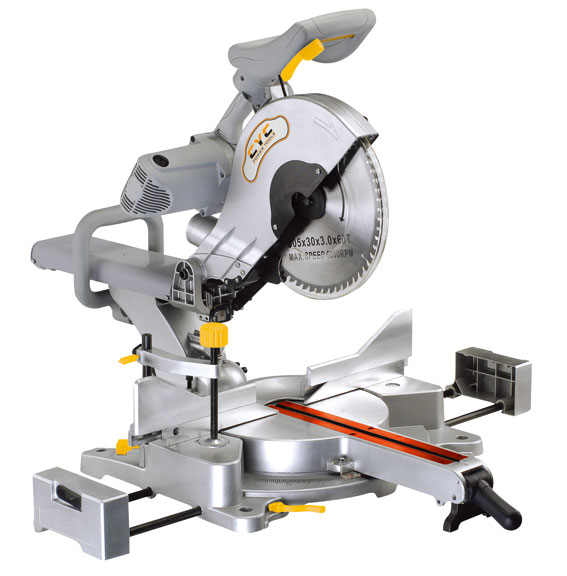
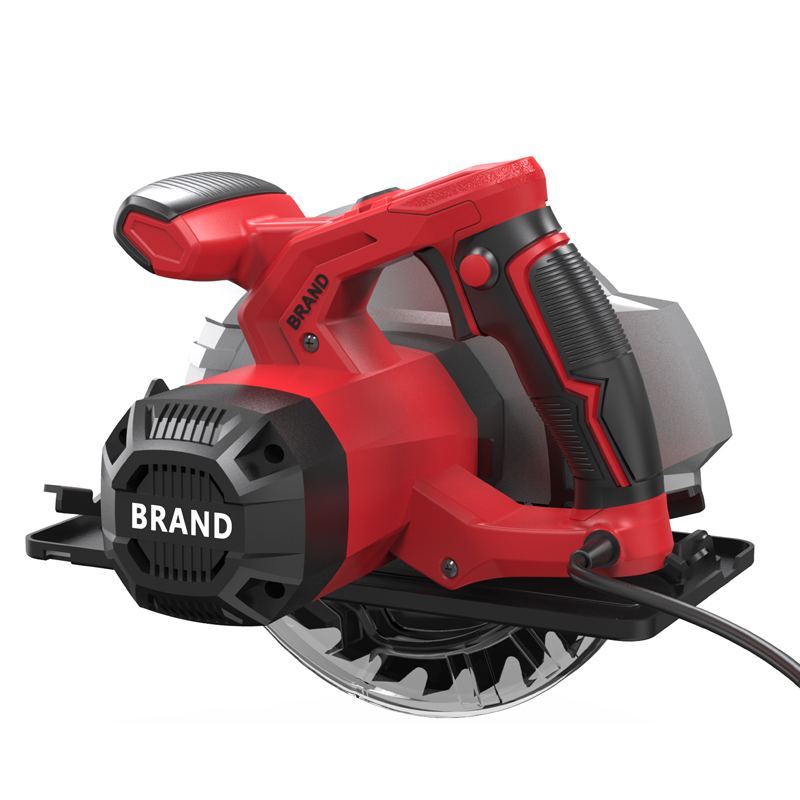
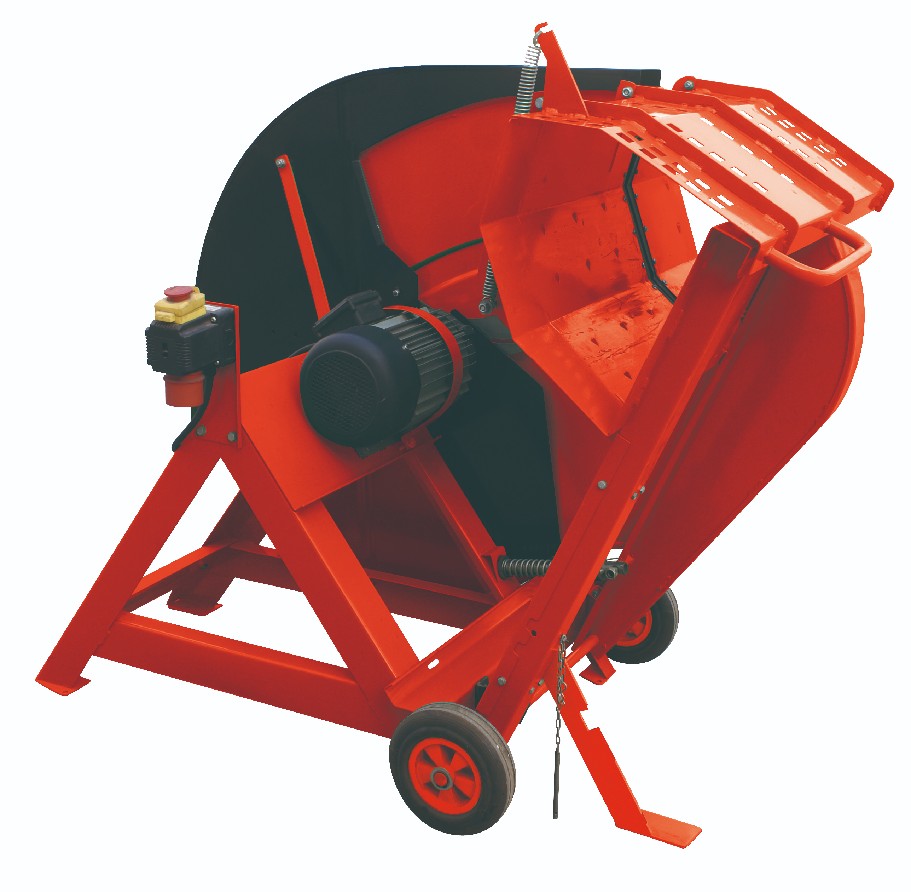
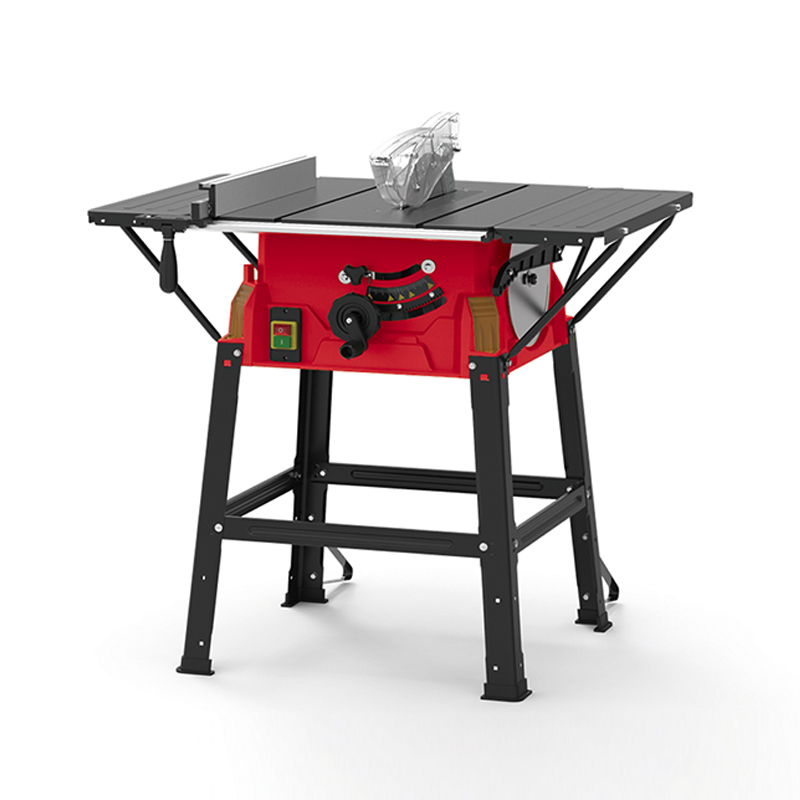
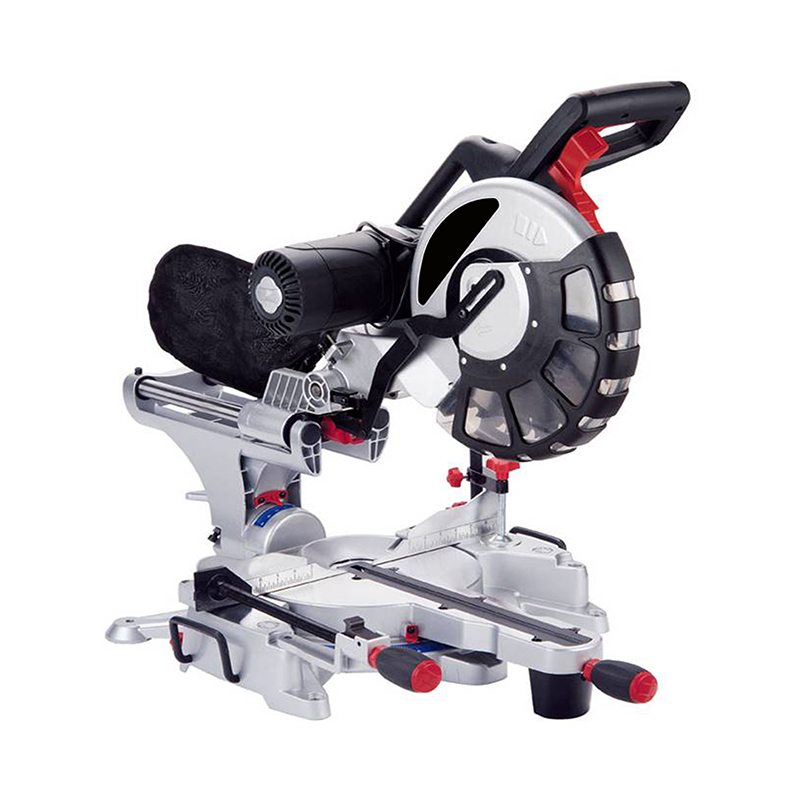
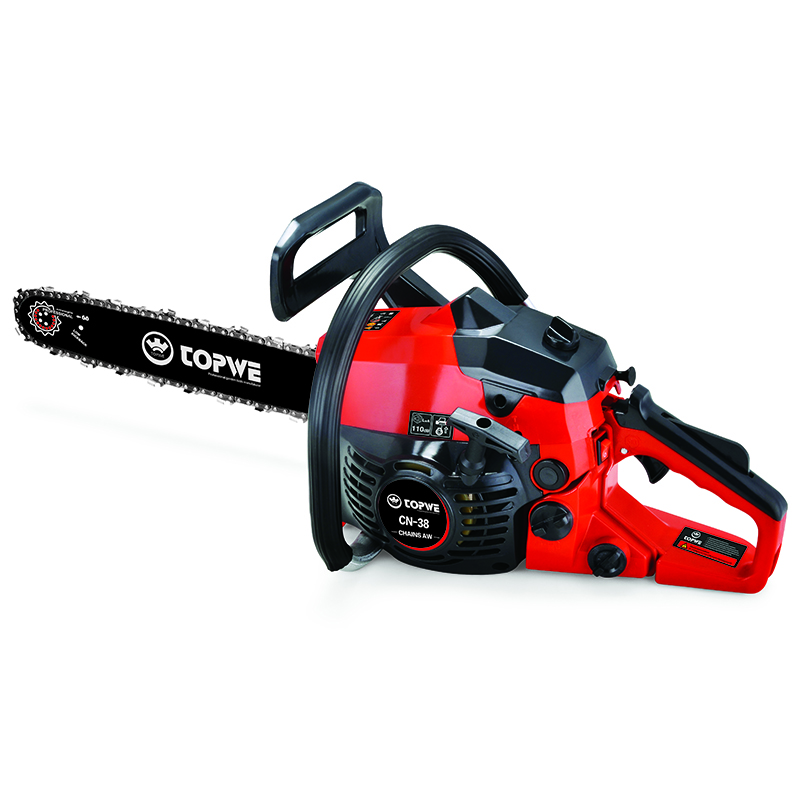
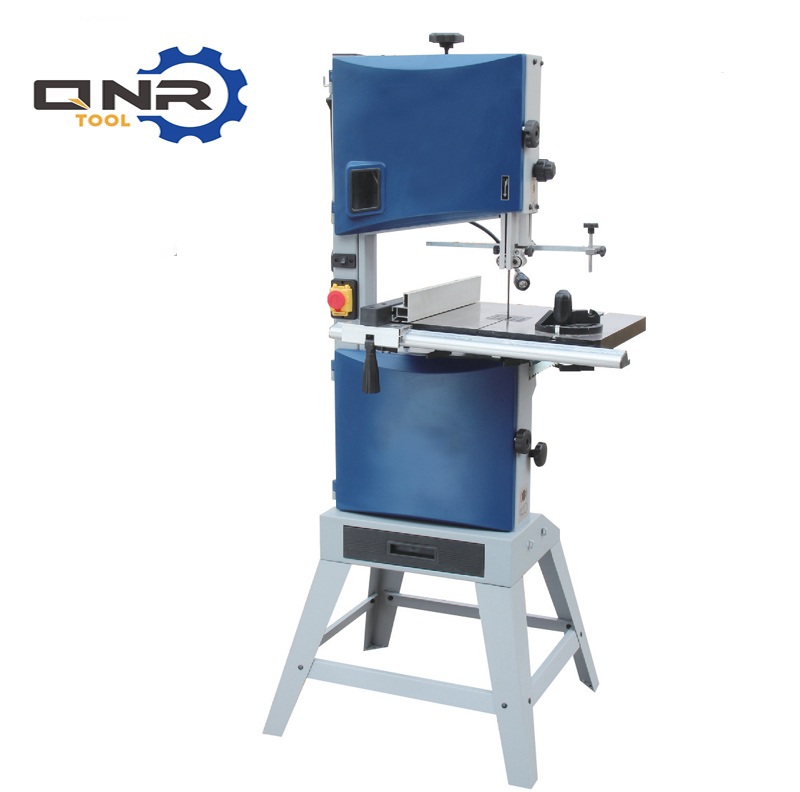
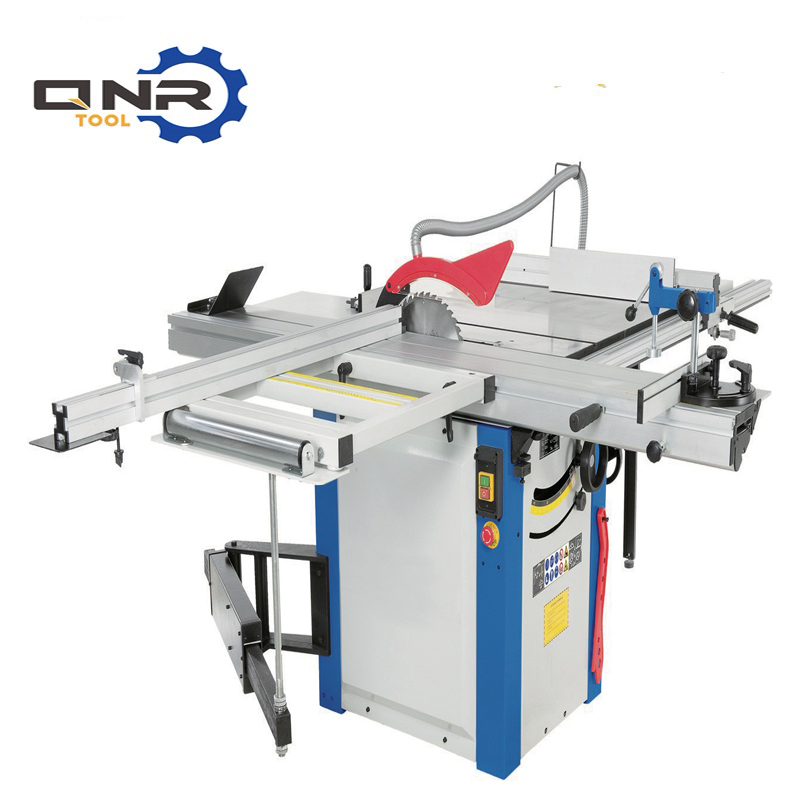
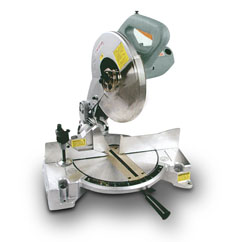
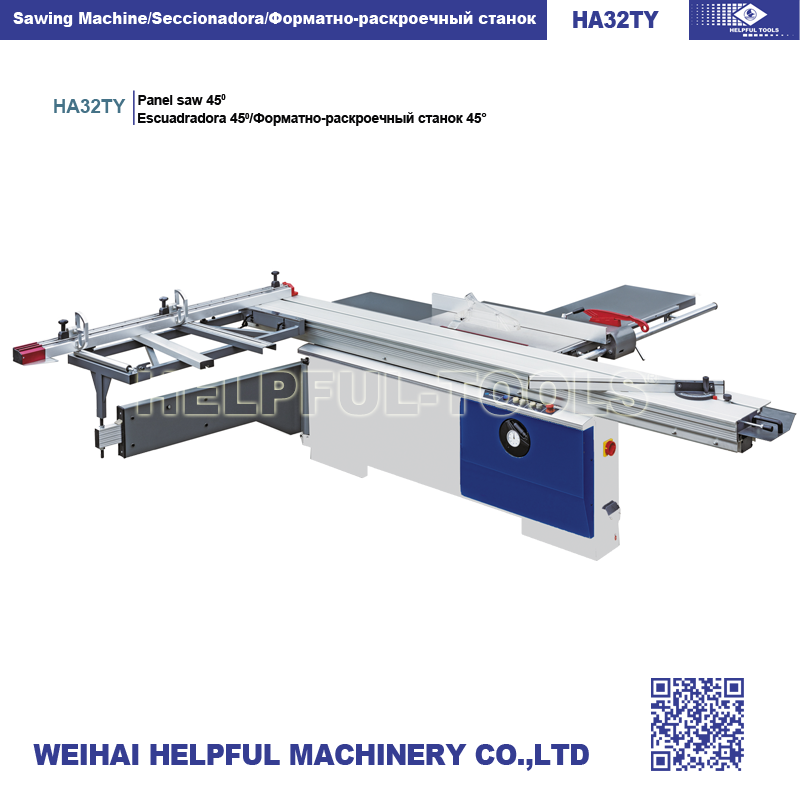
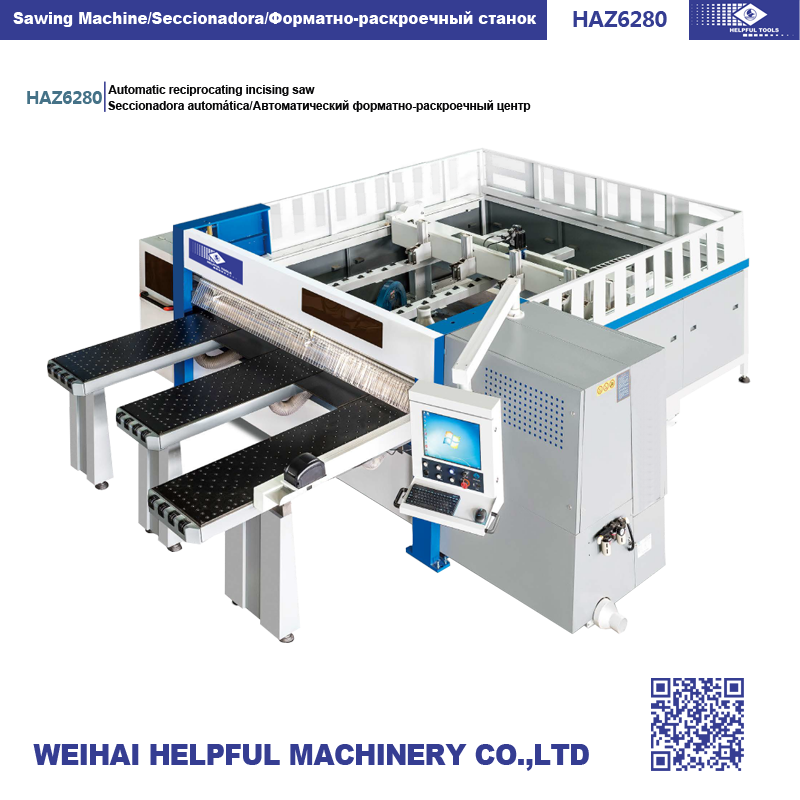
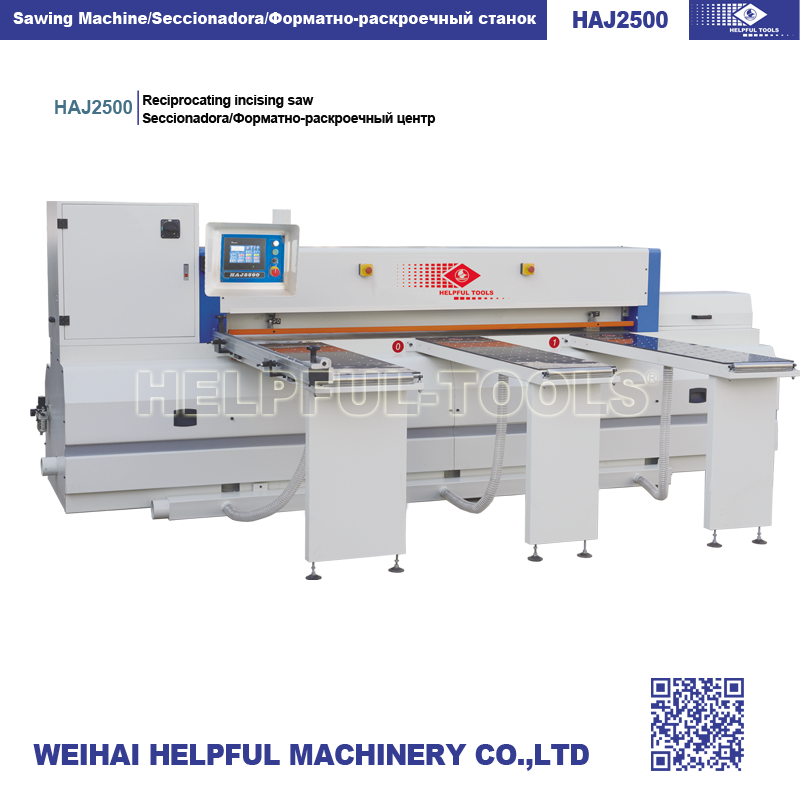
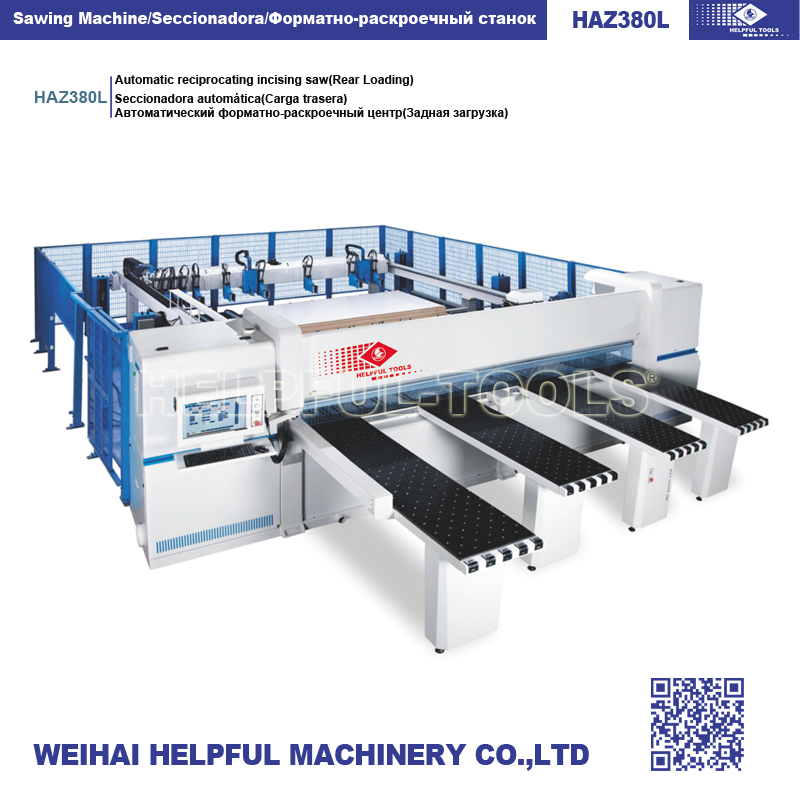
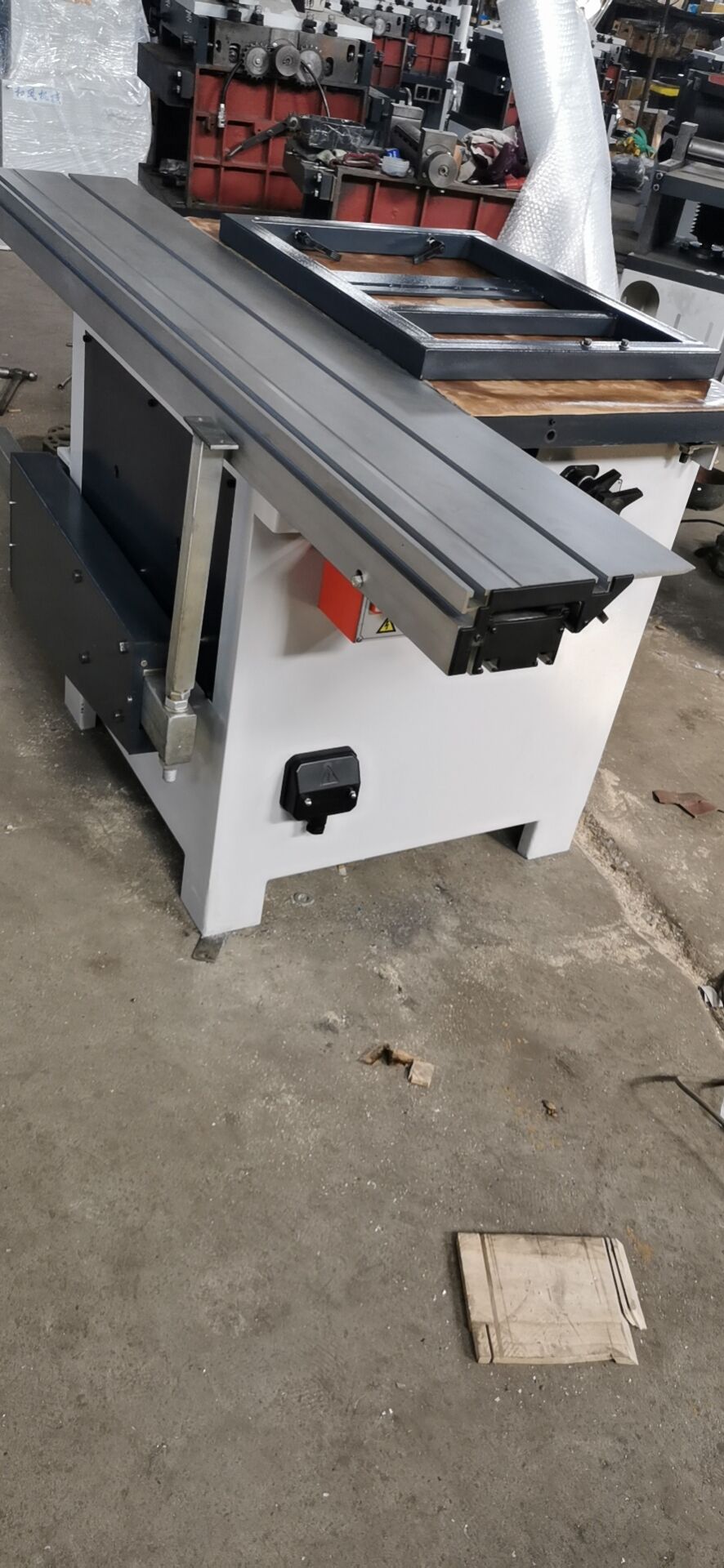
Wood Saw Machines
Source industrial-grade wood saw machines directly from vetted manufacturers and wholesale suppliers. Designed for importers, distributors, and equipment brands seeking reliable OEM production or bulk procurement, our network delivers precision woodworking machinery built for high-volume operations.
Sourcing wood saw machines at scale requires a strict balance of motor durability, cutting precision, and stringent safety compliance. When importing industrial woodworking machinery, the primary challenge is ensuring factory-floor consistency—guaranteeing that the fiftieth unit off the line performs with the exact same runout tolerances and thermal stability as your initial golden sample.
For professional buyers, navigating the Asian machinery manufacturing landscape means looking past surface-level specifications to audit the underlying components, machining tolerances, and assembly practices that dictate a saw's operational lifespan.
Critical Specifications and Build Quality
The difference between a consumer-grade tool and a machine fit for a professional workshop often comes down to metallurgy and motor construction. When negotiating with a supplier, you must define exact technical requirements rather than relying on standard factory spec sheets, which can be vague or exaggerated.
| Component | Light Commercial | Heavy Industrial |
|---|---|---|
| Motor Winding | Often aluminum or mixed | 100% Copper (Class F or H insulation) |
| Trunnion Material | Cast aluminum alloy | Heavy-duty cast iron |
| Table Flatness Tolerance | Up to 0.50 mm | Under 0.15 mm |
| Bearings | Generic unbranded | Sealed precision (e.g., SKF, NSK) |
Pay close attention to the arbor runout and table flatness. A cast-iron table that has not been properly aged and stress-relieved before final machining will warp over time. Specify acceptable tolerances in your purchase order and ensure the factory has the metrology equipment to measure them.
Need help verifying factory capabilities and engineering standards? Let's discuss your machinery sourcing requirements.
Talk to our teamWhere Factories Cut Costs: Quality Control Hotspots
Manufacturers facing price pressure often substitute internal components that are invisible to the buyer until the machine fails in the field. Implementing rigorous Quality Control & Inspection during assembly and prior to shipment is non-negotiable for heavy machinery.
Pre-Shipment Inspection Focus Areas
- Verify motor windings are 100% copper; aluminum windings overheat under continuous load.
- Check arbor runout with a dial indicator to ensure it falls within specified tolerances (typically under 0.05 mm).
- Inspect the magnetic switch and contactors for genuine, certified electrical components.
- Test the dust extraction port seals and internal baffling for proper airflow dynamics.
- Examine the powder coating thickness and adherence to prevent rust during ocean transit.
Compliance and Market Certification
Wood saw machines are heavily regulated due to their inherent safety risks. If you are importing into the European Union or North America, the machinery must meet strict electrical and mechanical safety standards.
Do not take a supplier's word that a machine is "CE compliant" or "UL listed." You must verify the test reports and ensure the certification applies to the specific model and components used, not just a generic factory certificate. Engaging professional Compliance & Testing services early in the sourcing process prevents catastrophic customs seizures or liability issues down the line.
Pricing, MOQs, and Lead Times
Machinery sourcing involves different supply chain dynamics compared to consumer goods. Because of the size, weight, and production complexity, Minimum Order Quantities (MOQs) are generally lower, but capital outlay and transit planning are more intensive.
Because wood saw machines are bulky, freight optimization is a major driver of landed cost. Shipping half-empty containers destroys your margins. Coordinating your production schedules and utilizing expert Shipping & Freight consolidation ensures you maximize container space, whether you are shipping Full Container Loads (FCL) or consolidating multiple machinery orders.
Optimizing your container loads and negotiating favorable terms can significantly impact your landed costs. We can help structure your next machinery order.
Get a free consultationFrequently Asked Questions
Successfully importing wood saw machines requires moving beyond price negotiation to actively managing the technical specifications and quality control protocols at the factory level. By establishing clear tolerances and verifying compliance before the machines ever reach the port, you protect your brand's reputation and your bottom line.
Get Sourcing Help for Wood Saw Machines
Tell us your requirements and our experts will connect you with verified manufacturers.