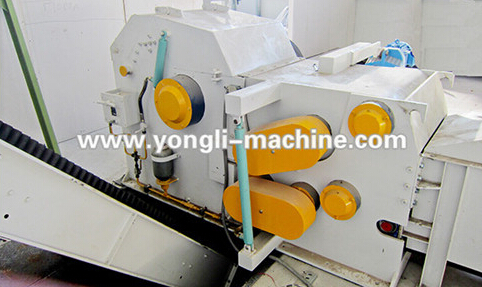
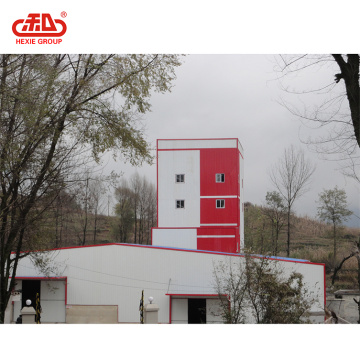
Wood Product Processing Lines
Source industrial-grade Wood Product Processing Lines from vetted manufacturers and suppliers in Asia. Designed for importers, distributors, and manufacturing brands, our network provides high-capacity, automated woodworking production lines tailored to your specific throughput, electrical, and facility requirements.
Sourcing complete wood product processing lines requires more than just comparing spec sheets; it demands rigorous verification of system integration, electrical compliance, and long-term reliability. When importing automated woodworking machinery from Asia, successful procurement hinges on aligning your exact production parameters with a capable manufacturer's engineering strengths. A poorly integrated line can lead to severe bottlenecks, excessive material waste, and costly downtime.
Defining Your Processing Line Specifications
Before engaging suppliers, your RFQ must detail the entire production envelope. Wood processing equipment is highly sensitive to raw material variance, and manufacturers need precise data to engineer the correct drives, cutting tools, and material handling systems.
Critical Parameters for Your RFQ
- Raw Material Specs: Species density, moisture content limits, and input dimensions.
- Target Throughput: Required capacity in cubic meters per hour (cbm/h) or pieces per shift.
- Automation Tier: Semi-automated (manual loading/unloading) vs. fully automated CNC/PLC integrated lines.
- Electrical Standards: Specific voltage, phase, and frequency (e.g., 480V/60Hz for North America), plus required certifications (UL, CE, CSA).
- Footprint Constraints: Maximum allowable length, width, and height for the installed line, including maintenance clearances.
If your production requires specialized configurations, conducting thorough factory audits is essential to ensure the supplier has genuine engineering capabilities, rather than just assembling off-the-shelf components.
Need help evaluating machinery manufacturers in Asia? Let's review your technical requirements.
Talk to our teamEvaluating Factory Capability and Integration
The Chinese industrial machinery market consists of both true manufacturers (who engineer and machine their own heavy frames) and assemblers (who buy frames and bolt on third-party motors and PLCs). For high-vibration wood processing, frame rigidity and component alignment are paramount.
| Capability Area | Standard Assembler | True Manufacturer |
|---|---|---|
| Frame Construction | Welded light steel, outsourced | Heavy-duty cast iron or stress-relieved steel, machined in-house |
| Component Sourcing | Domestic tier-2 electronics | Tier-1 international (Siemens, Schneider, Rexroth) |
| Software Integration | Basic localized PLC, limited English UI | Fully translated UI, SCADA compatibility, remote diagnostic support |
| FAT Capabilities | Dry run only (no wood) | Full load testing with your specified raw materials |
The Importance of Factory Acceptance Testing (FAT)
Never authorize the final balance payment or allow the equipment to be packed without a successful FAT. This involves running the fully assembled line at the factory using your actual raw materials.
Quality Control Check
Vibration and alignment issues often only appear under load. Implementing rigorous pre-shipment inspection during the FAT ensures that feed speeds, cutting tolerances, and safety interlocks perform to your exact specifications before the machinery is dismantled for shipping.
Logistics, Shipping, and Installation
Wood product processing lines rarely fit neatly into standard shipping containers without significant disassembly.
- OOG (Out of Gauge) Cargo: Large presses, multi-head moulders, or continuous kilns often require flat racks or open-top containers.
- Preservation: Sea freight exposes machinery to high humidity. Ensure your contract specifies heavy-duty vacuum sealing with desiccant packs and anti-rust oil application on all bare metal surfaces.
- Documentation: Ensure the supplier provides comprehensive mechanical drawings, electrical schematics (in English), and an itemized packing list to facilitate reassembly.
Coordinating the shipping and freight for multi-container production lines requires precise timing to avoid demurrage charges at the destination port.
Pricing Structures and Lead Times
Industrial processing lines are capital expenditures with pricing driven heavily by the automation tier and the origin of key components (e.g., upgrading from a domestic spindle to an Italian HSD spindle).
- Typical MOQs: 1 complete line.
- Lead Times: 60 to 120 days for manufacturing, depending on customization, plus 30 to 45 days for ocean freight.
- Payment Terms: Standard terms are typically 30 percent T/T deposit upon order confirmation, with the 70 percent balance paid only after a successful FAT and prior to loading.
Protect your capital expenditure. We can help negotiate secure payment terms tied to strict performance milestones.
Get a free consultationFrequently Asked Questions
Successfully sourcing wood product processing lines is about managing the total cost of ownership. A lower upfront price from an unverified supplier often results in higher installation costs, frequent breakdowns, and lost production time. Securing the right manufacturing partner ensures your line hits target yields from day one.
Get Sourcing Help for Wood Product Processing Lines
Tell us your requirements and our experts will connect you with verified manufacturers.