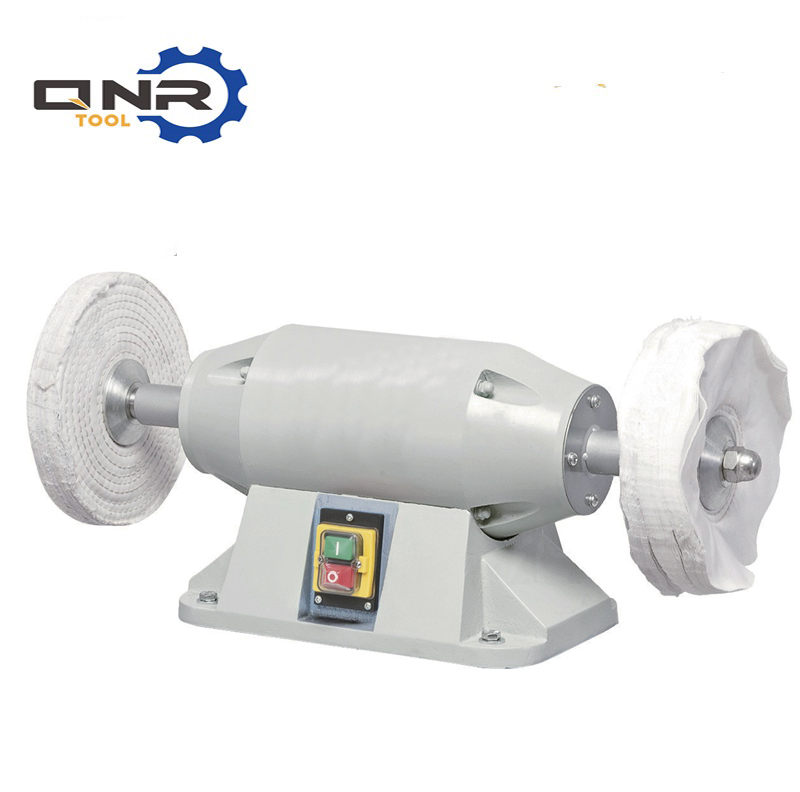
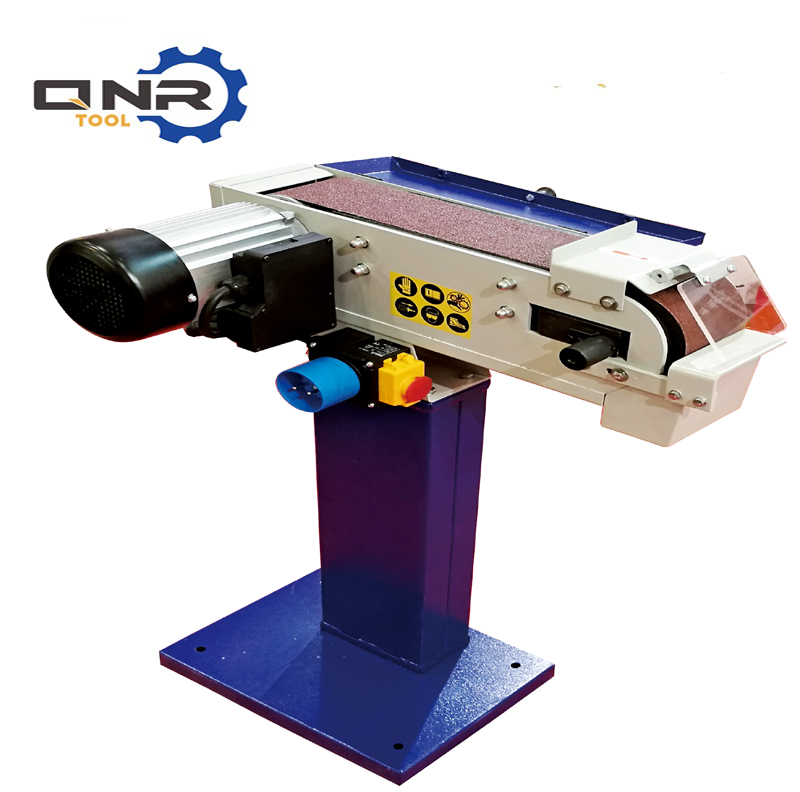
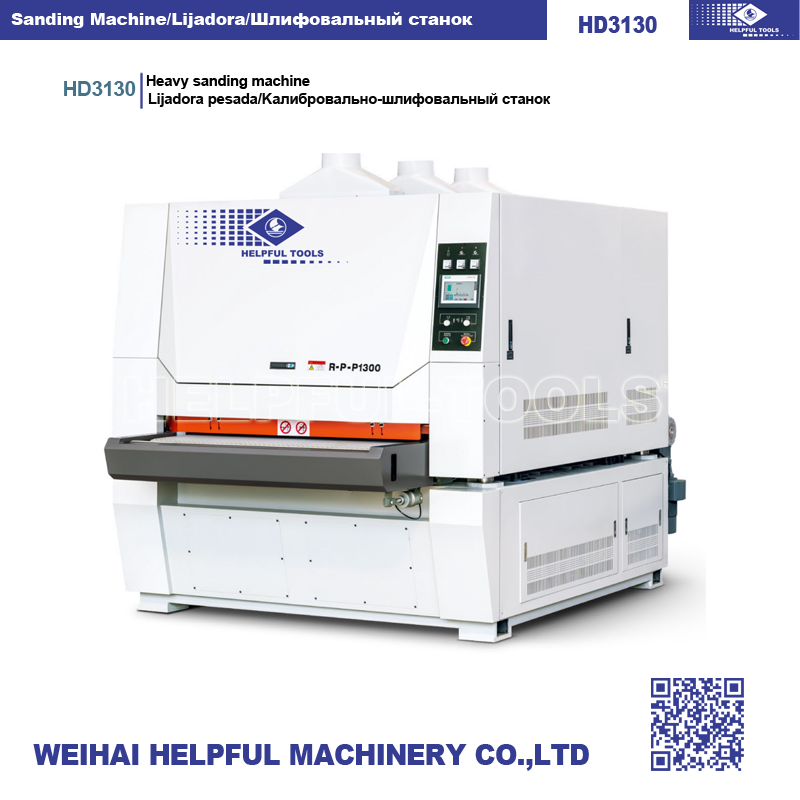
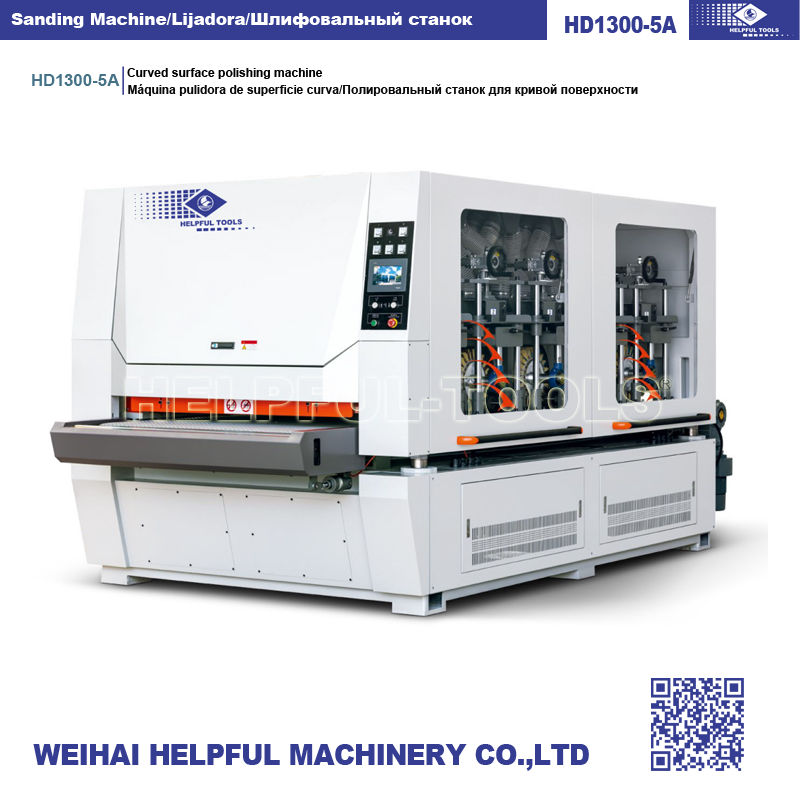
Wood Processing Grinding, Sanding or Polishing Machines
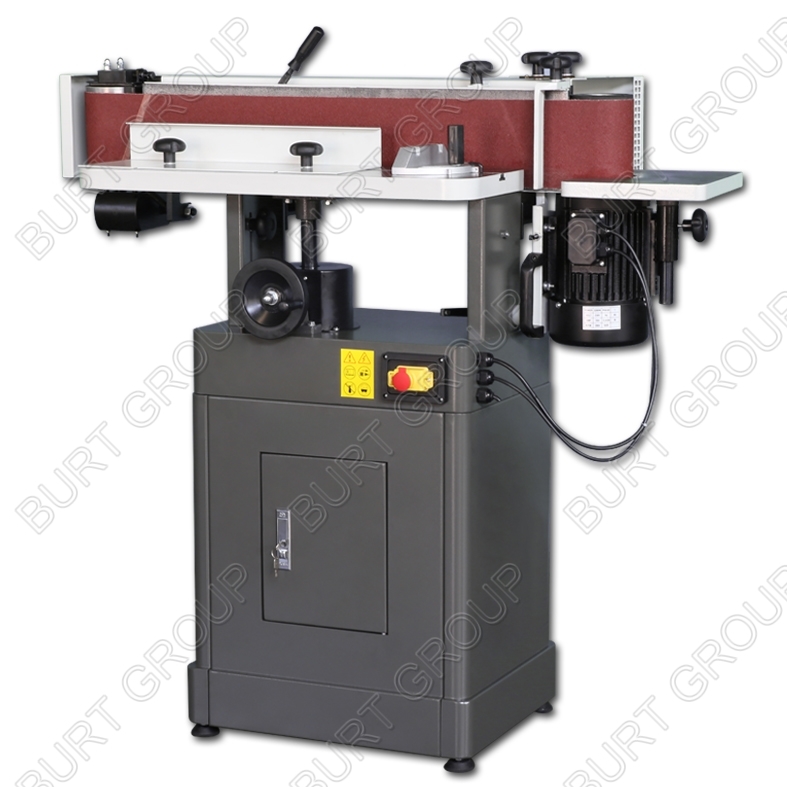
Source industrial-grade Wood Processing Grinding, Sanding or Polishing Machines from vetted suppliers and manufacturers. Designed for importers, wholesalers, and brands seeking reliable OEM production, our network provides high-volume access to precision woodworking equipment built to international standards.
Sourcing heavy-duty wood grinding, sanding, and polishing machinery in bulk requires navigating complex technical specifications, strict safety standards, and highly variable manufacturing quality. For industrial woodworking equipment, a factory's ability to maintain tight machining tolerances on the machine's own components directly dictates the surface finish quality your end-users will achieve. Success depends on verifying the structural integrity, component sourcing, and electrical compliance of the equipment before it leaves the factory floor.
Core Specifications and Structural Integrity
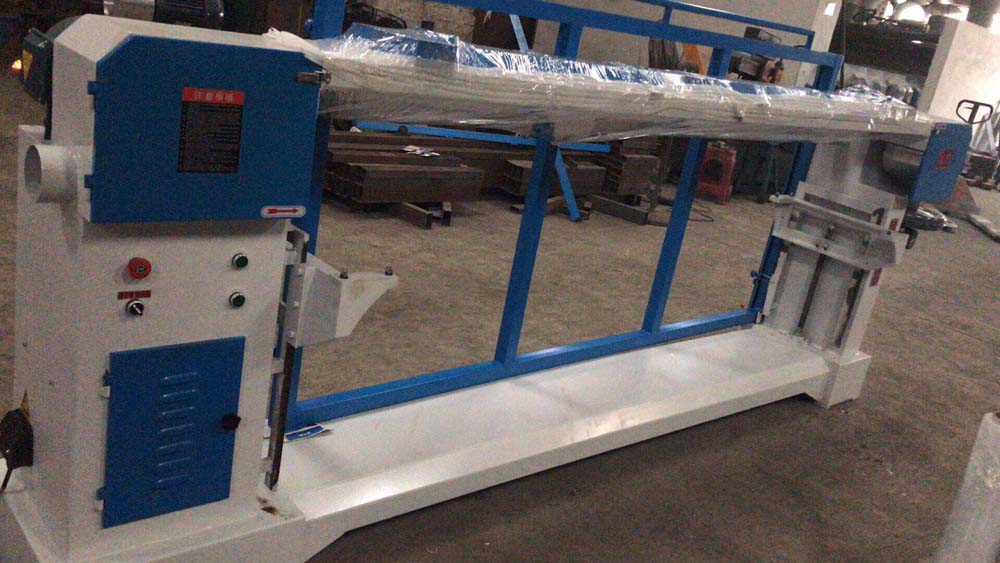
When evaluating suppliers for wide belt sanders, edge sanders, or profile polishing machines, the structural frame is the foundation of performance. High-speed abrasive belts generate significant vibration; if the machine frame lacks sufficient mass and rigidity, that vibration transfers to the workpiece, causing chatter marks and uneven finishes.
Beyond the frame, buyers must specify exact operational parameters to ensure the machinery meets their target market's needs:
- Working Dimensions: Maximum working width (typically 600mm to 1300mm for wide belt models) and working thickness ranges.
- Motor Configurations: Independent motors for each sanding head versus single-motor setups. Specify power in kW or HP, ensuring the factory uses standard, easily replaceable motor footprints.
- Feed Systems: Variable feed speeds (typically 5 to 20 meters per minute) driven by frequency inverters.
- Abrasive Belt Tracking: Photoelectric oscillation systems are standard for industrial units; avoid mechanical tracking on heavy-duty models.
| Frame Construction | Vibration Dampening | Weight Profile | Best Application |
|---|---|---|---|
| Cast Iron Base | Excellent | Extremely heavy | Heavy calibration sanding, high-volume production |
| Heavy Welded Steel | Good | Moderate to heavy | General finishing, veneer sanding |
| Light Gauge Steel | Poor | Lightweight | Hobbyist or light intermittent use |
Need help verifying the structural specifications of potential suppliers? Our engineering team can evaluate factory capabilities to ensure your machinery meets industrial standards.
Talk to our teamComponent Quality and Factory Verification
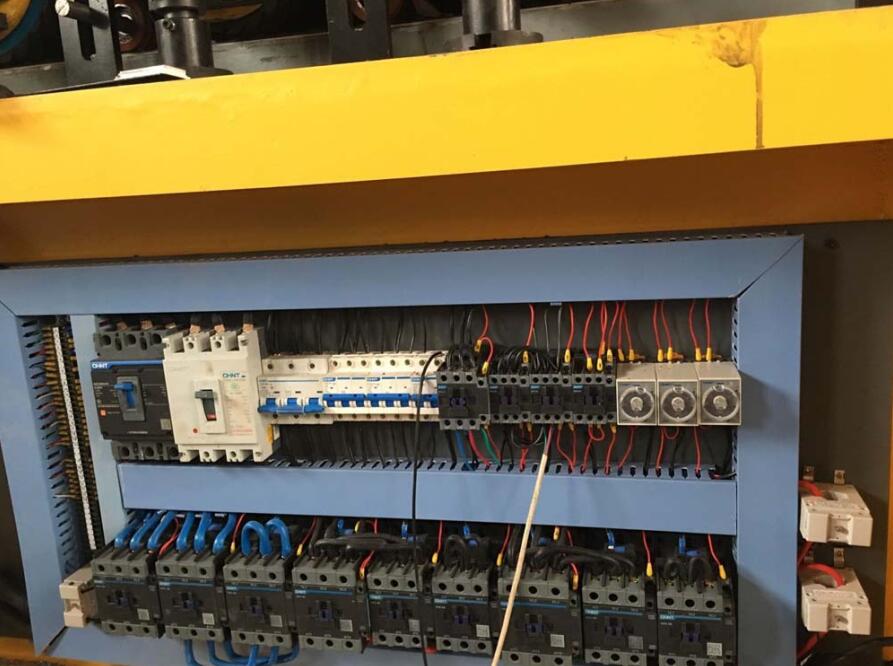
The primary difference between a machine that runs flawlessly for a decade and one that suffers constant downtime lies in the internal components. Top-tier Chinese manufacturers will utilize internationally recognized brands for critical parts—such as Siemens or Schneider for electrical contactors, Delta for PLC controllers, and SKF or NSK for bearings.
Lower-tier factories often cut costs by substituting these with generic domestic equivalents or failing to dynamically balance the contact rollers. Unbalanced rollers are a primary cause of belt breakage and poor sanding quality. Executing thorough factory audits is essential to verify the manufacturer's internal quality control processes, specifically their roller balancing equipment and electrical assembly standards.
Critical Pre-Shipment Inspection Points
- Dynamic balancing verification of all contact drums and tensioning rollers.
- Pneumatic system pressure tests to ensure consistent belt tension and tracking.
- Verification of electrical component brands against the agreed bill of materials.
- Run-out testing on the conveyor bed to ensure thickness tolerance is maintained.
- Dust extraction hood seal integrity and CFM flow checks.
Implementing rigorous quality control & inspection protocols before the machinery is crated prevents costly rework or unmarketable inventory upon arrival.
Production Realities: MOQ, Lead Times, and Pricing
Unlike consumer goods, industrial woodworking machinery operates on different production cycles. Most factories assemble these units to order, meaning lead times are heavily dependent on the availability of specialized components like heavy-duty motors and PLC units.
If you are developing a proprietary line of machinery under your own brand, utilizing OEM/ODM services allows you to specify custom paint, touch-screen interfaces, and safety guarding tailored to your local market regulations. Keep in mind that custom interface programming or non-standard voltage requirements (such as 220V/60Hz for North America versus the standard 380V/50Hz) will push lead times toward the higher end of the spectrum.
Planning a bulk order of woodworking machinery? Let us help you negotiate favorable terms, manage production schedules, and optimize container loading.
Get a free consultationFrequently Asked Questions
When sourcing wood grinding, sanding, or polishing machines, prioritize structural mass and component reliability over superficial features. A heavy, well-balanced machine with reliable electricals will consistently outperform a lighter machine with a flashy touchscreen. Focus your sourcing efforts on factories that can prove their machining tolerances and component provenance.
Get Sourcing Help for Wood Processing Grinding, Sanding or Polishing Machines
Tell us your requirements and our experts will connect you with verified manufacturers.