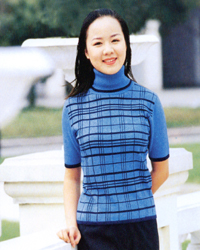
Women's Sweaters
Source premium women's sweaters directly from vetted manufacturers and wholesale suppliers across Asia. Designed for importers, apparel distributors, and fashion brands requiring high-volume OEM or private-label production, this curated network delivers reliable capacity, consistent yarn quality, and competitive pricing.
Sourcing women's sweaters at scale is an exercise in precision. Unlike cut-and-sew woven apparel, knitwear requires you to engineer the fabric and the garment simultaneously. From specifying the exact yarn twist and composition to managing the linking process on the factory floor, bulk knitwear production leaves no room for ambiguity. Success depends on partnering with factories that possess the right machine park and strict tension control protocols.
Defining Knitwear Specifications
When submitting tech packs to a factory, yarn composition is only the baseline. Professional buyers must dictate the gauge (gg), yarn count, and twist to ensure the final garment matches the target weight and hand-feel.
| Gauge (gg) | Typical Application | Production Characteristics |
|---|---|---|
| 1.5gg - 5gg | Chunky winter knits, heavy cardigans | Slower knitting speed; requires robust linking machines and skilled operators. |
| 7gg - 9gg | Mid-weight transitional sweaters | Versatile; excellent for intarsia and complex cable structures. |
| 12gg - 16gg | Fine gauge pullovers, delicate layering | High-speed automated knitting; requires precise tension control to avoid needle lines. |
For brands developing custom collections, utilizing OEM/ODM services ensures that your specific yarn blends—whether 100 percent merino, cashmere-silk, or cost-effective cotton-acrylic—are sourced efficiently and tested for performance before bulk knitting begins.
Need reliable knitwear production? Let us match your tech packs with vetted factories capable of meeting strict quality standards.
Talk to our teamManufacturing Tolerances and Defect Prevention
Knitwear manufacturing is highly susceptible to environmental factors. Humidity variations on the factory floor can alter yarn tension, leading to inconsistent sizing across a single production run.
Before committing to a high-volume order, conducting thorough factory audits is critical. You must verify that the supplier utilizes modern, well-maintained flat knitting machines (such as Shima Seiki or Stoll) and has dedicated linking stations.
Critical Quality Control Checks
During in-line and pre-shipment quality control, inspectors must look for specific knitwear defects that render a garment unsellable:
Knitwear Inspection Priorities
- Symmetry and Measurement: Sweaters easily stretch; measurements must be taken flat without tension.
- Linking Quality: Necklines and armholes must be linked stitch-for-stitch without puckering or dropped stitches.
- Needle Lines: Vertical lines caused by damaged or bent needles on the knitting machine.
- Pilling Resistance: Verifying that the yarn meets the specified Martindale or ICI pilling box test grade (typically Grade 3 or 4).
- Color Shading: Ensuring consistency across different knitting batches, especially in heathered or melange yarns.
Pricing, MOQs, and Production Realities
Knitwear pricing is primarily driven by yarn cost (often priced per kilogram) and knitting time. A complex intarsia pattern on a fine gauge machine takes significantly longer to knit than a basic jersey stitch, directly impacting the FOB price.
Minimum Order Quantities (MOQs) in sweater production are heavily dictated by the yarn. If you are using stock yarn colors, factories can offer lower minimums. If you require custom-dyed yarn, the MOQ is determined by the dyeing vat capacity.
Navigating yarn minimums and production schedules? Our sourcing experts can help optimize your knitwear supply chain.
Get a free consultationFrequently Asked Questions
Successful sweater sourcing requires looking past the showroom samples and understanding the factory's yarn sourcing network and technical capabilities. Aligning your product's complexity with the right manufacturer's machinery is the single most important decision in your knitwear supply chain.
Get Sourcing Help for Women's Sweaters
Tell us your requirements and our experts will connect you with verified manufacturers.