Wiring Harnesses
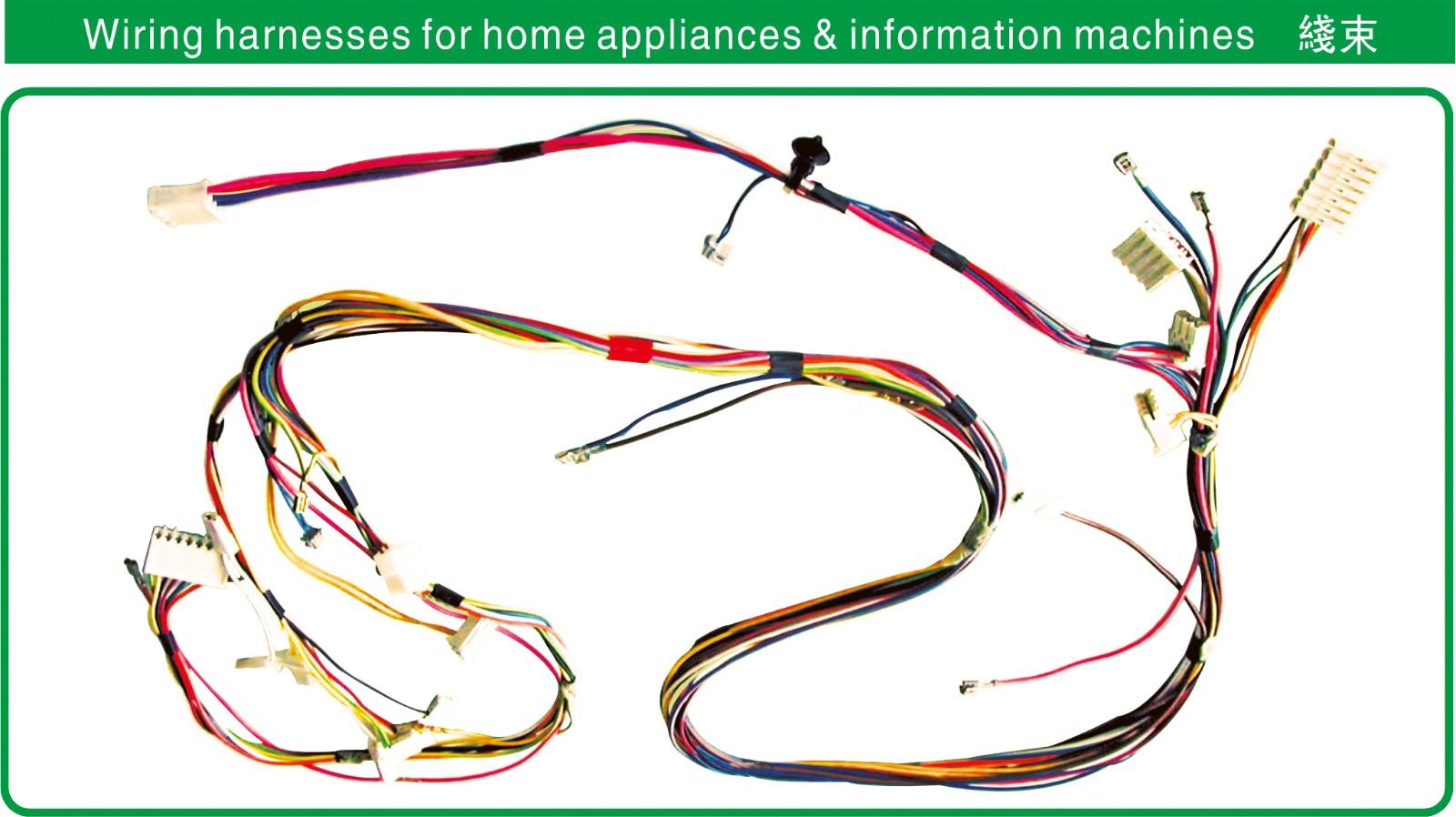
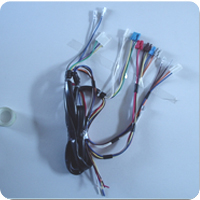
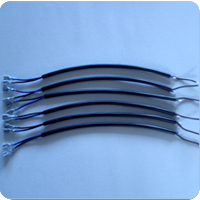
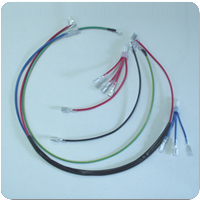
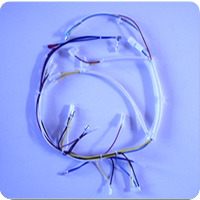
Source high-quality wiring harnesses from vetted suppliers and manufacturers in China and across Asia. Designed for importers, distributors, and brands requiring reliable OEM and custom production, our network delivers scalable manufacturing solutions. Secure competitive wholesale pricing for your exact specifications.
Sourcing wiring harnesses at scale requires absolute precision in both specification and execution. As the central nervous system of any electrical product, a harness failure often means catastrophic system downtime. The primary sourcing challenge is not simply finding a factory that can cut and crimp wire; it is identifying a manufacturing partner capable of managing complex bills of materials (BOM), executing precise tooling, and maintaining rigorous, documented quality control across thousands of units without inflating lead times.
Engineering and Specifying Custom Harnesses
When developing custom assemblies through OEM/ODM Services, the technical documentation you provide dictates the quality of the final product. A complete specification package must move beyond basic pinouts. Buyers need to define exact wire gauges (AWG), insulation materials, shielding requirements, and connector equivalents.
Insulation choice directly impacts both cost and application suitability. Manufacturers typically offer several standard options, and selecting the right material prevents over-engineering while ensuring durability.
| Insulation Material | Thermal Limit | Primary Application |
|---|---|---|
| PVC | Up to 105°C | Consumer electronics, standard appliances |
| Teflon (PTFE) | Up to 260°C | Aerospace, high-frequency signal transmission |
| Silicone | Up to 200°C | Industrial machinery, high-flex environments |
| XLPE | Up to 125°C | Automotive, harsh environment power distribution |
Specifying connector brands is another critical cost driver. While original TE Connectivity, Molex, or JST connectors can be sourced, many Asian manufacturers excel at producing high-quality, form-fit-function equivalent connectors. Deciding whether to accept equivalent housings and terminals can reduce BOM costs by up to 40 percent, provided the factory's tooling tolerances are verified.
Need a partner to manage your custom wiring harness production and supplier vetting?
Talk to our teamManufacturing Processes and Quality Control
Quality is won or lost on the factory floor during three critical stages: wire processing, terminal crimping, and final assembly. Advanced factories utilize automated cutting, stripping, and crimping machines to ensure consistency. Manual crimping is highly prone to human error and should only be accepted for low-volume, highly complex prototype runs.
Verifying a supplier's production capability often requires thorough Factory Audits to ensure they hold the necessary certifications (such as IATF 16949 for automotive applications or ISO 9001 for general industrial use) and maintain calibrated testing equipment.
Automated Cutting and Stripping
Programmable machines cut wire to exact lengths and strip insulation without nicking the underlying copper strands.
Terminal Crimping
Terminals are applied using precision applicators. The crimp height and width are monitored to ensure optimal mechanical strength and electrical conductivity.
Harness Assembly and Routing
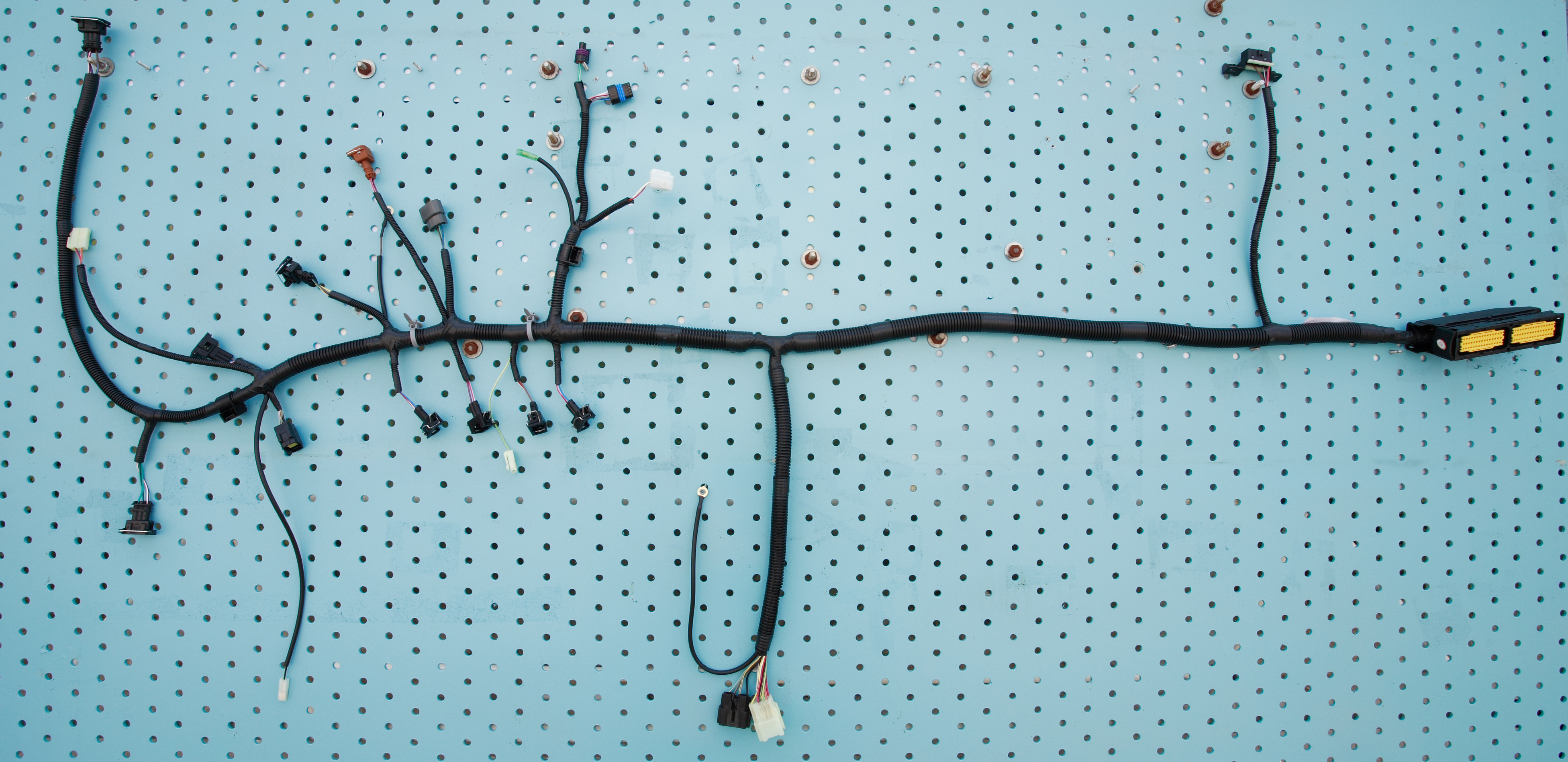
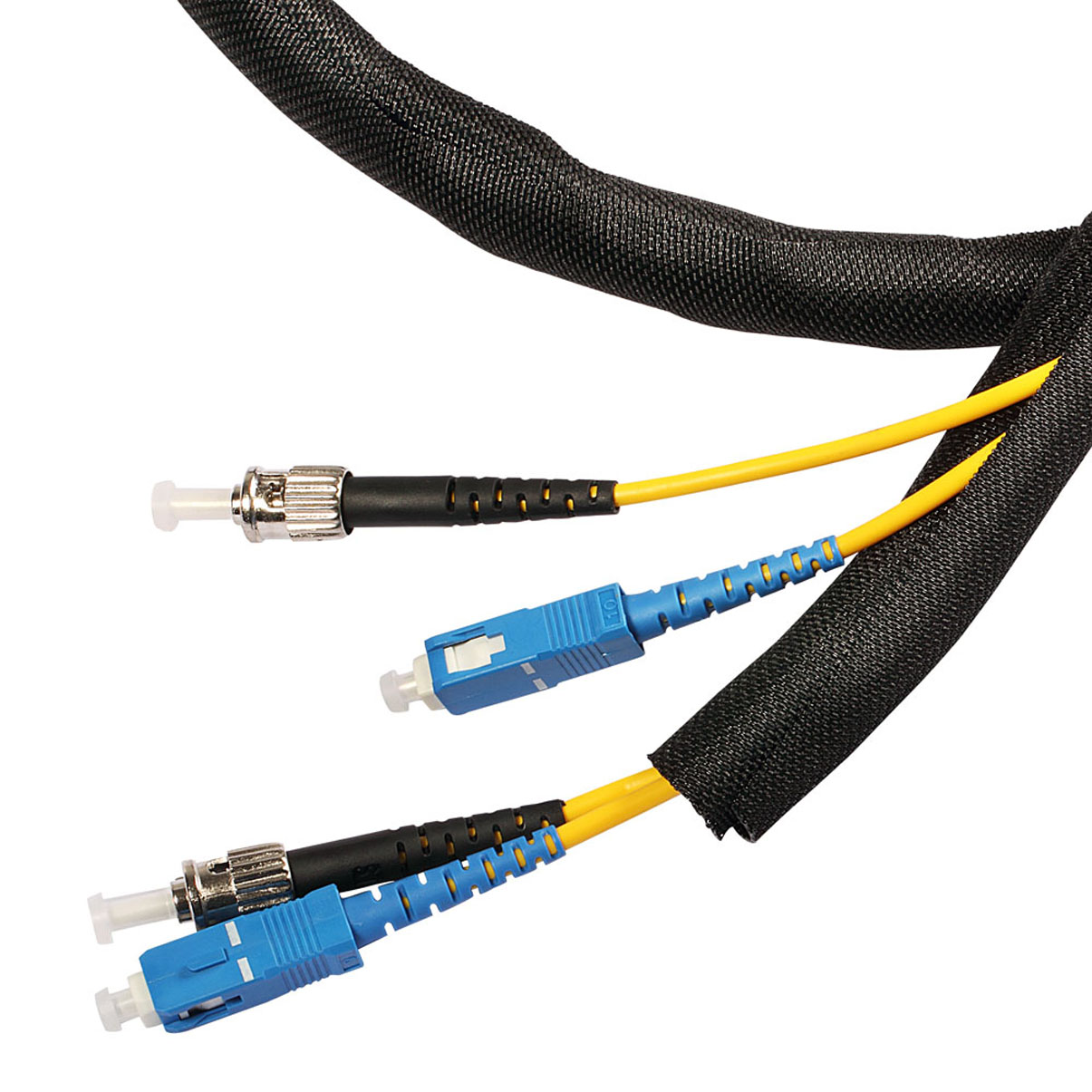
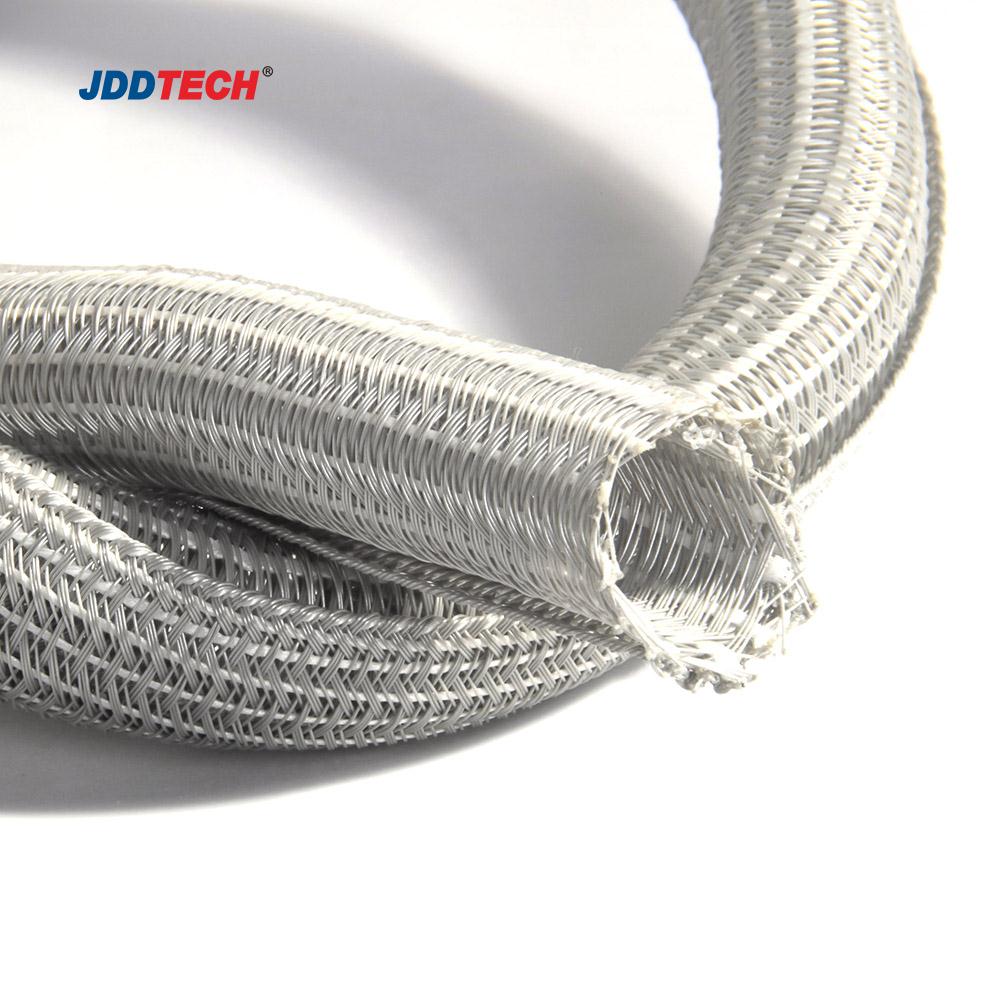
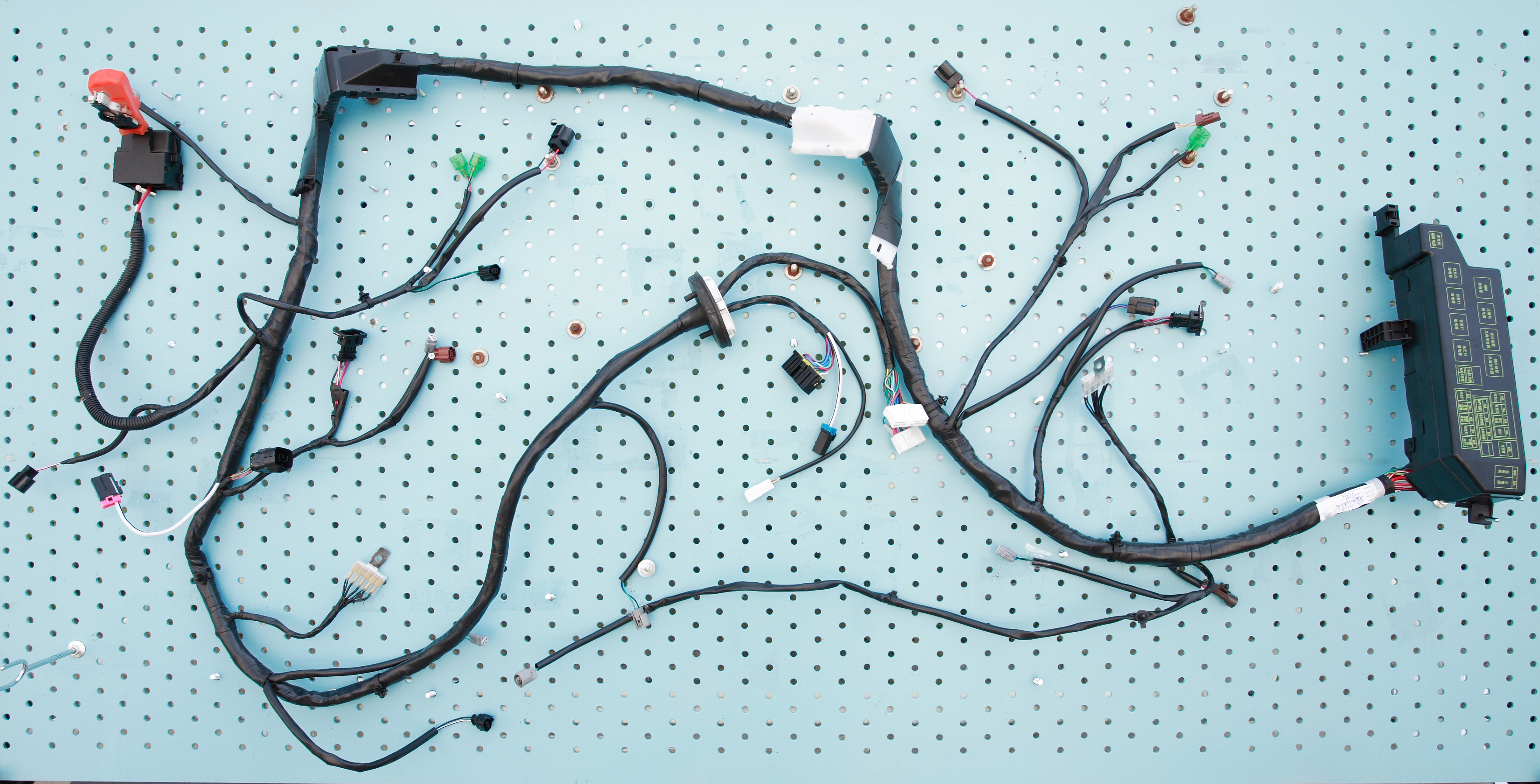
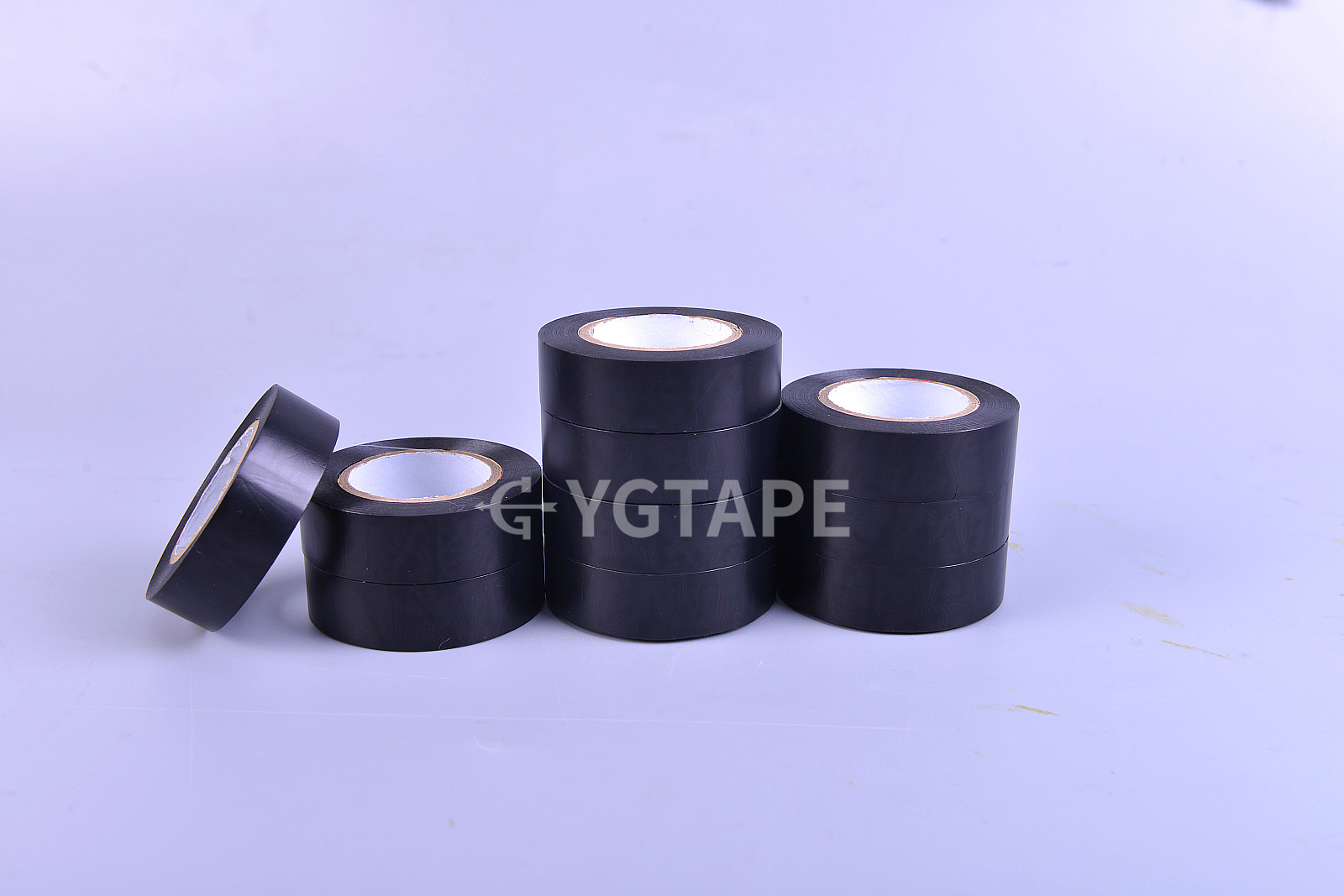
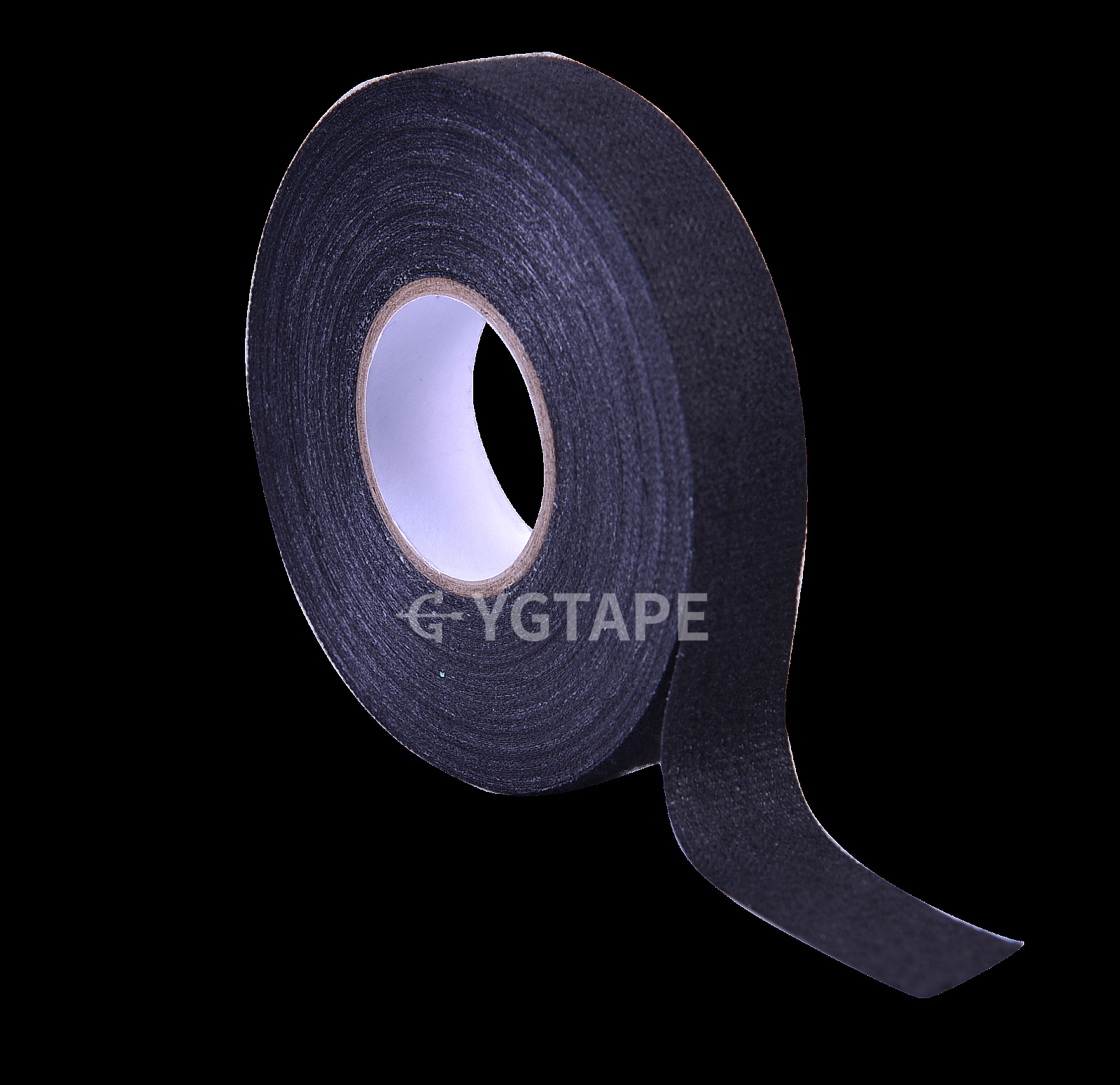
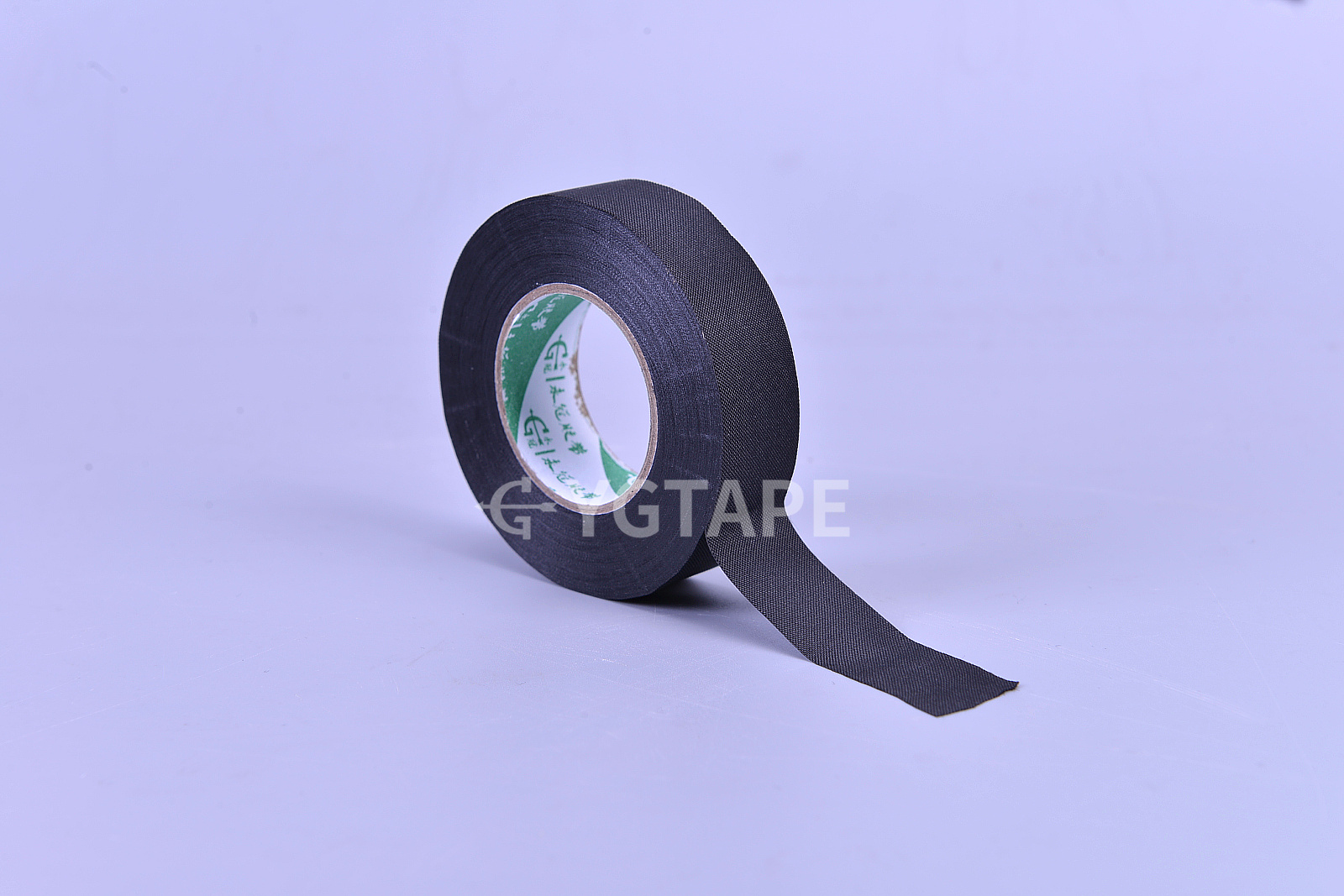
Wires are routed on custom pin boards, then bundled using heat shrink, conduit, or specialized taping (e.g., fleece or PVC tape) based on flexibility and abrasion requirements.
Automated Testing
Completed harnesses are connected to computerized testing boards to verify continuity, check for short circuits, and confirm correct pinouts.
To prevent defective batches from leaving the facility, rigorous Quality Control & Inspection protocols must be enforced. Do not rely solely on the factory's internal reporting.
Critical Pre-Shipment Inspection Checks
- Pull-force testing on crimped terminals to verify mechanical integrity
- 100 percent continuity and short-circuit testing via automated test boards
- Visual inspection of heat shrink application and taping overlap
- Verification of wire routing dimensions and overall harness length tolerances
- Connector mating force and locking mechanism validation
Sourcing Economics: Pricing, MOQs, and Lead Times
Wiring harness pricing is heavily influenced by the global copper market, the complexity of the BOM, and tooling requirements for custom connectors or overmolding. Because copper prices fluctuate daily, quotes are typically valid for a brief window (often 7 to 14 days).
Minimum Order Quantities (MOQs) depend largely on the degree of customization. Standard configurations using readily available equivalent connectors will have lower thresholds, while harnesses requiring custom plastic injection tooling for unique housings or specialized overmolds will demand higher volumes to absorb setup costs.
Optimize your harness BOM and compare pricing from audited manufacturers.
Get a free consultationFrequently Asked Questions
Successfully sourcing wiring harnesses requires locking down every detail of your BOM, from copper strand counts to tape specifications, before production begins. By partnering with vetted manufacturers who utilize automated processing and stringent testing, you can stabilize your supply chain and protect your final product from electrical failures.
Get Sourcing Help for Wiring Harnesses
Tell us your requirements and our experts will connect you with verified manufacturers.