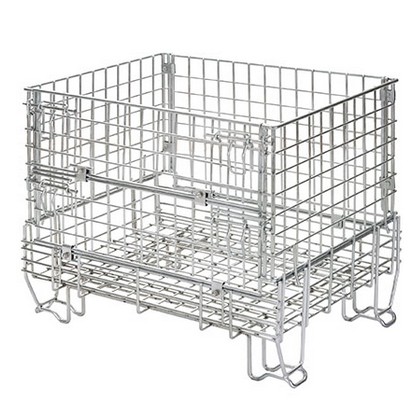
Wire Mesh Steel Containers
Source high-quality Wire Mesh Steel Containers from vetted suppliers and manufacturers across Asia. Designed for importers, wholesale distributors, and procurement managers, our wholesale catalog offers robust storage solutions built for demanding warehousing environments, with full support for custom OEM specifications and bulk volume orders.
Wire mesh steel containers are foundational to modern material handling, WIP (work-in-progress) storage, and closed-loop transit systems. When sourcing these units in bulk, the primary challenge is balancing structural integrity—dictated by wire gauge, mesh pitch, and base reinforcement—against raw material volatility and freight efficiency. Procuring durable containers requires looking past the spec sheet and understanding the manufacturer's welding consistency and surface treatment processes.
Critical Specifications for Bulk Buyers
A container's performance in a high-turnover warehouse depends entirely on its engineering. Standardized models exist, but high-volume buyers often require specific modifications to integrate with existing racking systems or automated guided vehicles (AGVs).
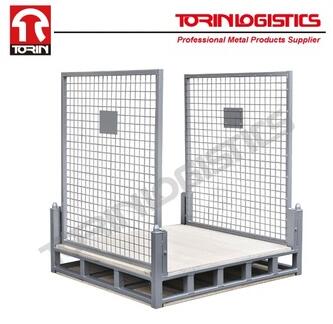
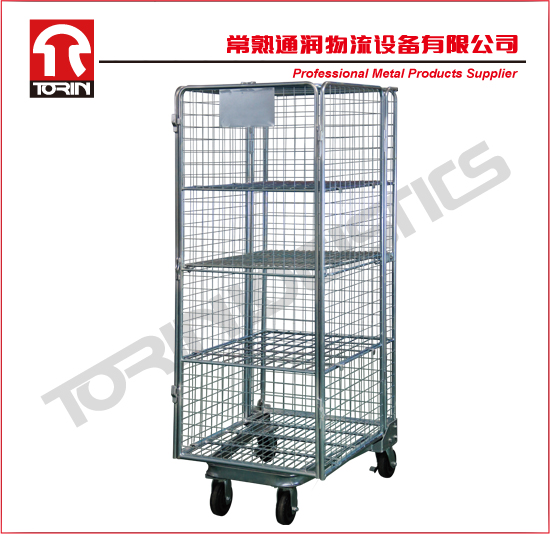
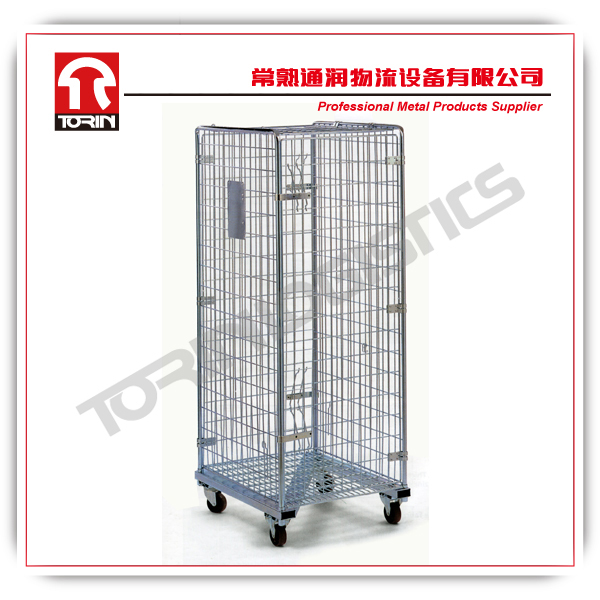
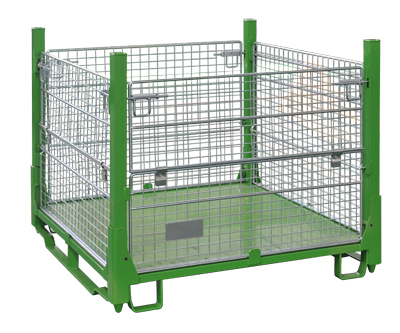
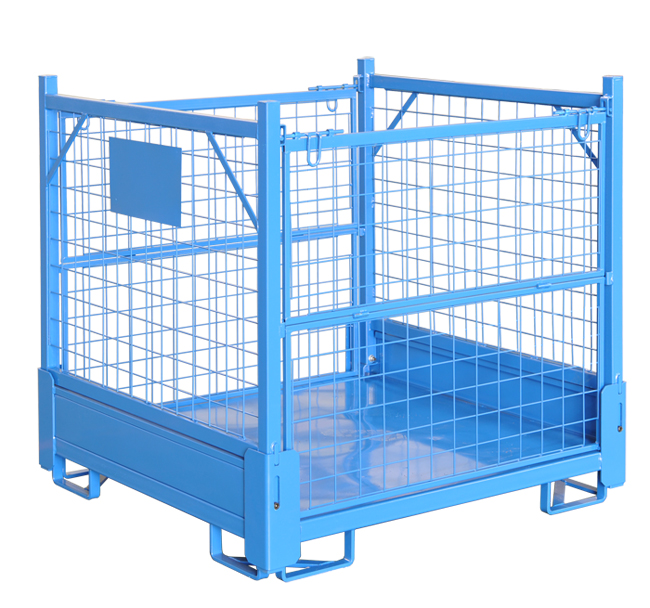
- Wire Gauge and Mesh Pitch: The diameter of the steel wire (typically 4mm to 6mm) and the grid spacing (e.g., 50x50mm or 50x100mm) determine the container's containment capabilities and overall rigidity.
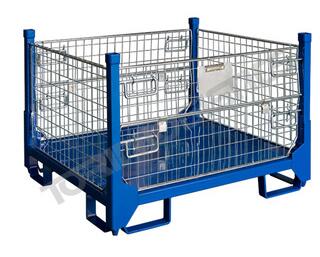
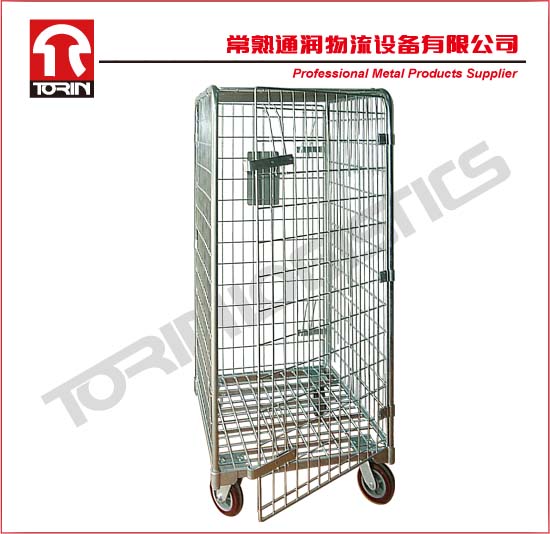
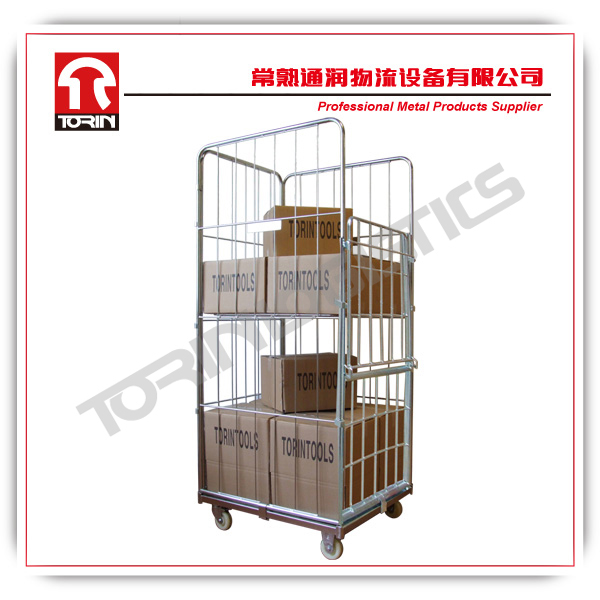
- Base Design and U-Channels: Load capacity (often ranging from 500kg to over 2000kg) is primarily supported by the base. Look for heavy-duty U-channel steel reinforcements welded beneath the mesh floor.
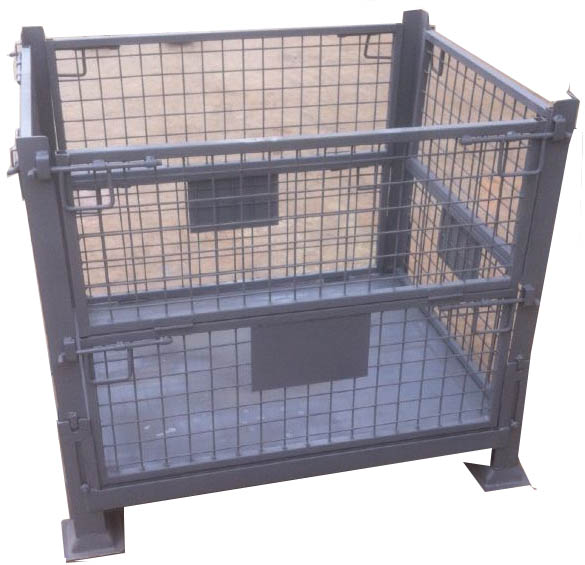
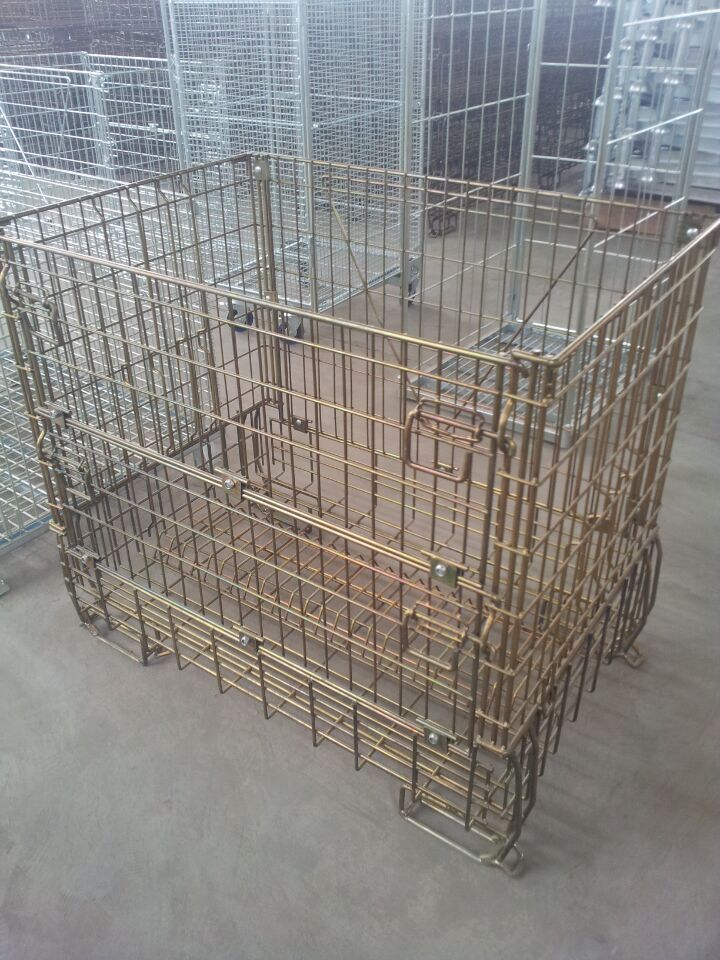
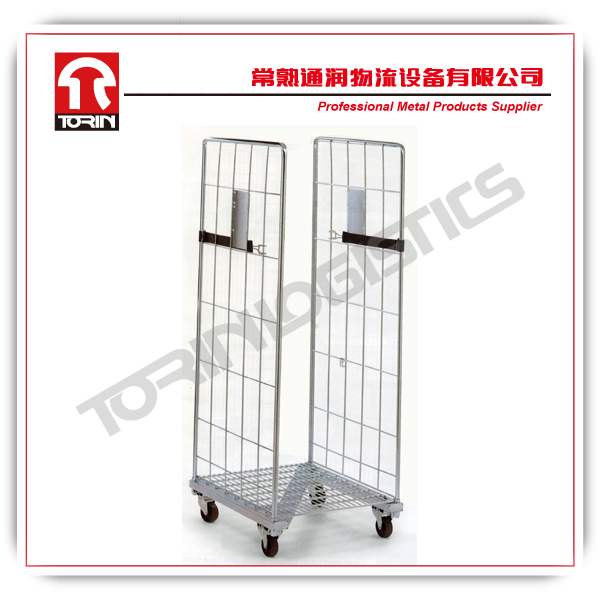
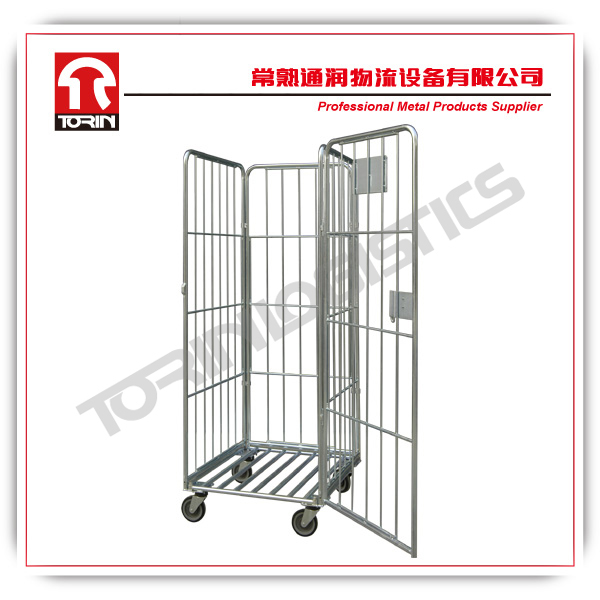
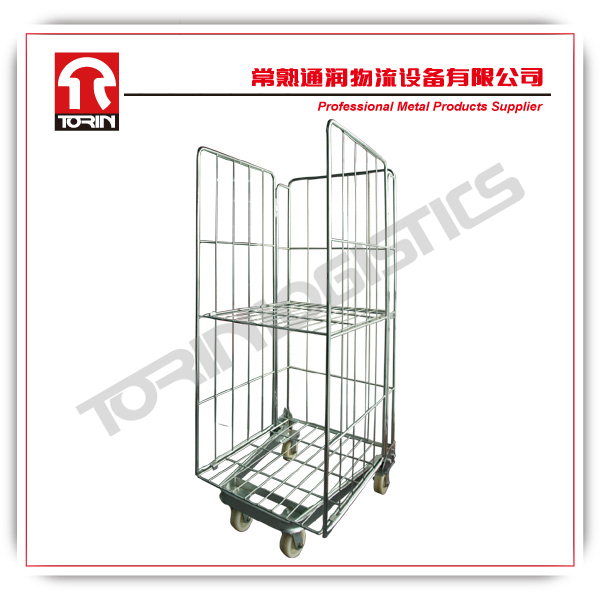
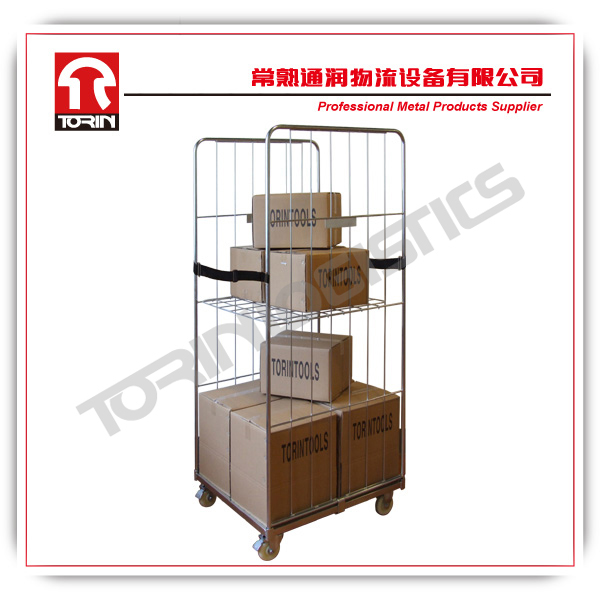
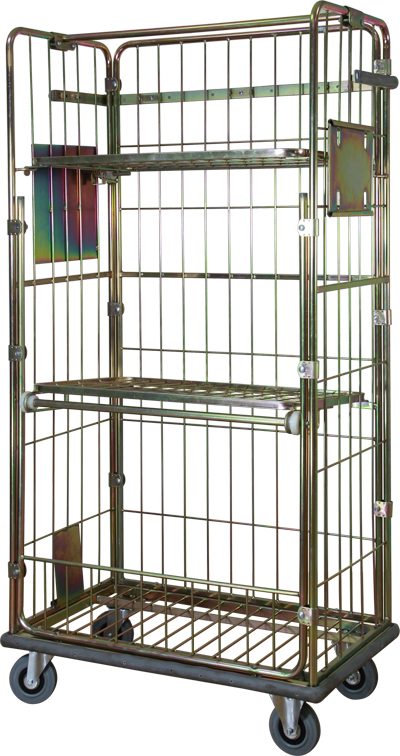
- Collapsibility and Stackability: To optimize return freight and empty storage, containers must fold flat. The hinge mechanisms must be robust enough to withstand repeated folding without warping, and the drop-gates must latch securely.
Need containers engineered for specific load requirements or automated handling systems? Talk to our sourcing engineers.
Discuss your specificationsSurface Treatments Compared
The operating environment dictates the necessary surface treatment. Specifying the wrong finish either inflates costs unnecessarily or leads to premature rust and structural failure.
| Treatment Type | Corrosion Resistance | Relative Cost | Ideal Application |
|---|---|---|---|
| Electro-Galvanized | Moderate | Low | Standard indoor warehousing and dry environments. |
| Hot-Dip Galvanized | Excellent | High | Outdoor storage, cold rooms, or corrosive environments. |
| Powder Coated | Good | Medium | Color-coded inventory systems and custom branding. |
Manufacturing Quality Control
The structural integrity of a wire mesh container is won or lost during the welding process. Many lower-tier factories rely on manual welding, which introduces human error, inconsistent weld penetration, and "cold welds" that snap under heavy loads. Top-tier manufacturers utilize automated gantry welding machines for the mesh panels, ensuring uniform strength across every intersection.
Before committing to a production run, verifying the manufacturer's equipment and quality management system is essential. Conducting comprehensive Factory Audits ensures the supplier possesses the automated machinery necessary for consistent high-volume production.
Key Pre-Shipment Inspection Points
- Weld Integrity: Check for cold welds, splatter, or sharp burrs that could damage goods or injure operators.
- Dimensional Tolerance: Ensure assembled and collapsed dimensions match specs to guarantee stackability.
- Galvanization Thickness: Use a coating thickness gauge to verify the zinc layer meets the specified microns.
- Drop-Gate Functionality: Test latches and hinges for smooth operation under simulated load conditions.
- Load Testing: Apply static weight exceeding the rated capacity by at least 20 percent to check for base deflection.
Implementing strict Quality Control & Inspection protocols before the containers leave the factory floor is the only reliable way to prevent receiving a container load of defective, unstackable units.
Sourcing Mechanics: MOQs, Pricing, and Logistics
Because wire mesh containers are heavily reliant on steel, pricing fluctuates with global raw material indices. Furthermore, their bulky nature makes freight optimization a critical factor in your total landed cost.
Freight costs can easily erode product margins if containers are not designed to nest or collapse efficiently. Working with a partner who understands Shipping & Freight consolidation ensures that container space is maximized, driving down the per-unit shipping cost.
Looking to optimize your landed costs for bulk container orders? Our team can model your total supply chain expenses.
Get a freight & sourcing quoteFrequently Asked Questions
Successful procurement of wire mesh steel containers requires rigorous attention to steel grades, automated manufacturing capabilities, and freight efficiency. By partnering with experts who manage the process from factory floor to final delivery, buyers can secure reliable, heavy-duty storage assets without the typical supply chain friction.
Get Sourcing Help for Wire Mesh Steel Containers
Tell us your requirements and our experts will connect you with verified manufacturers.