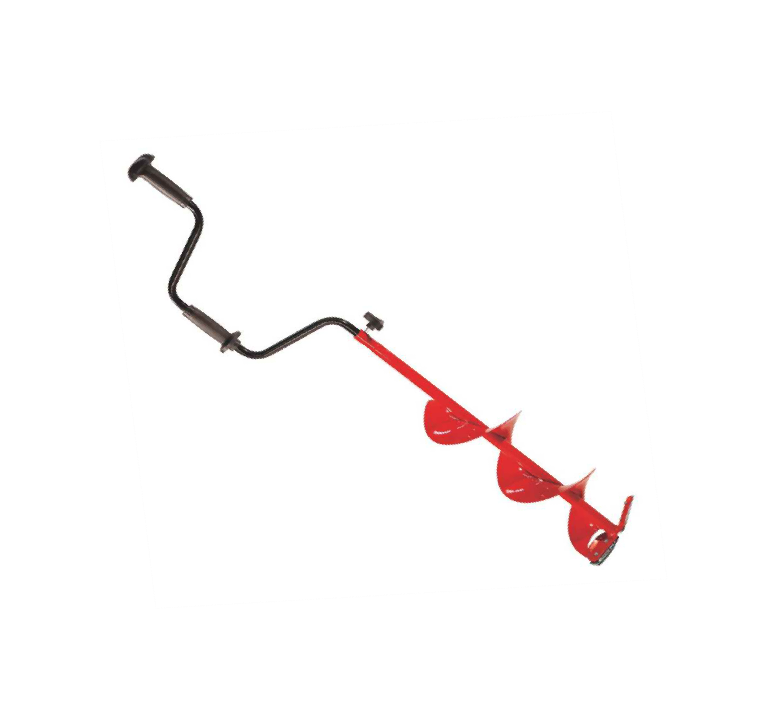
Winter Sports Accessories
Source high-performance winter sports accessories from vetted manufacturers and suppliers across Asia. Built for importers, distributors, and brands seeking reliable OEM and private-label production, our network delivers bulk manufacturing with strict quality control to meet harsh-weather demands.
Sourcing winter sports accessories in volume requires a strict balance of thermal performance, dexterity, and harsh-weather durability. Whether you are developing a private-label line of technical gear or importing bulk accessories for distribution, the primary challenge lies in ensuring that factory-floor execution matches your technical specifications. Inconsistent lamination, failed seam taping, or subpar insulation fill can instantly compromise the product's performance in sub-zero environments.
Specifying Technical Materials and Performance
When briefing a manufacturer, vague requests for "waterproof" or "warm" materials result in inconsistent production. Professional buyers must specify exact performance metrics for outer shells, membranes, and insulation. The two most critical metrics for winter accessories are the Hydrostatic Head (HH) rating for waterproofing and the Moisture Vapor Transmission Rate (MVTR) for breathability.
| Performance Tier | Waterproofing (HH) | Breathability (MVTR) | Typical Application |
|---|---|---|---|
| Entry-Level / Recreational | 5,000mm - 10,000mm | 5,000 g/m2/24h | Light resort use, casual winter wear |
| Mid-Range / Enthusiast | 10,000mm - 15,000mm | 10,000 g/m2/24h | Standard alpine sports, moderate activity |
| High-Performance / Pro | 20,000mm and above | 20,000+ g/m2/24h | Backcountry, extreme conditions, high exertion |
For insulation, specify the exact gram weight per square meter (e.g., 100g synthetic fill) or the exact fill power and down-to-feather ratio if using natural materials. If you are developing custom gear through OEM/ODM Services, ensure your tech pack clearly calls out the denier (D) of the face fabric to balance abrasion resistance with flexibility.
Need reliable manufacturers capable of meeting strict technical specifications? We vet factories for advanced material handling and production capabilities.
Talk to our teamManufacturing Vulnerabilities and Quality Control
Winter sports accessories often involve multi-layer construction—an outer shell, a waterproof/breathable membrane, insulation, and an inner lining. The complexity of joining these layers makes the manufacturing process highly susceptible to defects.
The most common failure points occur at the seams. Needles puncture the waterproof membrane during stitching; if these seams are not properly sealed with polyurethane tape or welded using high-frequency techniques, the accessory will leak.
Critical Inspection Points for Winter Accessories
- Seam Tape Adhesion: Verify tape is applied evenly without bubbling, peeling, or missed sections over complex joints.
- Membrane Integrity: Check for delamination between the face fabric and the waterproof membrane after washing/flexing.
- Insulation Distribution: Ensure synthetic or down fill is evenly distributed without cold spots or clumping.
- Hardware Durability: Test zippers, toggles, and snaps for cold-weather performance (plastics can become brittle at sub-zero temperatures).
To mitigate these risks, implementing robust Quality Control & Inspection protocols during production (in-line) and prior to shipping is non-negotiable. Catching a seam-taping failure before the goods leave the factory saves substantial capital and protects your brand reputation.
Sourcing Mechanics: MOQs, Lead Times, and Pricing
The winter sports manufacturing cycle is heavily seasonal. Factories peak between May and August to meet autumn delivery windows for the Northern Hemisphere. Booking capacity late often results in rushed production or outright rejection.
Production Timing
If you require custom fabric colors (lab dips) or specialized performance testing, add an additional 30 to 45 days to your sourcing timeline prior to mass production.
Pricing is highly sensitive to the technical components used. Upgrading from a standard PU coating to a branded PTFE membrane will significantly increase the unit cost. Similarly, utilizing branded insulation or specialized waterproof zippers (e.g., YKK AquaGuard) will drive up raw material costs but allow for higher retail positioning.
Optimize your winter sports supply chain. We manage production schedules, negotiate pricing, and oversee quality on the ground.
Get a free consultationRegulatory Compliance and Testing
Winter accessories imported into major markets must adhere to strict chemical and safety regulations. In the European Union, materials must comply with REACH standards, particularly regarding the restriction of certain azo dyes and perfluorinated compounds (PFCs) often used in older durable water repellent (DWR) treatments. The industry is rapidly shifting toward C0 (fluorocarbon-free) DWR treatments. Engaging a partner for Compliance & Testing ensures your shipments are not held up at customs due to missing documentation or failed chemical audits.
Frequently Asked Questions
Successfully sourcing winter sports accessories requires rigorous attention to material specifications and factory-level execution. By partnering with experienced sourcing professionals, you can secure reliable production capacity, enforce strict quality standards, and ensure your products perform when the temperature drops.
Get Sourcing Help for Winter Sports Accessories
Tell us your requirements and our experts will connect you with verified manufacturers.