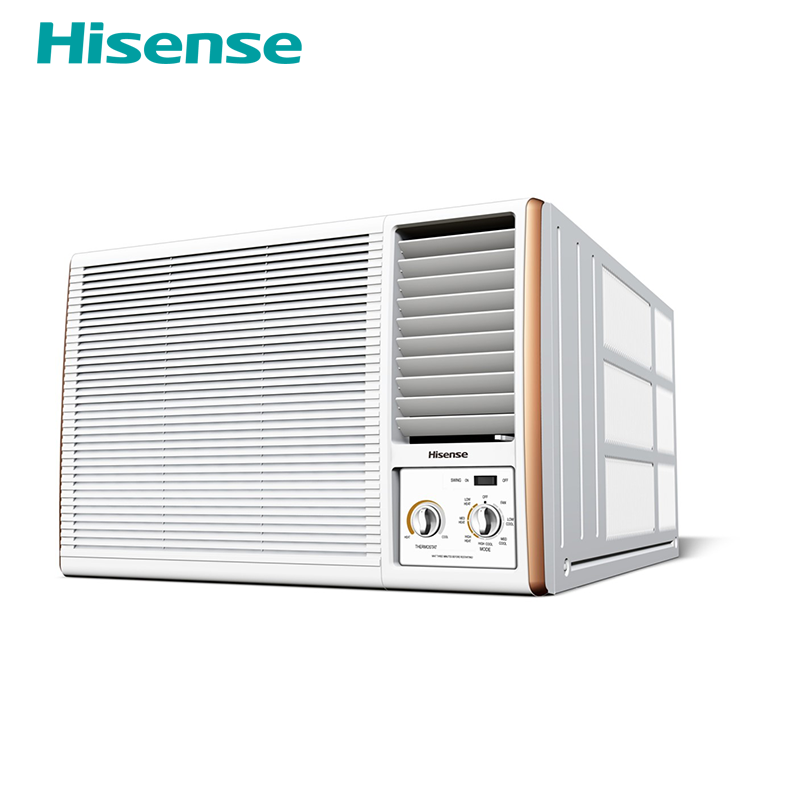
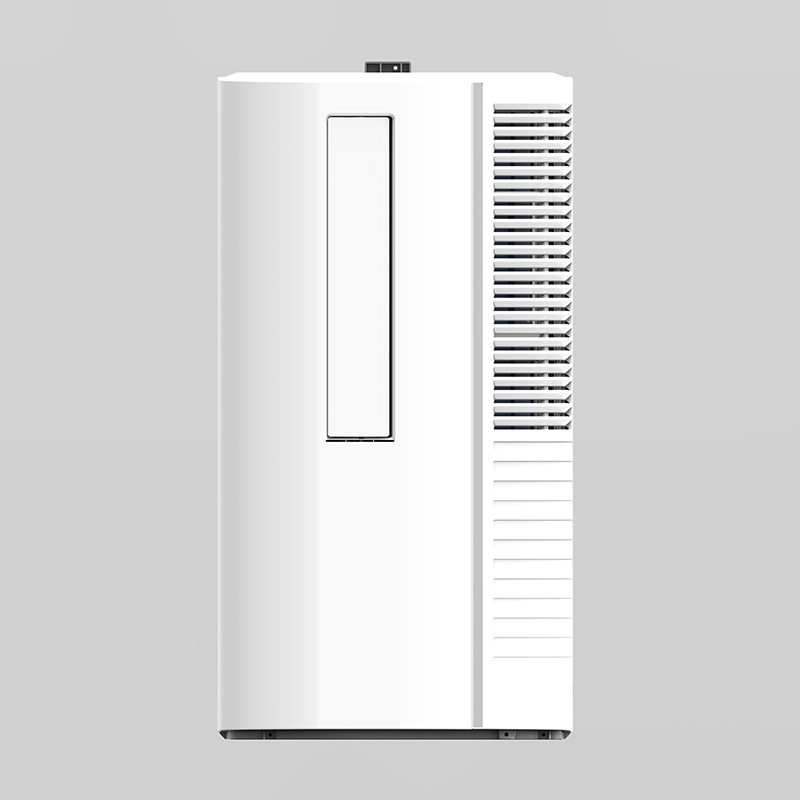
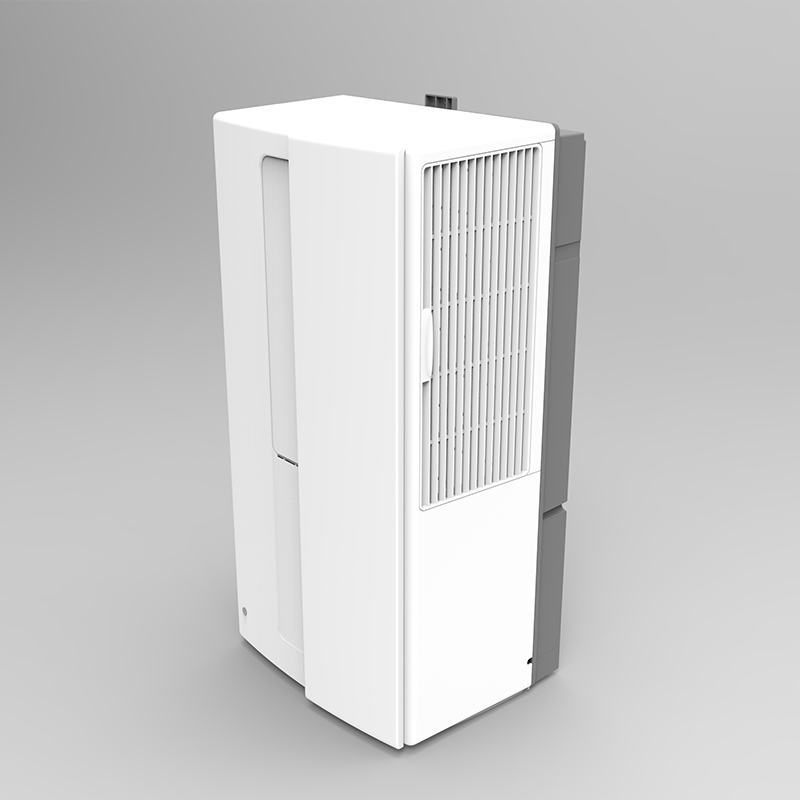
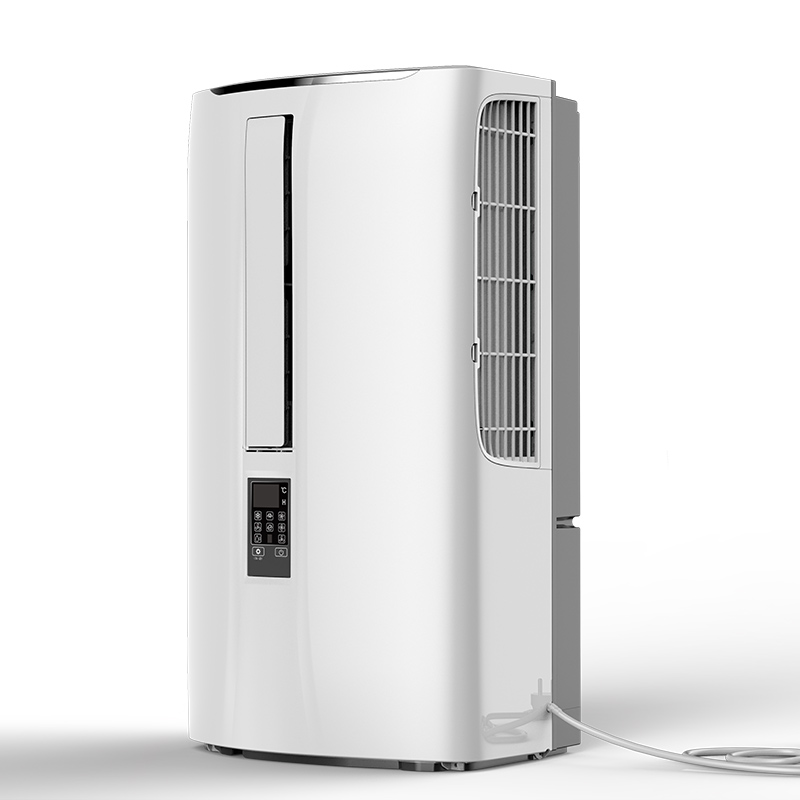
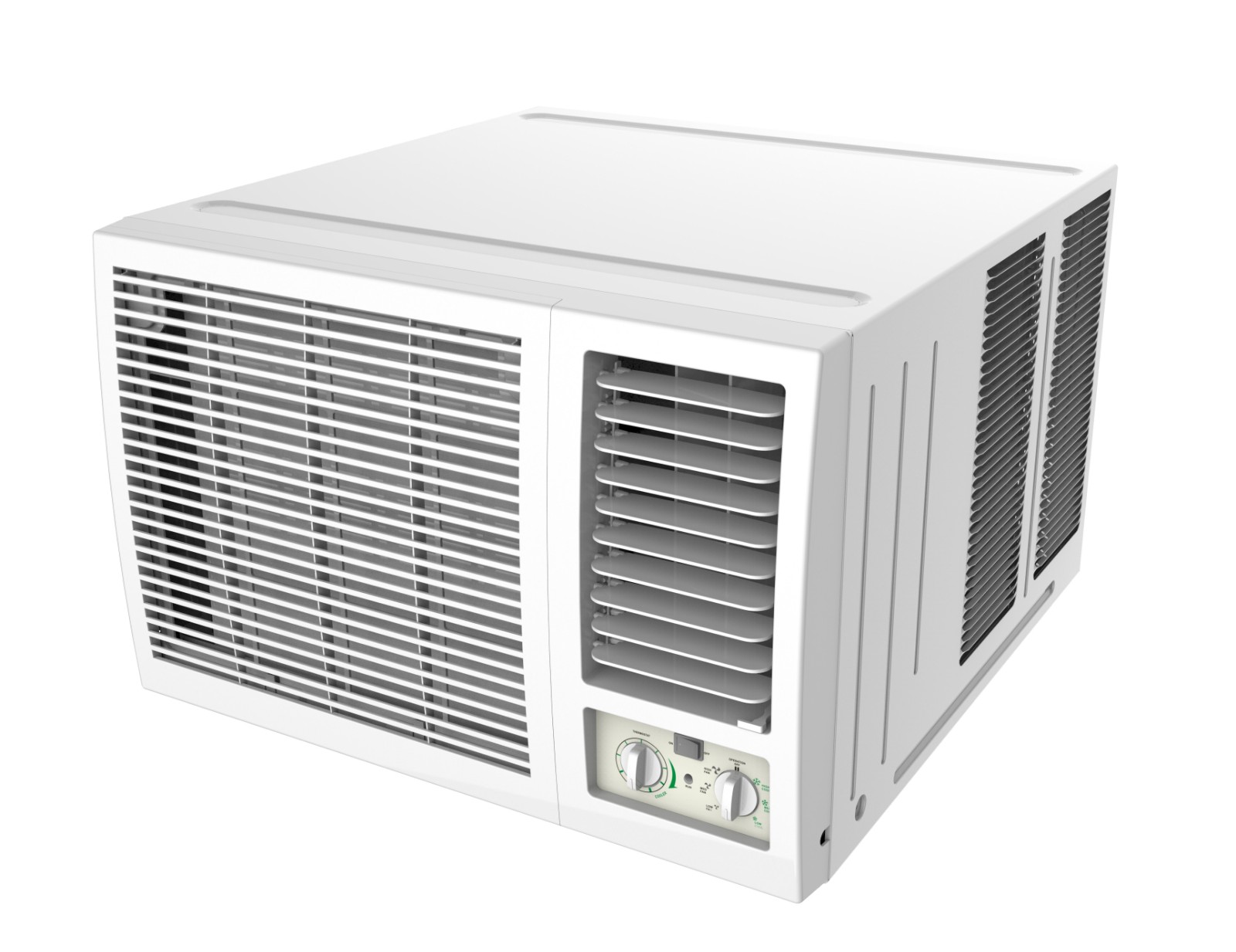
Window Air Conditioners
Source high-performance window air conditioners from vetted suppliers and manufacturers across Asia. Designed for importers, appliance wholesalers, distributors, and brands seeking reliable OEM and private-label production, this catalog offers scalable bulk purchasing options with strict quality control and global compliance.
Sourcing window air conditioners at volume requires navigating a complex matrix of energy efficiency regulations, refrigerant transitions, and rigid seasonal production schedules. For appliance brands and distributors, the challenge isn't merely finding an assembly plant—it's securing a manufacturing partner capable of meeting strict regional compliance standards, managing specialized component supply chains, and maintaining competitive unit costs without sacrificing reliability.
Core Specifications and Component Selection
The performance and market viability of a window air conditioner depend entirely on its internal architecture. When negotiating with manufacturers, buyers must dictate specific component standards rather than relying on off-the-shelf factory defaults.
Compressor Technology
The compressor is the heart of the unit and the primary driver of both cost and energy efficiency. While fixed-speed rotary compressors remain the standard for budget-tier models, the tightening of global energy standards is pushing the market toward DC Inverter technology.
| Specification | Fixed-Speed Rotary | DC Inverter |
|---|---|---|
| Energy Efficiency | Baseline (Standard CEER/EER) | High (Variable capacity) |
| Noise Levels | Noticeable cycling noise | Quieter operation |
| Cost Impact | Lower unit cost | Premium pricing |
| Best For | Budget retail, emerging markets | Strict compliance markets (US/EU) |
Refrigerant Transition
The industry is actively phasing out R410A due to its high Global Warming Potential (GWP). R32 has become the new standard for window units. Because R32 is mildly flammable (A2L classification), factories must have updated safety protocols and specialized charging equipment. Ensure your supplier is fully certified to handle and export A2L refrigerants to your target market.
Need to verify a factory's calorimeter testing setup and A2L refrigerant handling capabilities? We can evaluate their production lines before you commit.
Talk to our teamManufacturing Capabilities and Quality Control
Window AC units are prone to specific manufacturing defects if assembly lines lack rigorous oversight. Micro-leaks in the condenser coils, excessive vibration due to poor compressor mounting, and faulty PCB logic are common issues that lead to high return rates.
When conducting Factory Audits, look for these critical in-house testing capabilities:
Essential Factory Testing Infrastructure
- Enthalpy difference testing rooms (Calorimeter rooms) for verifying BTU capacity
- Helium mass spectrometry or halogen leak detectors for coil integrity
- Anechoic chambers for accurate decibel (dB) and vibration testing
- Automated vacuum and precise refrigerant charging stations
- High-voltage and ground resistance safety testing at the end of the line
To prevent defective units from shipping, robust Quality Control & Inspection is mandatory. Inspections should include pulling sample units for multi-hour continuous operation tests to monitor for coil freezing, correct thermostat calibration, and condensate drainage efficiency.
Compliance and Regulatory Standards
Window air conditioners are heavily regulated. Importing non-compliant units can result in customs seizures or forced recalls. Depending on your market, you must verify that the factory's models meet specific performance and safety benchmarks.
- North America: Department of Energy (DOE) minimum CEER (Combined Energy Efficiency Ratio) standards, UL/ETL safety certifications, and AHAM verification.
- Europe: CE marking, RoHS compliance, and ErP (Energy-related Products) directive adherence.
- Middle East & Asia: SASO (Saudi Arabia), ESMA (UAE), or local MEPS (Minimum Energy Performance Standards), often requiring specialized "T3" tropical compressors designed to operate in ambient temperatures exceeding 50 degrees Celsius.
If you are developing a new private-label unit, utilizing professional Compliance & Testing services ensures your product clears all regulatory hurdles before mass production begins.
Pricing Drivers, MOQs, and Lead Times
The window AC supply chain is highly seasonal. Factories hit peak capacity between November and March as they build inventory for the Northern Hemisphere's summer.
Unit pricing is primarily driven by BTU capacity (typically ranging from 5,000 to 24,000 BTU), compressor type, and coil materials. Some factories may offer lower prices by substituting copper condenser coils with aluminum. While aluminum lowers the cost and weight, it is far more susceptible to galvanic corrosion, especially in coastal environments. Always specify your required coil material in the purchase order.
Planning your seasonal inventory build? Let's discuss how to secure factory capacity and lock in favorable pricing before the peak rush.
Get a free consultationFrequently Asked Questions
Successfully sourcing window air conditioners requires aligning your production schedule with the industry's intense seasonality while enforcing strict technical specifications. By locking in capacity early and maintaining rigorous oversight over components and compliance, you can deliver reliable, high-margin cooling solutions to your market.
Get Sourcing Help for Window Air Conditioners
Tell us your requirements and our experts will connect you with verified manufacturers.