Wind Generators
Source high-performance Wind Generators in bulk from vetted manufacturers and suppliers. Designed for importers, renewable energy distributors, and brands seeking reliable OEM and private-label production. Secure competitive wholesale pricing and strict quality control for your next import order.
Sourcing wind generators in volume requires looking past top-line wattage claims to evaluate the underlying alternator efficiency, blade aerodynamics, and component durability. Whether you are importing residential micro-turbines or commercial-grade off-grid systems, identifying a factory with true engineering capability—rather than a simple assembly workshop—is critical to ensuring long-term reliability and yield.
Critical Specifications for Bulk Buyers
When negotiating with a wind generator manufacturer, precision in your technical specifications dictates the quality of the final product. Ambiguity in your RFQ will often result in factories substituting lower-grade materials to hit a target wholesale price.
- Alternator Type and Magnets: Most modern small-to-medium wind generators utilize Permanent Magnet Alternators (PMAs). Specify the grade of the Neodymium (NdFeB) magnets. N52 magnets offer superior magnetic flux and efficiency compared to cheaper N35 or N40 grades, directly impacting the generator's start-up torque.
- Cut-in and Rated Wind Speeds: A low cut-in wind speed (typically 2.0 to 2.5 m/s) is essential for consistent generation. Ensure the factory provides verified power curve charts rather than theoretical maximums. The "rated power" must correspond to a realistic rated wind speed (often 10 to 12 m/s).
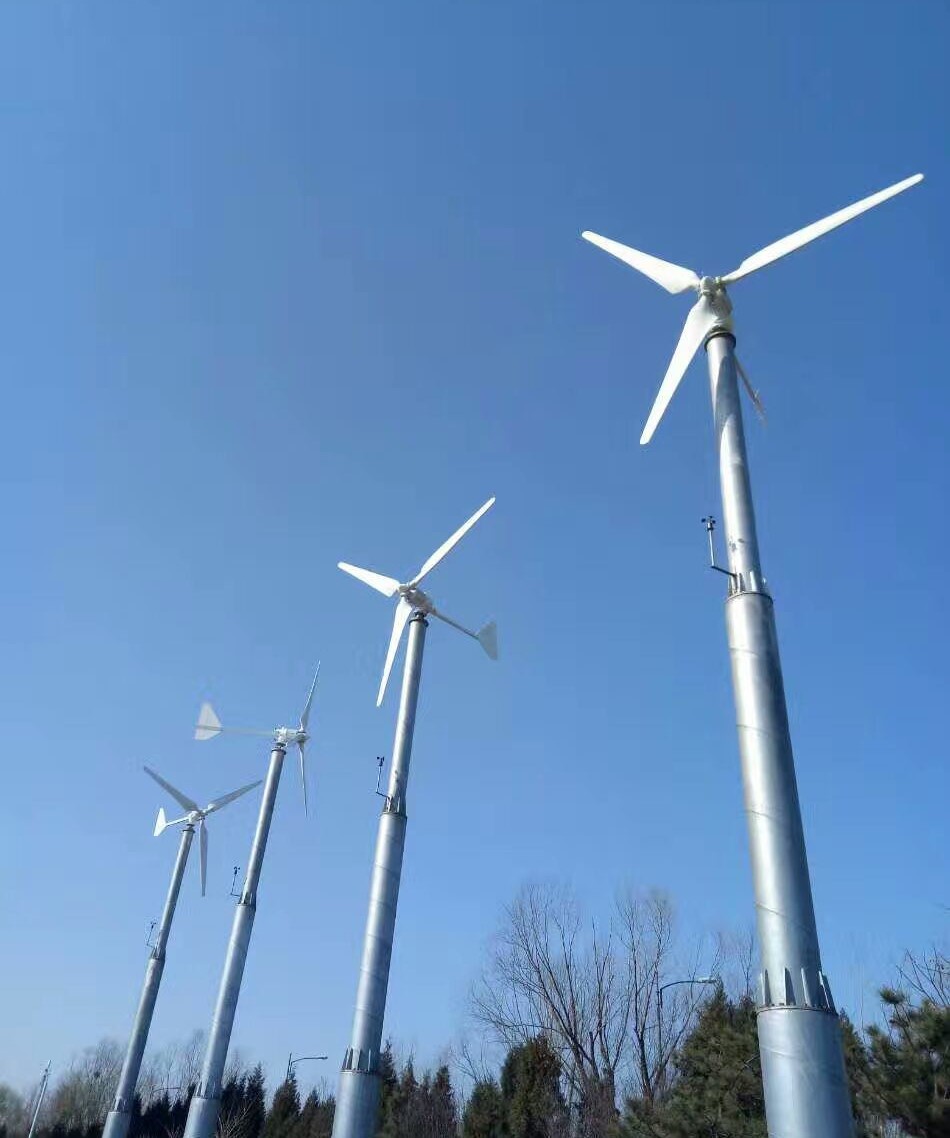
- Slip Rings and Yaw Mechanisms: For horizontal axis wind turbines (HAWTs), the yaw mechanism must rotate freely to track wind direction. Specify high-quality, sealed slip rings to prevent cable twisting and ensure uninterrupted power transmission.
| Component | Standard / Budget Grade | Premium / OEM Grade |
|---|---|---|
| Bearings | Generic domestic carbon steel | SKF, NSK, or premium sealed stainless |
| Stator Winding | Copper-clad aluminum (CCA) | 100% pure copper wire, vacuum impregnated |
| Housing Material | Cast aluminum (prone to pitting) | Die-cast aluminum alloy with marine-grade anti-corrosion coating |
Manufacturing Process and Quality Control
The gap between a high-performing wind generator and a high-failure unit is often determined on the factory floor. Proper winding, balancing, and sealing are paramount.
Key Factory Floor Inspections
- Rotor and blade dynamic balancing to prevent destructive vibration at high RPMs.
- Stator coil winding density and insulation resistance testing (hipot testing).
- Salt spray testing on external housings and fasteners for marine or coastal applications.
- Verification of MPPT (Maximum Power Point Tracking) charge controller integration and load-dump thresholds.
Because defects in wind generators often only become apparent after installation, implementing rigorous Quality Control & Inspection prior to shipment is non-negotiable. Pre-shipment inspections should include dummy-load testing to verify output at simulated RPMs.
Need to verify a supplier's technical capabilities? Merhein's engineers can evaluate factory power curves, audit production lines, and ensure your specifications are met before you pay the deposit.
Talk to our teamCompliance and Regulatory Standards
Importing wind generators into major markets requires strict adherence to electrical and mechanical safety standards. Customs and local grid operators will reject non-compliant equipment.
Ensure your supplier can provide authentic, verifiable test reports for:
- CE (EN 61000 series): Required for the European market, covering electromagnetic compatibility (EMC) and low voltage directives.
- IEC 61400-2: The international standard specifically governing the design and safety of small wind turbines.
- RoHS: Restricting hazardous substances in electrical components.
Do not accept generic certificates. Validating these documents is a core part of comprehensive Compliance & Testing protocols, ensuring the specific model you are buying is the one that was tested.
Buying Mechanics: MOQs, Pricing, and Lead Times
The wind generator supply chain is highly customizable, meaning pricing and minimum order quantities (MOQs) scale heavily based on your requirements.
Pricing is highly sensitive to raw material costs, specifically copper for the windings and rare-earth metals for the magnets. When requesting quotes, lock in the exact bill of materials. If you are developing a proprietary design or need specific aerodynamic modifications, engaging a partner for structured OEM/ODM Services will protect your IP and ensure consistent manufacturing tolerances.
Ready to negotiate better terms? Let Merhein handle supplier vetting, price negotiation, and production management for your next bulk order of wind generators.
Get a free consultationFrequently Asked Questions
Successfully importing wind generators requires balancing aggressive wholesale pricing with uncompromising mechanical reliability. By defining strict material specifications and auditing the factory's testing capabilities, you can build a resilient, high-yield product line that stands up to the elements.
Get Sourcing Help for Wind Generators
Tell us your requirements and our experts will connect you with verified manufacturers.