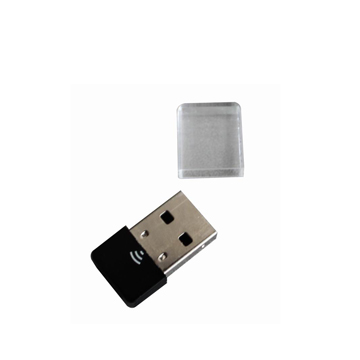
Wi-Fi Modules
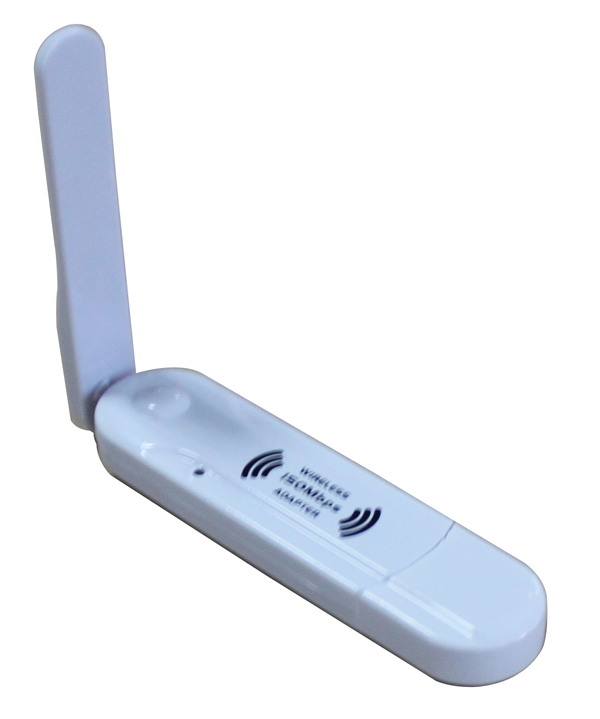
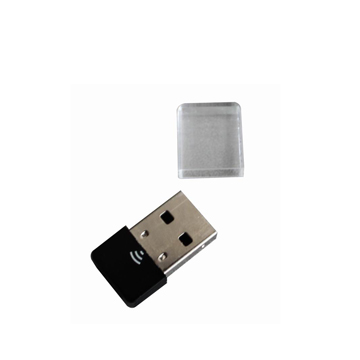
Source bulk Wi-Fi modules from vetted Chinese manufacturers and suppliers. Designed for electronics importers, distributors, and brands requiring reliable OEM production, our network delivers high-performance networking components ready for seamless integration.
Sourcing Wi-Fi modules in bulk requires navigating a complex landscape of chipset allocations, RF calibration standards, and strict regulatory compliance. Whether you are integrating IoT connectivity into smart home appliances or building high-throughput industrial routers, securing a reliable supply of authentic, consistently performing modules is critical to your product's success and time-to-market.
Core Specifications and Chipset Selection
The foundation of any Wi-Fi module is its primary SoC (System on Chip). The global supply chain relies heavily on chipsets from manufacturers like Espressif, Realtek, MediaTek, and Qualcomm. When approaching a factory, your Request for Quotation (RFQ) must specify exact parameters to avoid receiving modules built with grey-market or downgraded silicon.
Key specifications to define include:
- Protocol Standard: Legacy Wi-Fi 4 (802.11n) for basic IoT, Wi-Fi 5 (802.11ac) for multimedia, or Wi-Fi 6/6E (802.11ax) for high-density, low-latency applications.
- Host Interface: SDIO and USB for high-throughput Linux/Android hosts; UART or SPI for low-power, host-less MCU applications.
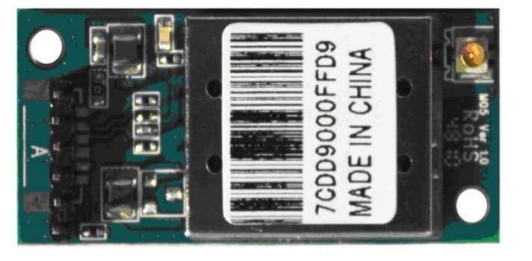
- Antenna Configuration: On-board PCB trace antenna (lowest cost, fixed layout), ceramic chip antenna (compact footprint), or an IPEX/U.FL connector for external antennas (best range, requires careful routing).
- Operating Temperature: Commercial grade (0°C to 70°C) versus Industrial grade (minus 40°C to 85°C). Industrial modules require strictly validated BOMs (Bill of Materials) beyond just the main chipset.
Struggling to secure authentic chipsets or validate module performance? Let our sourcing engineers evaluate your BOM and connect you with vetted manufacturers.
Get a free consultationFactory Floor Realities: SMT Precision and RF Calibration
RF performance lives or dies on the assembly line. A Wi-Fi module is essentially a miniaturized, highly sensitive radio. Poor manufacturing controls lead to impedance mismatches, signal degradation, and high failure rates in the field.
When evaluating a manufacturer's capability, look closely at their SMT (Surface Mount Technology) lines and testing protocols. Conducting rigorous Factory Audits is essential to verify that the supplier actually possesses the equipment they claim.
Critical Factory Quality Indicators
- Automated Optical Inspection (AOI) and X-Ray testing for BGA chipset soldering.
- Dedicated RF shielding can placement accuracy to prevent EMI leakage.
- Use of calibrated RF testing equipment (e.g., LitePoint IQxel) on the production line.
- Strict moisture sensitivity level (MSL) controls for PCB baking and component storage.
In-line Quality Control & Inspection should verify that output power (Tx) and receiver sensitivity (Rx) match the datasheet specifications across the entire production batch, not just the golden samples.
Navigating Certifications: Pre-Certified vs. Uncertified
Regulatory compliance (FCC for the US, CE for Europe, IC for Canada, TELEC for Japan) is one of the largest hurdles in wireless product development. Buyers must choose between sourcing pre-certified modules or uncertified raw modules.
| Strategy | Pre-Certified Modules | Uncertified Modules |
|---|---|---|
| Time to Market | Fast (allows for FCC ID transfer/modular approval) | Slow (requires full end-device intentional radiator testing) |
| Unit Cost | Higher per unit | Lower per unit |
| Development Cost | Low testing fees | High upfront lab testing fees |
| Best For | Low to medium volume, rapid deployment | High volume, deeply integrated custom designs |
If you opt for pre-certified modules, ensure the factory can provide the original test reports and authorization letters required to leverage their modular approval. We frequently assist clients with Compliance & Testing to ensure all documentation holds up to customs and regulatory scrutiny.
Pricing, MOQs, and Production Lead Times
The cost of Wi-Fi modules is highly sensitive to the global semiconductor market. While basic 2.4GHz IoT modules can cost under a dollar in high volumes, dual-band Wi-Fi 6 modules with advanced security features command significant premiums.
Looking to optimize your BOM costs and secure stable lead times for your wireless components? We negotiate directly with top-tier module factories on your behalf.
Talk to our teamFrequently Asked Questions
Successfully sourcing Wi-Fi modules requires strict attention to silicon authenticity, manufacturing precision, and regulatory documentation. By partnering with factories that maintain rigorous RF testing standards and transparent supply chains, you can ensure your connected devices perform reliably in the most demanding environments.
Get Sourcing Help for Wi-Fi Modules
Tell us your requirements and our experts will connect you with verified manufacturers.