Wheel Tractor
Source high-performance wheel tractors directly from vetted manufacturers and wholesale suppliers. Built for agricultural importers, heavy machinery distributors, and equipment brands seeking reliable OEM production, our network delivers scalable manufacturing with rigorous quality control.
Sourcing wheel tractors in volume requires balancing upfront unit costs with long-term powertrain reliability and market-specific emission compliance. Whether you are importing utility tractors for small-scale farming or high-horsepower units for heavy tillage, securing a manufacturer capable of consistent assembly, rigorous load testing, and precise component integration is the critical first step.
Core Specifications to Define with Suppliers
When negotiating with agricultural machinery manufacturers, vague specifications lead to inconsistent performance. Tractors are complex integrations of engines, transmissions, and hydraulics. You must define the exact parameters for your target market.
Beyond horsepower, focus on the transmission and hydraulic systems. Specify the number of forward and reverse gears (e.g., 8F+2R, 12F+12R with shuttle shift) and the hydraulic pump flow rate (liters per minute). The hydraulic lifting capacity at the three-point hitch must align with the heavy implements your end-users will operate.
Need help matching technical specifications to reputable manufacturers? Let our sourcing experts handle the technical vetting.
Talk to our teamFactory Capabilities and Quality Control
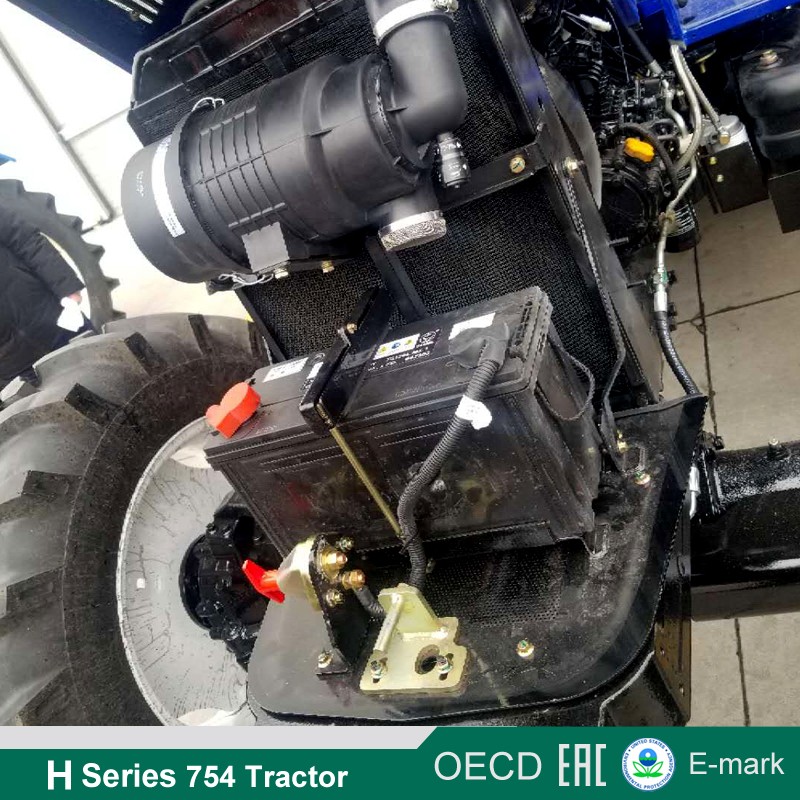
The majority of wheel tractor manufacturers in Asia operate as assembly plants, sourcing engines (often from brands like YTO, Laidong, or Perkins), axles, and gearboxes from specialized sub-suppliers. The quality of the final product depends entirely on the factory's assembly protocols and testing standards.
Before committing to a bulk order, conducting thorough Factory Audits is essential to verify their supplier management and assembly line maturity.
Critical Factory Inspection Points
- Engine Emission Certification: Verify authentic documentation for EPA Tier 4 or Euro Stage V compliance if importing to regulated markets.
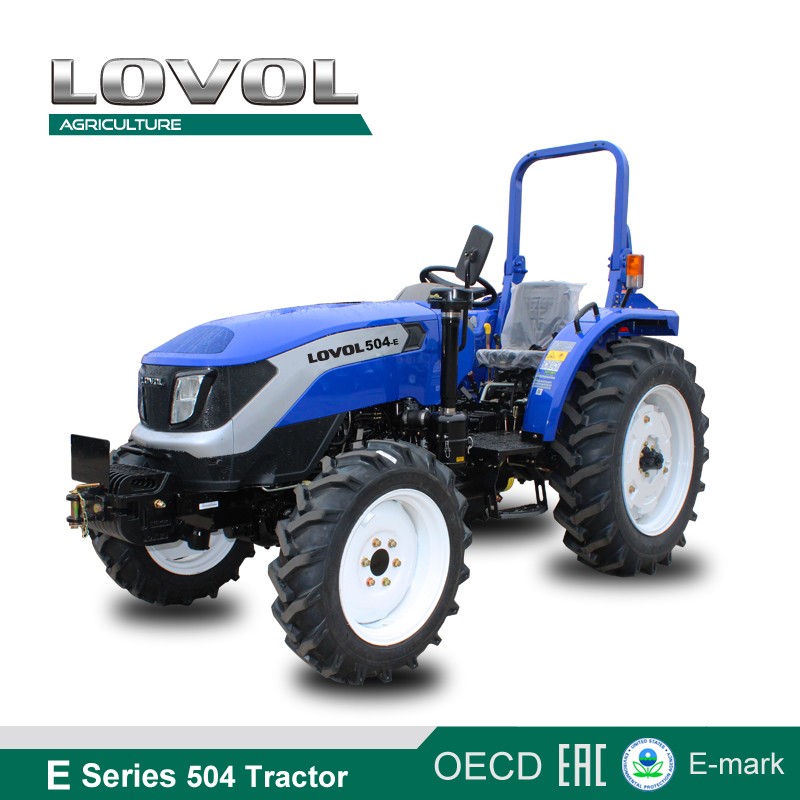
- Chassis and Welding Quality: Inspect robotic welding consistency on the main frame and ROPS (Roll-Over Protective Structure).
- Transmission Assembly: Ensure clean-room conditions for gearbox assembly to prevent metal shavings from causing premature failure.
- Dynamometer Testing: Verify the factory conducts PTO dynamometer testing on assembled units to confirm actual power output.
- Hydraulic Pressure Testing: Check that all hydraulic valves and cylinders are pressure-tested for leaks prior to painting.
Catching integration issues early is vital. Implementing strict Quality Control & Inspection protocols before the tractors leave the factory floor prevents costly warranty claims and brand damage down the line.
Shipping Configurations: CBU vs. SKD
Wheel tractors consume significant shipping volume. How you choose to pack and ship your order drastically impacts your landed cost. Importers typically choose between CBU (Completely Built Up) and SKD (Semi-Knocked Down) configurations.
CBU vs. SKD Shipping Configurations
Advantages
- SKD: Maximizes container space (e.g., fitting 6-8 compact tractors in a 40HQ instead of 3-4).
- SKD: Lowers per-unit freight costs significantly.
- CBU: Requires zero local assembly; units are ready to sell upon arrival.
- CBU: Factory guarantees final assembly quality and fluid levels.
Disadvantages
- SKD: Requires local assembly facilities, mechanics, and specialized lifting equipment.
- SKD: Risk of missing hardware or damage during the uncrating and assembly process.
- CBU: High freight costs due to inefficient use of container space.
- CBU: May require expensive RoRo (Roll-on/Roll-off) shipping for high-horsepower models.
Optimizing your container loads and managing the export documentation for heavy machinery requires precise coordination. Leveraging professional Shipping & Freight services ensures your cargo is routed efficiently, whether utilizing flat racks, standard containers, or RoRo vessels.
MOQs, Pricing Drivers, and Lead Times
Minimum Order Quantities (MOQs) for wheel tractors are generally accessible, often starting at 2 to 4 units for larger models, or a single 20ft container for compact utility tractors. However, achieving favorable wholesale pricing requires committing to 40HQ container volumes.
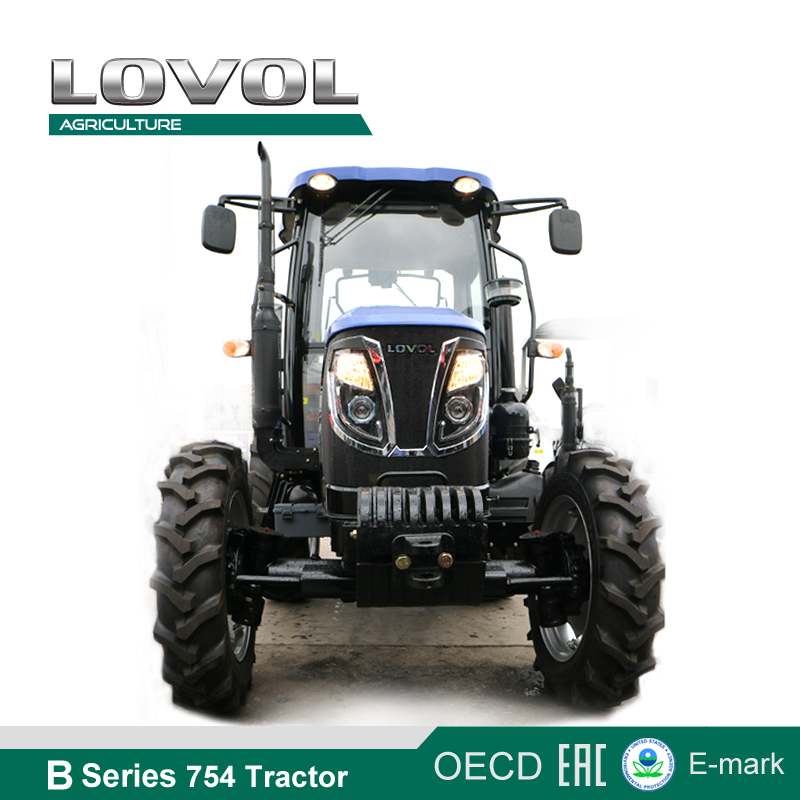
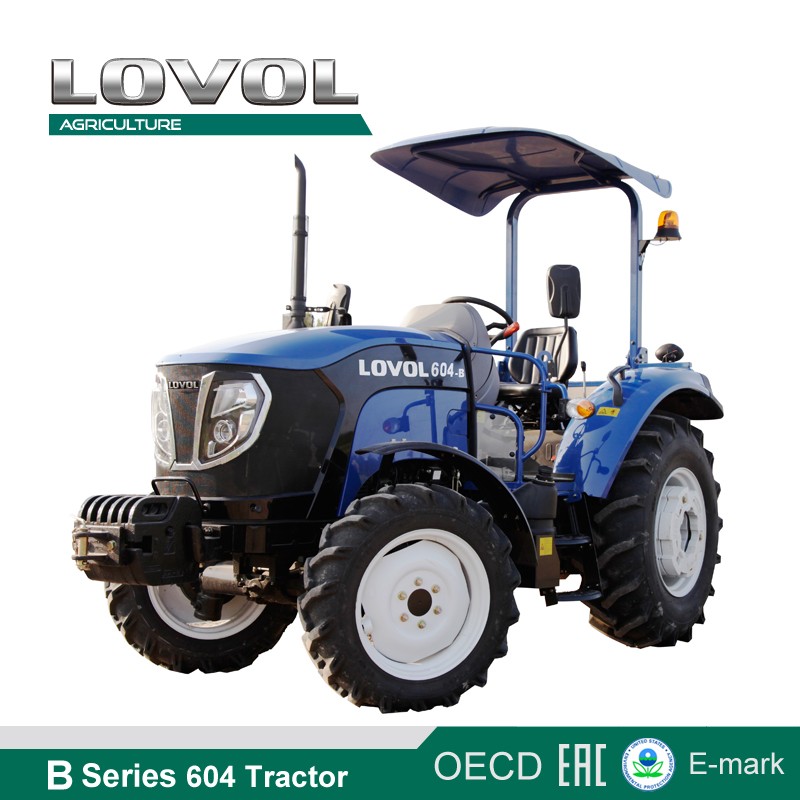
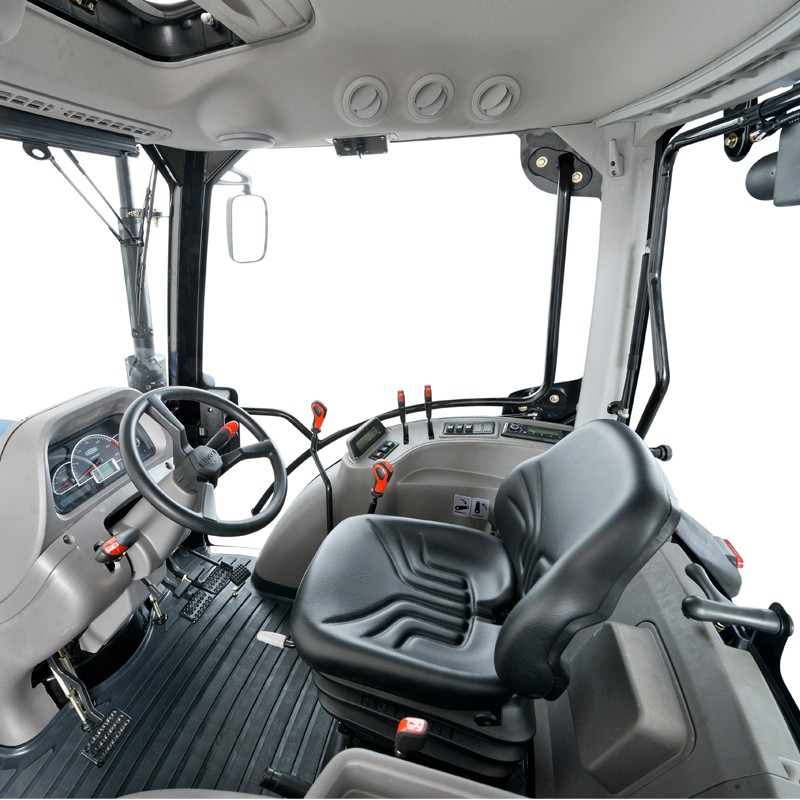
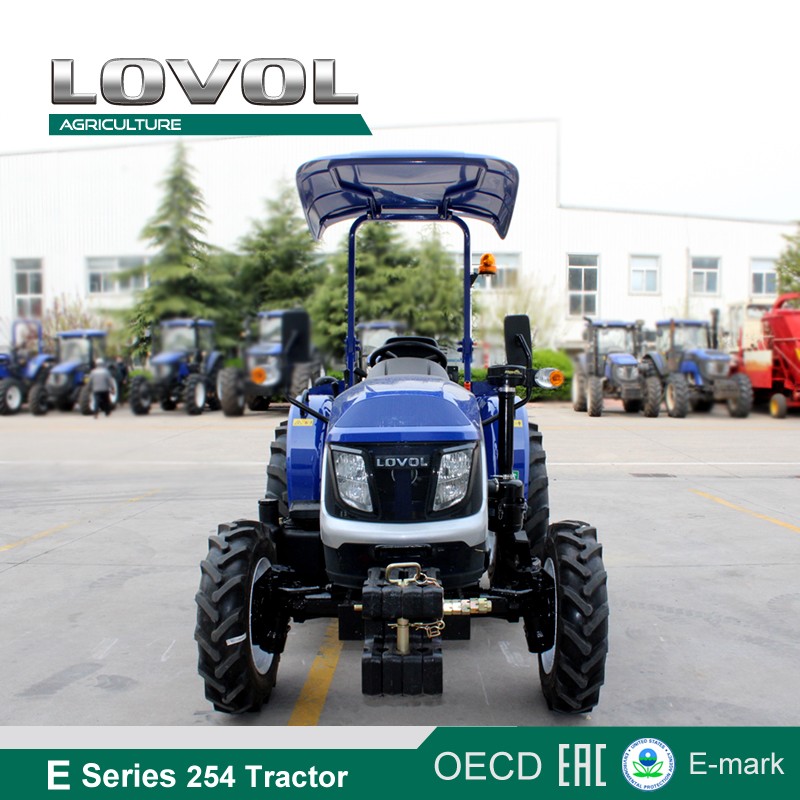
Pricing is heavily dictated by the engine brand, emission compliance level, and cab configuration. A tractor with a basic sunshade and ROPS will cost significantly less than the identical model equipped with a fully enclosed, air-conditioned cabin. Lead times typically range from 45 to 60 days, depending on the availability of the specified engine and the factory's production schedule.
Ready to optimize your landed costs and secure reliable production? Speak with our machinery sourcing specialists.
Get a free consultationFrequently Asked Questions
Successfully importing wheel tractors is about managing total cost of ownership, not just the FOB price. A cheap tractor with a high failure rate will quickly erase your margins through warranty claims and unsalable inventory. Partnering with a specialized sourcing team ensures your machinery is built to spec, compliant with your local market, and shipped efficiently.
Get Sourcing Help for Wheel Tractor
Tell us your requirements and our experts will connect you with verified manufacturers.