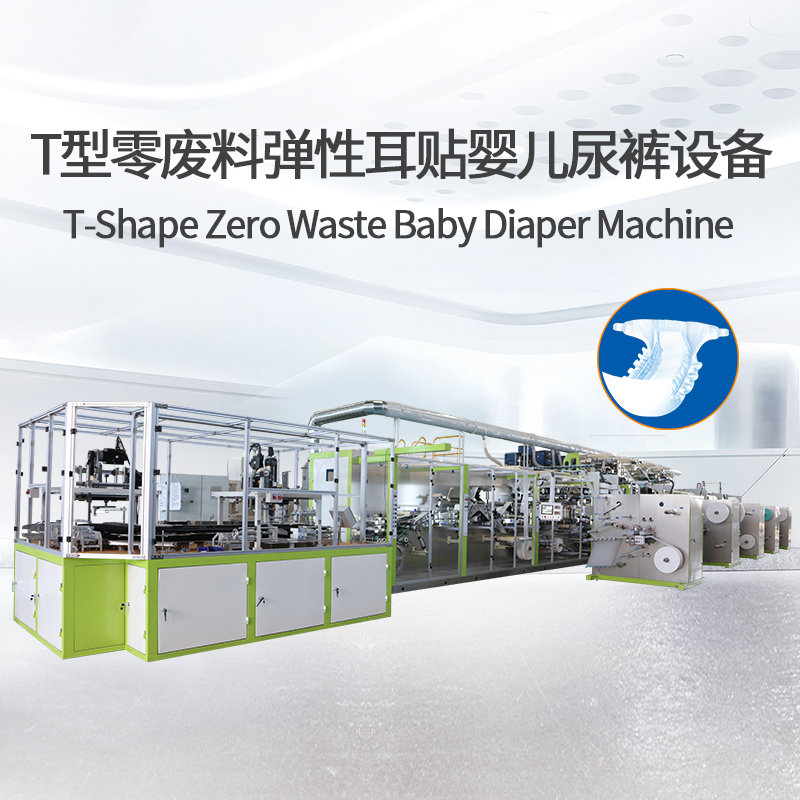
Wet Wipe Making Machines
Source industrial-grade wet wipe making machines from vetted manufacturers and suppliers across Asia. Designed for importers, wholesalers, and brands expanding their production lines, our catalog connects you with high-speed, reliable equipment built for consistent bulk manufacturing and OEM applications.
Procuring a wet wipe making machine is a capital-intensive investment where the true cost is measured in production downtime, material waste, and maintenance overhead. The Asian market offers a vast spectrum of machinery, from entry-level single-lane folders to fully automated, multi-lane production lines with integrated auto-splicing and robotic lidding. Navigating this landscape requires a strict evaluation of mechanical tolerances, electrical component sourcing, and the manufacturer's after-sales support infrastructure.
Core Configurations and Technical Specifications
Wet wipe production equipment is generally categorized by the packaging format and the number of folding lanes. When specifying a machine, buyers must align the equipment's capabilities with their target substrate (typically spunlace non-woven fabric), liquid formulation, and packaging material.
| Machine Type | Typical Speed | Folding Mechanism | Ideal Application |
|---|---|---|---|
| Single Sachet | 200 to 400 ppm | Cross-fold | Restaurant wipes, medical prep pads |
| Mid-Count (5–30 pcs) | 300 to 600 ppm | Z-fold / V-fold | Travel packs, makeup removers |
| Bulk Pack (30–120 pcs) | 3000 to 5000+ ppm (multi-lane) | Z-fold, non-woven splicing | Baby wipes, household cleaning |
Critical Sub-Systems to Evaluate
The performance of a wet wipe line is dictated by its sub-systems. When evaluating a supplier's technical proposal, pay close attention to the following areas:
- Tension Control & Splicing: Handling non-woven jumbo rolls at high speeds requires precise servo-driven tension control to prevent web breaks. High-end machines feature automatic zero-speed or flying splice capabilities, allowing continuous production without stopping to change rolls.
- Liquid Dosing System: Accuracy here dictates product consistency and prevents mold growth or dry wipes. Look for independent flow meters and dosing pumps (e.g., peristaltic or gear pumps) for each lane. All liquid contact parts must be 316L stainless steel to resist corrosion from aggressive cleaning chemicals or sanitizers.
- Sealing and Cutting: Rotary die cutters and heated sealing jaws must maintain exact temperatures at high speeds. Poor temperature control leads to micro-leaks in the primary packaging, destroying the product's shelf life.
Need help evaluating a factory's technical proposal?
Discuss your equipment specsQuality Control and Factory Validation
The barrier to entry for assembling basic packaging machinery in China is relatively low, meaning the market is saturated with integrators who simply bolt together off-the-shelf components. A reliable manufacturer machines their own core parts to tight tolerances and utilizes reputable international brands for critical electronics (e.g., Siemens PLCs, Yaskawa or Mitsubishi servo motors, SMC pneumatics).
Before placing a deposit, conducting thorough Factory Audits is essential to verify the supplier's CNC machining capabilities, engineering headcount, and quality management systems.
Factory Acceptance Test (FAT) Checklist
- Continuous run test (minimum 4 to 8 hours) at maximum rated speed to check for overheating or web breaks.
- Verification of liquid dosing variance (should be under 2% across all lanes).
- Seal integrity testing on finished packs using a vacuum leak tester.
- Inspection of all stainless steel welds for sanitary finishes (no dead legs for bacterial growth).
- Verification of electrical schematics against the physical PLC and servo drive wiring.
To ensure the machine meets your exact specifications before it leaves the factory floor, rigorous Quality Control & Inspection during the final assembly and testing phases is non-negotiable.
Pricing Drivers, Lead Times, and Sourcing Realities
Industrial machinery procurement operates on different timelines and terms compared to consumer goods.
Pricing is highly variable. A basic 1-lane machine for single sachets might start in the low five figures, while a fully automated 12-lane baby wipe production line with robotic lidding and auto-case packing will easily reach mid-six figures. The primary cost drivers are the number of lanes, the inclusion of auto-splicing features, and the origin of the servo motors and PLCs. Specifying European or Japanese electronics will increase the upfront cost but drastically reduce long-term downtime and simplify local repairs.
Planning a new production line? Talk to our machinery experts.
Get a sourcing consultationFrequently Asked Questions
Securing the right wet wipe making machine is only half the challenge; managing the heavy-lift logistics, export documentation, and installation requires meticulous planning. Integrating professional Shipping & Freight coordination ensures your equipment arrives safely and ready for commissioning. Ultimately, investing time in comprehensive supplier vetting and strict FAT protocols will yield a production line that delivers consistent, profitable output for years to come.
Get Sourcing Help for Wet Wipe Making Machines
Tell us your requirements and our experts will connect you with verified manufacturers.