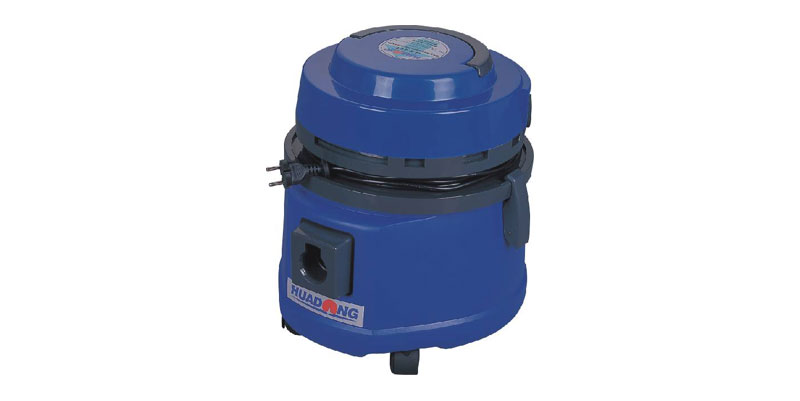
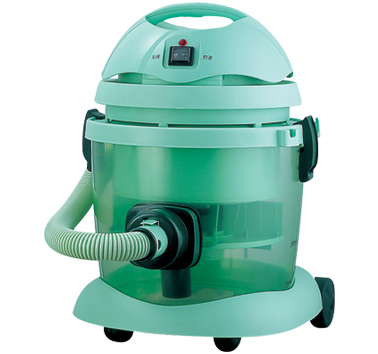
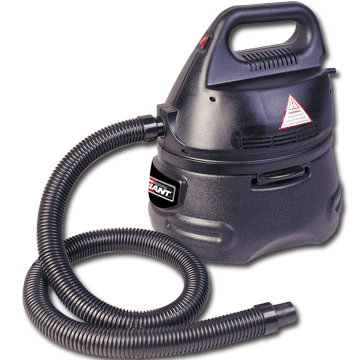
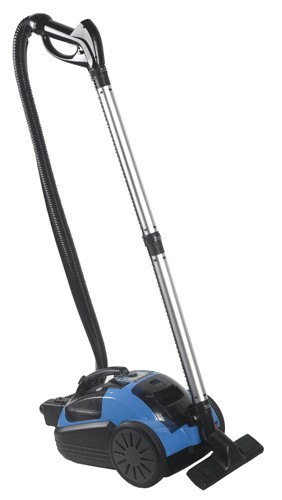
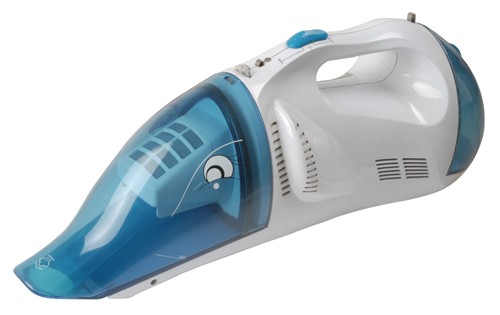
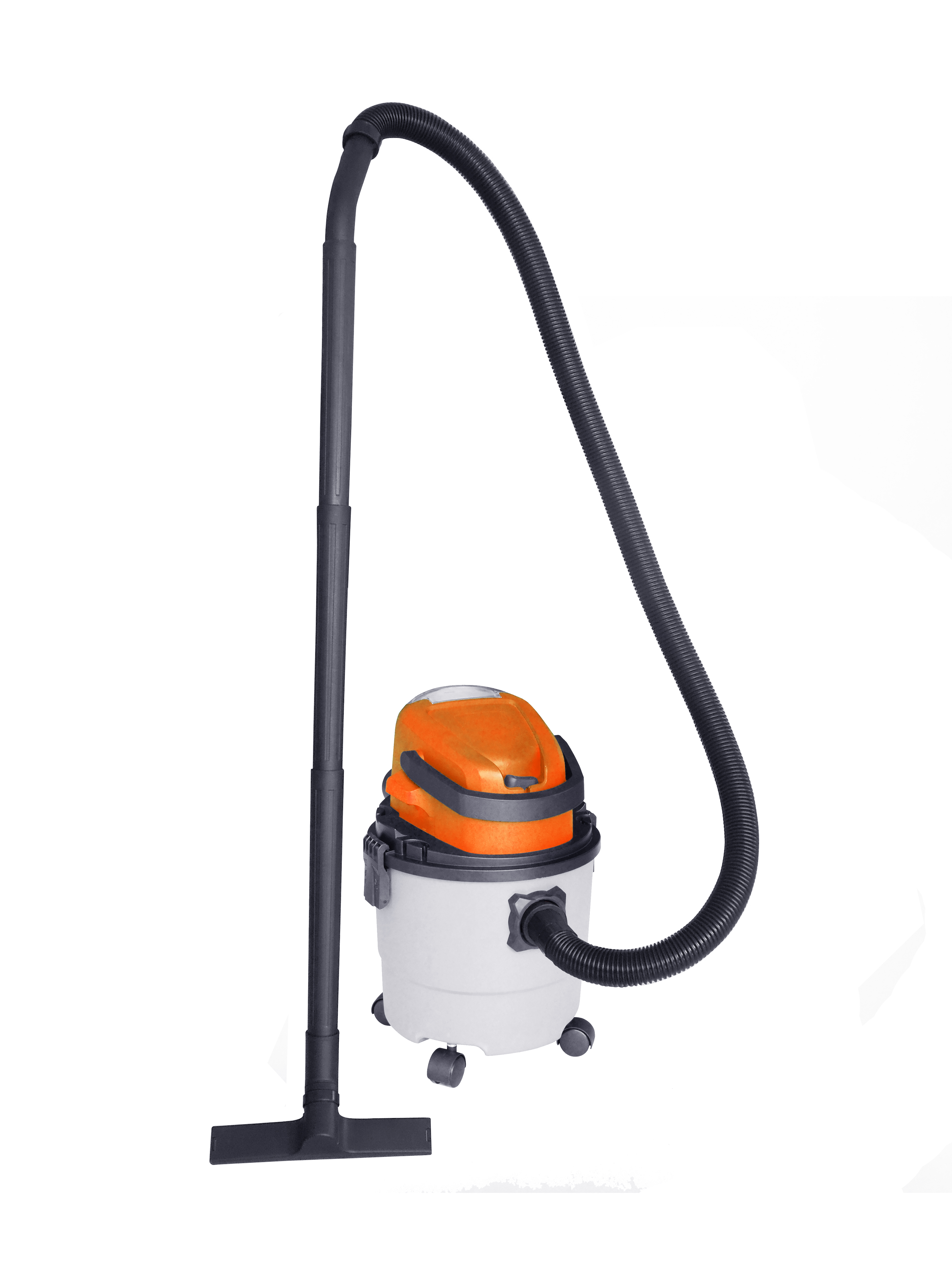
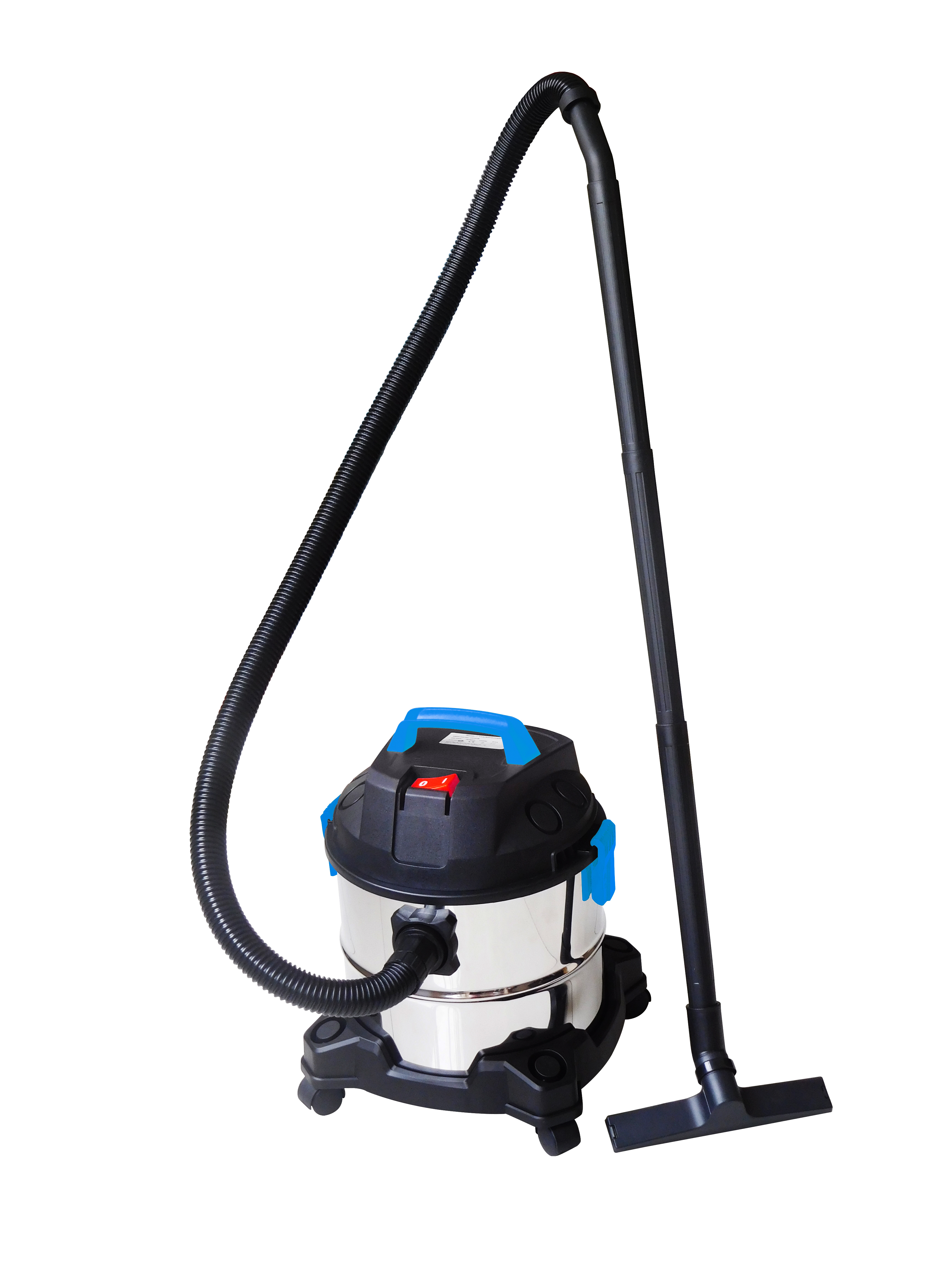
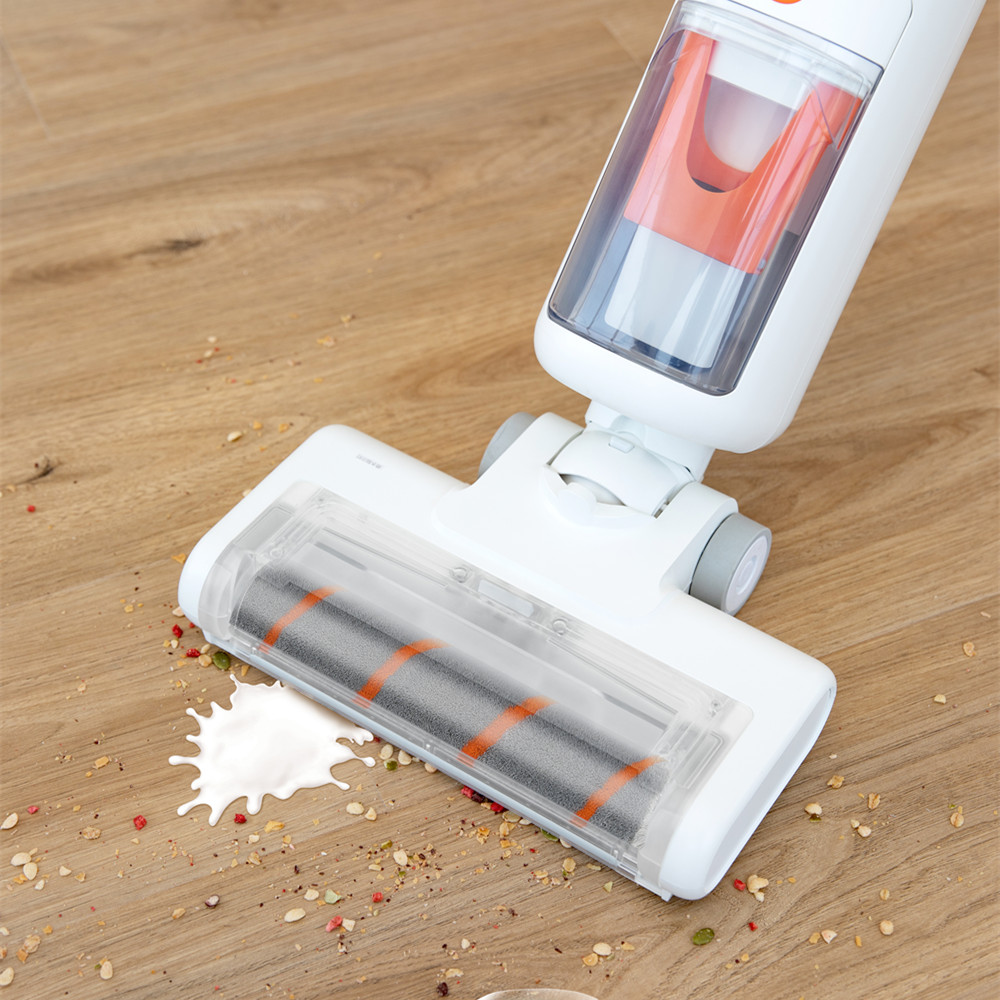
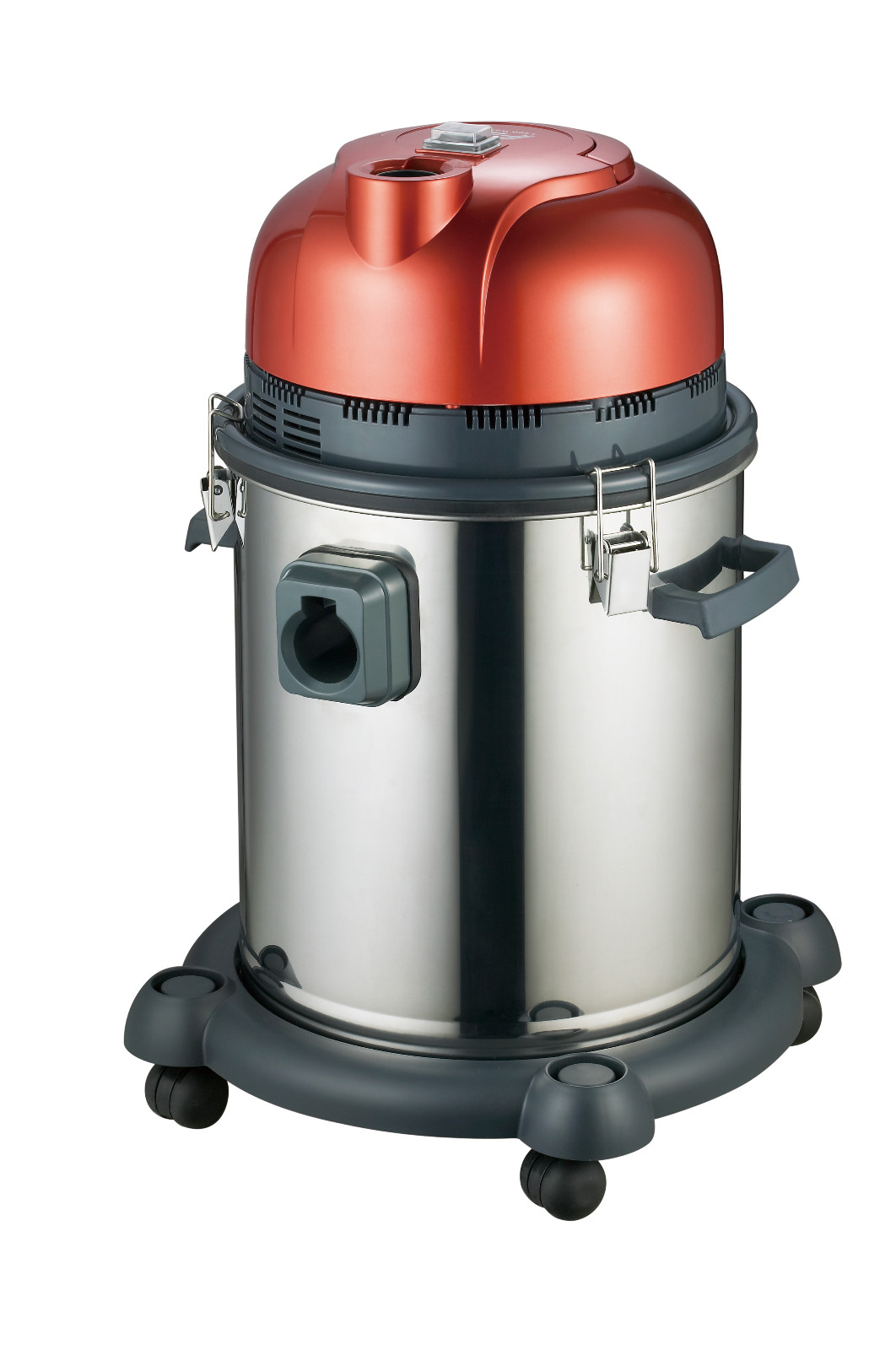
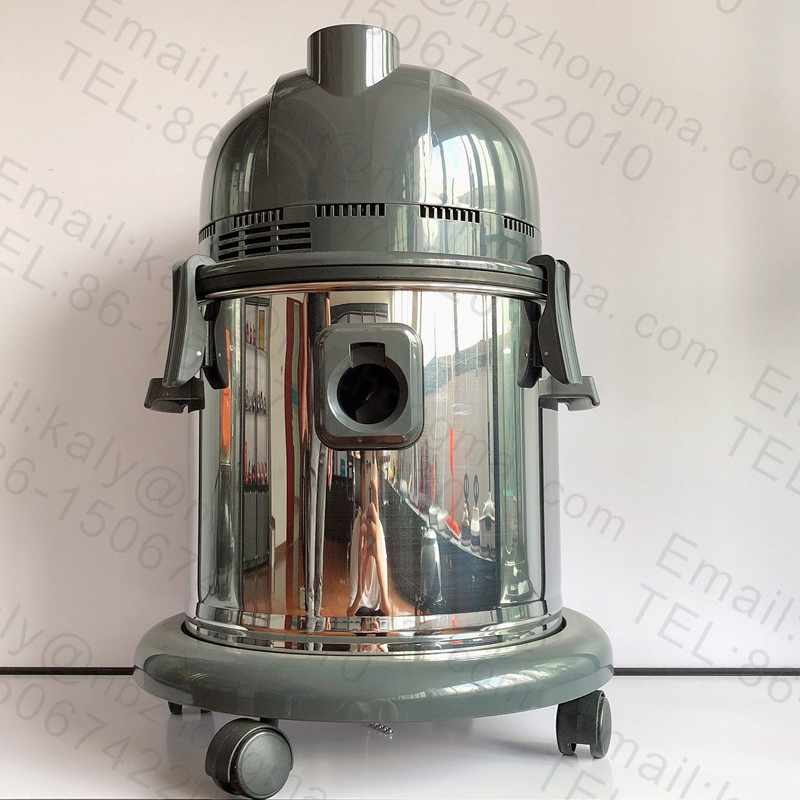
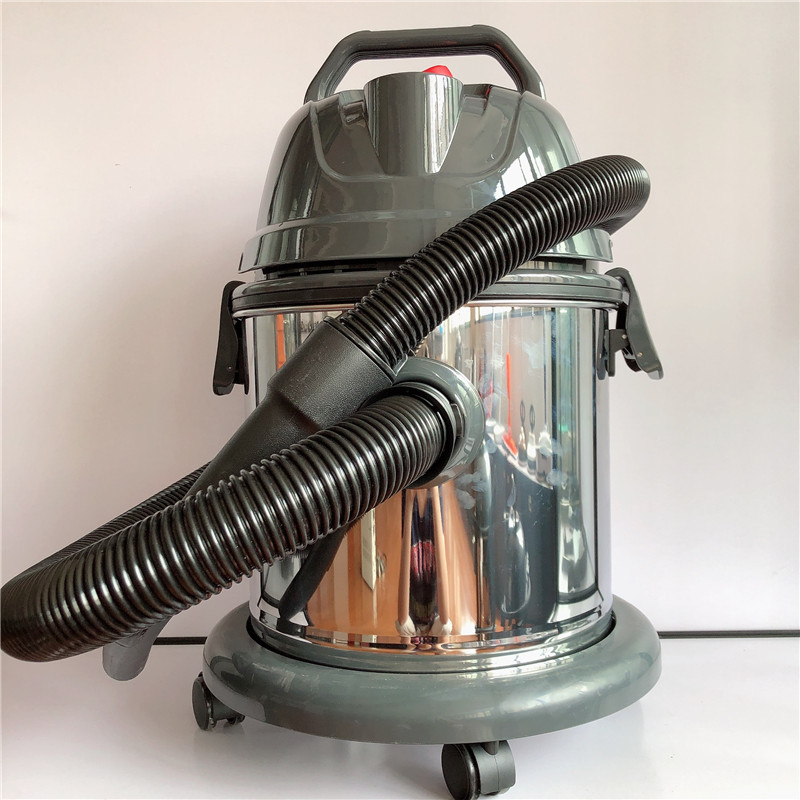
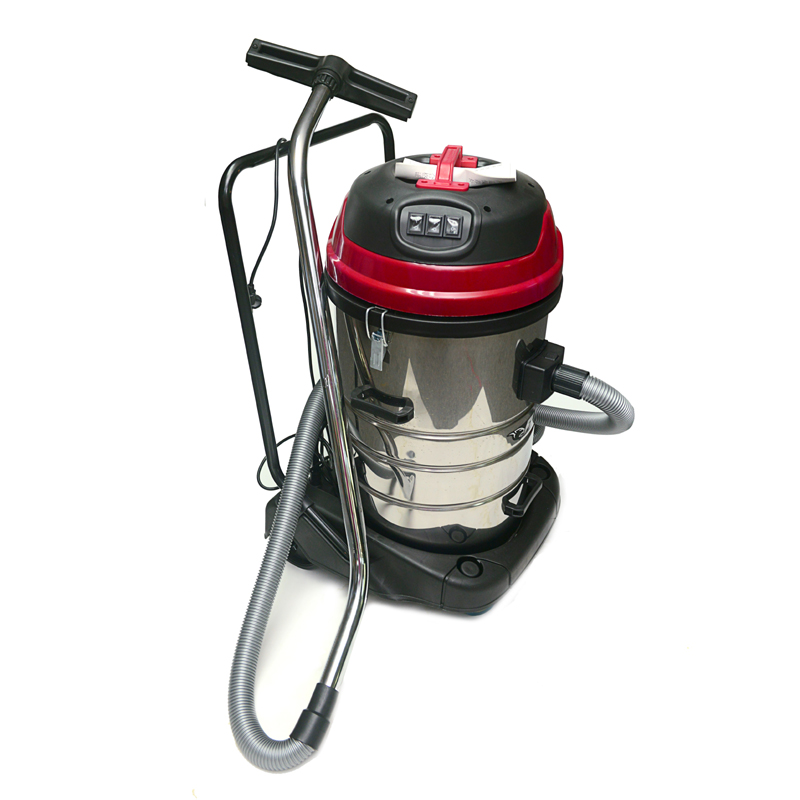
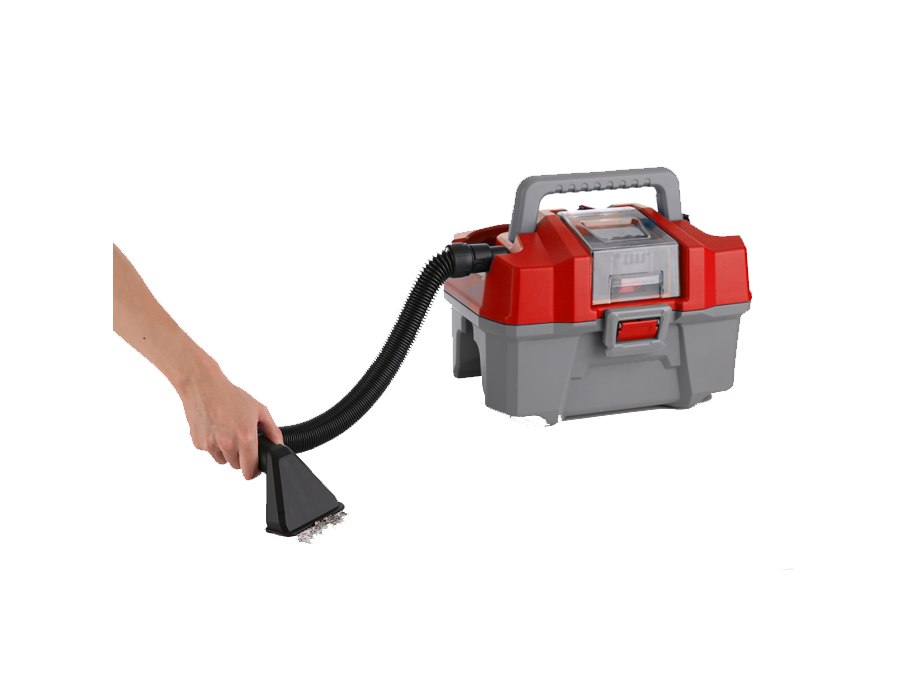
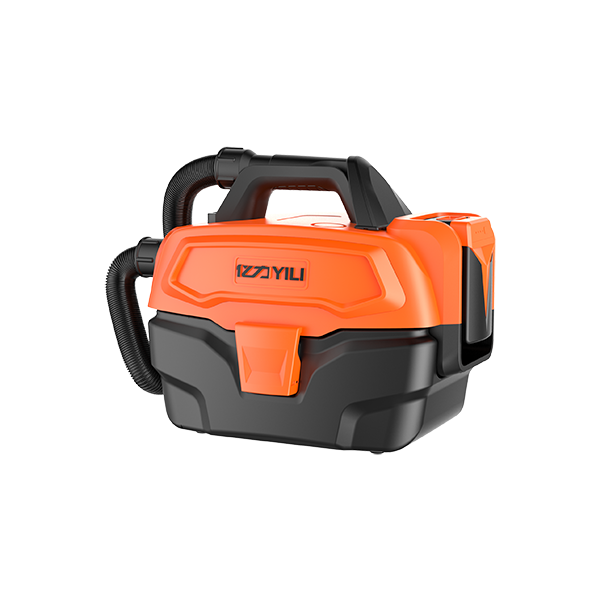
Wet & Dry Vacuum Cleaners
Source premium Wet & Dry Vacuum Cleaners from vetted suppliers and manufacturers. Designed for importers, wholesalers, distributors, and appliance brands seeking reliable OEM and private-label production, our network delivers high-performance floor care appliances built to exact specifications and international compliance standards.
Sourcing wet and dry vacuum cleaners in bulk requires navigating a complex intersection of fluid dynamics, electrical safety, and motor durability. Whether you are procuring heavy-duty corded models for commercial distribution or smart, cordless wet/dry floor washers for consumer retail, success depends on partnering with manufacturers who can execute precise engineering. A failure in water-air separation or a poorly sealed motor housing leads to catastrophic product failure, high return rates, and safety liabilities.
Core Specifications for Wet & Dry Vacuum Cleaners
When defining your product requirements with a manufacturer, vague requests for "high suction" will not suffice. You must specify the exact parameters that dictate performance and cost.
| Specification | Corded (Commercial/Heavy Duty) | Cordless (Consumer Floor Washers) |
|---|---|---|
| Motor Type | Brushed AC or Bypass Motor | Brushless DC (BLDC) |
| Suction Power | 15 to 25 kPa | 8 to 16 kPa |
| Power Supply | 110V/220V AC (1000W - 2000W) | 21.6V to 25.2V Lithium-ion |
| Water Separation | Float valve system | Dual-tank (Clean/Dirty) with active pumping |
The most critical component is the motor. For wet/dry applications, bypass motors are standard in commercial units, as they route the working air (which may contain moisture) separately from the cooling air. For modern cordless floor washers, BLDC motors are preferred for their high efficiency and compact size, but they require advanced Battery Management Systems (BMS) and meticulous moisture sealing.
Need help identifying factories with proven track records in BLDC motor integration and high-level moisture sealing? We can streamline your sourcing process.
Talk to our teamManufacturing Tolerances and Quality Control
The factory floor is where a good design either becomes a reliable product or a liability. Wet and dry vacuums face the unique challenge of ingesting liquids near high-voltage electrical components.
If you are developing a custom product or modifying an existing mold through OEM/ODM Services, pay close attention to the tooling of the water tanks and motor housing. Even a millimeter of warping in the plastic injection process can compromise the vacuum seal, leading to loss of suction or, worse, water ingress into the motor chamber.
Water Ingress Protection
Always verify the IP (Ingress Protection) rating of the final assembly. Wet/dry vacuums should meet at least IPX4 standards. Do not rely solely on the supplier's word; independent verification is essential.
To mitigate these risks, implement a strict inspection protocol. Comprehensive Quality Control & Inspection should occur both in-line and pre-shipment.
Critical QC Checks for Wet/Dry Vacuums
- Hi-Pot (High Potential) testing to ensure electrical insulation integrity.
- Vacuum seal decay testing on assembled clean and dirty water tanks.
- Run-dry protection verification (ensuring the unit shuts off when the clean water tank is empty).
- Float valve engagement testing (ensuring suction cuts off when the dirty tank is full).
- Battery lifecycle and thermal management testing for cordless models.
Compliance and Market Certifications
Home appliances are heavily regulated. Importing wet and dry vacuums without the correct certifications will result in customs seizures or blocked retail channels. Your supplier must be able to provide valid test reports from recognized laboratories.
For the US market, UL or ETL certification is mandatory. For Europe, CE (including LVD and EMC directives) and RoHS compliance are required. Because regulations update frequently, integrating professional Compliance & Testing into your sourcing timeline prevents costly delays. Furthermore, conducting thorough Factory Audits before placing an order ensures the manufacturer actually holds the certifications they claim, rather than borrowing them from a sister company or component supplier.
Typical Pricing, MOQs, and Lead Times
Pricing and minimum order quantities in the floor care sector depend heavily on the level of customization and the technology involved.
For standard corded wet/dry shop vacuums, unit costs are relatively low, driven primarily by the cost of raw plastics and copper. For smart cordless floor washers featuring self-cleaning bases, voice prompts, and motorized brush rolls, the cost of the PCBA (Printed Circuit Board Assembly) and lithium-ion battery pack makes up a significant portion of the total unit price.
Struggling to negotiate favorable MOQs or transparent pricing on complex floor care appliances? Let our on-the-ground team manage the supplier negotiations for you.
Get a free consultationSourcing wet and dry vacuum cleaners requires a precise balance of mechanical engineering, electrical safety, and rigorous quality oversight. By defining strict technical parameters and verifying factory capabilities early in the process, you can secure reliable, high-performing appliances that protect your brand's reputation. Establishing a robust sourcing framework ensures your shipments meet both performance expectations and regulatory requirements every time.
Get Sourcing Help for Wet & Dry Vacuum Cleaners
Tell us your requirements and our experts will connect you with verified manufacturers.