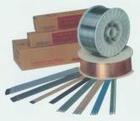
Welding Wires
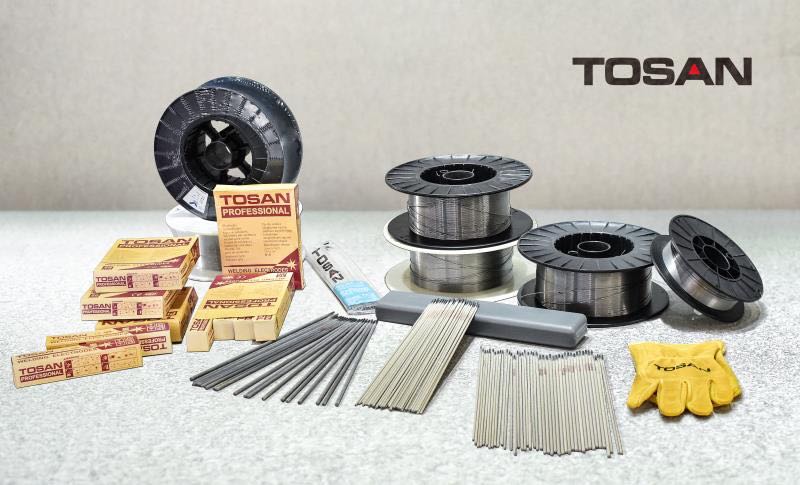
Source high-quality Welding Wires from vetted suppliers and manufacturers across Asia. Designed for industrial importers, wholesale distributors, and brands seeking reliable OEM production, our network delivers bulk welding consumables built to strict AWS and ISO standards to keep your supply chain competitive.
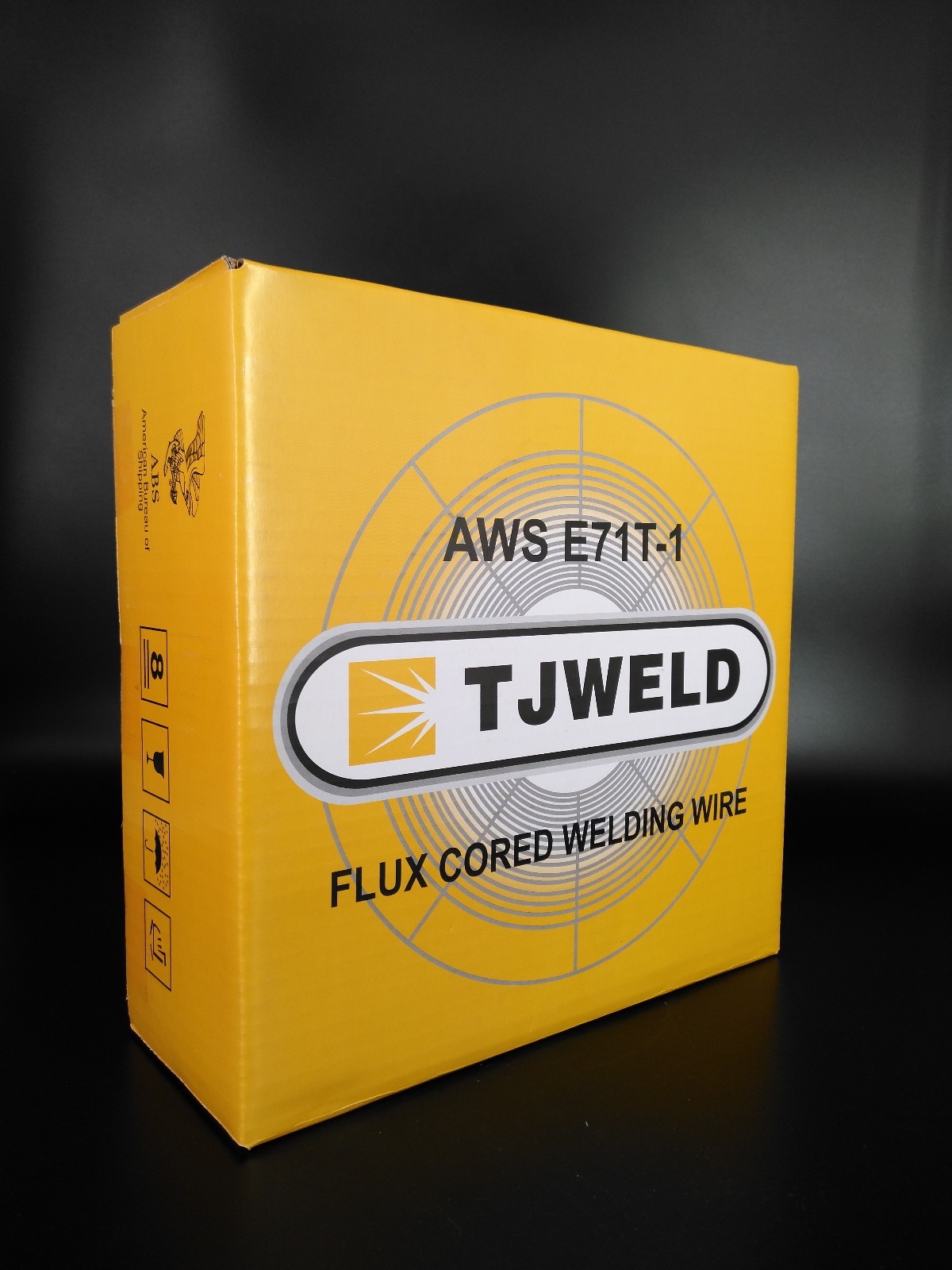
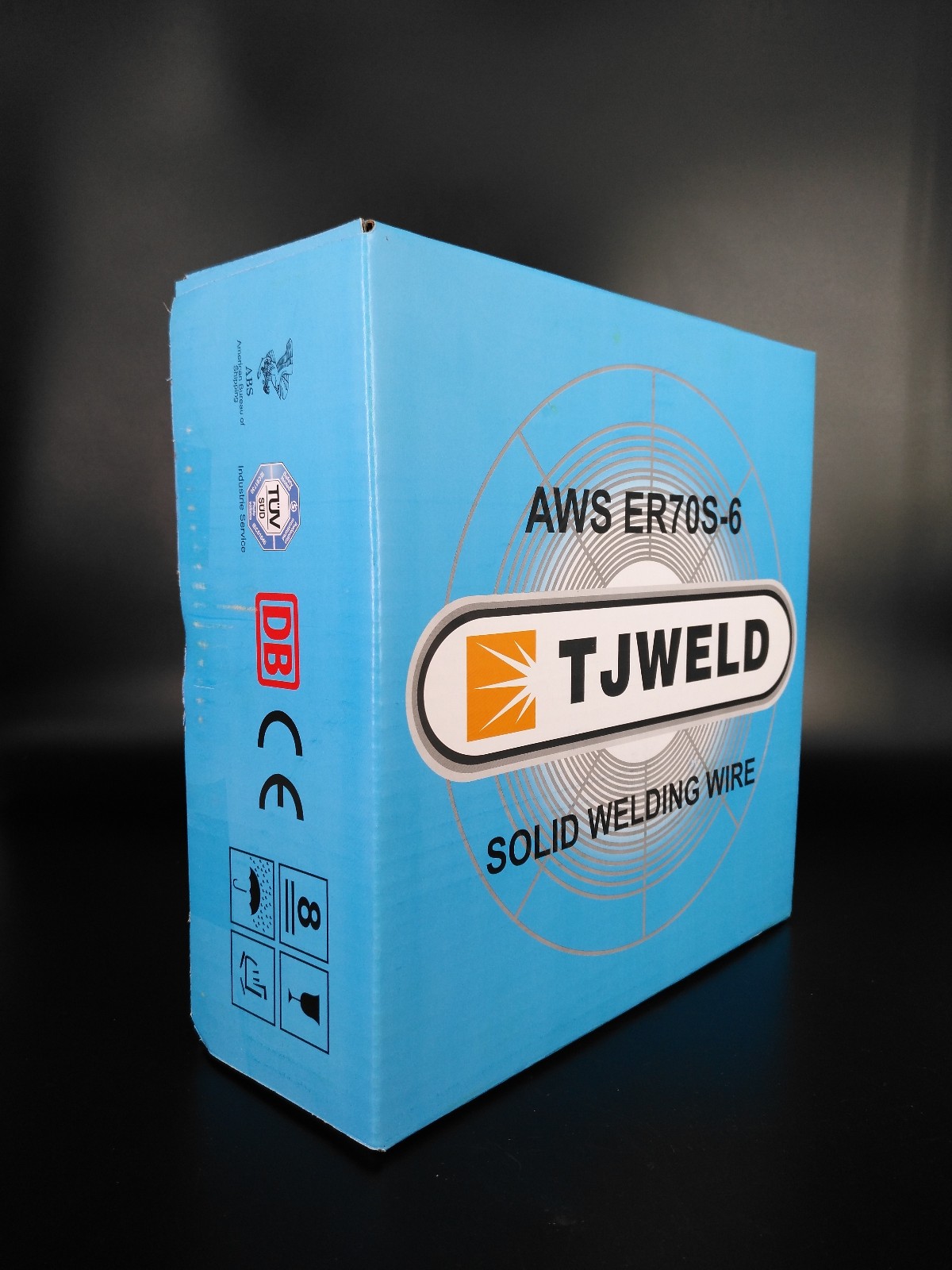
Sourcing welding wire at scale requires balancing tight chemical tolerances with the brutal realities of heavy freight logistics. Whether you are importing carbon steel MIG wire (ER70S-6), flux-cored wire (FCAW), or specialized aluminum and stainless alloys, the core challenge remains the same: ensuring consistent arc stability, reliable feedability, and strict adherence to international classification standards across every single container you import.
Critical Specifications for Bulk Buyers
When negotiating with manufacturers, vague specifications lead to inconsistent batches. Professional buyers must dictate exact requirements for chemistry, drawing tolerances, and spooling methods.
| Specification | Solid Wire (e.g., ER70S-6) | Flux-Cored Wire (e.g., E71T-1) |
|---|---|---|
| Diameter Tolerance | Strict (typically +/- 0.01mm to 0.02mm) | Slightly wider due to tubular forming |
| Surface Finish | Copper-coated (standard) or bare/uncoppered | Matte, treated with specialized drawing lubricants |
| Spool Winding | Precision layer wound is mandatory for automated feeding | Layer wound, highly sensitive to crushing |
| Moisture Sensitivity | Low, but prone to surface rust if unsealed | High; requires vacuum packing to prevent hydrogen pickup |
The Importance of Precision Winding and Surface Finish
For automated and semi-automated welding, feedability is everything. Poorly wound spools (random winding) will cause tangles, burn-backs, and downtime for the end-user. Always specify precision layer winding.
Additionally, for copper-coated carbon steel wires, the thickness and adhesion of the copper layer are critical. If the coating is too thick or poorly bonded, copper flakes will accumulate in the welding gun liner, causing blockages. A high-quality manufacturer uses advanced chemical plating processes to ensure a micro-thin, highly adhesive copper layer.
Struggling with inconsistent wire feedability or rust issues from your current supplier? Let us connect you with audited manufacturers who maintain strict environmental and drawing controls.
Talk to our teamQuality Control and Factory Audits
Not all wire drawing facilities are equipped to maintain AWS, EN ISO, or marine (ABS/DNV) certifications. Verifying a factory's internal testing capabilities—specifically their optical emission spectrometers for chemical analysis and universal testing machines for mechanical properties—is a non-negotiable step. Conducting factory audits ensures the supplier actually owns the drawing and plating equipment, rather than outsourcing to sub-standard secondary mills.
Pre-Shipment Inspection Checklist for Welding Wires
- Chemical composition verification (C, Mn, Si, S, P levels must match AWS/ISO certificates).
- Diameter consistency checks using micrometers at multiple points along the spool.
- Visual inspection for surface oxidation, rust, or flaking copper coating.
- Spool integrity checks (cracked plastic spools or bent wire baskets).
- Packaging verification (VCI paper, silica gel packets, and intact vacuum seals).
To prevent defective batches from leaving the factory, implementing strict quality control & inspection protocols before loading is highly recommended.
Pricing, MOQs, and Lead Times
Welding wire is a low-margin, high-volume commodity heavily tied to raw material indexes (steel wire rod and copper). Because it is exceptionally heavy, freight optimization dictates purchasing behavior.
Cost Drivers
- Raw Material Fluctuations: Prices are generally quoted based on the current steel wire rod market. Quotes are often only valid for 7 to 14 days.
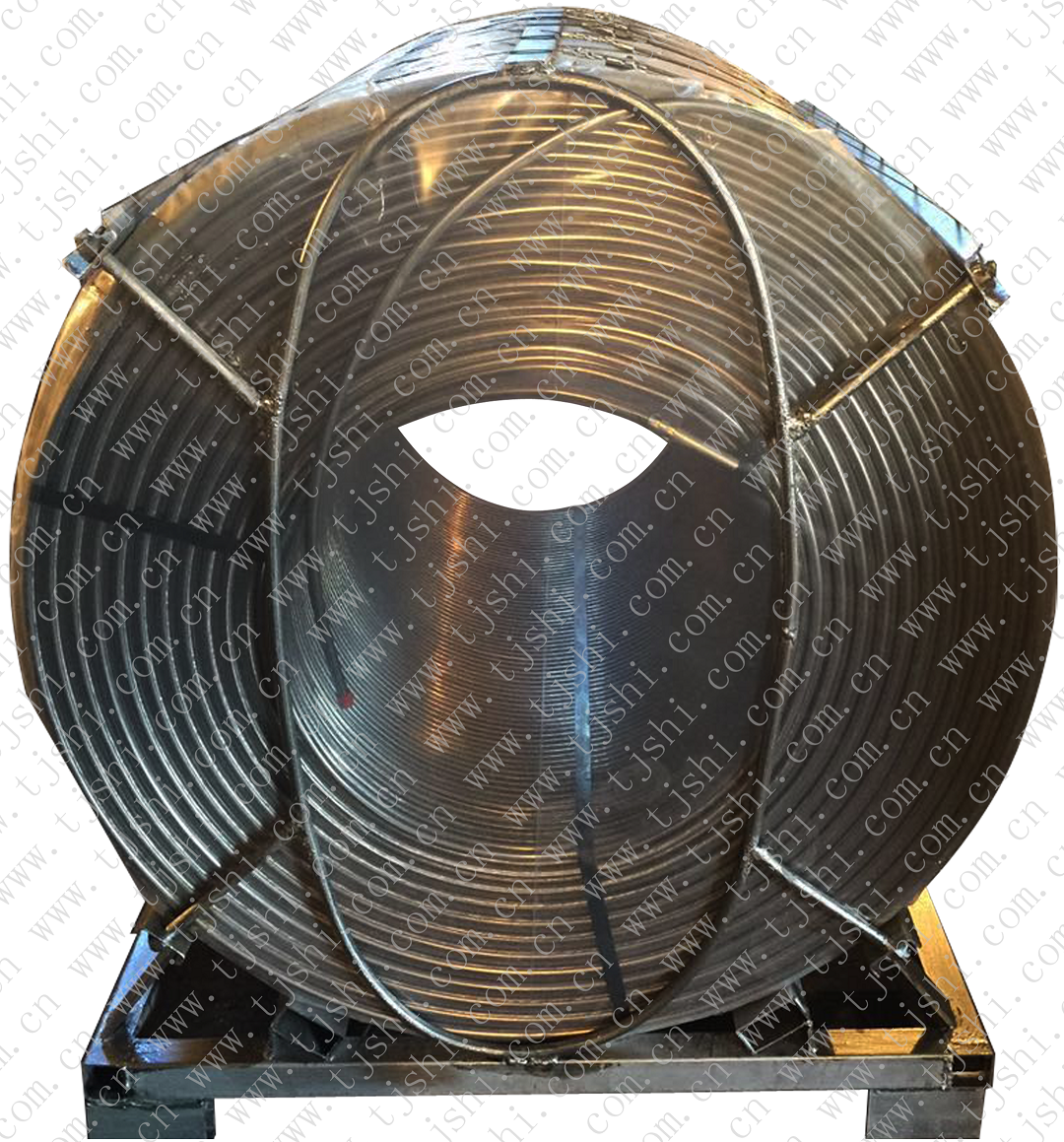
- Packaging Costs: Plastic spools (D200, D300) are standard, but metal wire baskets (K300) or heavy bulk drums (250kg+) for robotic welding add to the unit cost. If you require OEM/ODM services for custom-branded spools and boxes, expect minor setup fees for the printing plates.
- Certifications: Products carrying specific marine approvals (LR, ABS, DNV) or CE marks for the European market command a premium due to the rigorous compliance & testing overhead maintained by the factory.
Need competitive pricing on bulk ER70S-6 or specialized flux-cored wires? We negotiate directly with top-tier Asian mills to secure favorable terms and manage the heavy freight logistics.
Get a free consultationFrequently Asked Questions
Successfully sourcing welding wire is an exercise in supply chain discipline. While the unit price per kilogram is the most visible metric, the true cost of a poorly sourced batch is measured in rejected shipments, rusted inventory, and lost end-user trust. By locking in precise specifications and enforcing rigorous pre-shipment inspections, buyers can secure reliable margins without sacrificing performance.
Get Sourcing Help for Welding Wires
Tell us your requirements and our experts will connect you with verified manufacturers.