Weighing Scales
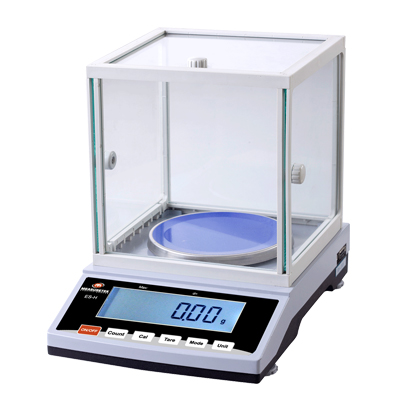
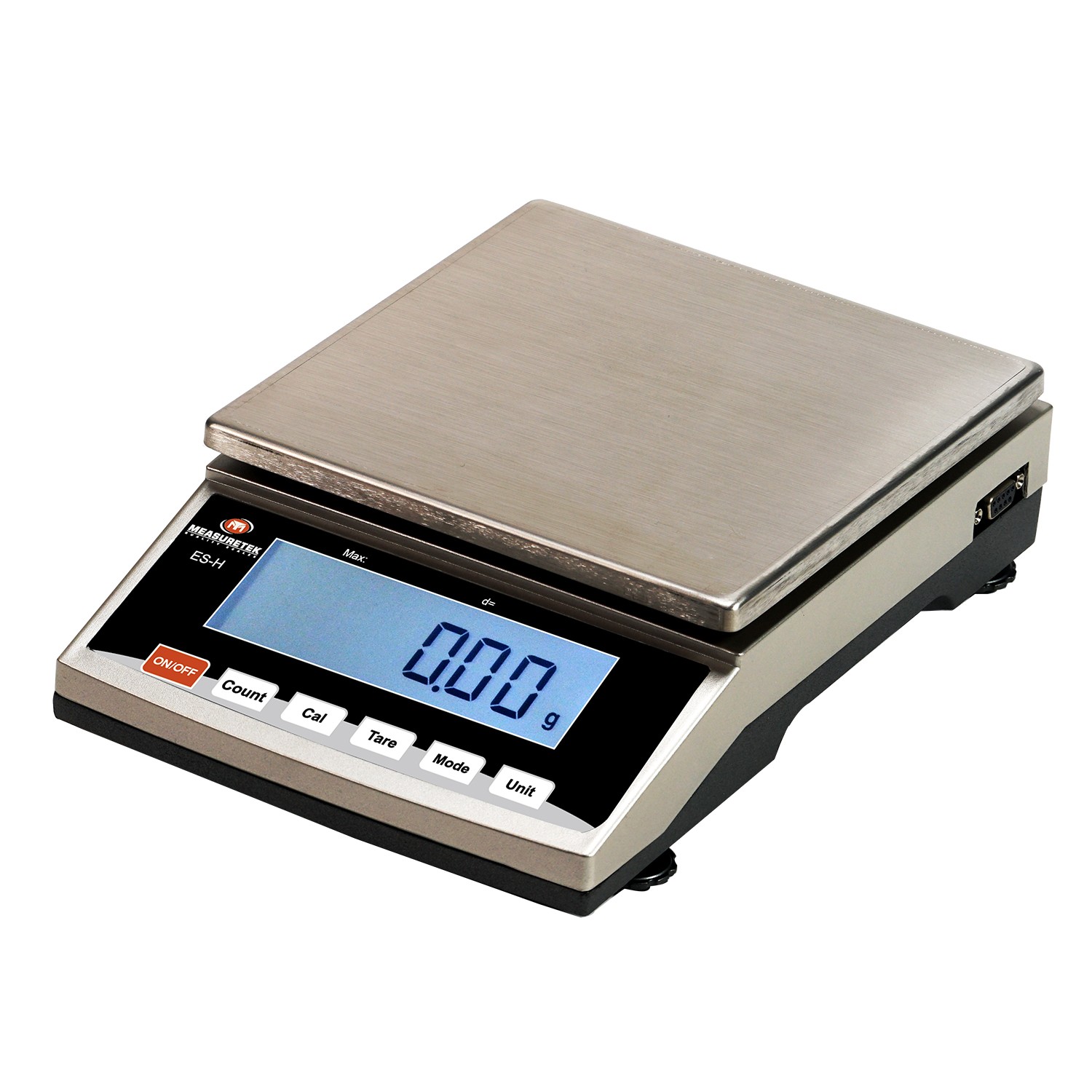
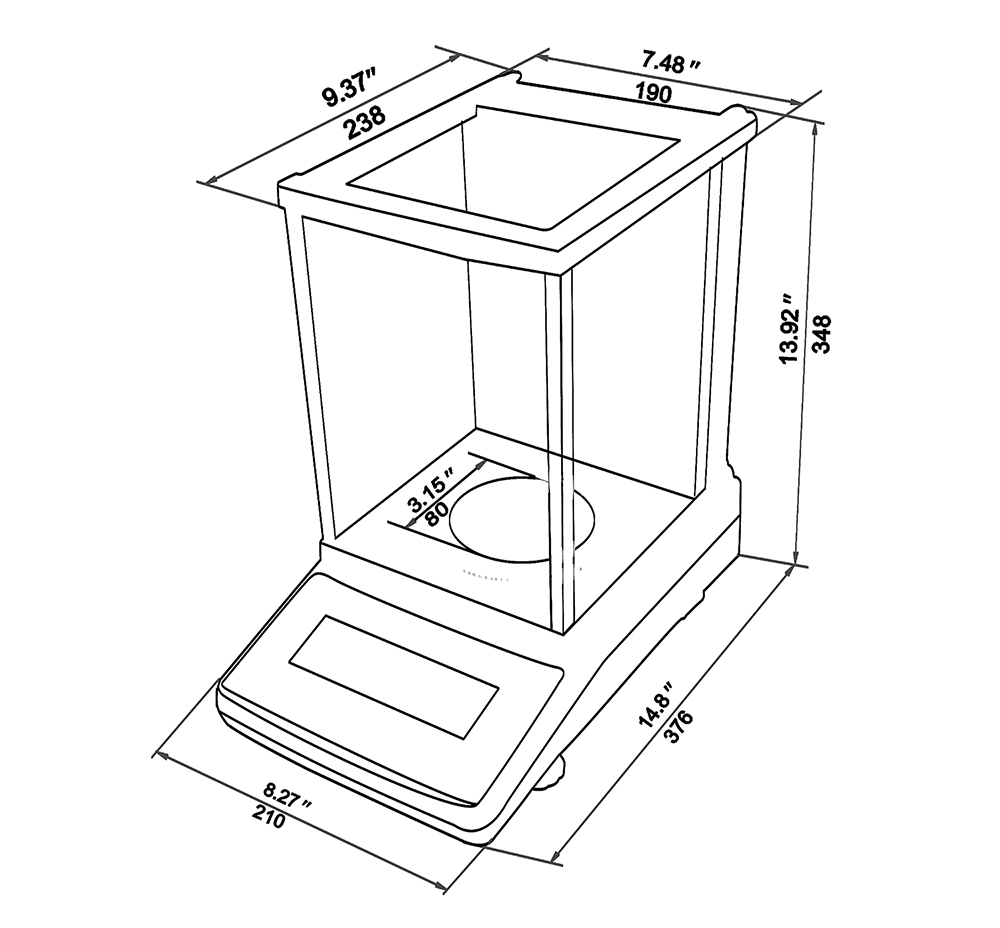
Source precision weighing scales from vetted suppliers and manufacturers across Asia. Designed for importers, distributors, and brands seeking reliable OEM/ODM production, our network provides access to high-accuracy measurement instruments built for rigorous industrial and laboratory environments.
Procuring weighing scales in volume requires a strict focus on sensor accuracy, component stability, and regulatory compliance. Whether you are importing heavy-duty industrial bench scales or high-precision laboratory balances, the primary sourcing challenge remains the same: ensuring the manufacturer uses reliable load cells and stable analog-to-digital (A/D) converters that maintain calibration over time.
Specifying Sensor Technology and Accuracy
The core of any digital weighing scale is its measurement technology. When negotiating with manufacturers, the type of sensor dictates the scale's readability, capacity, and unit cost. Relying on a factory's generic "high precision" claim often leads to receiving units with severe temperature drift or poor repeatability.
| Sensor Technology | Typical Readability | Application Focus | Cost Profile |
|---|---|---|---|
| Strain Gauge Load Cell | 0.1g to 1g | Industrial, retail, shipping | Low to Medium |
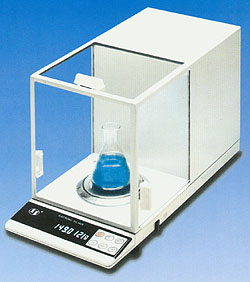
| Electromagnetic Force Restoration (EMFR) | 0.0001g to 0.01g | Laboratory, analytical testing | High |
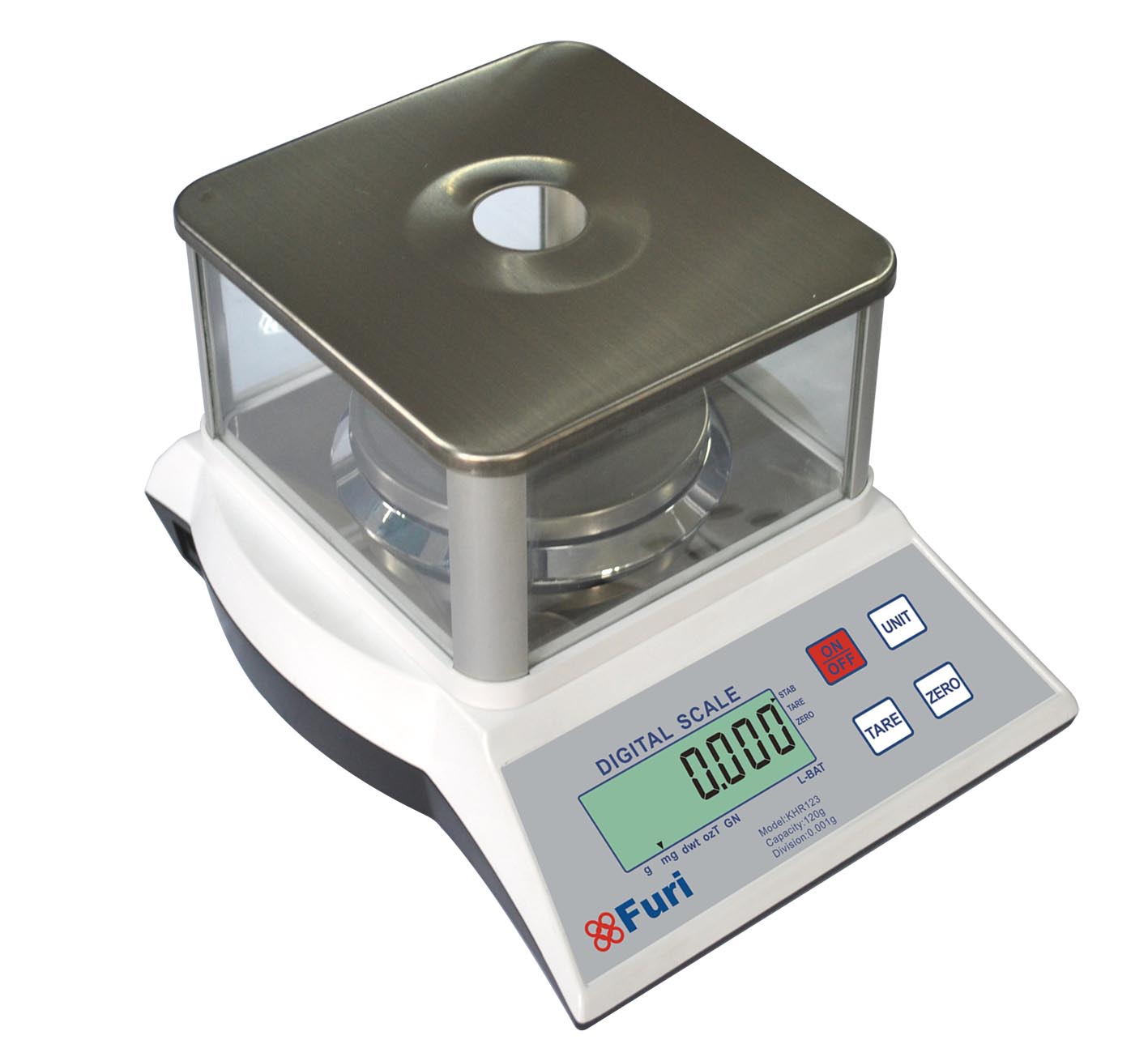
| Tuning Fork Sensor | 0.001g to 0.1g | Precision industrial, jewelry | Medium to High |
Beyond the sensor itself, you must specify the resolution of the A/D converter. A high-quality load cell paired with a low-resolution A/D chip will result in unstable readings.
Need help verifying a manufacturer's technical capabilities? We can audit their engineering standards and component supply chain before you place an order.
Talk to our teamManufacturing Vulnerabilities and Quality Control
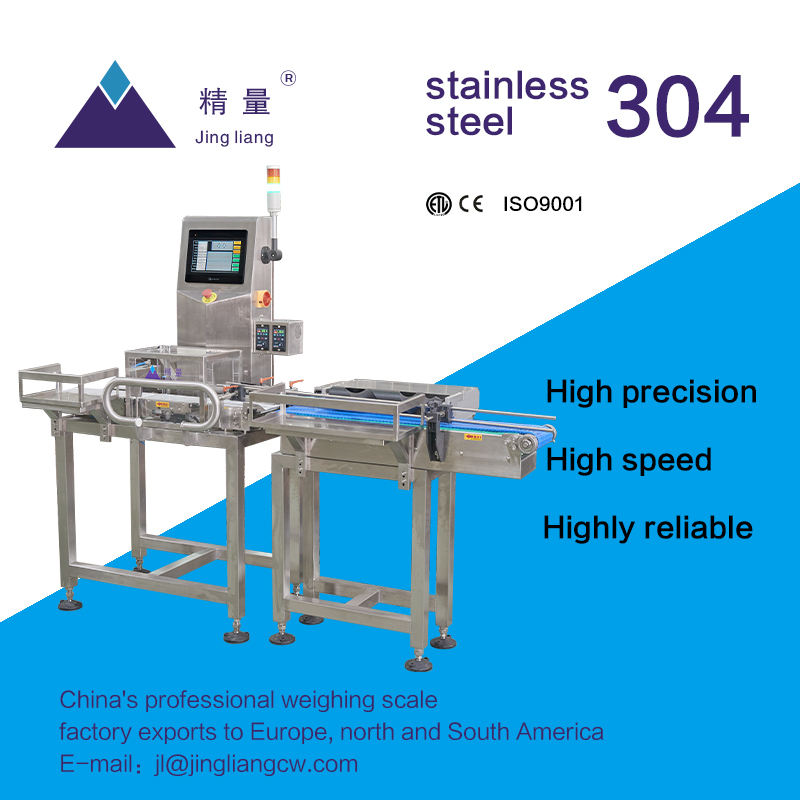
In a highly competitive manufacturing landscape, factories may substitute internal components to preserve their margins. While the exterior housing (whether ABS plastic, die-cast aluminum, or 304 stainless steel) might look identical to the approved sample, the internal build quality determines the scale's lifespan.
When setting up your Quality Control & Inspection protocols, mandate specific tests that go beyond simply turning the unit on.
Critical Pre-Shipment Inspection Checks
- Eccentricity (Corner Load) Test: Ensuring identical readings regardless of where the mass is placed on the pan.
- Linearity Verification: Checking accuracy across the entire weighing range, not just at maximum capacity.
- Repeatability Testing: Taking multiple readings of the same mass to check for variance.
- Temperature Compensation: Verifying that the scale maintains accuracy across its stated operating temperature range.
- Ingress Protection (IP) Verification: Testing seals on washdown or industrial scales to confirm IP65 or IP68 claims.
Compliance and Metrology Standards
If the scales are intended for commercial use where money changes hands based on weight (trade-approved), compliance is non-negotiable. Importers must ensure the factory can produce units that meet regional legal metrology standards, such as OIML (International), NTEP (North America), or CE-M (Europe).
Securing valid certifications requires rigorous Compliance & Testing. Be aware that many lower-tier factories provide fake or expired OIML certificates. Always verify the certificate number directly with the issuing body and ensure it matches the exact model number and load cell specified in your order.
OEM/ODM Customization, MOQs, and Lead Times
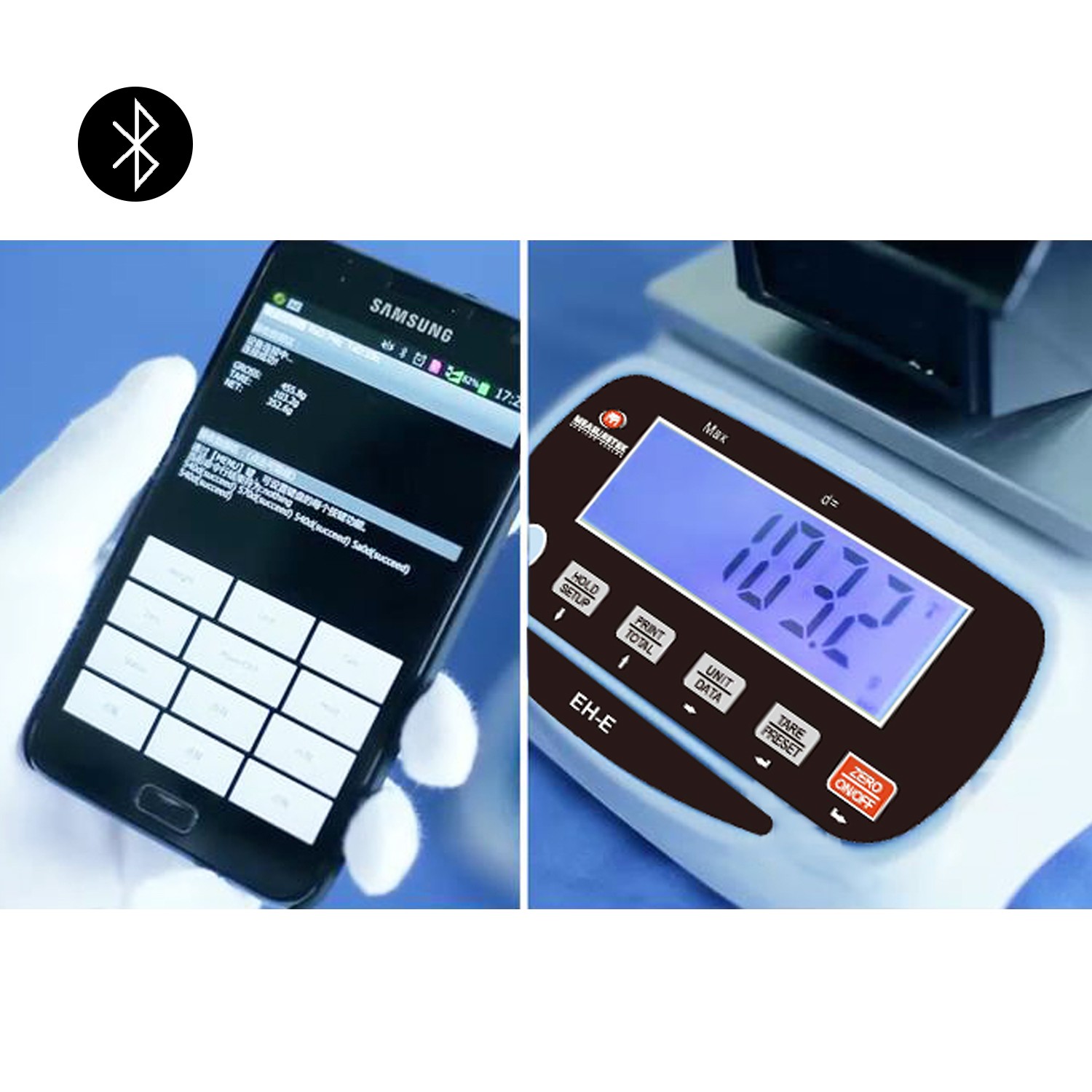
Developing a private-label line of weighing scales involves more than printing a logo on the casing. True OEM/ODM Services allow you to customize the firmware, select specific weighing units, design custom LCD/LED displays, and integrate specific communication interfaces (RS232, USB, Bluetooth, or Wi-Fi).
Planning a custom weighing instrument line? Our team can help you negotiate favorable MOQs and manage the product development cycle from prototype to final assembly.
Get a free consultationFrequently Asked Questions
Sourcing reliable weighing scales at scale requires deep technical vetting of both the components and the factory's assembly environment. By prioritizing sensor quality and enforcing rigorous metrological testing before shipment, you can build a highly profitable and dependable product line.
Get Sourcing Help for Weighing Scales
Tell us your requirements and our experts will connect you with verified manufacturers.