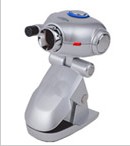
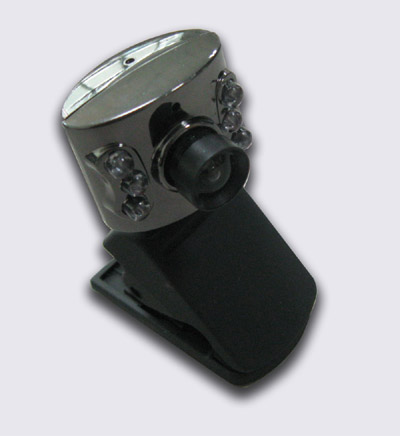
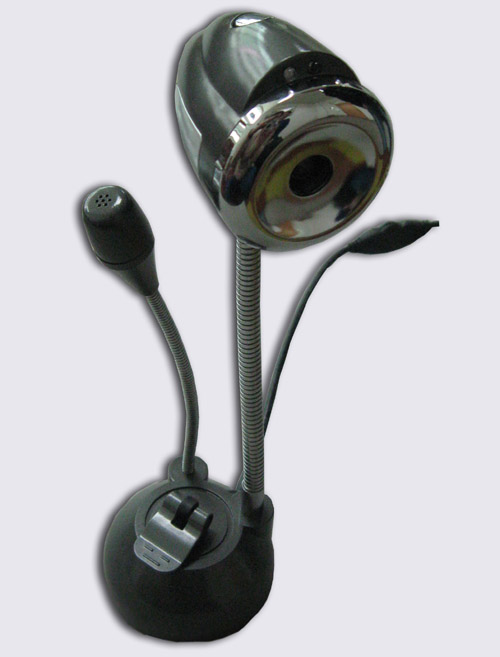
Web Cameras
Source high-performance Web Cameras directly from vetted manufacturers and wholesale suppliers. Designed for importers, distributors, and electronics brands, our network supports bulk procurement, OEM customization, and private-label production to meet your exact specifications and volume requirements.
Sourcing web cameras requires navigating a highly fragmented supply chain centered primarily in Shenzhen and Dongguan. The market is saturated with trading companies assembling off-the-shelf components into generic housings, which often leads to inconsistent firmware performance, sensor misalignment, and high defect rates. Securing a reliable supply chain means identifying actual manufacturers capable of proper cleanroom assembly, precise image tuning, and stable component procurement.
Critical Specifications and Component Selection
The performance of a web camera is dictated by the synergy between the image sensor, the lens array, and the Digital Signal Processor (DSP). When specifying your product, dictating the exact component tier is essential to avoid unauthorized factory substitutions.
- Image Sensors (CMOS): The sensor dictates light sensitivity and resolution. Entry-level models typically use cost-effective OmniVision sensors, while premium 4K or high-framerate cameras rely on Sony IMX series sensors for superior low-light performance and dynamic range.
- Lens Elements: Lenses are categorized by their material composition. A "4G" lens contains four glass elements, offering better clarity and scratch resistance than a "2P2G" (two plastic, two glass) hybrid lens. Plastic elements are prone to thermal expansion, which can degrade focus during prolonged use.
- DSPs and Firmware: The DSP handles Auto White Balance (AWB), Auto Exposure (AE), and Auto Focus (AF). Poorly tuned DSP firmware results in color shifting, lagging autofocus, and screen tearing.
| Component | Standard Office Webcams | Premium / Streaming Webcams |
|---|---|---|
| Resolution & Framerate | 1080p at 30fps | 4K at 30fps or 1080p at 60fps |
| Lens Construction | Plastic/Glass Hybrid (e.g., 2P2G) | All-Glass Multi-Element (e.g., 5G or 6G) |
| Field of View (FOV) | 60 to 75 degrees | 78 to 90+ degrees (often adjustable) |
| Microphone | Single omnidirectional | Dual noise-canceling arrays |
Need help identifying the right component mix for your target price point? Let's discuss your product requirements.
Talk to our teamManufacturing Tolerances and Quality Control
Web camera assembly is highly sensitive to dust and alignment errors. The mating of the sensor to the lens barrel must occur in a cleanroom environment (typically Class 1000 or better). If a factory lacks these facilities, particulate matter will settle on the sensor, appearing as permanent black spots on the video feed.
Implementing rigorous quality control and inspection protocols at the factory level is non-negotiable. Defect rates spike when factories rush the focusing calibration or skip comprehensive audio testing.
Critical QC Checkpoints for Web Cameras
- Cleanroom verification: Ensure sensor and lens assembly occurs in a certified dust-free environment.
- Focus calibration: Test autofocus speed and accuracy at multiple distances (macro to infinity).
- Color accuracy: Use standardized color charts to verify AWB and AE algorithms across different lighting conditions.
- Audio clarity: Test dual-mic arrays for proper noise suppression and stereo separation.
- USB Video Class (UVC) compliance: Verify plug-and-play compatibility across Windows, macOS, and Linux without driver installation.
OEM and ODM Customization
If you are building a brand rather than distributing generic hardware, leveraging OEM/ODM services allows you to differentiate your product. Customization typically falls into three tiers:
- White-labeling: Using an existing private mold and customizing the logo, packaging, and basic firmware strings (so the camera shows up as your brand name in the computer's device manager).
- Housing Customization (OEM): Designing a custom plastic or aluminum enclosure while utilizing a pre-engineered internal PCB and sensor layout. This requires new injection molding tooling but saves significant R&D time.
- Full Customization (ODM): Developing a camera from the ground up, including custom PCB layout, specific sensor/DSP pairings, and advanced features like AI auto-framing or integrated ring lights.
Tooling Ownership
When paying for custom injection molds for a unique housing design, ensure your manufacturing contract explicitly states that you own the tooling and can move it to another facility if necessary.
Pricing, MOQs, and Lead Times
Procurement terms vary heavily based on the level of customization and the tier of the factory. Trading companies may offer very low minimums but provide zero control over component consistency. Direct manufacturers will require higher commitments to justify the production run.
Pricing is highly volatile and tied directly to the spot market for CMOS sensors and DSP chips. A sudden shortage in silicon can increase costs or delay production. Working with established factories that hold component buffer stock is the best way to mitigate this risk.
Ready to streamline your procurement and lock in reliable pricing? Speak with our sourcing experts today.
Get a free consultationFrequently Asked Questions
Sourcing web cameras at scale is ultimately an exercise in managing component consistency. The difference between a high-return product and a top-seller usually comes down to the factory's discipline in cleanroom assembly and firmware tuning. By partnering with suppliers who control their manufacturing environment and understand the nuances of optical alignment, you can secure a reliable, high-margin product line.
Get Sourcing Help for Web Cameras
Tell us your requirements and our experts will connect you with verified manufacturers.