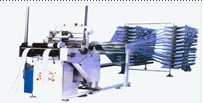
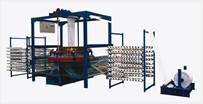
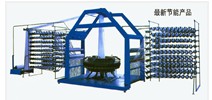
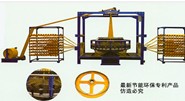
Weaving Machines
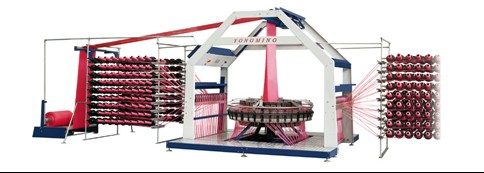
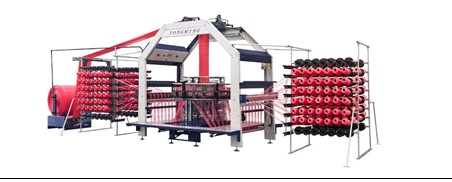
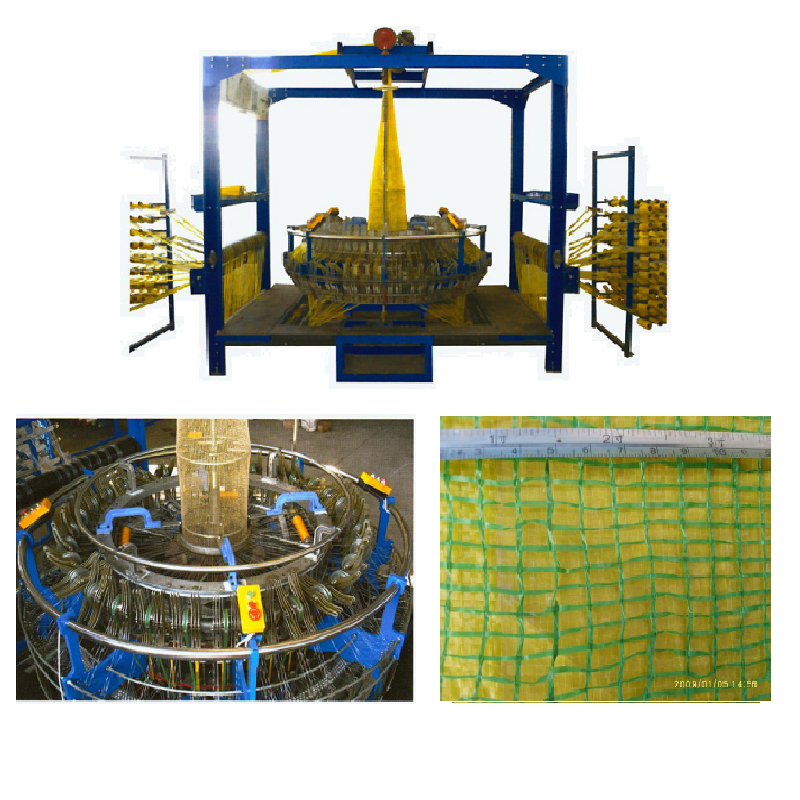
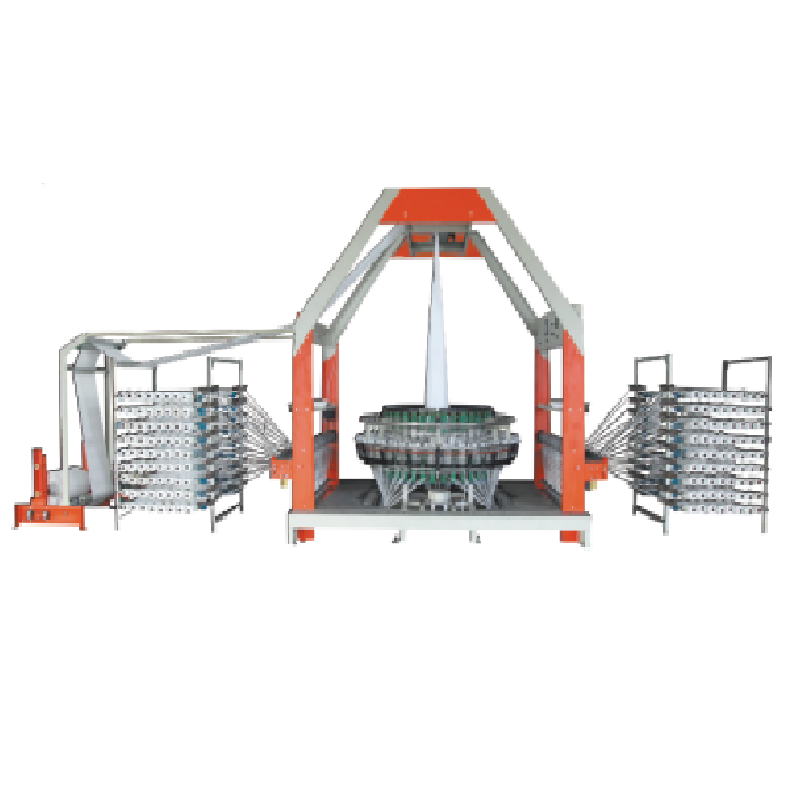
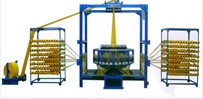
Source industrial Weaving Machines from vetted manufacturers and wholesale suppliers. Designed for textile manufacturers, equipment distributors, and importers looking to scale production capacity, our supplier network offers reliable shuttleless, rapier, air-jet, and water-jet weaving solutions for bulk import.
Sourcing industrial weaving machinery requires balancing upfront capital expenditure with long-term production reliability. Whether you are upgrading an existing textile mill or importing equipment for regional distribution, selecting the right manufacturer means looking past the basic specification sheet. You must evaluate frame rigidity, control system stability, weft insertion precision, and aftermarket support to ensure the equipment delivers consistent fabric quality at high speeds.
Core Technologies and Specifications
The primary differentiator in modern weaving machines is the weft insertion method. Your choice dictates the machine's maximum speed, energy consumption, and the types of yarn it can successfully process.
| Technology | Typical Speed (RPM) | Weft Insertion | Best For |
|---|---|---|---|
| Rapier | 400 - 700 | Mechanical bands/rods | Versatile fabrics, heavy denier, complex patterns |
| Air-Jet | 800 - 1200 | Pneumatic nozzles | High-volume cotton, synthetic blends, standard weaves |
| Water-Jet | 800 - 1400 | Hydraulic jet | Hydrophobic synthetic fibers like polyester and nylon |
Beyond insertion technology, buyers must specify the shedding mechanism (Cam, Dobby, or Jacquard) based on the required pattern complexity, and the nominal reed width (typically ranging from 190cm to 360cm), which impacts both output volume and maximum operating speed.
Evaluating Manufacturer Capabilities
Not all machinery assemblers are true manufacturers. The longevity of a weaving machine depends heavily on the quality of its foundational metallurgy and machining. If a machine frame lacks mass or is poorly machined, it will vibrate excessively at high RPMs. This vibration translates directly into fabric defects, such as stop marks and uneven weft density, while accelerating wear on servo motors and bearings.
When evaluating a supplier, look for factories that perform their own casting and use precision CNC milling for the main frame components. Furthermore, the electronic control systems (PLCs, inverters, and human-machine interfaces) should utilize recognized international brands to ensure stability and spare parts availability in your target market. Conducting rigorous factory audits is essential to verify a supplier's machining tolerances and assembly processes before you commit to a major capital purchase.
Sourcing heavy machinery requires rigorous technical vetting. Let our engineering team evaluate and qualify weaving machine manufacturers on your behalf.
Discuss your equipment needsFactory Acceptance Testing (FAT)
Before a machine is crated for export, it must undergo strict validation. Heavy machinery cannot be easily returned, making in-depth pre-shipment inspection critical.
Mechanical & Frame Inspection
Verify casting quality, measure vibration levels at peak RPM, and check the alignment of the reed and shedding mechanisms using precision dials.
Control System Verification
Test the PLC interface, ensure all automatic stop motions (warp and weft breakage sensors) trigger instantly, and verify servo motor synchronization.
Continuous Run-In Test
Mandate a 24-to-48-hour continuous dry run, followed by a live weaving test using your specific yarn parameters to calculate actual defect rates and efficiency.
Pricing, Lead Times, and Logistics
Procuring heavy capital equipment involves distinct supply chain dynamics compared to standard commercial goods.
Shipping weaving machines is inherently complex. The equipment is heavy, prone to rust if exposed to sea air, and sensitive to impact. Machines often require specialized vacuum packing with desiccants and heavy-duty wooden crating. Depending on the reed width and overall dimensions, shipping may necessitate Open Top or Flat Rack containers rather than standard dry vans. Coordinating international shipping and freight early in the procurement cycle is necessary to secure specialized container space and avoid costly port delays.
Managing the procurement and heavy-freight logistics for textile machinery is complex. We handle the end-to-end process from factory floor to your facility.
Talk to our logistics teamProcuring industrial weaving machines is a major strategic investment that defines your production capabilities for a decade or more. Success depends on matching the exact insertion technology to your yarn profile and ensuring the manufacturer has the engineering rigor to deliver a stable, high-speed platform.
Get Sourcing Help for Weaving Machines
Tell us your requirements and our experts will connect you with verified manufacturers.