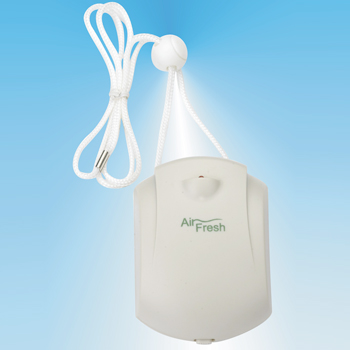
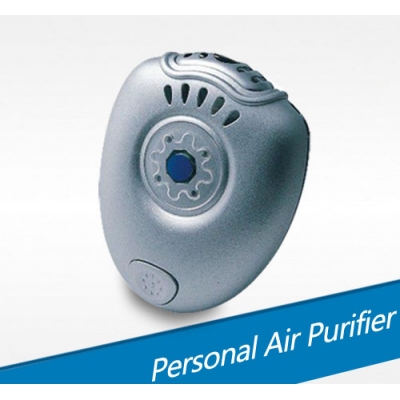
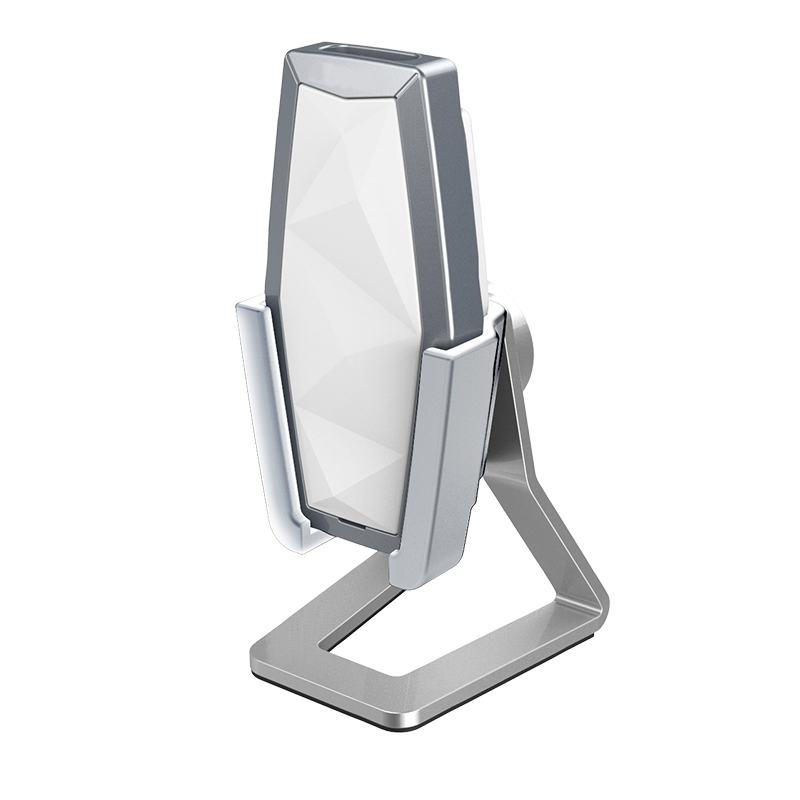
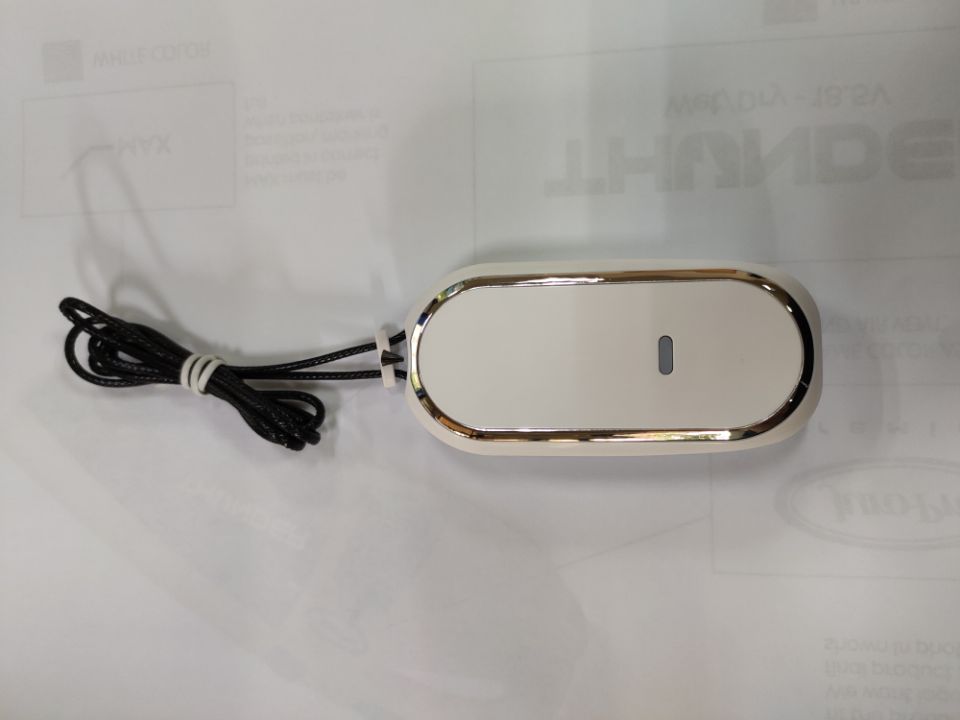
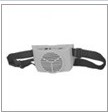
Wearable Air Purifiers
Source wearable air purifiers in bulk from vetted suppliers and manufacturers across Asia. Designed for importers, distributors, and brands seeking reliable wholesale or custom OEM production, our network delivers high-quality personal air purification devices built to strict international compliance and safety standards.
Sourcing wearable air purifiers—predominantly functioning as personal negative ion generators—requires a strict balance between compact component integration and user safety. Because these devices are worn directly on the body and operate near the user's breathing zone, procurement teams must look past aesthetic casing designs and focus heavily on anion output consistency, battery safety, and strict ozone emission limits.
Core Specifications for Wearable Purifiers
The primary mechanism for most wearable purifiers is a carbon fiber brush that emits negative ions (anions) to repel airborne particles. When evaluating a factory's technical capabilities, you must specify the exact output requirements and safety thresholds.
| Specification Focus | Standard Wholesale Models | Premium / Custom OEM |
|---|---|---|
| Anion Output | 3 to 5 million ions/cm³ | 10 to 20+ million ions/cm³ |
| Ozone Emissions | Close to 0.05 ppm limit | Undetectable (under 0.01 ppm) |
| Battery Capacity | 150mAh - 250mAh (Li-Po) | 300mAh - 500mAh (High-density Li-Po) |
| Operating Time | 10 - 15 hours | 30 - 60+ hours per charge |
The most critical safety metric is ozone generation. High-voltage ionizers inherently produce trace amounts of ozone. For the US market, devices must comply with CARB (California Air Resources Board) standards, which strictly mandate ozone emissions of less than 0.05 parts per million. Failing to verify this at the factory level will result in customs seizures and blocked sales. Engaging specialized Compliance & Testing early in the sourcing process is highly recommended.
Ensure your wearable purifiers meet strict ozone and battery safety standards before production begins.
Talk to our teamManufacturing Tolerances and Quality Control
The internal architecture of a wearable purifier is exceptionally dense. The PCB, lithium-polymer battery, and high-voltage module must be isolated from one another to prevent short circuits or thermal runaway.
When evaluating suppliers, look for facilities with dedicated clean-room assembly lines for the internal electronics. Dust or moisture trapped inside the casing during assembly can degrade the high-voltage module over time, leading to premature failure.
Critical Factory-Floor QC Checks
- Ion Emitter Alignment: The carbon fiber brush must be perfectly centered in its housing to prevent internal arcing.
- Ozone Chamber Testing: Batch testing of active units in an enclosed chamber to verify emissions remain under 0.05 ppm.
- Battery Aging Tests: Charge/discharge cycling at elevated temperatures to ensure the Li-Po cell remains stable.
- Drop and Lanyard Stress Testing: Verifying the structural integrity of the ABS/PC casing and the breakaway strength of the lanyard.
Relying solely on a supplier's golden sample is risky. Implementing rigorous Quality Control & Inspection during the production run (in-line inspection) ensures that the high-voltage components used in mass production match the approved prototype.
Pricing, MOQs, and Customization
The supply chain for wearable air purifiers is concentrated in Guangdong province, China, specifically around Shenzhen and Dongguan, leveraging the region's dense consumer electronics and PCB manufacturing ecosystem.
Pricing is driven primarily by the quality of the battery cell and the efficiency of the high-voltage module. Cheaper units often use lower-grade batteries with rapid capacity degradation, meaning a device rated for 15 hours drops to 4 hours after a few months of use.
If you are developing a proprietary design, utilizing professional OEM/ODM Services allows you to dictate the exact bill of materials (BOM), ensuring premium components are used while maintaining control over the final unit cost. Before committing to tooling costs for a custom mold, it is essential to conduct thorough Factory Audits to verify the manufacturer's engineering capabilities and financial stability.
Need to find reliable, vetted manufacturers for your custom personal air purifier line?
Get a free consultationFrequently Asked Questions
Sourcing wearable air purifiers at scale requires a deep understanding of high-voltage miniaturization and battery safety. By enforcing strict BOM requirements and implementing rigorous pre-shipment ozone testing, buyers can confidently bring effective, compliant personal air quality devices to market.
Get Sourcing Help for Wearable Air Purifiers
Tell us your requirements and our experts will connect you with verified manufacturers.