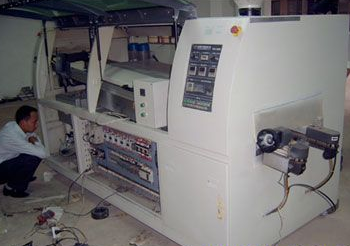
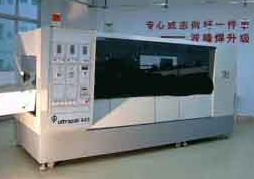
Wave Soldering Machines
Source industrial Wave Soldering Machines from vetted manufacturers and wholesale suppliers. Built for electronics assembly plants, distributors, and brands requiring OEM production, these systems deliver reliable through-hole soldering at scale. Partner with us for competitive pricing and strict quality assurance.
Sourcing wave soldering machines requires balancing thermal stability, precise flux management, and conveyor reliability against capital expenditure. For high-volume through-hole and mixed-technology PCB assembly, the performance of your soldering equipment directly dictates line yield, defect rates, and long-term maintenance costs.
Critical Specifications for Wave Soldering Systems
When negotiating with manufacturers, vague specifications lead to underperforming equipment. A machine's ability to maintain a stable wave height and consistent preheat temperatures under heavy production loads depends entirely on its core components and materials.
Solder Pot and Impeller Materials
The transition to lead-free solder has fundamentally changed material requirements. Lead-free alloys have a high tin content, making them highly corrosive to standard metals at elevated temperatures. If you are running lead-free processes, you must specify a titanium alloy solder pot, pump, and impeller. Standard cast iron or stainless steel pots will erode rapidly, leading to cross-contamination and catastrophic equipment failure.
Atmosphere Control: Air vs. Nitrogen
High-end production lines often utilize nitrogen-blanketed wave soldering to improve joint quality and reduce operating costs associated with dross.
| Factor | Standard Air Atmosphere | Nitrogen Atmosphere |
|---|---|---|
| Dross Formation | High (frequent skimming required) | Extremely low (reduces solder waste) |
| Wetting Performance | Standard | Superior (fewer bridges and icicles) |
| Maintenance Downtime | Higher | Significantly reduced |
| Initial Capital Cost | Lower baseline | Premium (requires N2 generator/supply) |
Ensure your equipment specifications match your production requirements and compliance standards.
Talk to our teamEvaluating Manufacturers and Factory Capabilities
Not all equipment assemblers have the engineering depth to build reliable thermal machinery. Discrepancies often hide in the control systems and heating elements. Conducting thorough factory audits is essential to verify that the supplier actually machines their own critical components rather than just assembling off-the-shelf parts in a workshop.
Key Factory Verification Points
- In-house machining capabilities for titanium solder pots and nozzles.
- Use of internationally recognized PLC and electrical components (e.g., Omron, Siemens, Schneider).
- Availability of CE or UL certifications for the specific machine series, not just the factory.
- Demonstrated ability to provide English-language software interfaces and technical manuals.
Quality Control and Factory Acceptance Testing (FAT)
Catching a defect after a 1,500 kg machine arrives at your facility is a costly mistake. Rigorous quality control & inspection must be conducted on the factory floor before the machine is crated.
Thermal Profiling Verification
Run test boards equipped with thermocouples through the machine to verify that preheat zones and the solder wave match the programmed thermal profile without unacceptable temperature drops.
Wave Stability and Height Testing
Operate the pumps at maximum capacity to ensure the wave remains smooth, stable, and at a consistent height across the entire width of the nozzle.
Fluxer Uniformity Check
Test the spray fluxer using thermal paper or glass plates to confirm an even, consistent coating without dry spots or excessive overspray.
Pricing, MOQs, and Lead Times
Because wave soldering machines are significant capital investments, the Minimum Order Quantity (MOQ) is universally one unit. However, lead times and pricing vary heavily based on the machine's footprint and automation level.
- Entry-Level / Offline Models: Small-footprint machines suitable for low-volume runs typically range from $3,000 to $8,000.
- Standard Inline Dual-Wave Systems: Full-sized production machines with PLC controls and titanium pots generally cost between $12,000 and $25,000.
- High-End / Nitrogen-Capable Systems: Fully automated, multi-zone nitrogen-blanketed machines can exceed $30,000.
Production lead times typically run 25 to 45 days, depending on customization requirements (such as specific conveyor widths or custom paint/branding). Once completed, coordinating the shipping & freight requires specialized handling. These machines are heavy, top-heavy, and sensitive to moisture, requiring vacuum bagging and ISPM-15 certified wooden crating for safe ocean transit.
Need accurate pricing and lead times for a custom wave soldering setup? Let our sourcing engineers assist you.
Get a free consultationFrequently Asked Questions
A reliable wave soldering machine anchors your entire assembly line's throughput and quality. By specifying the right materials, verifying control system components, and validating performance before shipment, you minimize downtime and costly rework. Proper sourcing execution ensures your equipment delivers consistent, defect-free joints from day one.
Get Sourcing Help for Wave Soldering Machines
Tell us your requirements and our experts will connect you with verified manufacturers.