Water Softeners
Source premium water softeners from vetted manufacturers and wholesale suppliers. Designed for importers, distributors, and brands seeking reliable OEM and private-label production, our network delivers high-capacity, certified water treatment systems built to international compliance standards.
Sourcing water softeners at volume requires balancing unit cost with long-term mechanical reliability. Because these systems operate continuously under mains water pressure and handle corrosive brine, the core sourcing challenge lies in component integration. A system is only as durable as its control valve, the physical integrity of its fiberglass reinforced plastic (FRP) tank, and the chemical stability of its ion-exchange resin.
Core Specifications and Component Selection
When negotiating with manufacturers, specifying the exact bill of materials is critical. Chinese manufacturers offer a wide spectrum of component qualities, and leaving specifications ambiguous often results in the factory substituting lower-tier domestic parts to increase their margin.
| Component | Standard Market Spec | Premium / Commercial Spec |
|---|---|---|
| Control Valve | Standard domestic (e.g., basic Runxin) | Imported (Fleck/Clack) or high-end domestic ceramic core |
| Resin Cross-linkage | 8 percent standard | 10 percent (superior chlorine and physical breakdown resistance) |
| FRP Tank Pressure Rating | 150 psi standard operating | Burst tested to over 300 psi |
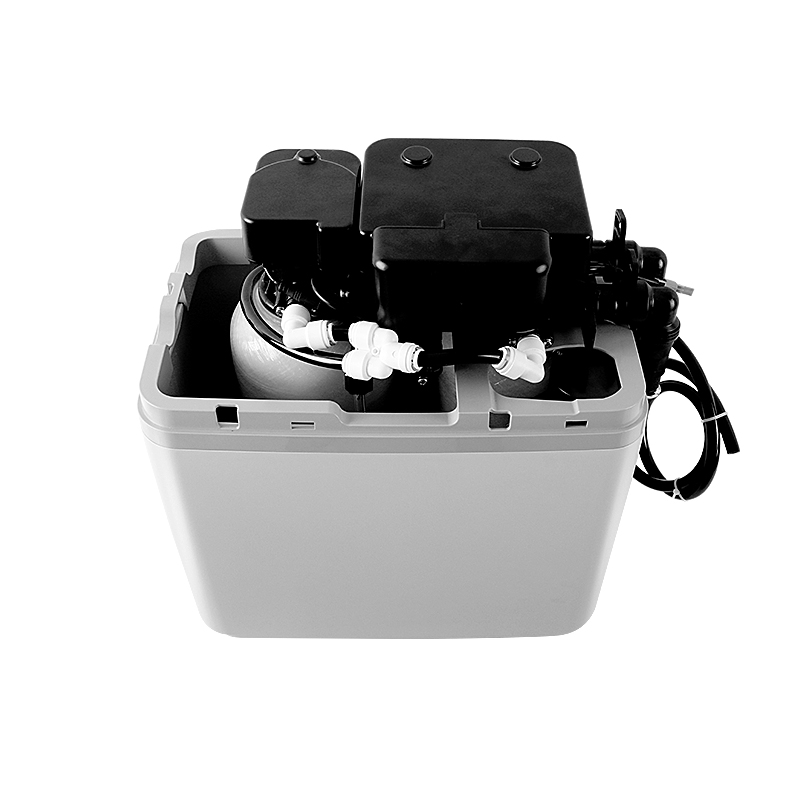
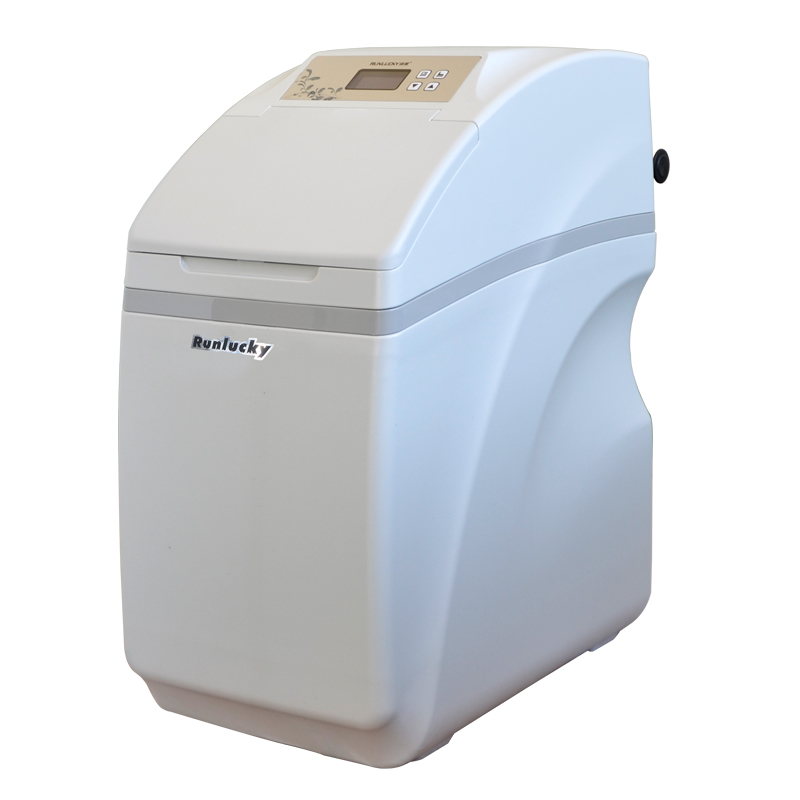
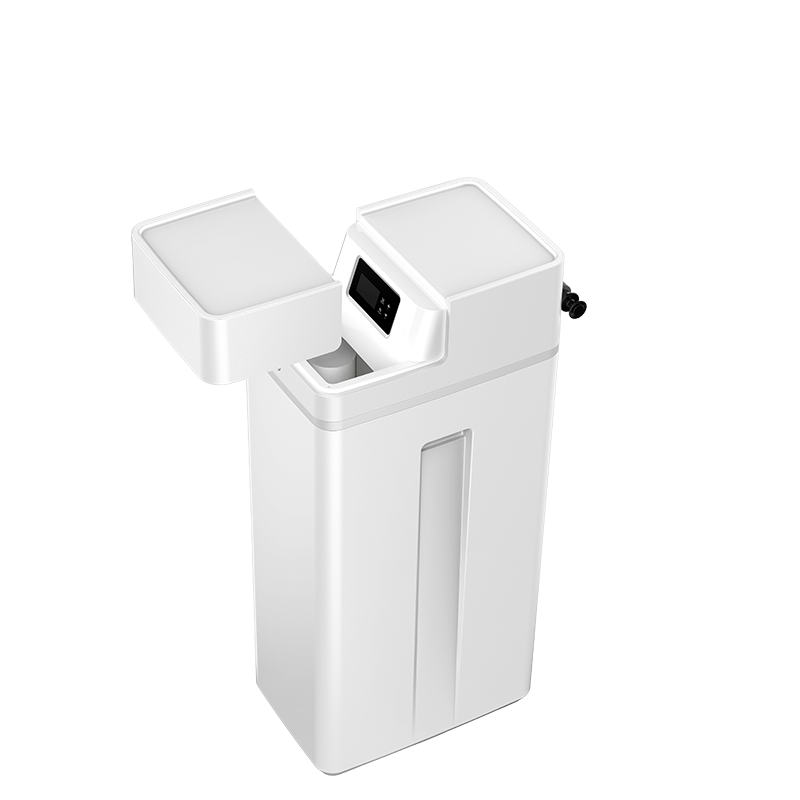
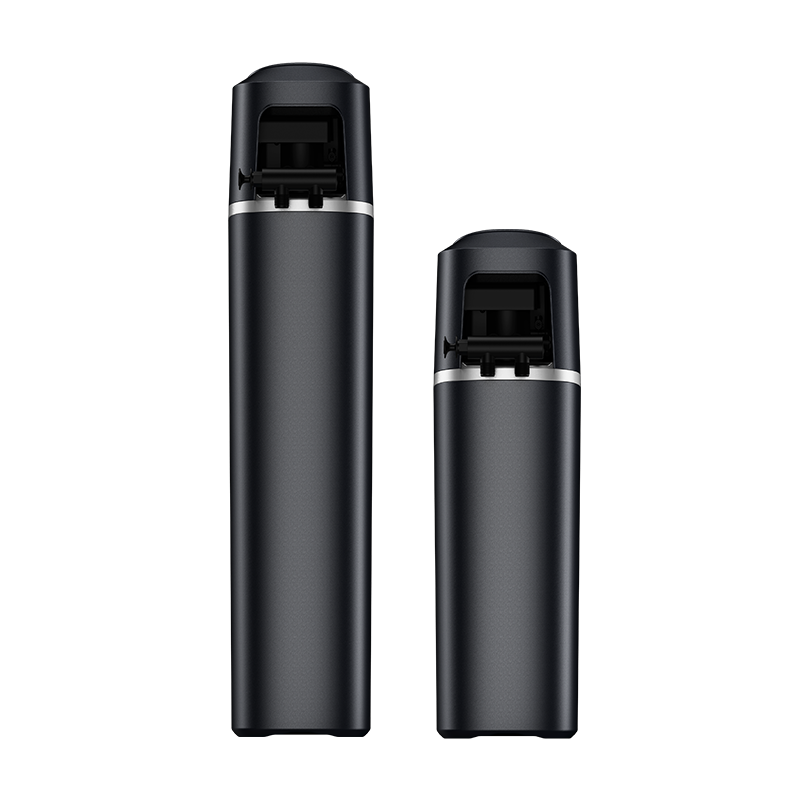
| System Architecture | Cabinet style (all-in-one) | Two-tank system (separate resin and brine tanks) |
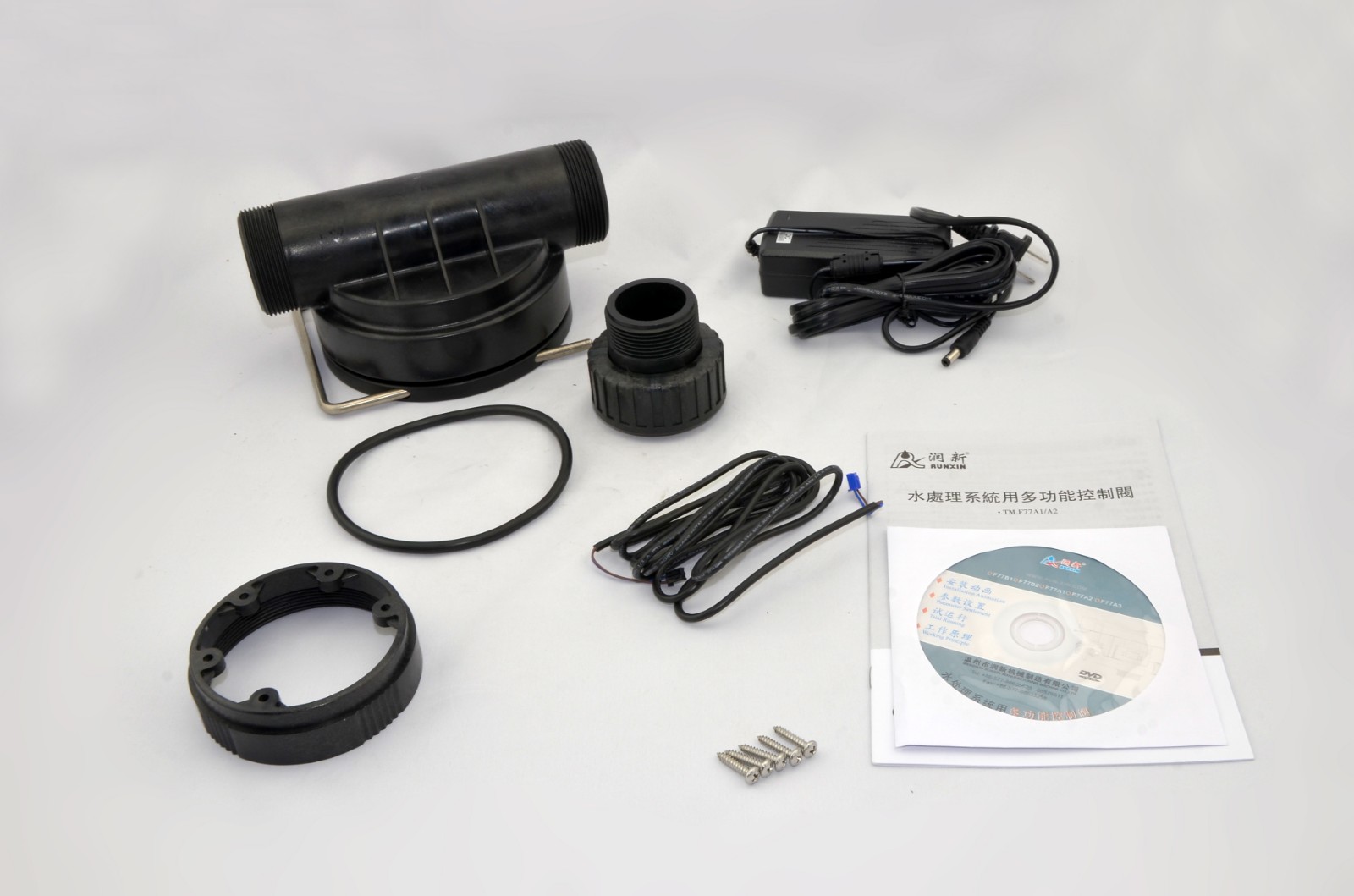
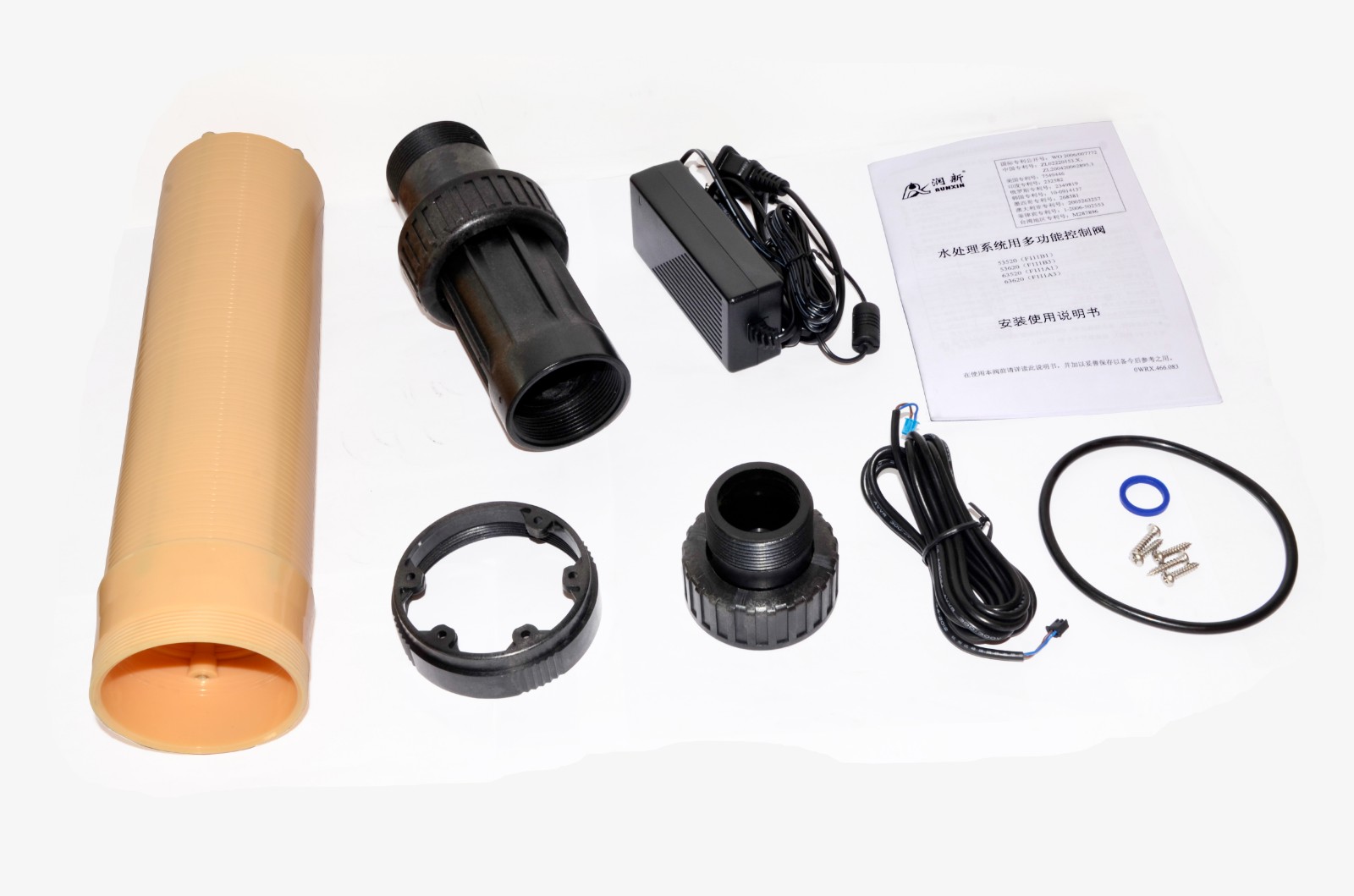
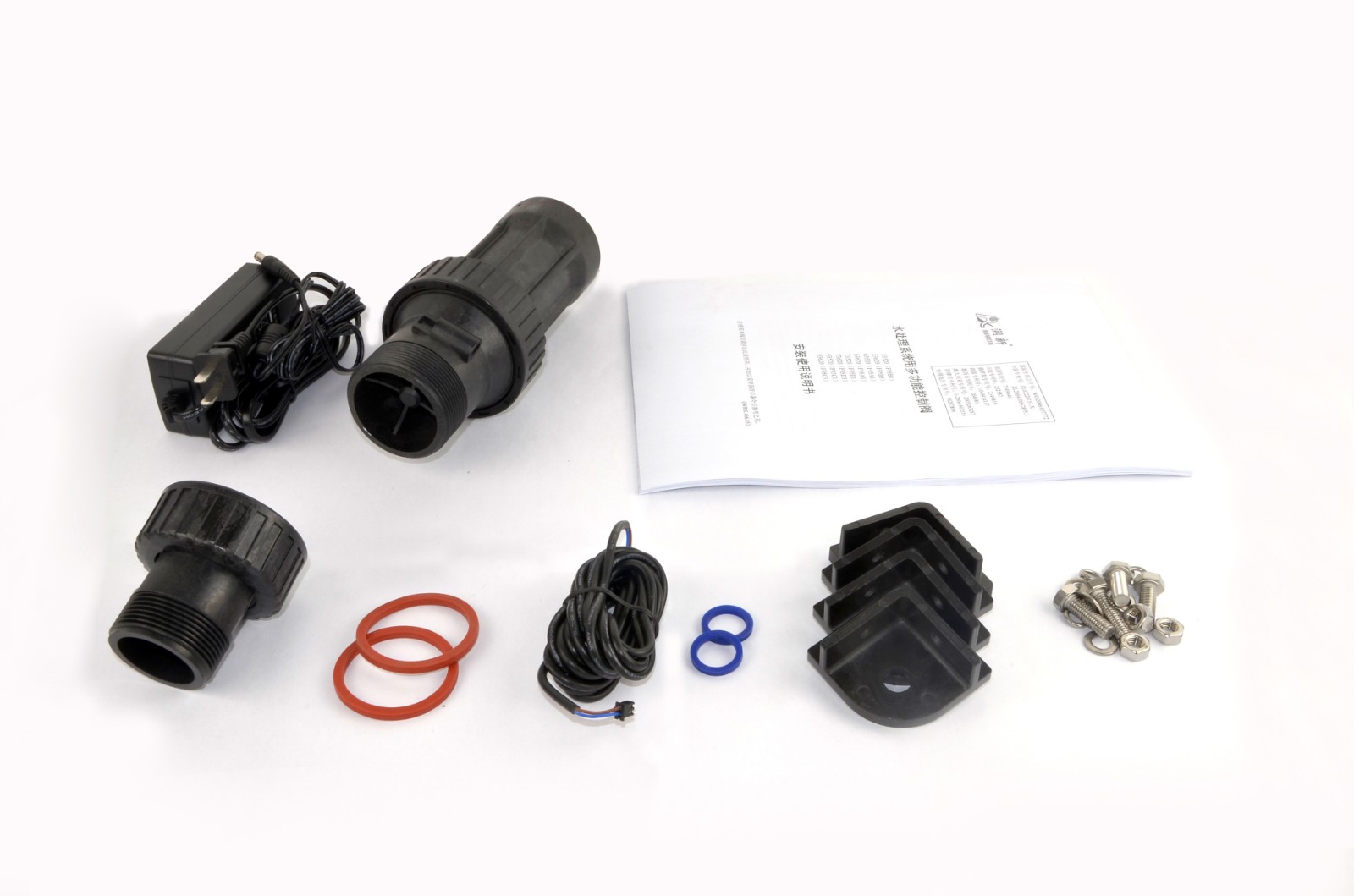
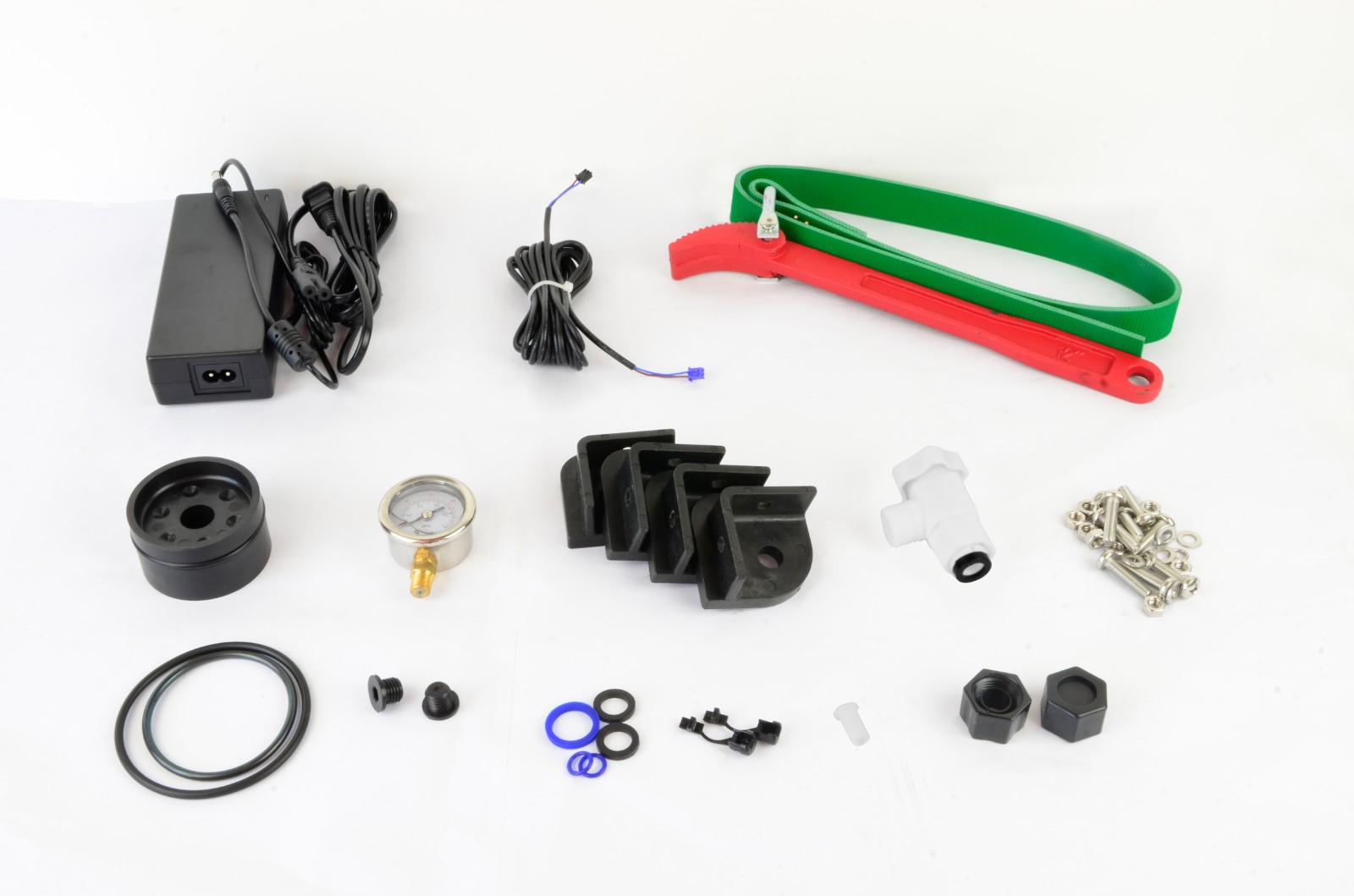
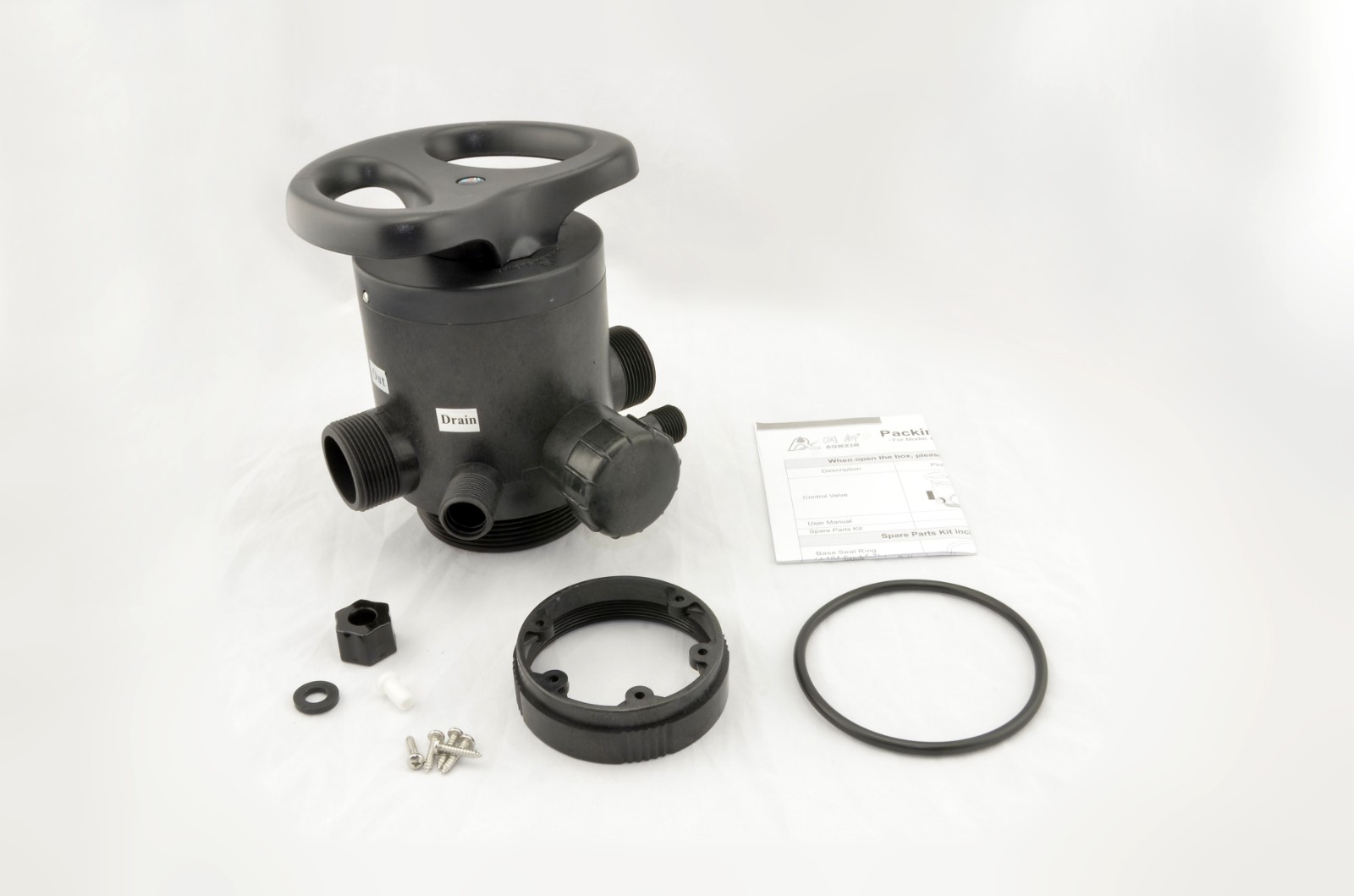
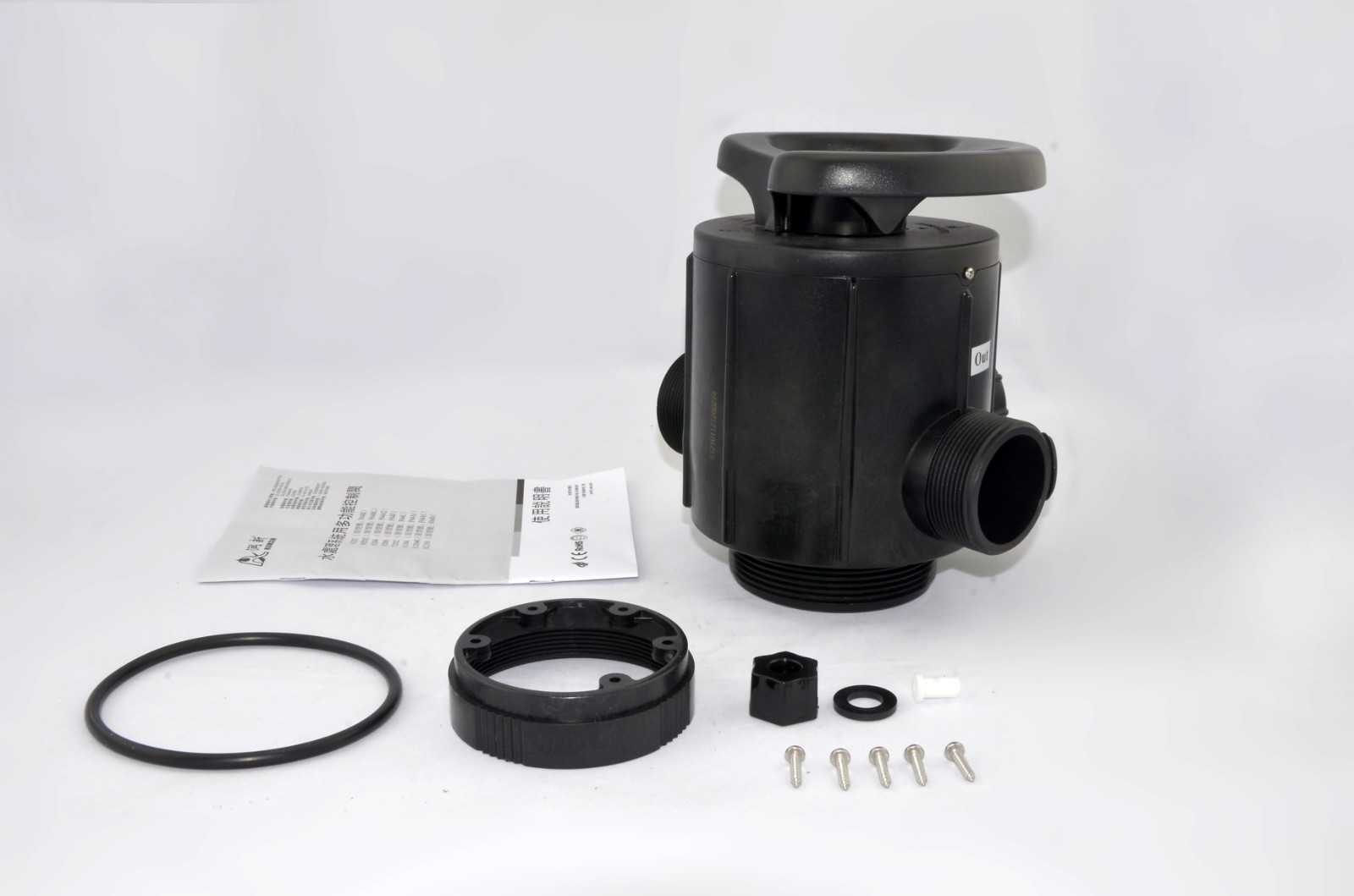
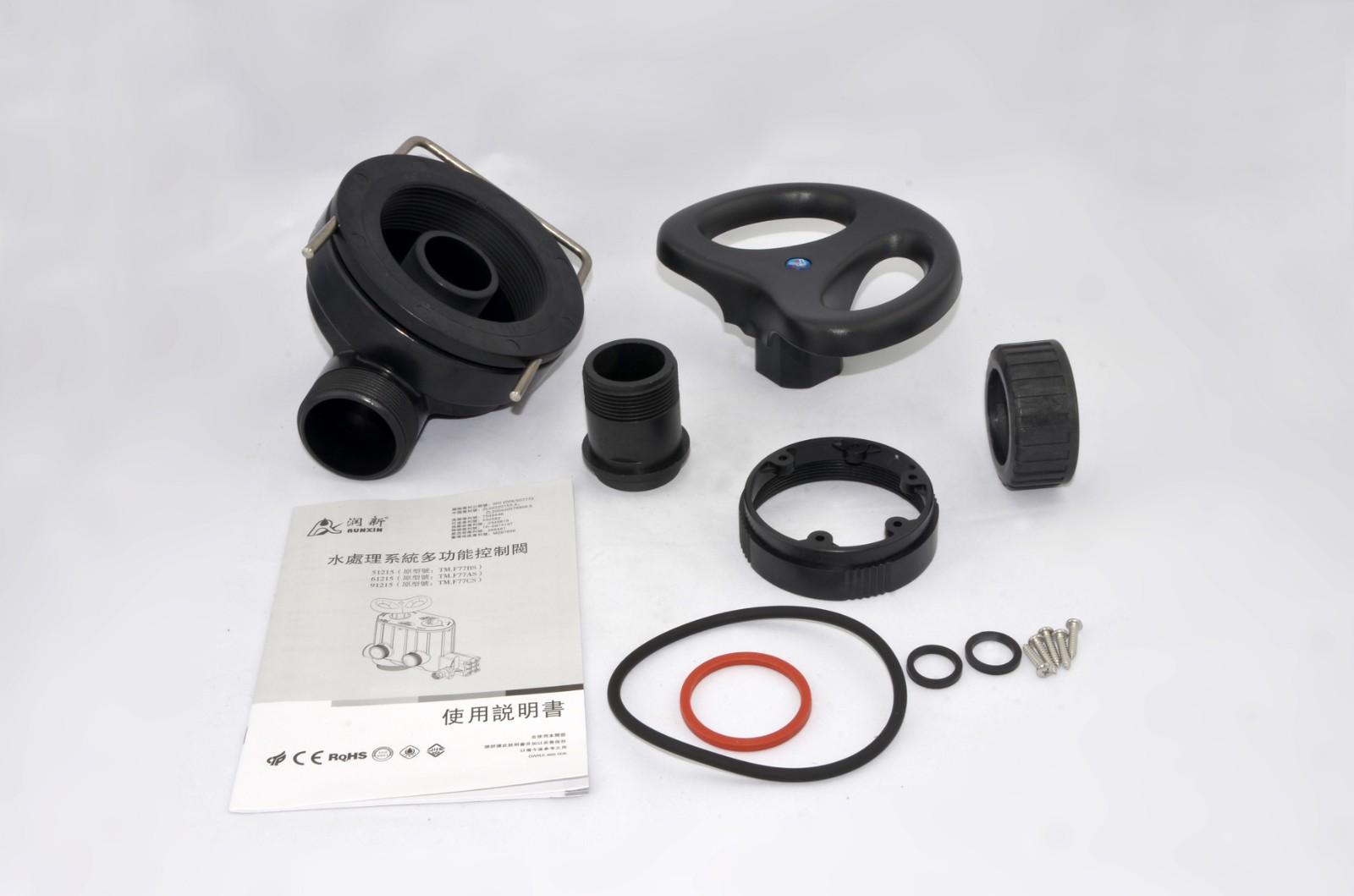
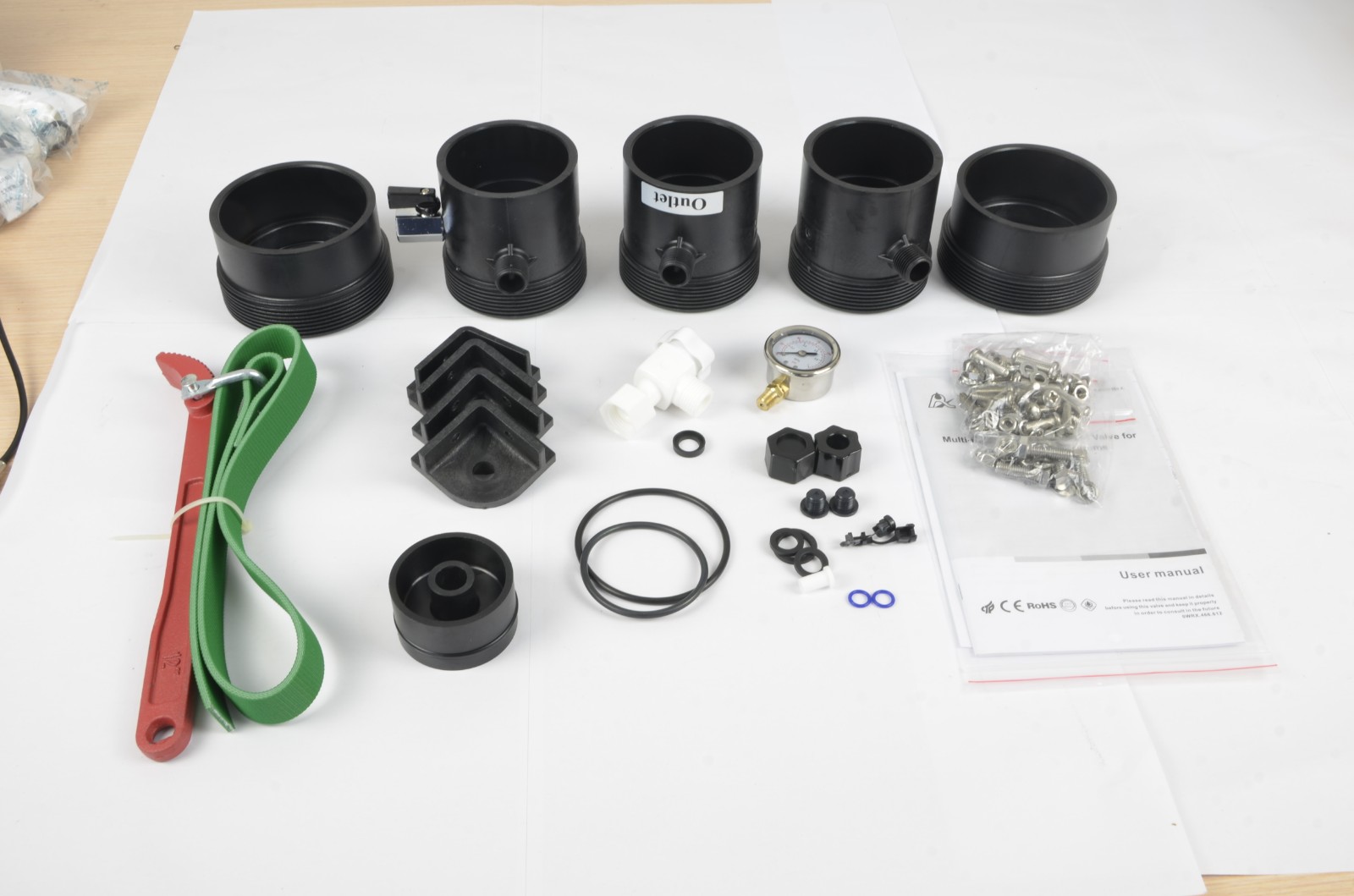
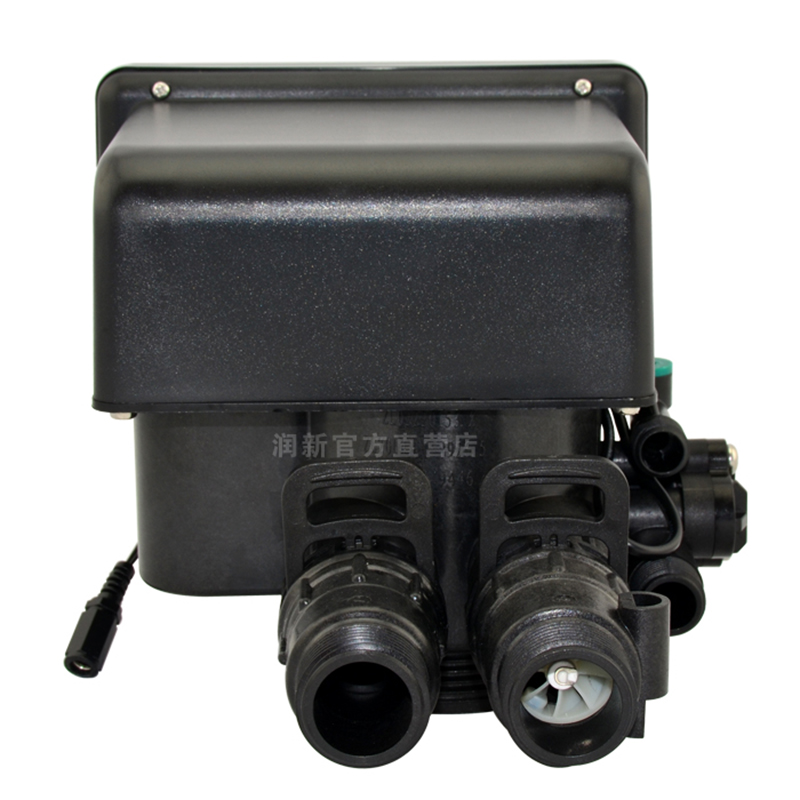
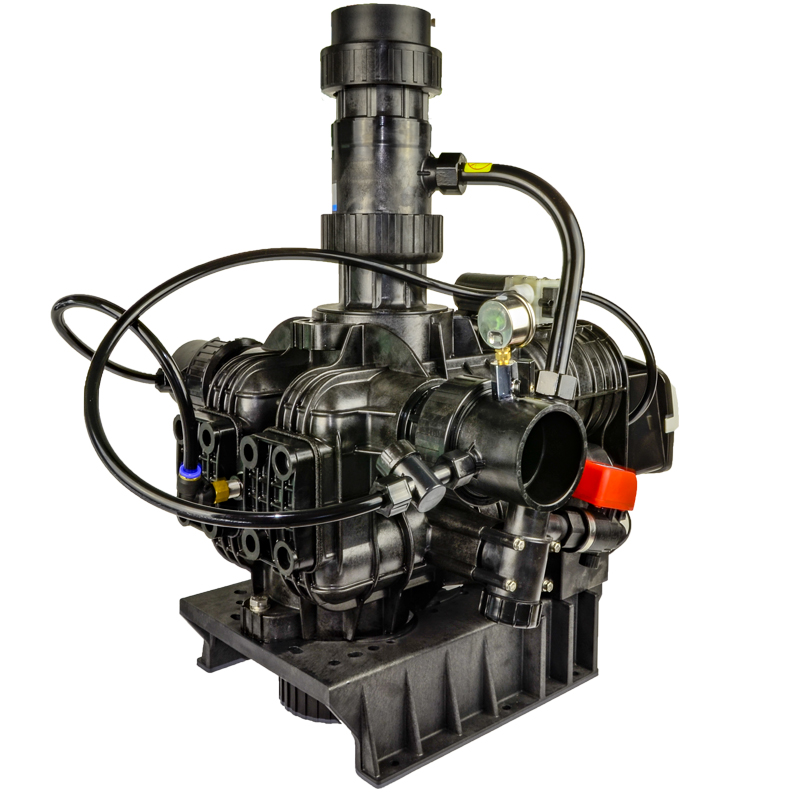
The control valve is the brain of the unit. While imported valves like Fleck or Clack are the gold standard for North American and European markets, top-tier domestic manufacturers produce highly reliable ceramic-core valves that offer significant cost savings. However, ensuring the factory uses the exact valve specified requires rigorous oversight.
Need help verifying a manufacturer's component supply chain? We can audit their facilities and ensure your exact specifications are met.
Talk to our teamManufacturing Tolerances and Quality Control
Quality is won or lost on the factory floor during the assembly and testing phases. Water softeners involve pressurized water, electricity, and programmable logic, making them susceptible to multiple failure points if assembly protocols are lax.
Before committing to a supplier, it is highly recommended to conduct comprehensive factory audits to verify their testing infrastructure. A reliable manufacturer should have automated pressure testing stations and strict incoming quality control (IQC) for raw resin.
Critical Factory-Level QC Checks
- FRP Tank Integrity: Verify batch burst-pressure testing protocols and winding consistency.
- Valve Cycle Testing: Ensure automated rigs are used to test the regeneration cycles of assembled valves prior to mounting.
- Resin Certification: Confirm the factory holds valid documentation for food-grade, NSF-certified cation exchange resin.
- Brine Valve Float Calibration: Check the assembly line's process for calibrating the safety float to prevent brine tank overflow.
Customization and Private Labeling
For brands looking to establish market presence, OEM/ODM services offer pathways to differentiate otherwise standard systems. Customization typically happens at three levels:
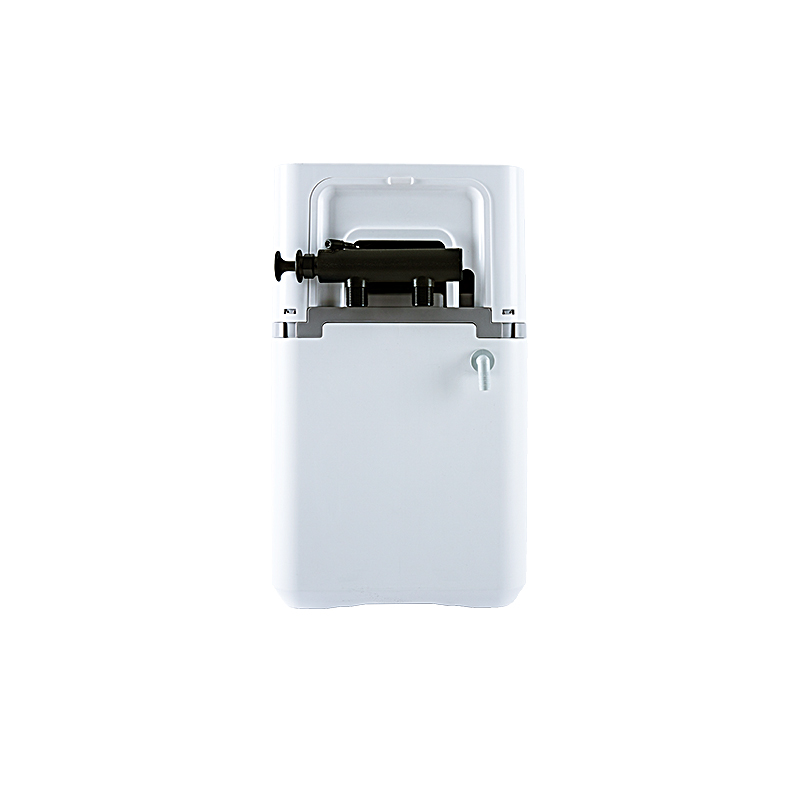
- Aesthetic/Housing: Custom molds for cabinet-style softeners, bespoke brine tank colors, and branded control panel overlays.
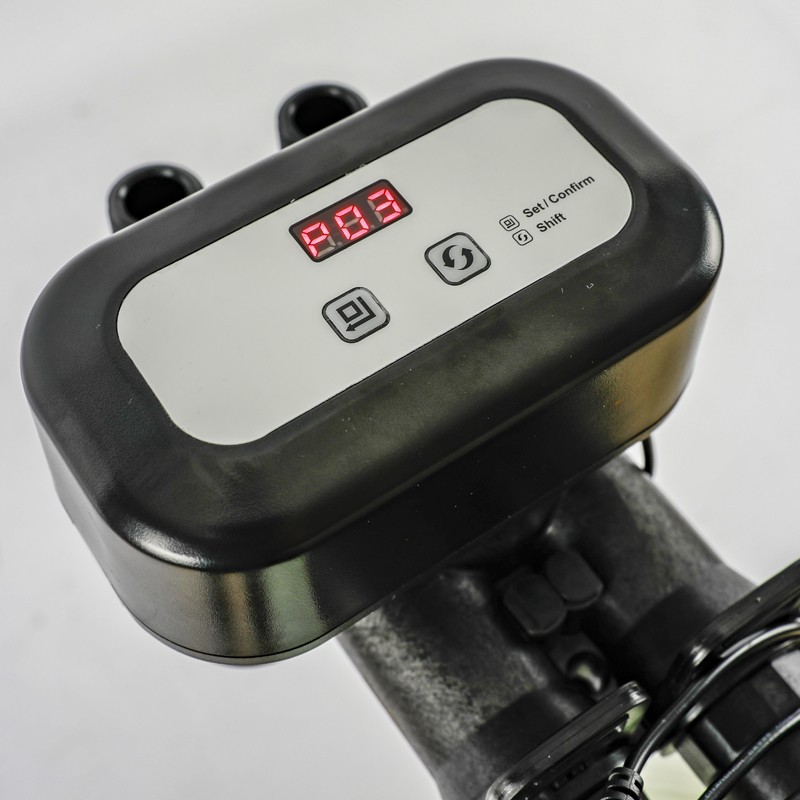
- Software/Programming: Custom firmware for the control valve to match specific local water hardness profiles or to simplify the end-user interface.
- Resin Blending: Mixing standard cation resin with fine-mesh resin or activated carbon for combined softening and municipal chlorine removal.
Pricing, MOQs, and Lead Times
Unit costs for water softeners are highly elastic, driven primarily by the resin volume (measured in liters or cubic feet) and the brand of the control valve.
When planning your supply chain, factor in the weight of the resin. Fully loaded tanks are heavy and can impact freight costs and container optimization. Many importers choose to ship the systems empty and source the resin locally, or have the factory ship the resin in separate bulk bags to prevent tank damage during transit. Implementing strict quality control before the container is sealed is vital to ensure no components are missing or damaged.
Managing complex assemblies and international freight requires precision. Let us streamline your supply chain from factory floor to final destination.
Get a free consultationFrequently Asked Questions
Successfully sourcing water softeners requires moving past superficial product catalogs to understand the underlying component ecosystem. By controlling the bill of materials and enforcing strict pressure and cycle testing at the factory level, importers can secure highly reliable systems that protect their brand's reputation in the market.
Get Sourcing Help for Water Softeners
Tell us your requirements and our experts will connect you with verified manufacturers.