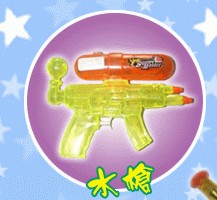
Water Guns
Source high-quality wholesale water guns from vetted manufacturers and suppliers across Asia. Designed for importers, distributors, and toy brands looking for reliable OEM/private-label production, our factory network delivers competitive pricing and strict compliance for bulk orders of outdoor water play toys.
Sourcing water guns in commercial volumes requires balancing aggressive seasonal pricing with strict mechanical reliability and global toy safety standards. Whether you are procuring classic pump-action blasters or high-capacity motorized models, success depends on tight control over polymer selection, seal integrity, and assembly tolerances. A single manufacturing oversight can lead to high defect rates, ruined shipments, and compliance failures at customs.
Material Specifications and Mechanical Design
The durability and performance of a water gun rely heavily on the plastics used during injection molding and the precision of internal components. Buyers must specify materials clearly to prevent factories from using regrind (recycled) plastics, which compromise structural integrity and pressure retention.
- Outer Shell: Acrylonitrile Butadiene Styrene (ABS) is the industry standard for premium models due to its impact resistance and ability to hold vibrant, UV-resistant pigments. For lower-cost promotional items, High-Density Polyethylene (HDPE) is sometimes substituted, though it lacks the rigidity of ABS.
- Water Reservoir: Polypropylene (PP) is preferred for internal tanks due to its flexibility and resistance to cracking under pressure. The seams of the reservoir must be joined using ultrasonic welding rather than adhesives to prevent splitting over time.
- Seals and Tubing: High-pressure junctions require food-grade silicone O-rings. Inferior rubber seals degrade quickly when exposed to chlorinated pool water, leading to immediate pressure loss and leaking.
- Motorized Components: Electric models require an isolated, waterproof battery compartment (rated IP65 or higher) and a micro-pump capable of sustained operation without overheating.
Critical Quality Control Checkpoints
Because water guns are assembled from multiple molded parts and rely on pneumatic or electric pressure, defects are common if assembly lines are poorly managed. Implementing rigorous quality control & inspection protocols before shipment is critical.
Essential Pre-Shipment Testing for Water Guns
- Pressure Retention Test: Pump to maximum capacity and monitor for 24 hours to check for micro-leaks.
- Trigger Fatigue Test: Mechanical testing of the trigger and pump action for a minimum of 1,000 cycles.
- Drop Testing: 1-meter drop onto concrete at multiple angles to verify ABS shell integrity and ultrasonic weld strength.
- Battery Compartment Seal: Submersion testing of the battery housing for electric models.
- Small Parts Pull Test: Ensuring nozzles and caps meet minimum tension requirements to prevent choking hazards.
Ensure your toy shipments meet international safety standards and mechanical requirements with our expert inspection teams.
Talk to our teamGlobal Toy Compliance and Testing
Water guns classify as children's toys and are subject to stringent regulatory frameworks in major markets. Customs authorities frequently seize non-compliant shipments. Professional buyers must ensure the factory can provide verifiable documentation or budget for third-party compliance & testing.
Key standards include ASTM F963 and CPSIA for the United States, EN71 (Parts 1, 2, and 3) for the European Union, and ISO 8124 globally. Beyond mechanical safety, the plastics and any paints used must be certified free of phthalates, lead, and BPA. Electric models add another layer of complexity, requiring EMC (Electromagnetic Compatibility) testing and battery safety certifications such as UN38.3 for lithium-ion power sources.
OEM Customization and Manufacturing Strategies
Brands looking to differentiate in the crowded outdoor toy market often turn to OEM/ODM services to develop proprietary designs or modify existing factory molds.
| Production Strategy | Tooling Costs | Time to Market | IP Ownership |
|---|---|---|---|
| White-Label (Existing Mold) | Zero to very low | 15 to 25 days | Factory retains |
| Color/Material Modification | Low (MOQ dependent) | 25 to 35 days | Shared/Negotiable |
| Full OEM (Custom Mold) | High (Amortized over volume) | 45 to 60 days | Buyer retains |
When investing in custom tooling, it is vital to establish clear ownership of the molds and CAD files in the manufacturing contract to prevent the factory from selling your design to competitors.
Pricing Drivers, MOQs, and Lead Times
Water guns are highly seasonal. Production capacity in major toy manufacturing hubs (like Chenghai, Guangdong) fills up rapidly between November and March as buyers prepare for summer releases.
Conducting thorough factory audits in Q3 or early Q4 is the best way to secure production lines before the peak seasonal rush. Waiting until January to place summer orders often results in premium pricing and delayed shipments.
Optimize your seasonal procurement schedule and secure reliable factory capacity before the peak manufacturing rush.
Get a free consultationFrequently Asked Questions
Successfully sourcing water guns requires meticulous attention to polymer quality, mechanical assembly, and seasonal timing. By partnering with vetted manufacturers and enforcing strict quality control protocols, you can eliminate compliance risks and deliver reliable, high-margin products to your market.
Get Sourcing Help for Water Guns
Tell us your requirements and our experts will connect you with verified manufacturers.