Waste Bins
Source high-quality waste bins directly from vetted manufacturers and wholesale suppliers. Designed for importers, distributors, and brands seeking reliable bulk production or custom OEM/private-label manufacturing. Explore our verified factory network for competitive pricing on premium household and commercial bins.
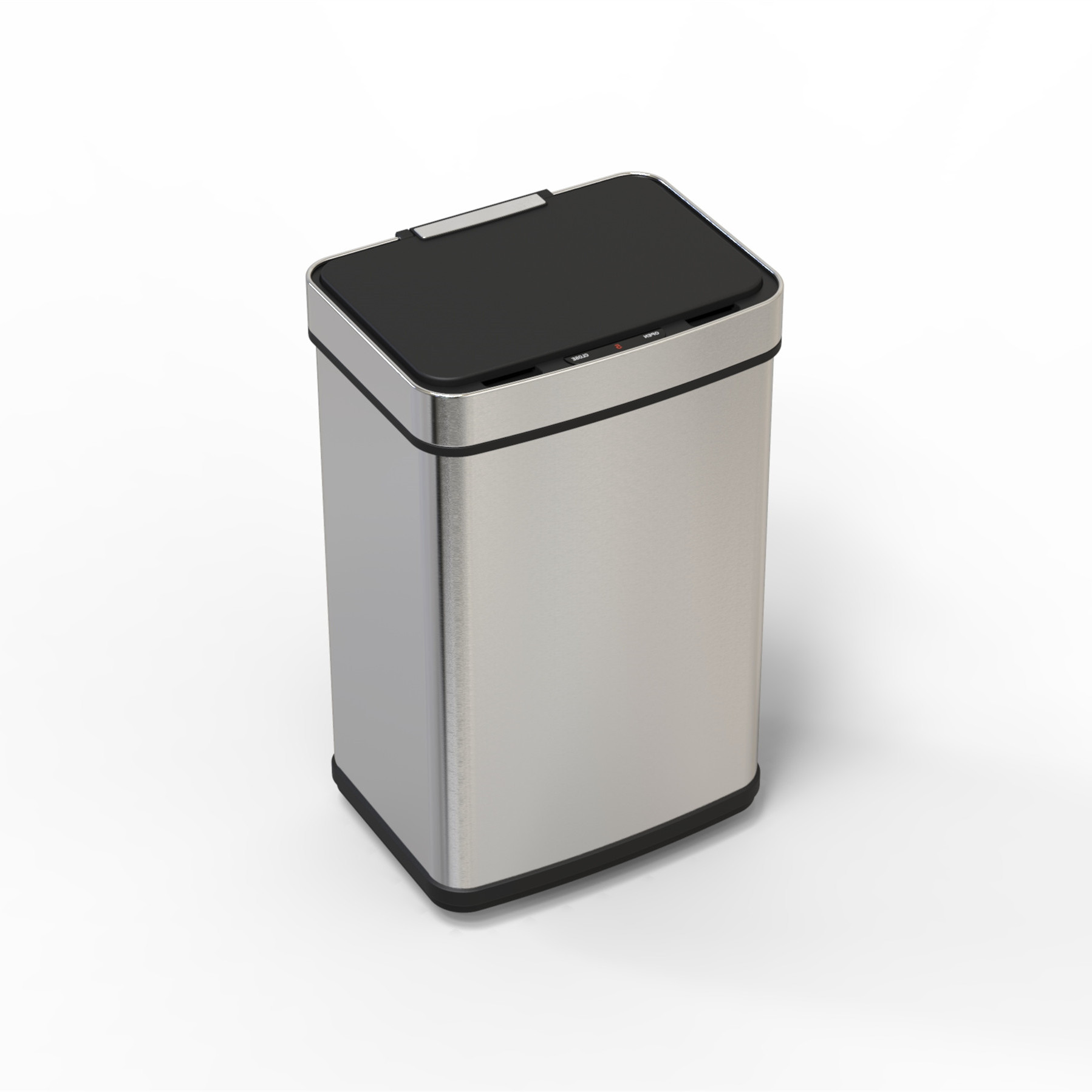
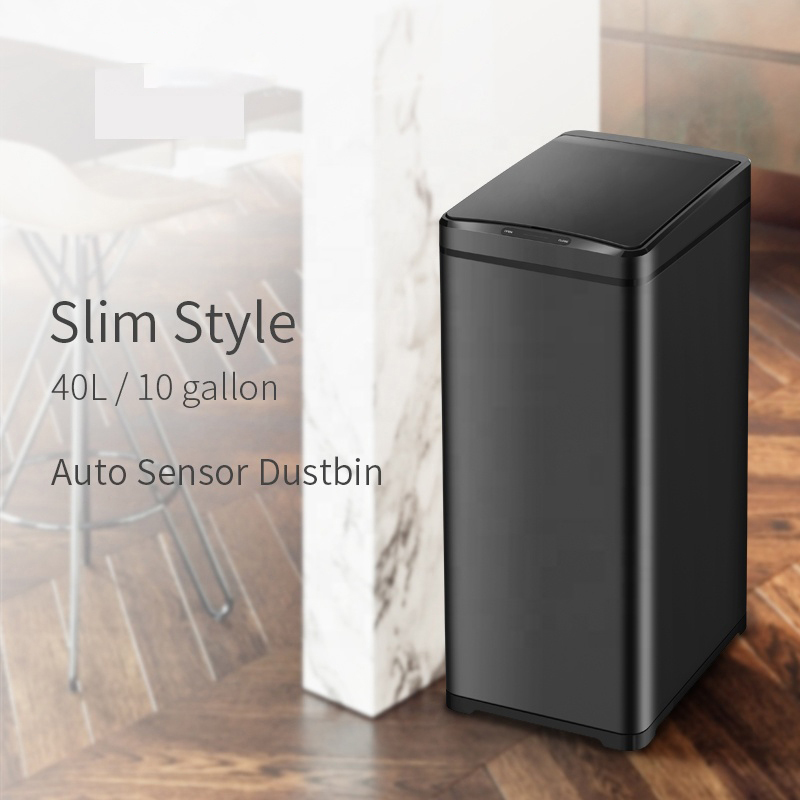
Sourcing waste bins at scale is an exercise in balancing aesthetic finish, mechanical reliability, and freight efficiency. Whether you are procuring premium stainless steel sensor bins for retail or heavy-duty polypropylene models for commercial distribution, success hinges on strict material specifications and managing the inherent challenge of shipping large, hollow items.
Material Selection and Structural Specifications
The core cost drivers in waste bin manufacturing are material grade and wall thickness. For metal bins, the choice between 430 and 304 stainless steel dictates both corrosion resistance and price. 430 is standard for indoor household bins, while 304 is mandatory for high-humidity environments, medical facilities, or commercial kitchens. For plastic models, High-Density Polyethylene (HDPE) offers superior impact resistance for outdoor or heavy-duty use, whereas Polypropylene (PP) is preferred for indoor consumer models due to its rigidity and finish quality.
| Material | Primary Use Case | Key Characteristics |
|---|---|---|
| Stainless Steel 430 | Indoor household, office | Cost-effective, magnetic, requires anti-fingerprint coating |
| Stainless Steel 304 | Commercial, high-humidity | High corrosion resistance, non-magnetic, premium cost |
| Polypropylene (PP) | Indoor plastic bins, liners | Rigid, excellent color retention, lower impact threshold |
| HDPE | Outdoor, heavy-duty commercial | High impact resistance, performs well in extreme temperatures |
Mechanism Reliability and Quality Control
A bin's lifespan is usually determined by its moving parts. Step-pedal bins require robust linkage systems; a common defect in lower-tier manufacturing is the use of thin plastic rods instead of solid steel linkages, leading to premature failure under heavy foot pressure. Motion-sensor bins introduce electronic complexity, requiring precise infrared calibration, moisture-sealed circuitry, and reliable battery contacts.
Need to ensure your supplier meets strict mechanical durability standards? Our on-the-ground teams can verify factory capabilities before you commit.
Discuss your quality requirementsWhen implementing Quality Control & Inspection, ensure your protocol includes rigorous lifecycle testing rather than just visual checks.
Critical Factory-Floor Checks
- Pedal lifecycle testing (standard benchmark is 50,000 to 100,000 cycles without failure)
- Lid drop-speed and dampener consistency (checking for hydraulic or pneumatic leaks)
- Sensor activation distance and response time (for IR models)
- Adhesion testing on fingerprint-proof clear coats or powder coating
- Inner bucket fit, handle load-bearing capacity, and plastic flashing removal
Customization, MOQs, and Freight Optimization
For brands developing proprietary designs, OEM/ODM Services offer the ability to customize shapes, lid mechanisms, and smart features. Tooling for new injection-molded plastic bins or stamped metal bodies is a significant upfront investment, making high-volume runs essential to amortize the mold costs.
The most overlooked aspect of sourcing waste bins is freight density. Because bins are essentially hollow boxes, you risk paying to ship air. Tapered designs that allow the main bodies to nest inside one another can double or triple container capacity. If nesting is impossible (e.g., for premium cylindrical metal bins with fixed inner liners), optimizing the packaging footprint is critical. Engaging experts in Shipping & Freight early in the design phase can drastically reduce landed costs.
Struggling with high landed costs due to poor container utilization? Let us analyze your product design and shipping strategy.
Get a freight and sourcing analysisFrequently Asked Questions
Successfully importing waste bins in bulk requires a holistic view of the product lifecycle—from specifying the correct steel gauge to engineering the packaging for maximum container utilization. Focusing solely on the unit price often leads to catastrophic freight inefficiencies or unacceptable defect rates in the mechanisms. By partnering with experienced sourcing professionals, you can secure durable products, optimize your logistics, and protect your brand's reputation.
Get Sourcing Help for Waste Bins
Tell us your requirements and our experts will connect you with verified manufacturers.