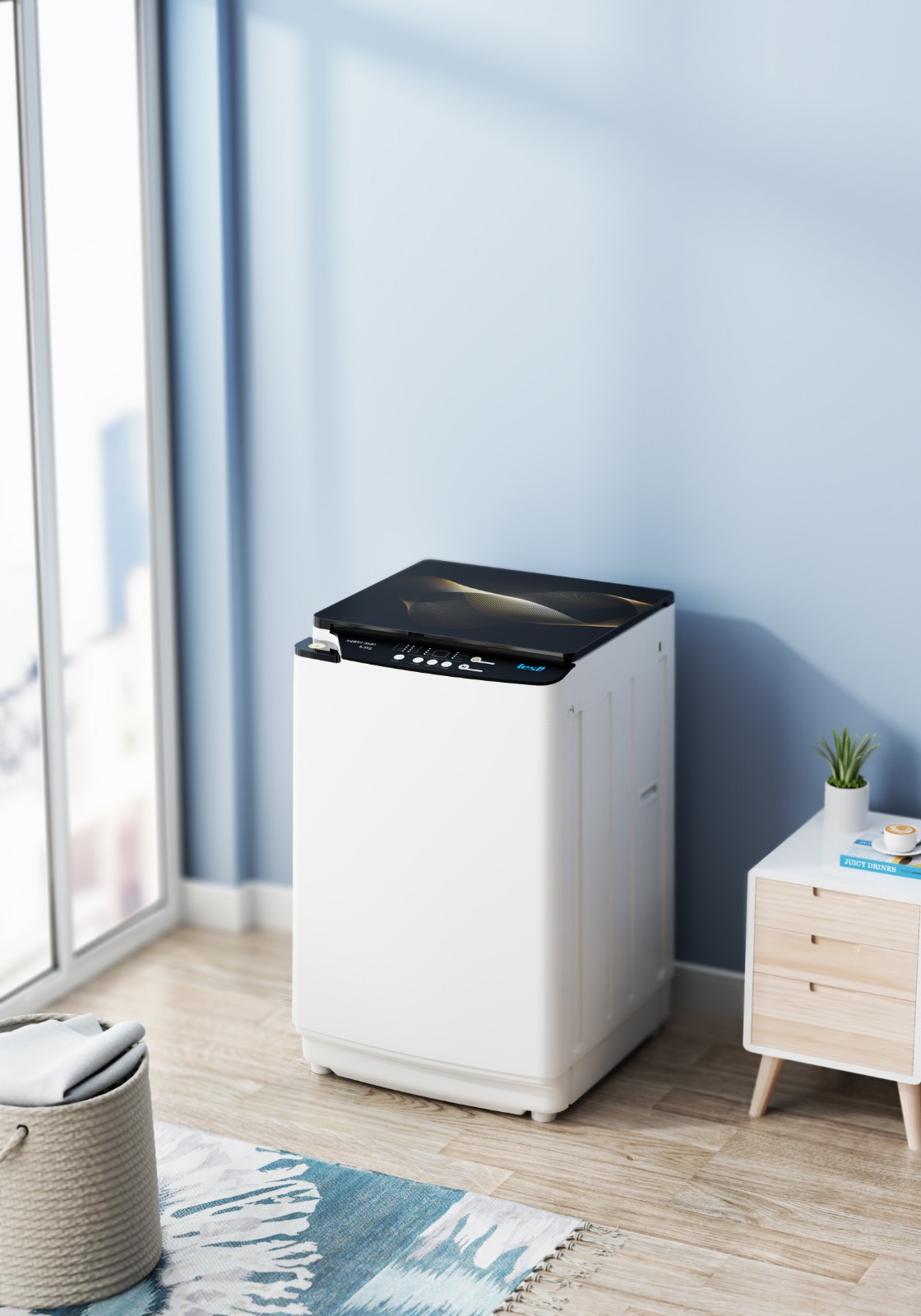
Washing Machines
Source high-quality washing machines directly from vetted manufacturers and wholesale suppliers. Built for importers, appliance distributors, and brands seeking reliable OEM/ODM production, our network delivers scalable capacity and consistent quality for bulk orders.
Sourcing washing machines in volume requires balancing motor reliability, strict energy efficiency standards, and complex safety compliance. The difference between a profitable appliance line and a high-return liability lies entirely in the manufacturer's engineering tolerances and component sourcing—particularly concerning the motor, suspension system, and main control board (PCB).
Core Specifications for Bulk Sourcing
When developing a specification sheet for a factory, relying solely on the stated kilogram capacity is insufficient. Professional buyers must dictate the underlying technology to ensure the product meets market expectations.
Motor and Drive Technology
The motor dictates the machine's lifespan, energy rating, and acoustic performance.
| Motor Technology | Energy Efficiency | Noise & Vibration | Typical Lifespan |
|---|---|---|---|
| Universal (AC Brushed) | Standard | High | 3-5 Years |
| BLDC (Brushless DC / Inverter) | High (Variable Speed) | Low | 10+ Years |
| Direct Drive (DD Inverter) | Premium | Ultra-Low | 10-15 Years |
For mid-to-high-end markets, BLDC or Direct Drive motors are mandatory to achieve modern energy ratings. If you are customizing wash cycles, UI panels, or integrating smart-home IoT modules, utilizing professional OEM/ODM Services ensures the factory’s R&D team properly matches the PCB programming to the motor's capabilities.
Drum Volume vs. Stated Capacity
Factories often manipulate stated kg capacities. A "10kg" washing machine from one supplier might utilize a 60-liter drum, while another uses a 68-liter drum. Always specify the inner tub volume in liters and the drum material (typically 430 or 304-grade stainless steel) to ensure accurate comparisons between suppliers.
Need help standardizing your appliance spec sheets? We can match your technical requirements with vetted manufacturers capable of meeting your exact standards.
Talk to our teamManufacturing Quality and Factory Vetting
Washing machine assembly relies heavily on automated testing at the end of the production line. A facility lacking rigorous inline testing will pass alignment and sealing defects onto the buyer.
Conducting thorough Factory Audits is critical before placing an order. You must verify that the supplier utilizes automated balancing machines for the drum assembly and comprehensive electrical safety testing stations.
Critical Quality Control Checkpoints
Pre-Shipment Inspection Focus Areas
- Water Leakage & Pressure Testing: Ensuring all hoses, pumps, and door seals hold under maximum operational pressure.
- Dynamic Balance & Vibration: Testing the spin cycle at maximum RPM (e.g., 1200-1400 RPM) to verify suspension dampeners and concrete counterweights.
- PCB Conformal Coating: Verifying the main control board is adequately sealed against internal moisture and humidity.
- Hi-Pot & Earth Continuity: Electrical safety testing to prevent grounding faults and electrical shock hazards.
Implementing strict Quality Control & Inspection protocols catches these invisible defects before the units are packed.
Compliance and Market Regulations
Major appliances face stringent regulatory hurdles. Your target market dictates the specific certifications the factory must hold or obtain.
- North America: Requires UL or ETL certification for electrical safety, plus DOE (Department of Energy) compliance. Energy Star certification is highly recommended for marketability.
- Europe: Requires CE marking (LVD and EMC directives), REACH/RoHS compliance for materials, and strict adherence to the newer EU Energy Label standards.
- Australia/New Zealand: SAA approval and MEPS (Minimum Energy Performance Standards) registration are legally required.
Never assume a factory's existing certifications cover your specific OEM configuration. Utilizing dedicated Compliance & Testing services ensures your imported units won't be held at customs or face retail recalls.
MOQs, Pricing, and Lead Times
Because washing machines are large, low-density freight items, the economics of sourcing are entirely tied to container optimization.
Pricing fluctuates based on raw material costs (steel, copper for motors, plastics) and the specific motor technology chosen. When negotiating, always secure a clear agreement on the provision of spare parts (pumps, belts, PCBs, door latches) to support your local warranty and after-sales service.
Ready to optimize your appliance supply chain? Let us handle the factory negotiation, quality control, and international logistics.
Get a free consultationFrequently Asked Questions
Sourcing washing machines successfully means looking past the outer chassis and focusing on the internal engineering tolerances. By partnering with vetted manufacturers and implementing rigorous inline inspections, you can build an appliance line that delivers long-term reliability and protects your brand's reputation.
Get Sourcing Help for Washing Machines
Tell us your requirements and our experts will connect you with verified manufacturers.