Washers
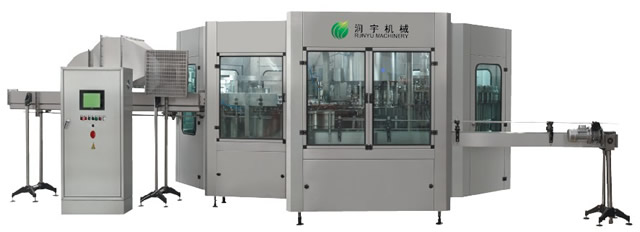
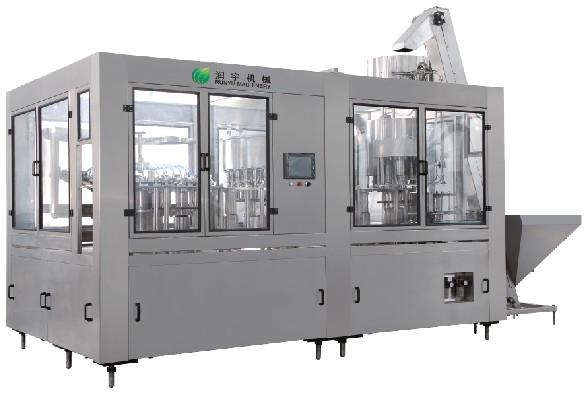
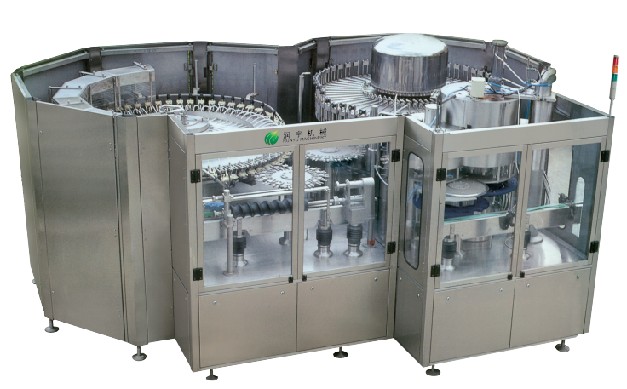
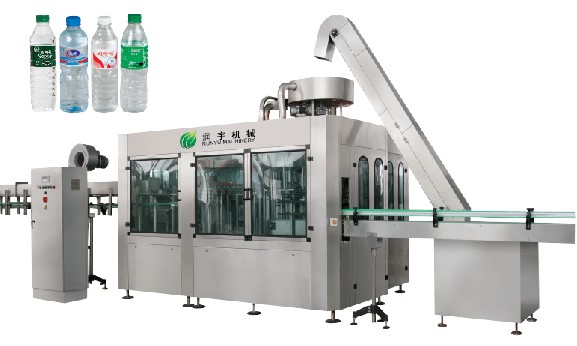
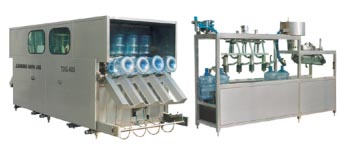
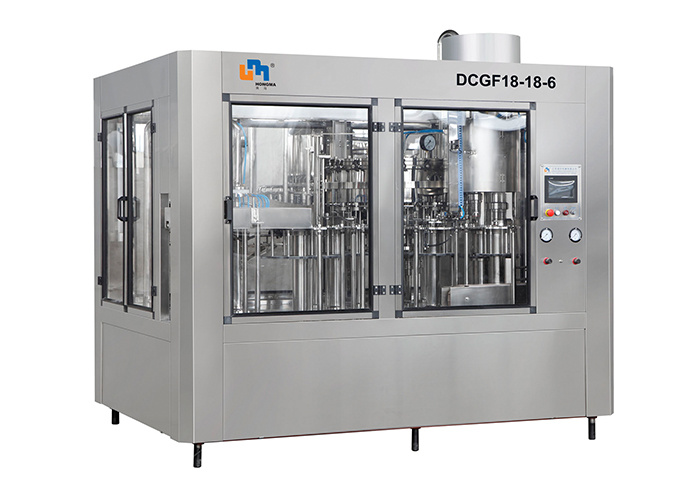
Source industrial beverage and wine processing washers from vetted suppliers and manufacturers. Designed for procurement managers, distributors, and bottling facilities, this selection offers wholesale pricing and custom OEM solutions to integrate seamlessly into your production lines.
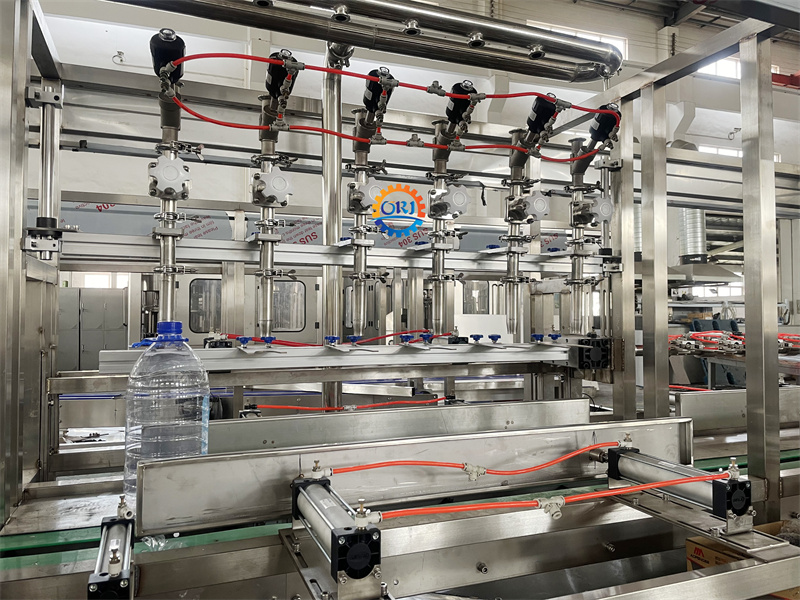
Sourcing industrial washers for beverage and wine processing requires balancing high-throughput demands with uncompromising sanitary standards. Whether you are outfitting a new bottling line or upgrading an existing facility, selecting the right washing equipment dictates the microbiological safety of the final product. The sourcing challenge lies in matching the machine's capabilities to your specific container types while ensuring the manufacturer adheres to strict food-grade engineering standards.
Critical Specifications for Beverage Washers
Industrial container washers—whether for glass bottles, PET, or kegs—are highly engineered systems. When communicating with manufacturers, vague requirements lead to inadequate machinery. You must clearly define the operational parameters to ensure the equipment can handle your facility's demands.
Key specifications to finalize include:
- Media Zones and Temperatures: Specify the exact sequence of cleaning agents (e.g., warm water rinse, hot caustic wash at 80°C, acid wash, sterile water rinse, steam injection).
- Container Handling: Will the machine use neck-handling (ideal for PET) or base-supported star wheels (standard for glass)?
- Resource Efficiency: Modern facilities require systems that recycle rinse water and feature heat exchangers to minimize energy and water consumption.
Need help verifying technical specifications with overseas machinery manufacturers?
Talk to our teamManufacturing Standards and Sanitary Design
The difference between a reliable washer and a constant maintenance headache is found in the factory's fabrication standards. Beverage processing requires hygienic design to prevent bacterial harbor points.
When evaluating a supplier's engineering capabilities, pay close attention to their piping and welding standards. Sanitary TIG welding is mandatory for all internal fluid paths. Furthermore, high-quality machines integrate internationally recognized electrical and pneumatic components (such as Siemens PLCs, SEW motors, or Festo pneumatics) rather than unbranded domestic equivalents, ensuring global replacement part availability.
Factory Acceptance Test (FAT) Priorities
- Verify sanitary TIG weld smoothness (surface roughness under 0.8 μm).
- Test nozzle spray coverage and pressure using dye on dummy bottles.
- Confirm PLC logic and safety interlocks for temperature control in caustic zones.
- Inspect for zero 'dead legs' in the piping system where stagnant water can pool.
Conducting thorough Quality Control & Inspection during assembly and prior to shipment is critical. Catching a misaligned gripper or a software flaw on the factory floor is infinitely cheaper than retrofitting a machine after it arrives at your facility.
Pricing Drivers, Lead Times, and Procurement Reality
Industrial washers are capital equipment, so the Minimum Order Quantity (MOQ) is universally one unit. However, pricing and lead times vary significantly based on the level of customization and the required throughput.
| Equipment Type | Typical Lead Time | Primary Cost Drivers |
|---|---|---|
| Standard Linear Washers | 45 - 60 days | Pump capacity, basic PLC, standard frame |
| Custom Rotary Washers | 60 - 90+ days | Number of zones, 316L upgrades, custom change parts |
When sourcing high-value machinery, executing rigorous Factory Audits ensures the supplier actually possesses the engineering capabilities and facility size to build and test your equipment. If your product line requires specialized bottle handling or proprietary container shapes, engaging OEM/ODM Services allows for custom gripper and nozzle design tailored perfectly to your packaging.
Ensure your equipment procurement goes smoothly from factory floor to your facility.
Get a free consultationFrequently Asked Questions
Procuring industrial washing equipment is a significant capital investment where sanitary failures are not an option. By defining exact specifications, enforcing strict quality control, and partnering with capable manufacturers, you can secure reliable machinery that protects your beverage products and optimizes your production line.
Get Sourcing Help for Washers
Tell us your requirements and our experts will connect you with verified manufacturers.