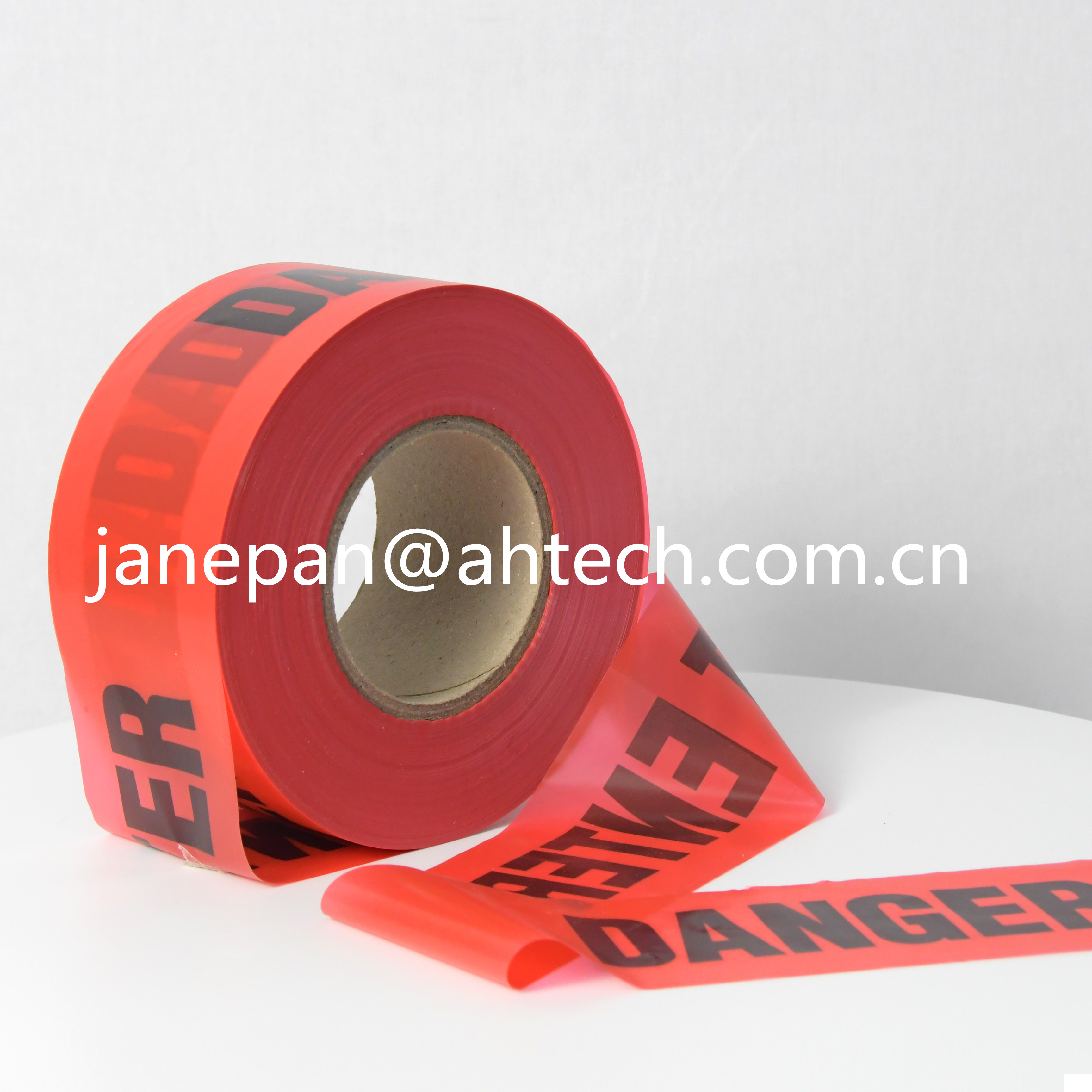
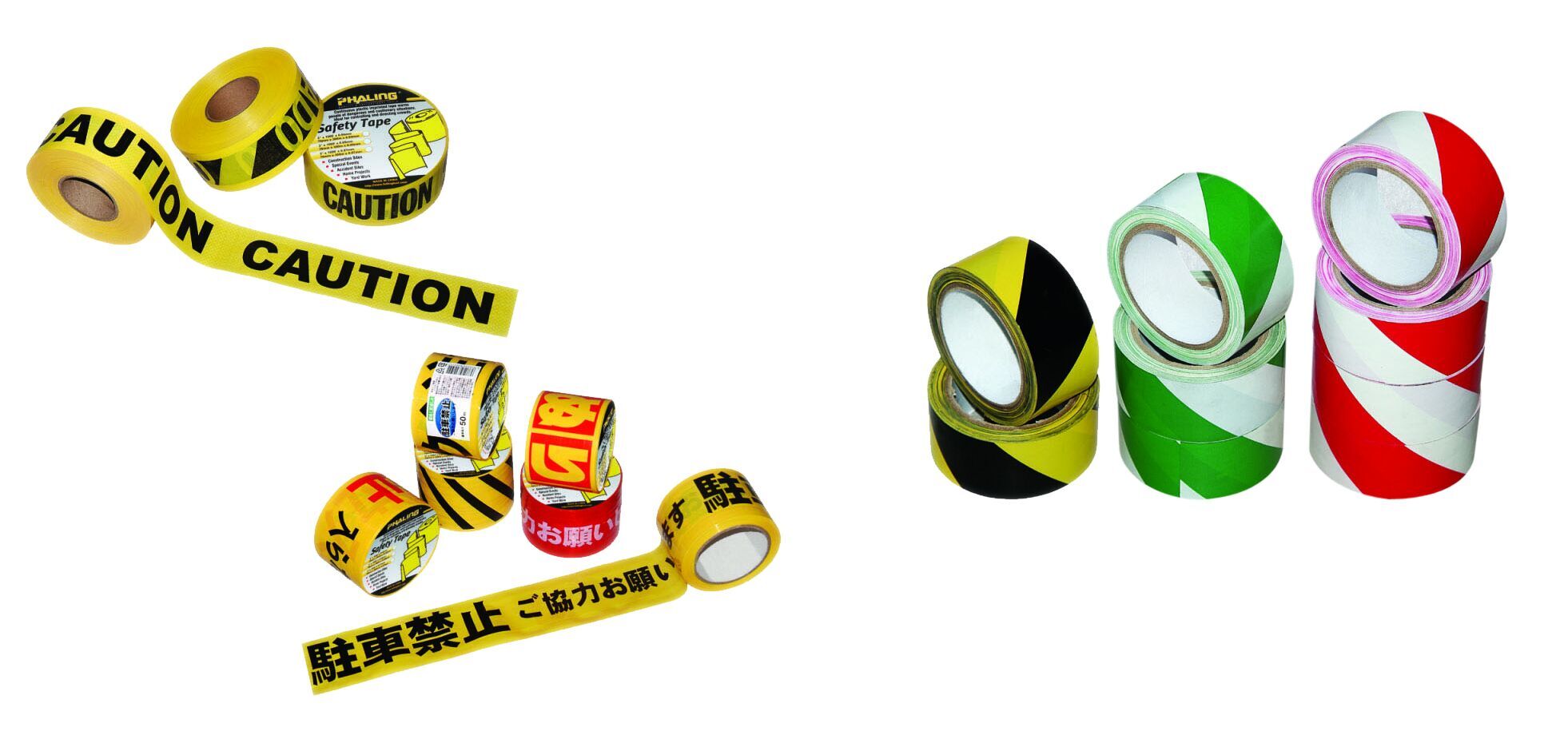
Warning Tape
Source high-visibility warning tape from vetted manufacturers and suppliers across Asia. Built for importers, industrial distributors, and brands requiring reliable OEM and private-label production at scale. Secure bulk pricing, consistent quality, and compliant materials for demanding safety applications.
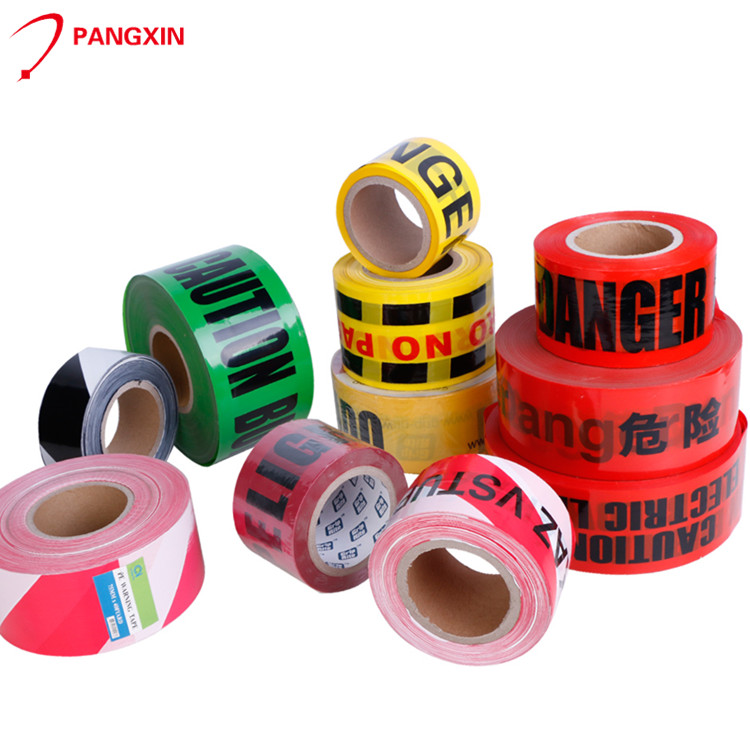
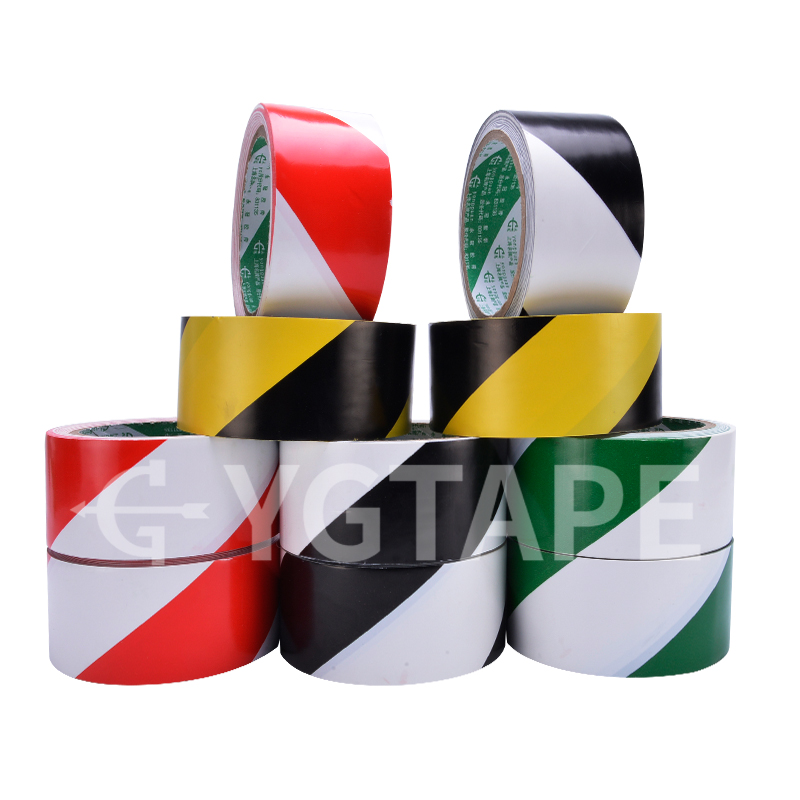
Sourcing warning tape at volume requires navigating a fragmented supplier base where subtle changes in material formulation dictate performance. Whether you are procuring non-adhesive barricade tapes for construction perimeters or heavy-duty adhesive hazard tapes for facility floors, the difference between a compliant product and a costly field failure lies in precise specification control. Reliable procurement means looking past unit prices to understand extrusion quality, ink fastness, and adhesive chemistry.
Defining Core Tape Specifications
The category broadly splits into two material paths, each demanding different manufacturing setups and quality controls.
| Specification | Non-Adhesive Barricade Tape | Adhesive Hazard Tape |
|---|---|---|
| Base Material | Polyethylene (PE) | Polyvinyl Chloride (PVC) |
| Typical Thickness | 30 to 100 microns | 130 to 180 microns |
| Printing Method | Flexographic (surface printed) | Reverse printed under clear film |
| Performance Metric | Elongation at break, Tear resistance | Adhesion to steel, Tackiness |
When defining your product, thickness is the primary driver of both cost and durability. PE barricade tapes under 40 microns are highly susceptible to wind tear, making them suitable only for short-term, low-budget applications. For municipal or heavy construction use, buyers typically specify 70 microns or higher.
Manufacturing Vulnerabilities and Quality Control
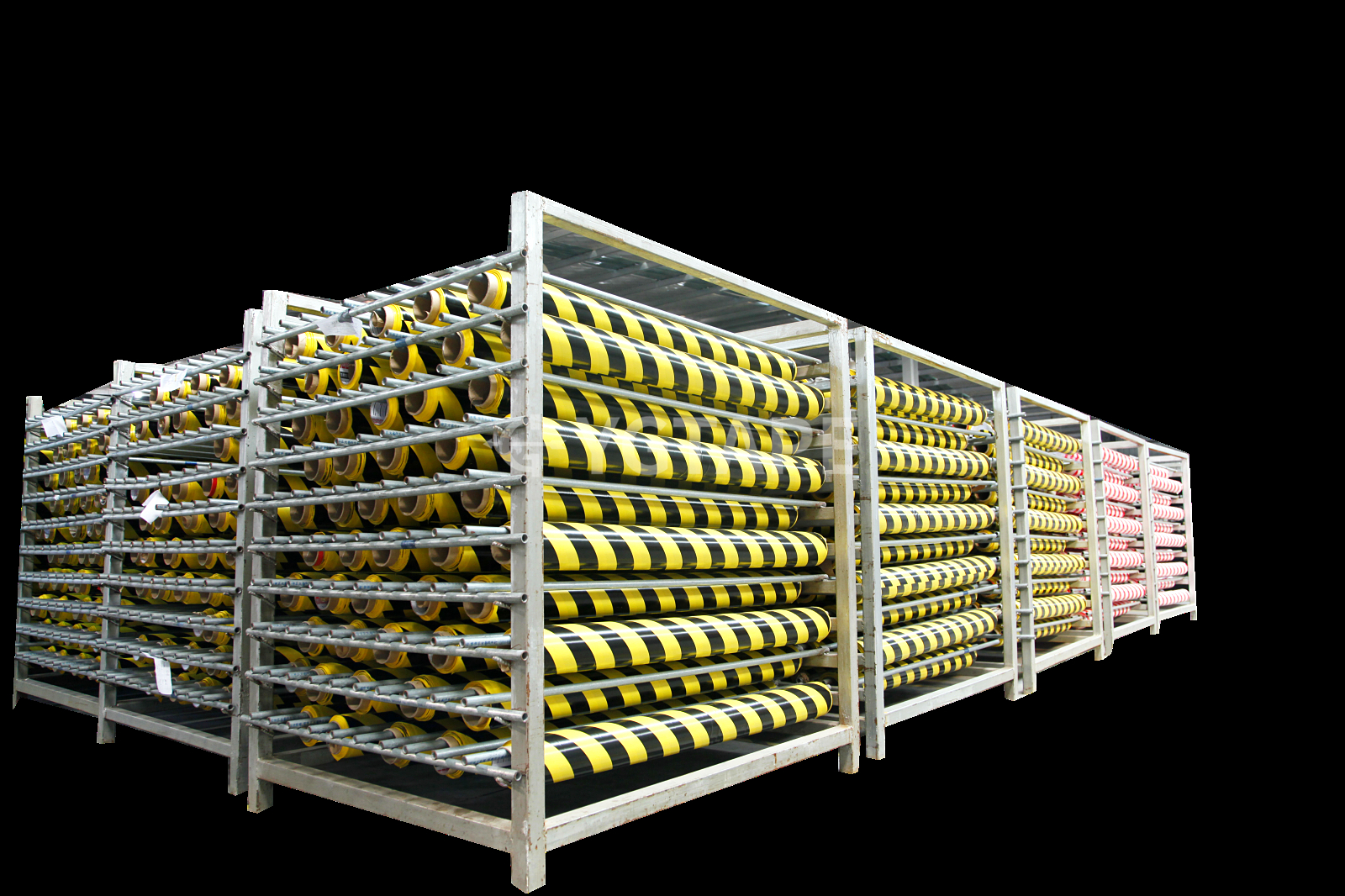
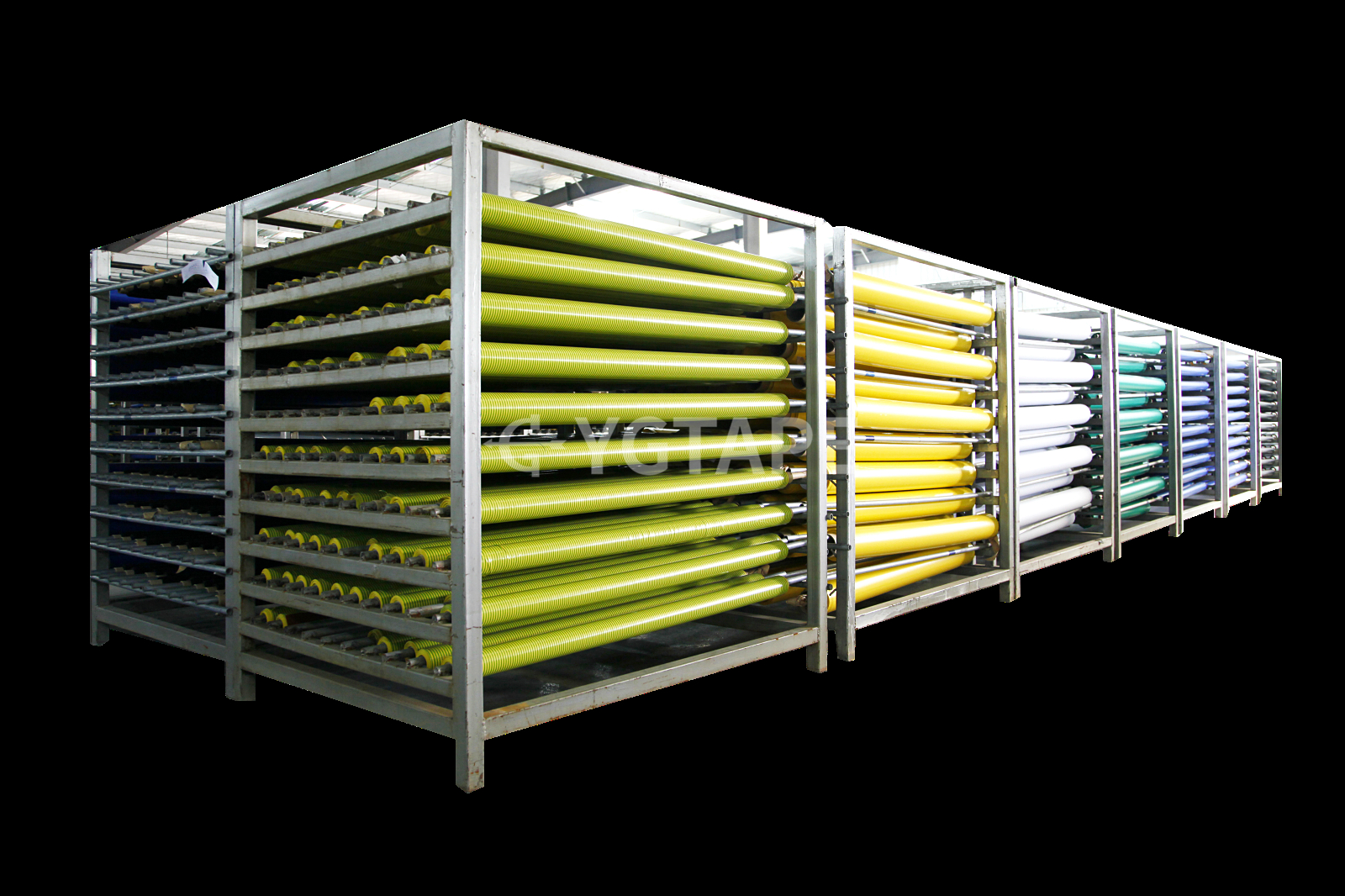
Warning tape production involves film extrusion, printing, coating (for adhesive variants), and slitting. Defects often originate during the printing and slitting phases.
If tension control on the slitting machine is poorly calibrated, the finished rolls will "telescope"—where the layers slide sideways, creating a cone shape rather than a flat cylinder. Telescoped rolls are often unsellable in commercial distribution. Furthermore, poor ink adhesion on PE tapes can result in the warning message flaking off during unrolling or after brief UV exposure.
Critical Factory Inspections for Warning Tape
- Verify elongation and tensile strength against specified tolerances.
- Perform tape-pull tests on printed surfaces to check ink adhesion.
- Inspect core dimensions and verify roll length/weight to prevent short-shipping.
- Check for edge-curling and telescoping on the finished master rolls before packing.
Implementing rigorous Quality Control & Inspection prior to shipment is essential, as visual defects and length discrepancies are difficult to rectify once the container arrives.
Need reliable manufacturing partners and on-the-ground quality control for your safety tape procurement?
Talk to our teamCustomization and Private Labeling
For brands and large distributors, standard "CAUTION" or "DANGER" prints are often just the baseline. Custom-printed tapes featuring corporate logos, specific regional languages, or proprietary color codes require custom printing cylinders.
When engaging factories for OEM/ODM Services, you must account for cylinder tooling costs. Each color in the design typically requires a separate cylinder. Ensure the factory uses UV-resistant inks if the tape is intended for outdoor deployment, as standard inks will fade to illegibility within weeks of sunlight exposure.
Pricing Drivers, MOQs, and Lead Times
Tape pricing is highly volatile and directly tied to petroleum-based resin markets (PE and PVC). When resin prices spike, expect suppliers to either increase quotes or attempt to thin out the micron count to maintain margins.
Because tape is a high-volume, low-margin commodity, shipping efficiency is paramount. Suppliers should optimize carton dimensions to maximize container utilization, minimizing your landed cost per roll.
Looking to optimize your supply chain and secure better bulk pricing for warning tapes?
Get a free consultationFrequently Asked Questions
Successful sourcing in this category requires vigilance over material tolerances and factory-level processing. By enforcing strict specifications on thickness, tension control, and ink chemistry, buyers can secure reliable, high-performance safety products that protect both end-users and brand reputation.
Get Sourcing Help for Warning Tape
Tell us your requirements and our experts will connect you with verified manufacturers.