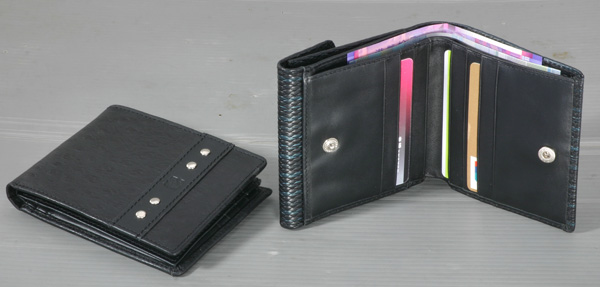
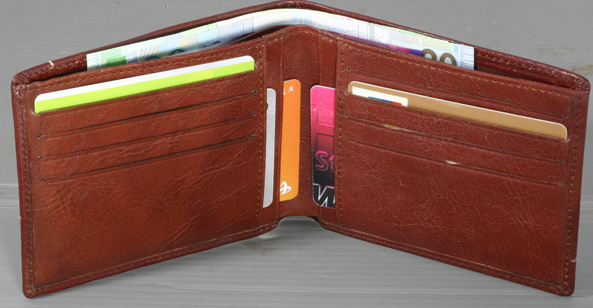
Wallets
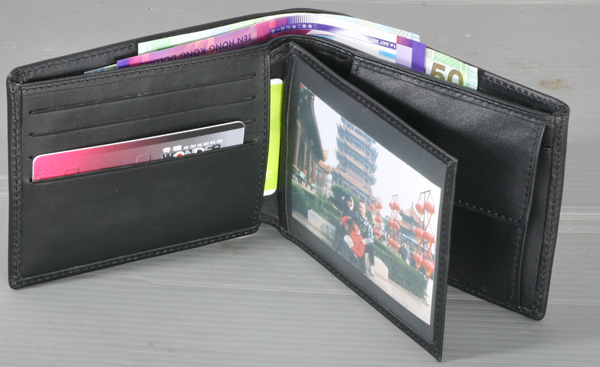
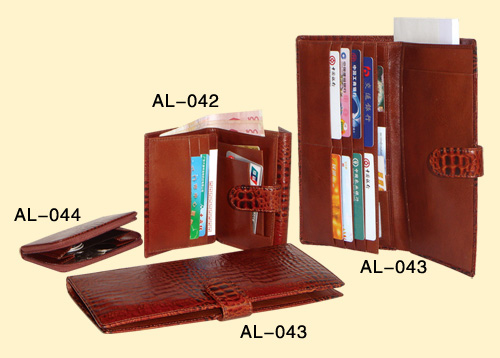
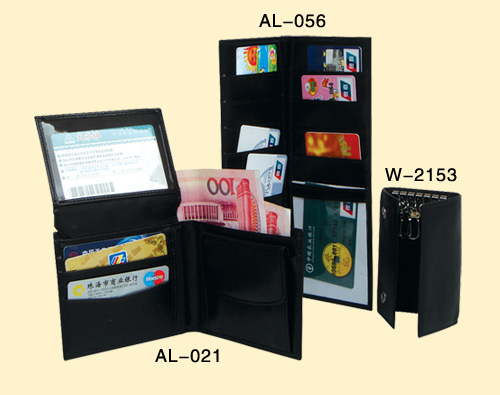
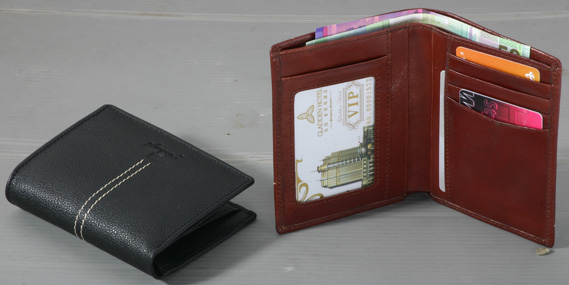
Source premium wallets from vetted suppliers and manufacturers across Asia. Designed for importers, distributors, and brands seeking reliable OEM and private-label production, our network delivers high-volume manufacturing with stringent quality control and verified material sourcing.
Sourcing wallets at scale requires navigating a highly fragmented landscape of small leather goods (SLG) manufacturers. Unlike larger bags or luggage, wallets demand exacting precision on the factory floor. A single millimeter deviation in card slot alignment, inconsistent edge painting, or improper skiving can turn a premium production run into unsellable inventory. Success in this category depends heavily on aligning your technical specifications with a factory's specific tooling and labor capabilities.
Material Specifications and Cutting Tolerances
The foundation of any wallet production run is the material, which dictates not only the perceived value but also the cutting and assembly methods the factory must employ.
When specifying materials, buyers must account for the differences in how synthetic rolls and natural hides are processed. Natural leather requires skilled manual cutting or advanced optical cutting machines to avoid natural defects (scars, tick bites) in the hide. Synthetic materials like Polyurethane (PU) or microfiber allow for rapid, automated die-cutting, significantly reducing labor costs and material waste.
| Material Category | Cutting Complexity | Edge Finishing Method | Typical Application |
|---|---|---|---|
| Full/Top-Grain Leather | High (requires defect avoidance) | Turned edge or painted (Edge Kote) | Premium OEM & Heritage Brands |
| Microfiber Synthetic | Low (consistent roll goods) | Painted or heat-sealed | High-End Vegan & Performance |
| Standard PU | Low (automated die-cutting) | Turned edge or folded | Fast Fashion & Promotional |
Beyond the exterior shell, lining materials require careful specification. If you are marketing RFID-blocking wallets, you must specify the exact shielding fabric—typically a copper-nickel woven mesh designed to block 13.56 MHz frequencies.
Construction Techniques and Quality Control
The true test of a wallet manufacturer lies in their assembly and finishing techniques. Small leather goods require specialized machinery, such as precision skiving machines (to thin the leather at the seams) and specialized sewing machines equipped with fine needles to prevent material tearing.
Critical SLG Inspection Points
- Stitches Per Inch (SPI): Premium wallets should maintain 9 to 11 SPI. Lower counts indicate rushed production and compromise durability.
- Skiving Consistency: Edges must be skived uniformly. Uneven skiving causes bulky, asymmetrical folds.
- Edge Painting (Fen You): Paint must be applied in multiple thin layers, heated, and sanded between coats to prevent cracking.
- Card Slot Alignment: Slots must be perfectly parallel, with tension tested to ensure cards fit snugly without stretching the material.
- Hardware Plating: Zippers and snap closures should undergo salt spray testing to verify anti-corrosion plating.
Catching issues like edge paint adhesion failures or skipped stitches requires rigorous quality control directly on the factory floor, long before the goods are packaged.
Struggling with inconsistent edge finishing or high defect rates? Let us audit your current production lines and establish strict AQL standards.
Talk to our teamExecuting OEM/ODM Customization
Developing a custom wallet requires comprehensive tech packs. Factories need exact die-cutting molds, which typically cost between $50 to $150 per style depending on complexity. Branding elements also require specialized brass molds for debossing, embossing, or foil stamping.
When utilizing OEM/ODM services, specify the exact temperature and pressure parameters for debossing, especially on synthetic materials which can melt or discolor if the factory applies the same settings used for genuine leather.
MOQs, Lead Times, and Pricing Dynamics
Pricing in wallet manufacturing is highly sensitive to raw material minimums. While a factory might agree to produce 300 wallets, the tannery or fabric mill may require a Minimum Order Quantity (MOQ) of 500 square feet of leather or 1,000 meters of custom-dyed PU.
Factories often offset low unit quantities by charging premiums on custom hardware (like branded zipper pulls or snap buttons), which carry their own distinct MOQs. Before committing to a supplier, thorough factory audits are necessary to verify that the facility actually specializes in small leather goods, rather than running wallets as a side project in a heavy luggage facility.
Need to consolidate your supply chain or negotiate better terms on custom tooling? Speak with our sourcing experts.
Get a free consultationBuyer FAQ
Successfully sourcing wallets requires balancing your target unit cost with the technical realities of small leather goods manufacturing. By specifying exact material grades, enforcing strict construction tolerances, and partnering with verified SLG specialists, buyers can secure consistent, retail-ready production at scale.
Get Sourcing Help for Wallets
Tell us your requirements and our experts will connect you with verified manufacturers.