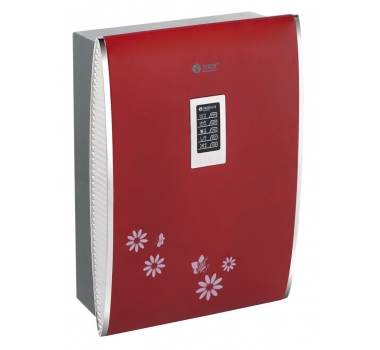
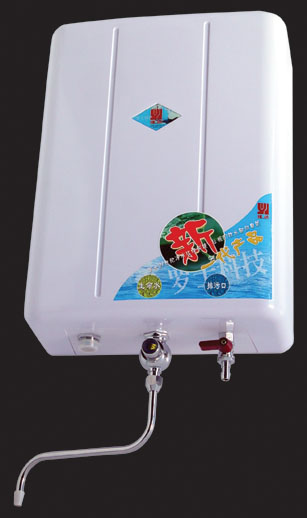
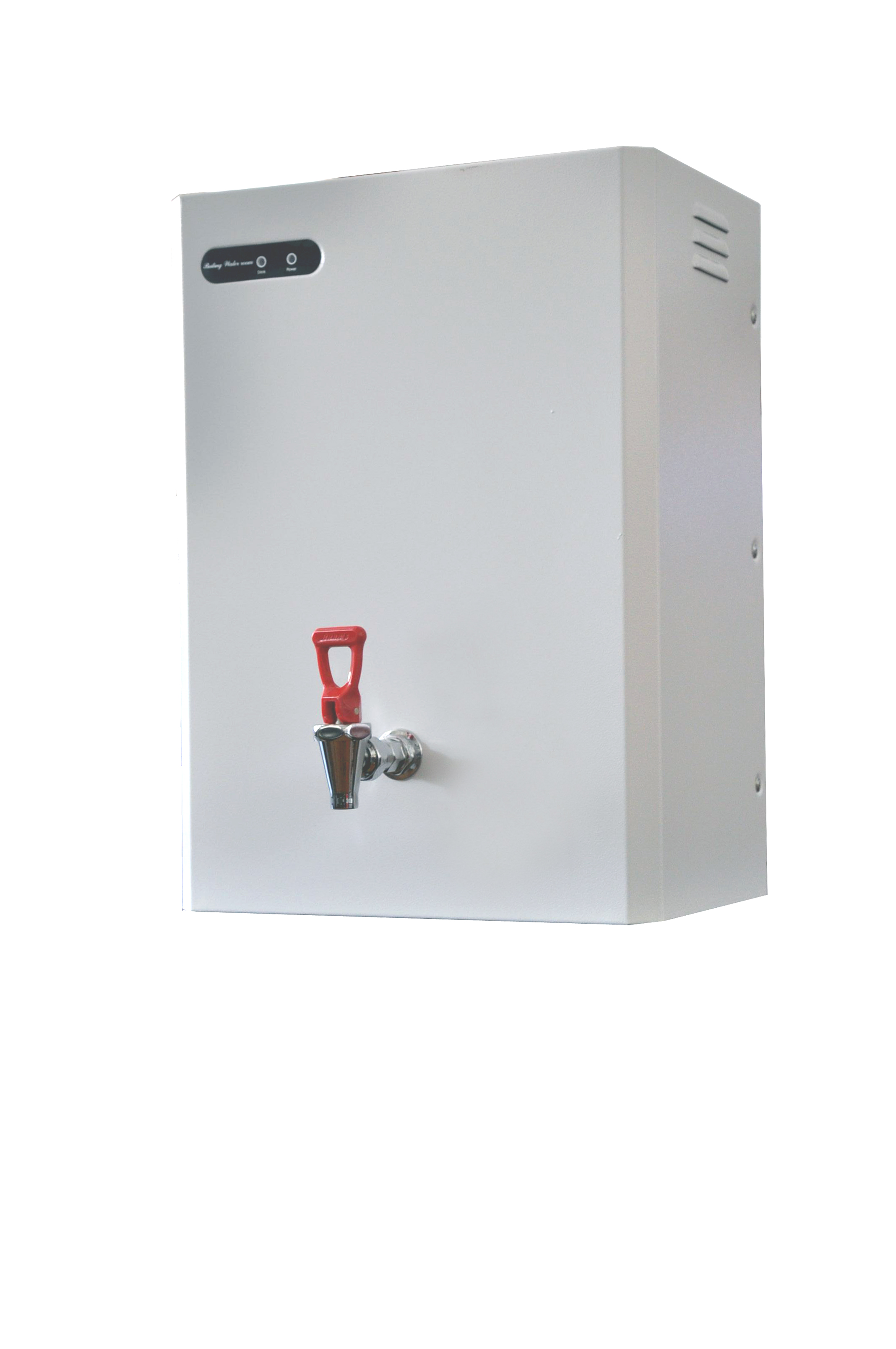
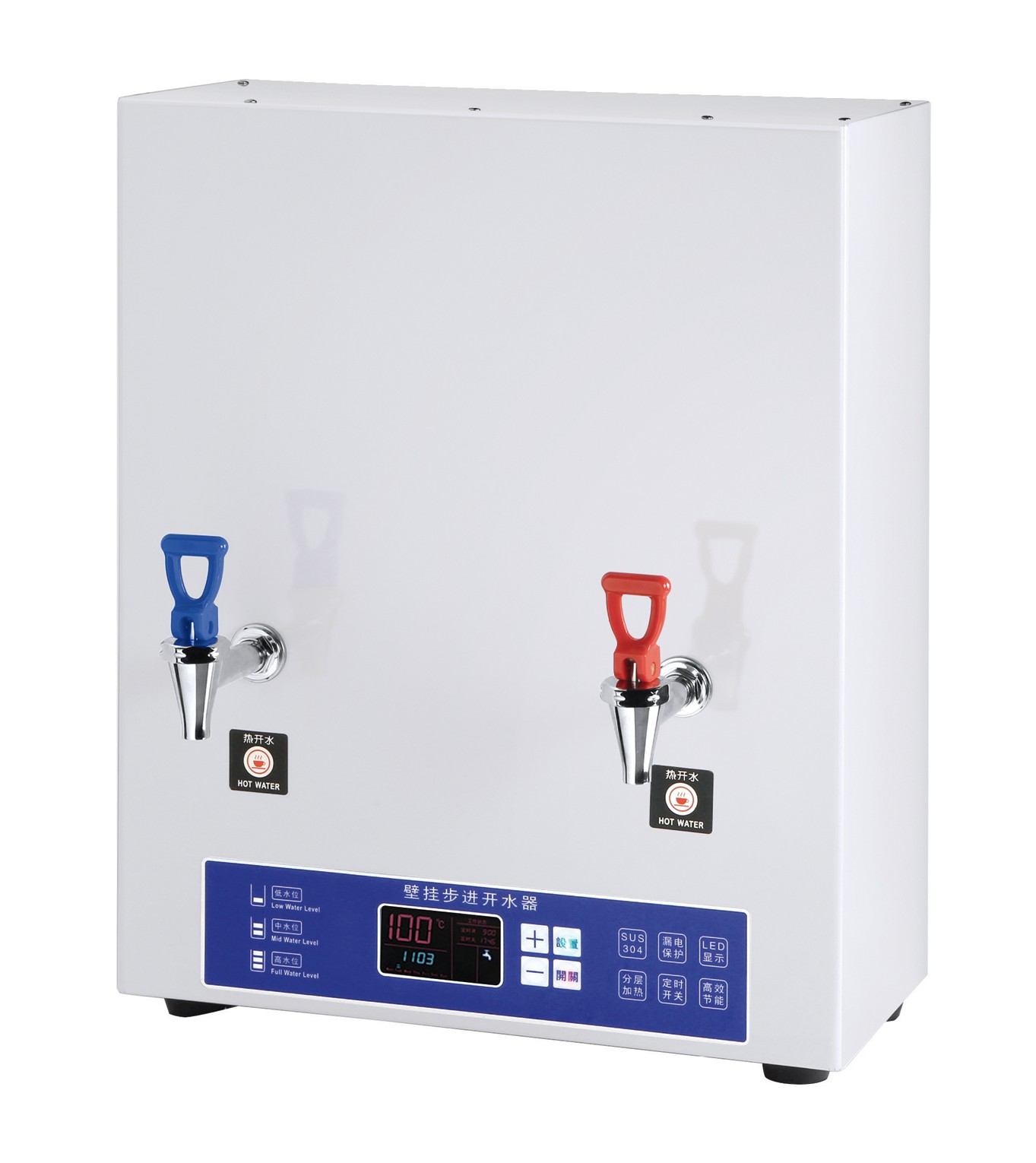
Wall-Mounted Water Dispensers
Source bulk Wall-Mounted Water Dispensers from vetted suppliers and manufacturers across Asia. Designed for commercial importers, wholesalers, and appliance brands seeking private-label or OEM production, our catalog connects you with factory-direct pricing, scalable manufacturing, and rigorous quality control.
Wall-mounted water dispensers require precise integration of plumbing, high-wattage heating elements, and electronic controls within a highly compact chassis. Because these units are plumbed directly into municipal water lines and mounted above counters or in commercial spaces, the margin for error is virtually zero. For bulk buyers, the primary sourcing challenge is identifying a manufacturer capable of consistently executing leak-proof internal plumbing and reliable thermal management without compromising the unit's slim profile.
Core Specifications and Component Selection
The reliability of a wall-mounted dispenser is dictated by its internal bill of materials (BOM). When negotiating with suppliers, you must specify the exact grades of components used in the water pathway and thermal systems.
Heating Technology
The industry has largely shifted away from bulky internal boiler tanks toward instant heating technologies to maintain the thin profile required for wall mounting.
- Thick Film Heating Elements: This is the current premium standard. Thick film tubes heat water instantly as it passes through, eliminating the need for a hot water storage tank. This prevents repeated boiling ("stale water") and drastically reduces the unit's physical footprint.
- Quartz Tube Heaters: A mid-tier instant heating option. While effective, quartz tubes are more fragile during shipping and can suffer from scale buildup in hard water regions if the unit lacks adequate pre-filtration.
- Stainless Steel (304/316) Tanks: Used in budget or high-capacity commercial models. If specifying tanks, ensure the factory uses automated laser welding rather than manual welding to prevent micro-fissures that lead to long-term leaks.
| Heating Technology | Space Efficiency | Energy Consumption | Unit Cost Impact |
|---|---|---|---|
| Thick Film Instant | Excellent (Tankless) | Low (On-demand only) | Premium |
| Quartz Tube | Good | Low | Moderate |
| Stainless Steel Tank | Poor (Requires volume) | High (Standby heating) | Economical |
Valves, Fittings, and Electronics
The most common failure point in plumbed dispensers is the internal tubing connections. Specify food-grade silicone or PE tubing paired with quick-connect fittings (such as John Guest standard). Solenoid valves must be rated for the local municipal water pressure (often up to 0.8 MPa) to prevent bursting during pressure spikes.
Additionally, because wall-mounted units generate internal heat and handle cold water, condensation is inevitable. Ensure the factory applies conformal coating to all printed circuit boards (PCBs) to prevent short circuits.
Struggling to verify factory BOMs and component quality? We help buyers lock in specifications and audit suppliers before production begins.
Talk to our teamManufacturing Quality and Defect Prevention
Producing high-quality wall-mounted dispensers requires strict assembly line discipline. When evaluating a potential manufacturing partner, their testing protocols are far more important than their assembly speed. Relying on factory audits prior to finalizing your supplier choice is critical to verify their testing infrastructure.
Critical Factory-Floor Testing Protocols
- 100% Air Pressure Testing: Dry testing the assembled water circuit at 0.8 to 1.0 MPa to detect micro-leaks before water is introduced.
- Water Flow & Temperature Calibration: Verifying that instant heating models reach the target temperature (e.g., 95°C) within the specified flow rate.
- Dielectric Withstand (Hi-Pot) Testing: Ensuring high-voltage heating elements are properly insulated from the user interface and chassis.
- Aging Tests: Running a statistical sample of units through continuous dispensing cycles for 48 to 72 hours to stress-test solenoid valves and PCBs.
Even with excellent factory protocols, deploying independent quality control teams for pre-shipment inspections is the only way to ensure the agreed-upon BOM and testing standards were maintained throughout your specific production run.
Regulatory Compliance and Certifications
Water dispensers face a dual regulatory burden: electrical safety and food-contact material safety.
- Electrical: CE (LVD/EMC) for Europe, UL/ETL for North America, and CB scheme for global adaptability.
- Water Contact: RoHS is mandatory for all electronic components. For the water pathway, FDA compliance (US) or LFGB (Europe) is required for all tubing, tanks, and fittings. If the unit includes built-in RO or UF filtration, NSF certifications (like NSF 42 or 53) add significant market value but require rigorous compliance testing and documentation from the factory.
Pricing, MOQs, and Lead Times
Sourcing costs vary heavily based on the heating technology, user interface (mechanical buttons vs. capacitive touch screens), and whether the unit includes integrated filtration.
If you are developing a proprietary design or integrating smart IoT features, you will need a factory with strong in-house R&D. Utilizing professional OEM/ODM services ensures your intellectual property is protected and the transition from 3D CAD to injection molding is managed seamlessly.
Planning a custom wall-mounted dispenser line? Let us manage the tooling, supplier negotiation, and production scheduling.
Get a free consultationBuyer FAQ
Sourcing wall-mounted water dispensers successfully comes down to controlling the internal components and enforcing rigorous pressure testing on the assembly line. By focusing your negotiations on heating technology and valve quality rather than just the lowest unit price, you protect your brand from costly post-installation failures and returns.
Get Sourcing Help for Wall-Mounted Water Dispensers
Tell us your requirements and our experts will connect you with verified manufacturers.