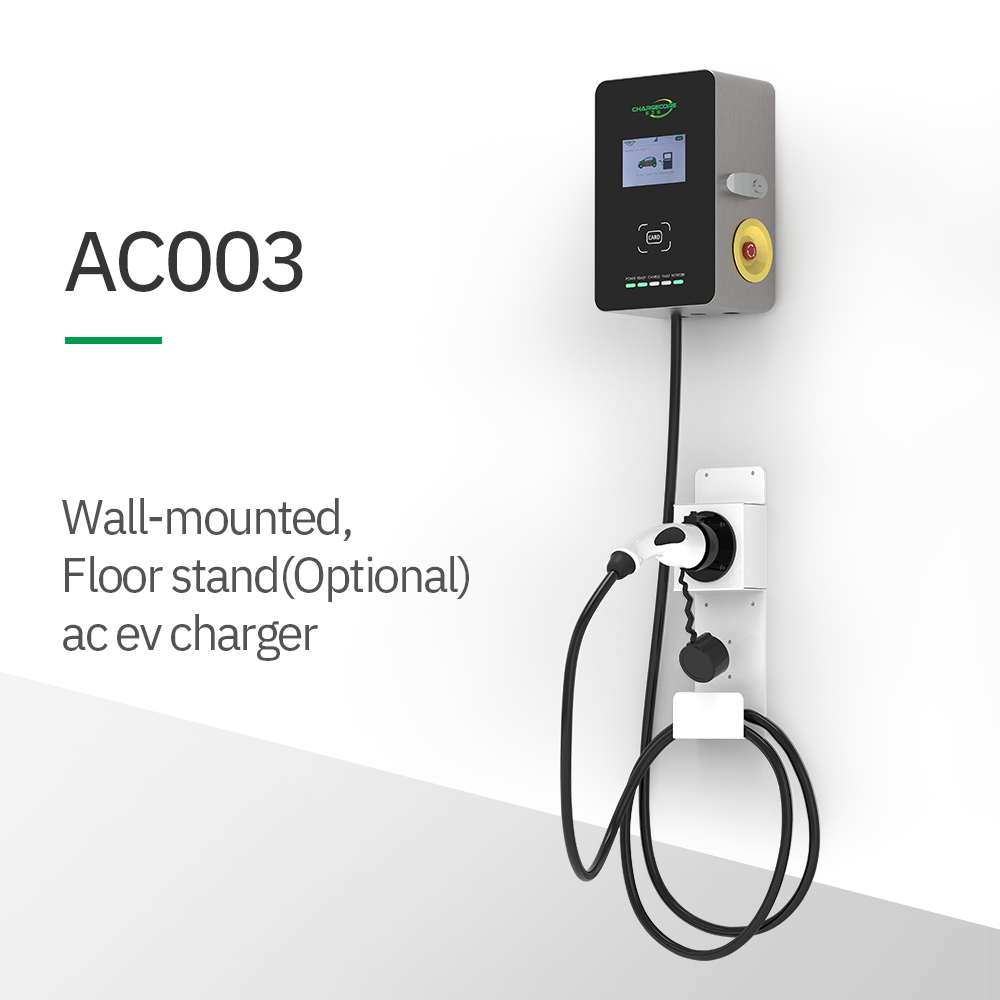
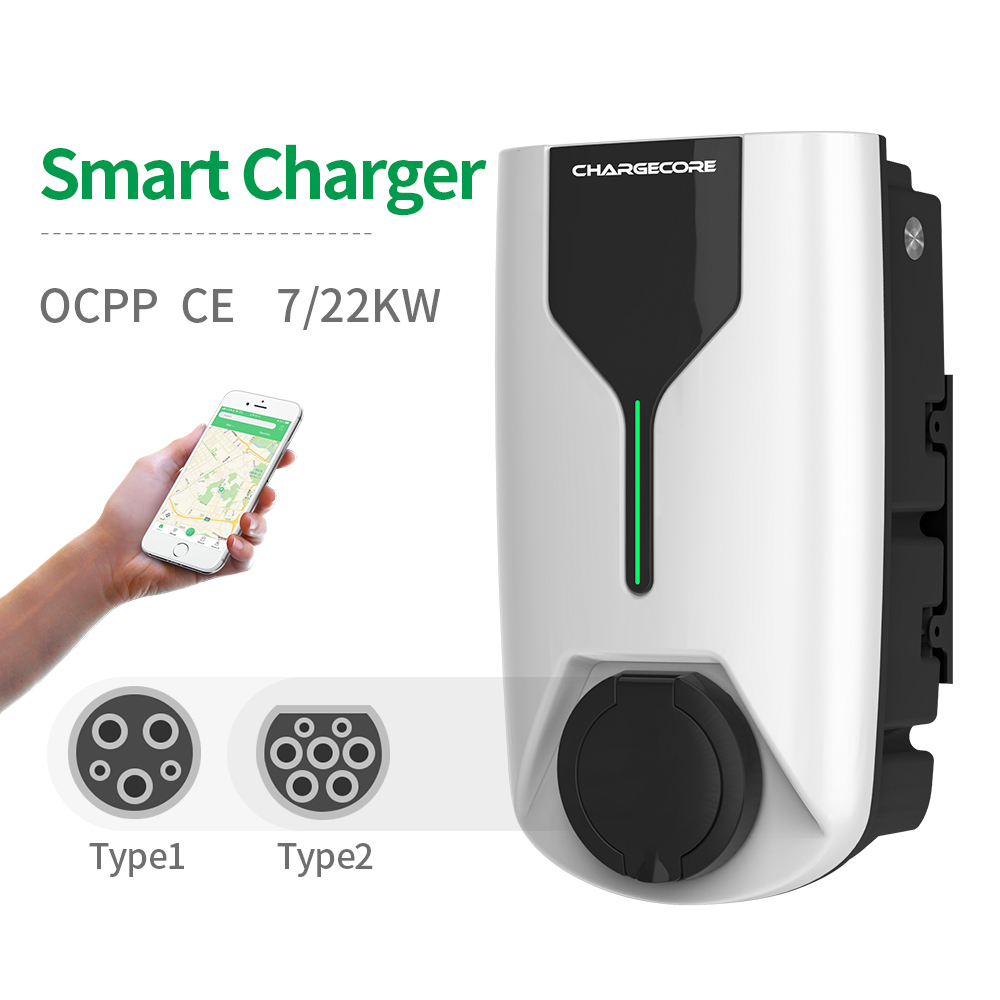
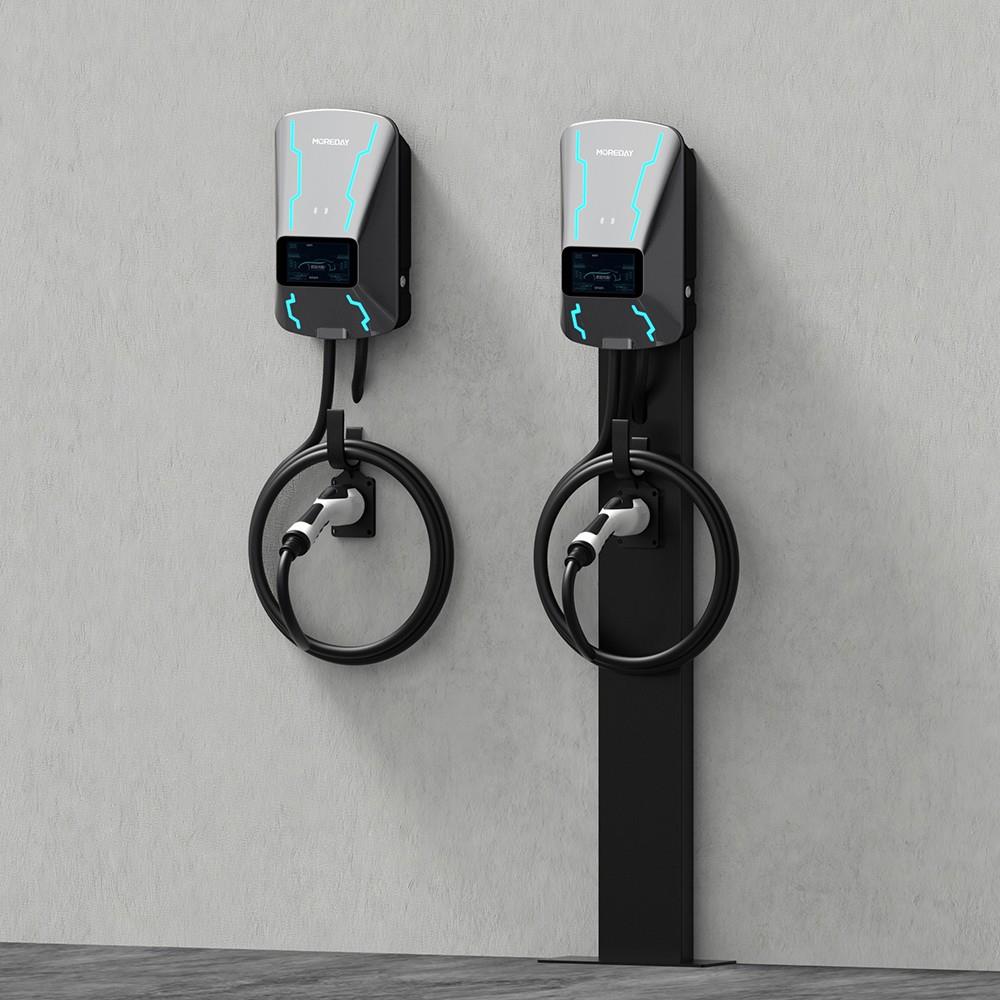
Wall-Mounted Charging Stations
Source commercial and residential Wall-Mounted Charging Stations from vetted suppliers and manufacturers. Designed for importers, wholesalers, distributors, and brands seeking reliable OEM and private-label production, this catalog connects volume buyers with competitive pricing and certified manufacturing partners.
Sourcing wall-mounted EV chargers requires navigating a complex intersection of high-voltage safety standards, smart grid connectivity, and hardware durability. Success in this category depends on specifying the right internal components—from contactors to residual current devices—and partnering with a manufacturer capable of meeting strict regional compliance mandates without sacrificing production scalability.
Critical Specifications and Component Sourcing
The core of any reliable wallbox is its power control board and safety mechanisms. When negotiating with suppliers, the bill of materials (BOM) should be a primary focus. Lower-tier factories often substitute premium relays and contactors with generic alternatives, which can lead to premature failure under continuous high-load cycles.
Key technical parameters you must define with your supplier include:
- Power Output & Phase: Single-phase (7.4kW) for standard residential applications, or three-phase (11kW to 22kW) for commercial and fleet installations.
- Safety Protections: Integrated Residual Current Devices (RCD). Specify whether the unit includes Type A + 6mA DC protection or requires a full Type B RCD, as this significantly impacts both unit cost and installation requirements.
- Connectivity & Smart Features: Basic plug-and-play models rely on simple PWM communication. Smart chargers require Wi-Fi, 4G LTE, or Ethernet modules, alongside OCPP (Open Charge Point Protocol) compatibility for backend management.
- Enclosure Durability: Specify IP54 or IP65 for dust and water resistance, and IK08 or IK10 for impact resistance, particularly for commercial deployments.
| Specification | Residential / Entry-Level | Commercial / Smart-Grid |
|---|---|---|
| Power Output | 7.4kW (Single-Phase) | 11kW - 22kW (Three-Phase) |
| Connectivity | Bluetooth / Basic Wi-Fi | 4G LTE, Ethernet, Wi-Fi |
| Protocol | Proprietary App / None | OCPP 1.6J / 2.0.1 |
| Load Balancing | Static / None | Dynamic Load Balancing (DLB) |
Navigating OCPP integration and complex regional certifications? Let us help you vet manufacturers with verified technical capabilities.
Talk to our teamManufacturing Quality and Defect Prevention
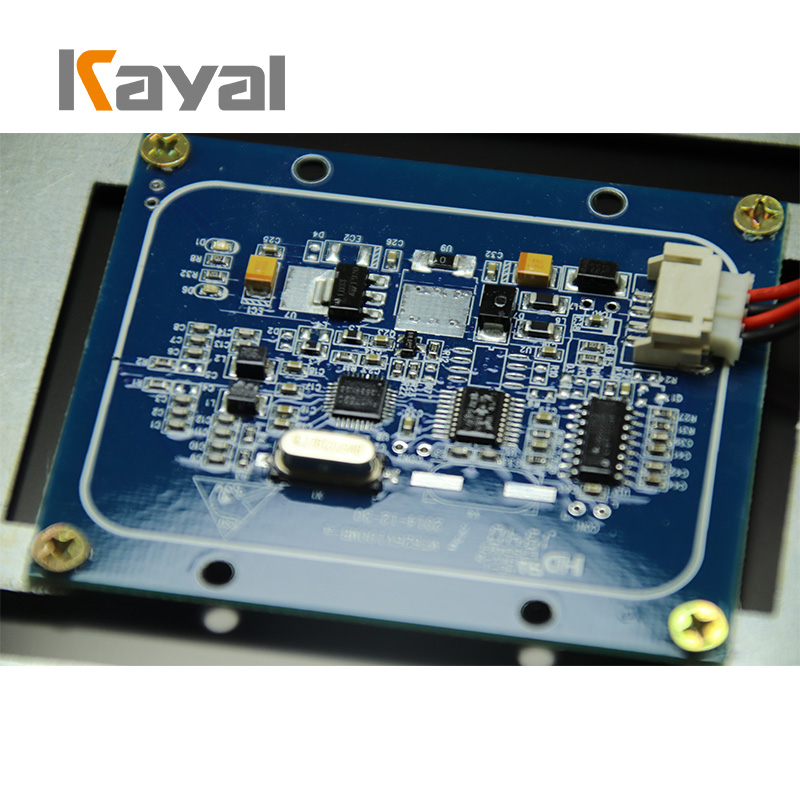
The assembly of EV chargers involves sensitive electronics (PCBA) housed alongside heavy-duty electrical hardware. Quality is won or lost during the surface-mount technology (SMT) process for the mainboards and the final assembly of the high-voltage wiring.
Conducting comprehensive Factory Audits is essential to verify that a supplier has dedicated testing facilities, including aging rooms and high-voltage test benches.
During production, robust Quality Control & Inspection protocols should verify the following:
Critical Pre-Shipment Inspection Points
- Hipot (Dielectric Withstand) testing to ensure insulation integrity.
- RCD trip-time verification under simulated fault conditions.
- OCPP backend connectivity and communication stability tests.
- Thermal imaging during full-load aging tests to identify hot spots.
- Ingress protection (IP) verification on enclosure seals and cable glands.
OEM/ODM Customization and Compliance
Most established manufacturers in standard hubs like Shenzhen and Wenzhou offer tiered customization. For private-label brands, factories can modify enclosure colors, apply custom branding, and reskin the accompanying mobile application.
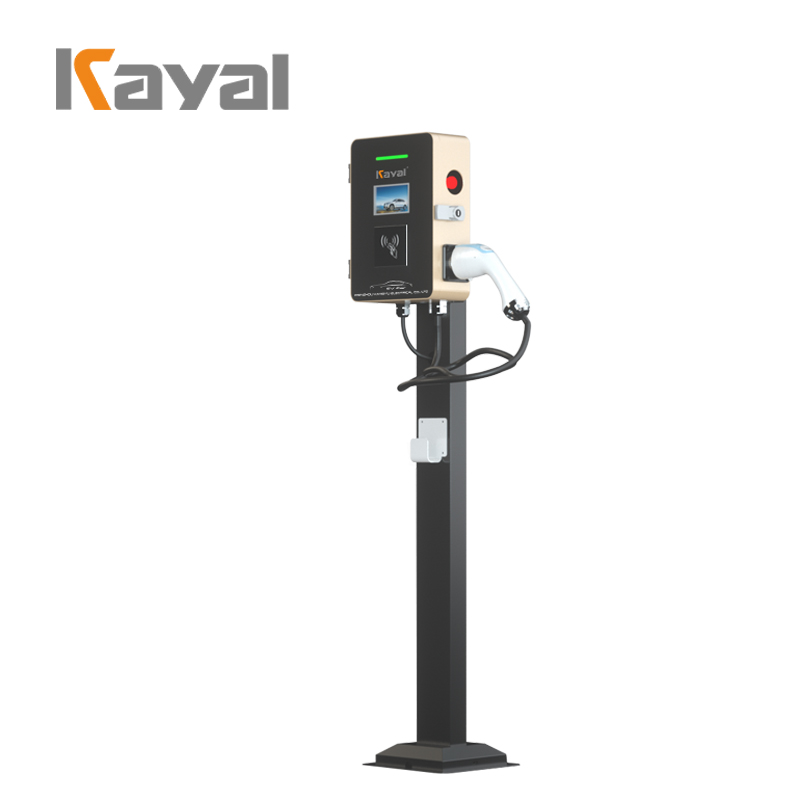
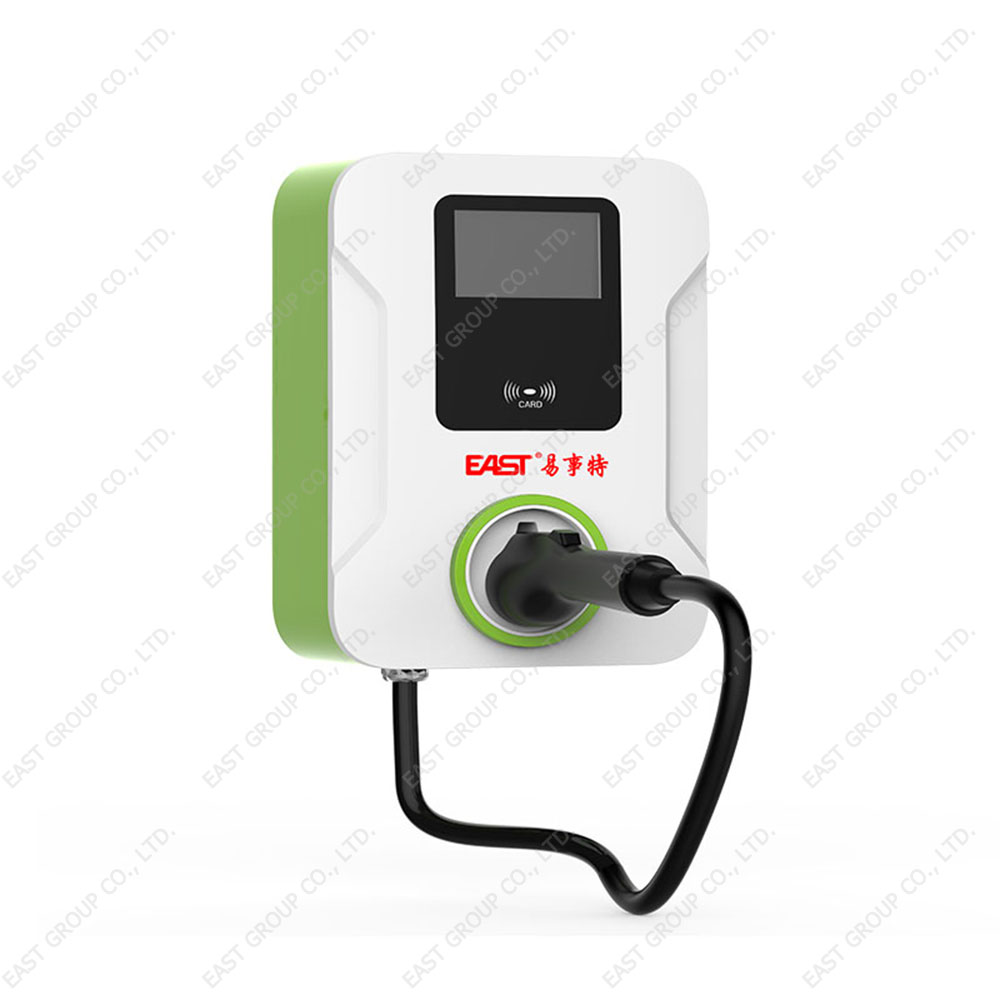
If you are developing a proprietary design, engaging in formal OEM/ODM Services allows you to dictate the exact internal layout, cable management systems, and user interface (such as LCD screens or RFID readers). However, any structural or electrical modification requires rigorous re-certification. Ensure your supplier has experience navigating CE (TUV/SGS), UL, or UKCA standards, as non-compliant imports will be seized at customs.
Pricing Drivers, Lead Times, and MOQs
Pricing for wall-mounted charging stations is highly elastic, driven primarily by the power rating, the inclusion of a tethered cable (copper costs fluctuate), and the complexity of the smart controller.
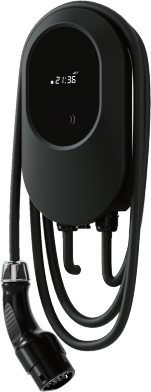
When calculating landed costs, account for the weight of tethered models (often 4kg to 7kg per unit), which significantly impacts freight calculations.
Optimize your procurement strategy and negotiate better terms with tier-one EV charger suppliers.
Get a free consultationFrequently Asked Questions
Procuring wall-mounted charging stations at scale requires balancing unit cost against the strict safety and smart-grid demands of modern infrastructure. By prioritizing supplier verification and rigorous component specification, you can build a resilient supply chain that supports long-term growth.
Get Sourcing Help for Wall-Mounted Charging Stations
Tell us your requirements and our experts will connect you with verified manufacturers.