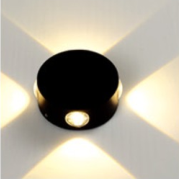
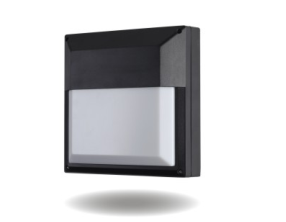
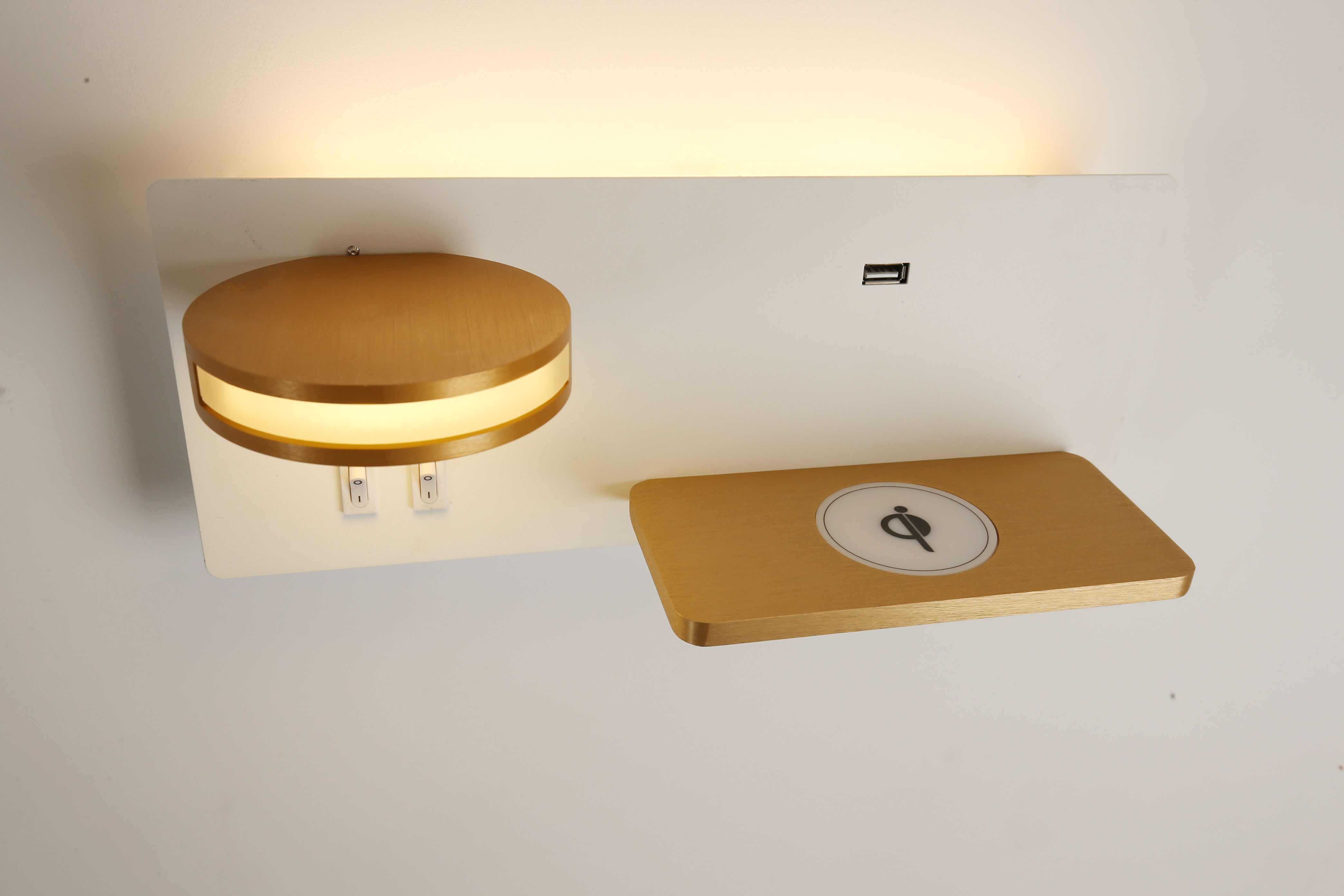
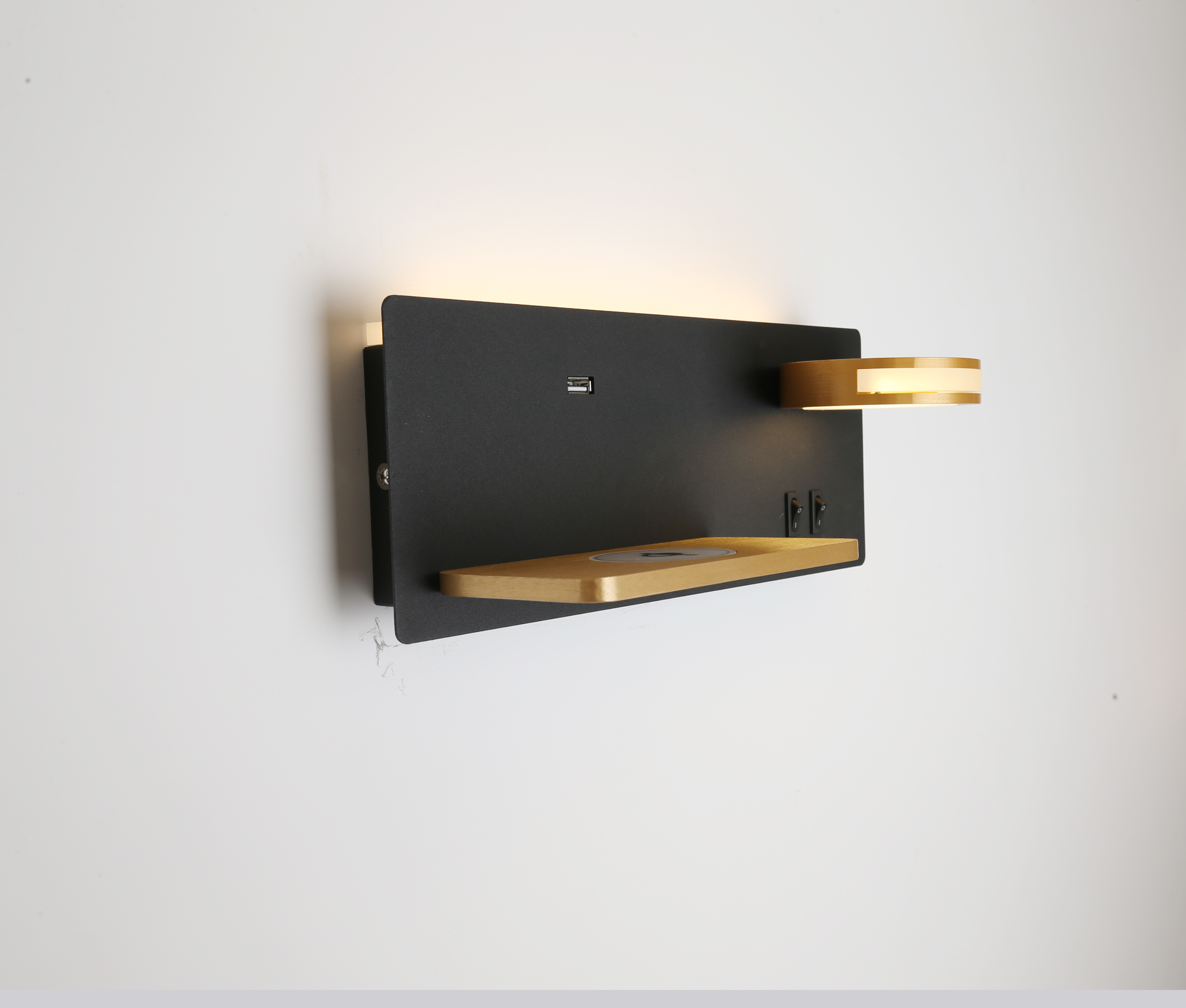
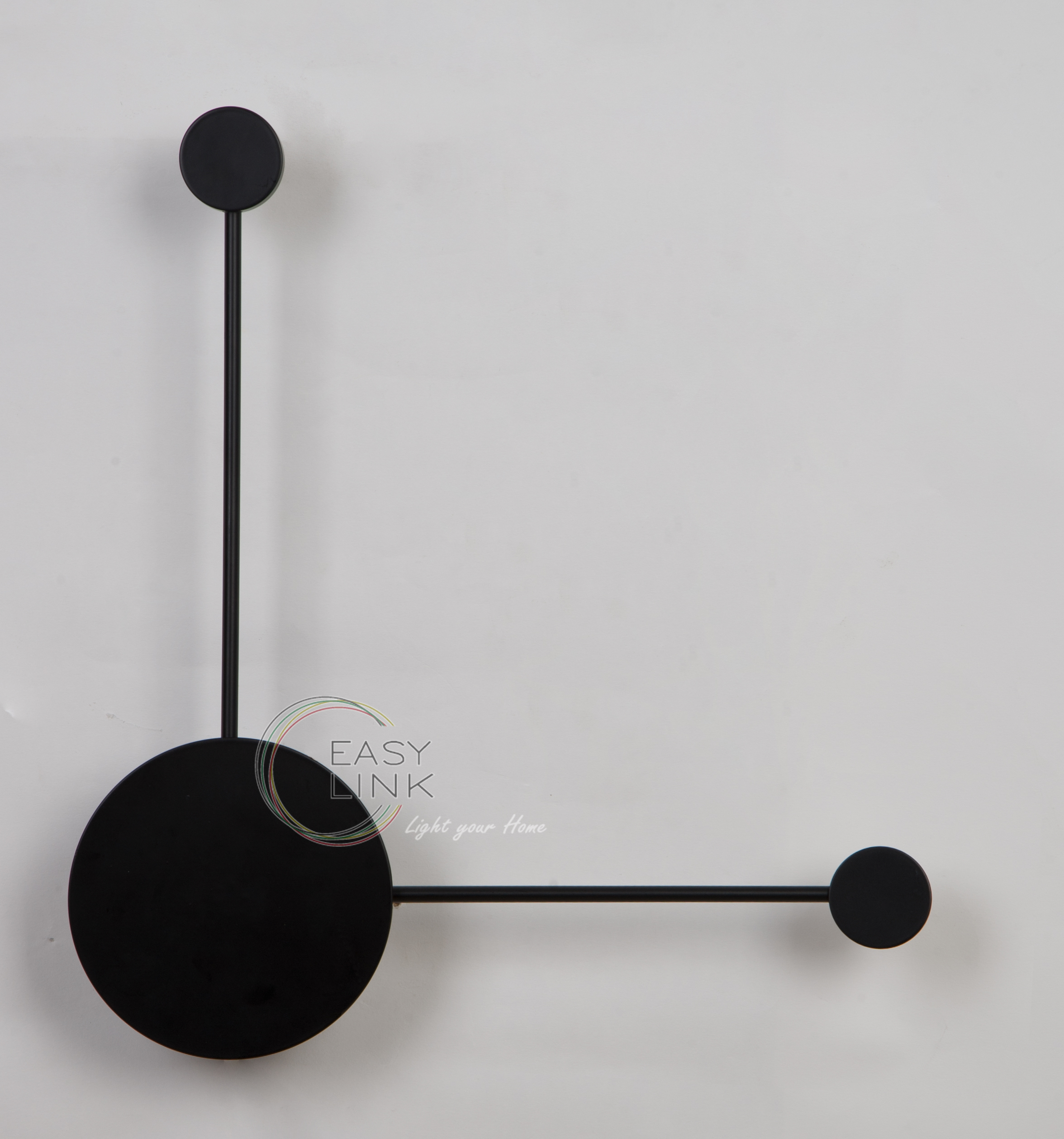
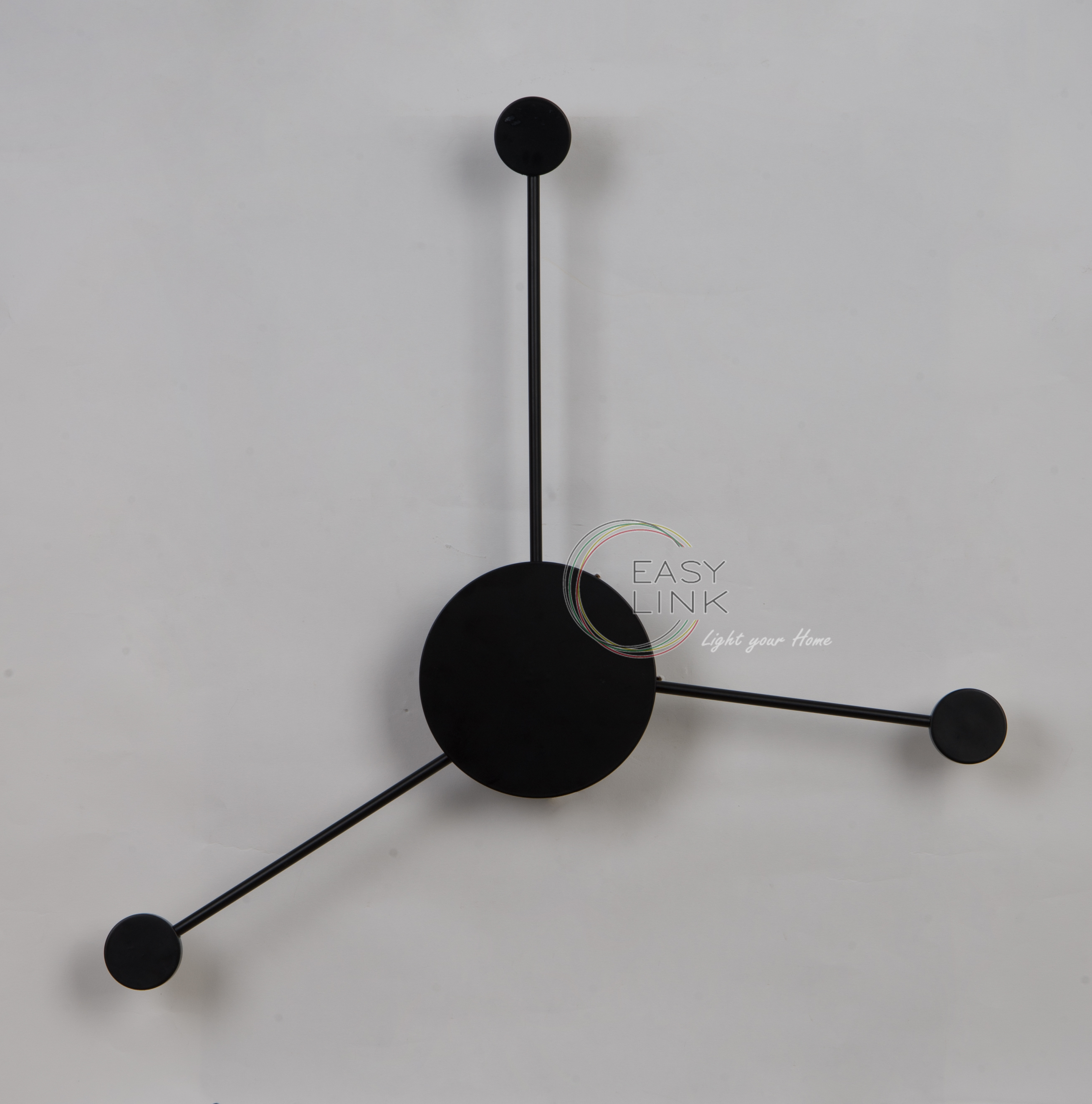
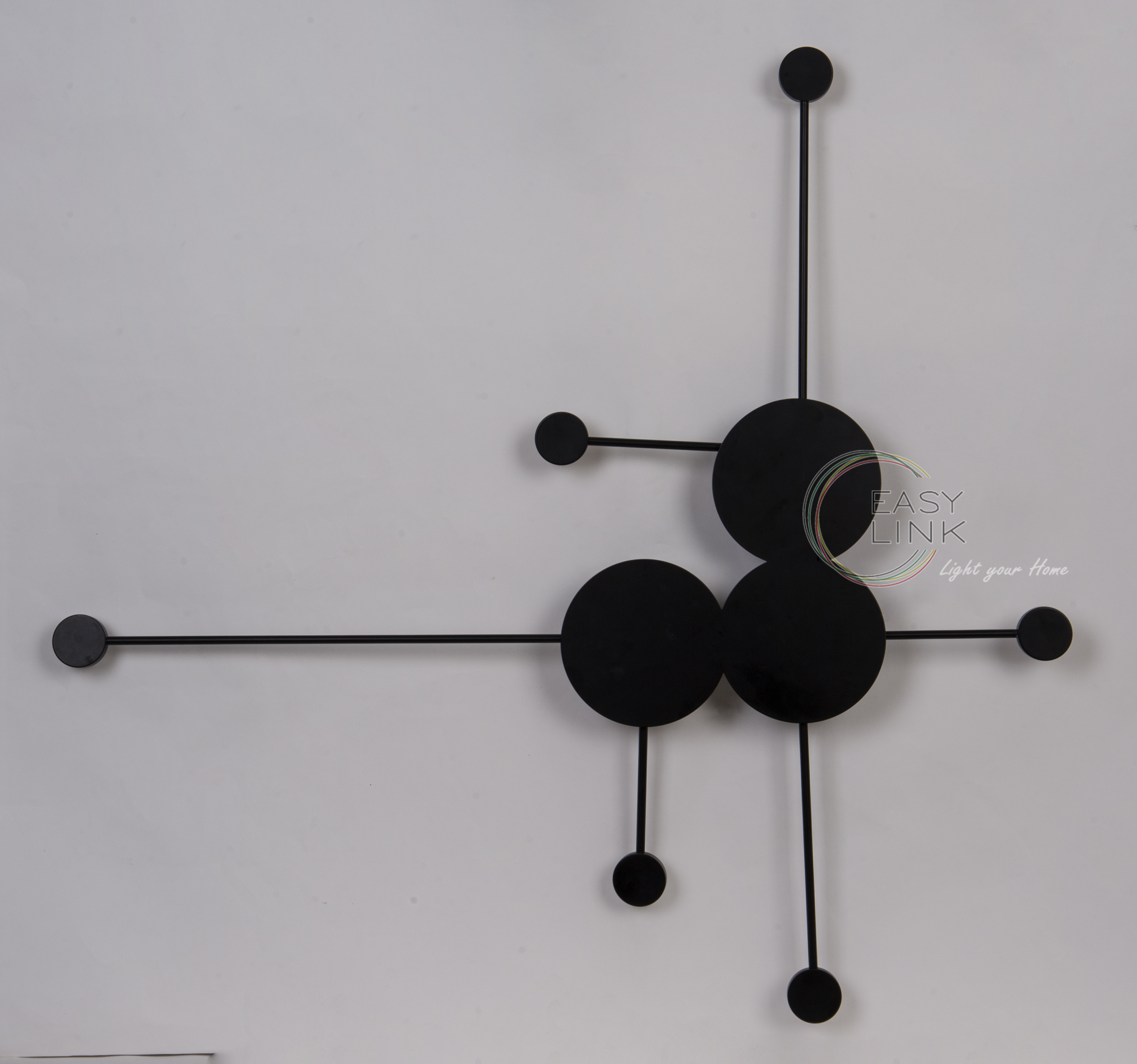
Wall Lamps
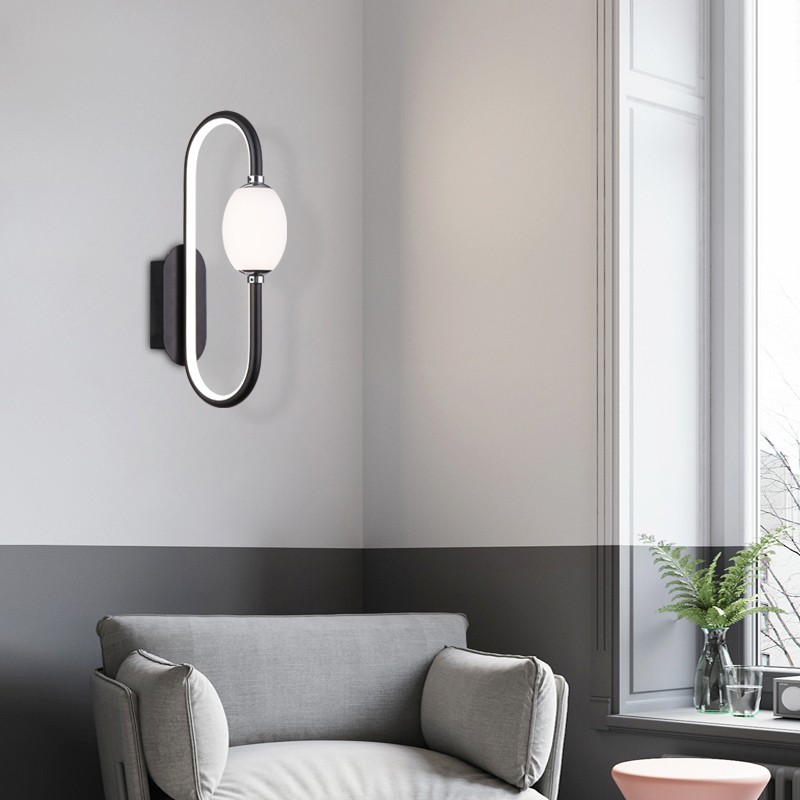
Source premium wall lamps from vetted suppliers and manufacturers across Asia. Designed for importers, wholesalers, and brands looking for reliable OEM and private-label production, our factory network delivers bulk indoor lighting solutions that meet strict international electrical safety and quality standards.
Sourcing wall lamps at scale requires balancing aesthetic design with stringent electrical compliance. Whether you are procuring decorative sconces for hospitality projects or minimalist reading lights for residential distribution, the core challenge lies in aligning factory capabilities with your target market's regulatory requirements. A visually perfect lamp with a substandard driver will fail in the field, leading to costly returns and brand damage.
Critical Specifications for Bulk Buyers
When negotiating with manufacturers, the "shell" of the lamp is only part of the equation. The internal components dictate the lifespan, safety, and performance of the fixture. Relying on default factory specifications often results in a race to the bottom on component quality.
Essential Wall Lamp Specifications to Define
- LED Driver Quality: Specify isolated, flicker-free drivers. Name-brand drivers (e.g., Philips, Mean Well, Osram) increase cost but drastically reduce failure rates.
- Dimming Protocols: Clearly state if the lamp requires TRIAC, 0-10V, or DALI dimming compatibility, as this changes the driver architecture.
- Color Rendering Index (CRI): Demand a minimum of Ra 80 for standard residential use, and Ra 90 or higher for hospitality and vanity lighting.
- Thermal Management: Ensure the backing plate or internal heatsink has sufficient mass to dissipate heat, preventing early lumen depreciation.
- IP Rating: For bathroom or vanity wall lamps, specify IP44 or higher to protect against steam and splashing water.
Manufacturing Quality and Surface Finishes
The perceived value of a wall lamp is heavily dependent on its surface treatment. Manufacturers typically use stamped steel, aluminum, or solid brass for the housing. The transition from raw metal to a finished product is where many quality issues originate.
| Component | Standard Market | Premium / Hospitality |
|---|---|---|
| Housing Material | Stamped steel or thin aluminum | Die-cast aluminum or solid brass |
| LED Driver | Non-isolated, generic | Isolated, flicker-free, branded |
| Surface Finish | Basic spray paint, prone to chipping | Electroplating or multi-layer powder coating |
| Mounting Hardware | Flimsy brackets, non-standard screws | Heavy-duty backplates, standardized mounting |
Poor electroplating can lead to oxidation and blistering within months, especially in humid environments. Powder coating must be applied evenly to avoid "orange peel" textures. Implementing rigorous Quality Control & Inspection during the surface treatment phase—before final assembly—is crucial to catching these defects early.
Struggling with inconsistent lighting quality? Let us manage your factory communications and pre-shipment inspections.
Talk to our teamSourcing Regions and Factory Verification
The vast majority of indoor lighting manufacturing is concentrated in Guangdong province, China, with Zhongshan (specifically Guzhen) acting as the undisputed lighting capital. However, the ecosystem is highly fragmented. A single trading company might present themselves as a factory, outsourcing the actual die-casting, painting, and assembly to three different workshops.
To ensure consistent quality, you must verify the supplier's actual capabilities. This means confirming they have dedicated assembly lines, in-house aging test racks, and a legitimate quality management system (like ISO 9001). Conducting thorough Factory Audits before placing a deposit protects you from phantom factories and ensures the supplier can scale with your volume.
Compliance and Customization
Electrical compliance is non-negotiable. Wall lamps must meet the specific regulatory standards of your destination market: CE and RoHS for Europe, UL or ETL for North America, and SAA for Australia. Never assume a factory's standard model carries valid certifications. Always request the test reports and verify them with the issuing laboratory, or utilize professional Compliance & Testing services to ensure your shipment will not be held at customs.
For brands looking to differentiate, modifying existing designs or creating entirely new molds is standard practice. When engaging in OEM/ODM Services, ensure you retain ownership of any custom molds you finance, and explicitly define the intellectual property terms in your manufacturing agreement.
Pricing, MOQs, and Lead Times
Lighting manufacturers operate on economies of scale. Material costs (aluminum, brass) fluctuate, but the primary cost drivers are the LED driver brand and the complexity of the surface finish.
Beware of Unusually Low Prices
If a factory's quote is significantly below the market average, they are likely substituting an isolated driver for a non-isolated one, reducing the thickness of the aluminum housing, or skipping the aging test entirely.
Ready to optimize your lighting supply chain? We help you negotiate better terms and secure reliable production schedules.
Get a free consultationFrequently Asked Questions
Successfully sourcing wall lamps requires looking past the exterior design to mandate strict electrical and material standards. By clearly defining your specifications and maintaining visibility on the factory floor, you can build a resilient supply chain that delivers consistent, compliant lighting to your market.
Get Sourcing Help for Wall Lamps
Tell us your requirements and our experts will connect you with verified manufacturers.