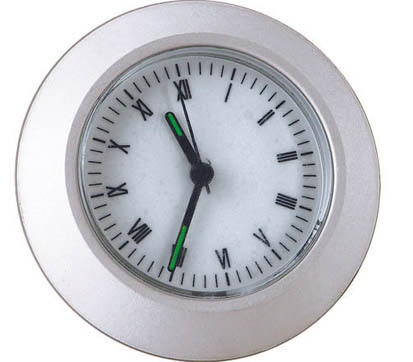
Wall Clocks
Source premium wall clocks from vetted suppliers and manufacturers across Asia. Designed for importers, wholesalers, and brands seeking reliable OEM/ODM production, our network delivers high-volume manufacturing with strict quality control. Secure competitive pricing for bulk orders of quartz, mechanical, and smart wall clocks.
Sourcing wall clocks at scale requires balancing aesthetic trends with mechanical reliability. While casing design drives consumer appeal, the core manufacturing challenge lies in pairing cost-effective materials with dependable movements that maintain long-term accuracy without excessive battery drain.
Movement Specifications and Tolerances
The quartz movement is the critical failure point in any wall clock. When specifying components for OEM/ODM Services, buyers must define the exact movement type and torque rating based on the clock's dimensions and hand weight. Failing to match the movement torque to the physical hands will result in lagging time or complete mechanism failure.
| Movement Type | Mechanism | Torque Requirement | Typical Application |
|---|---|---|---|
| Standard Step | 1 tick per second | Low to Medium | Budget clocks, under 12-inch dials |
| Standard Sweep | Continuous motion | Medium | Quiet environments, bedrooms |
| High-Torque | Step or Sweep | High (over 40g-cm) | Large decorative clocks, heavy metal hands |
Struggling with high defect rates on custom clock designs? Let us help you source reliable high-torque movements and validate factory assembly lines.
Talk to our teamMaterial Selection and Finish Quality
Wall clock casings dictate the perceived value of the product. Each material presents specific manufacturing hurdles that require strict oversight on the factory floor during the injection or stamping phases.
Critical Material Checks
- Injection-Molded Plastics (ABS/HIPS): Inspect for sink marks, flash, and warping around the battery compartment.
- Stamped Metals (Aluminum/Steel): Verify uniform plating thickness and the absence of sharp burrs on the inner rim.
- Wood and MDF: Ensure moisture content is strictly controlled (under 12 percent) to prevent casing distortion in transit.
- Glass Lenses: Specify float glass with a minimum thickness of 1.8mm to 2.0mm to withstand assembly pressure and transit shocks.
Quality Assurance and Assembly Tolerances
Because wall clocks combine fragile glass, delicate aluminum hands, and electronic components, robust Quality Control & Inspection is non-negotiable. Pointer alignment is a frequent issue; hands must be perfectly parallel to avoid catching on each other or scraping the dial. Furthermore, drop testing of the final retail packaging is essential to ensure the glass lens survives international freight.
Production Realities: MOQs and Pricing Drivers
Volume pricing is heavily influenced by the extent of customization. Standard open-mold casings with custom printed dials offer the lowest barrier to entry, while entirely new casing geometries require significant tooling investments and higher volume commitments.
Planning a new product line? We can help negotiate favorable MOQs and manage the tooling process with verified manufacturers.
Get a free consultationBefore committing to a new supplier for a large-scale rollout, conducting comprehensive Factory Audits is highly recommended to verify their assembly capacity, clean-room conditions for dial printing, and movement sourcing network.
Frequently Asked Questions
Successfully sourcing wall clocks means looking past the dial design to the mechanics that drive it. By specifying the right movement torque, enforcing strict assembly tolerances, and validating packaging integrity, you can eliminate the most common failure points. We are here to help you manage that process from factory selection to final shipment.
Get Sourcing Help for Wall Clocks
Tell us your requirements and our experts will connect you with verified manufacturers.