Wall Accents
Source high-quality wall accents from vetted manufacturers and wholesale suppliers across Asia. Built for importers, distributors, and interior decor brands, our network supports bulk purchasing, private-label production, and custom OEM/ODM manufacturing to meet your specific design requirements and volume needs.
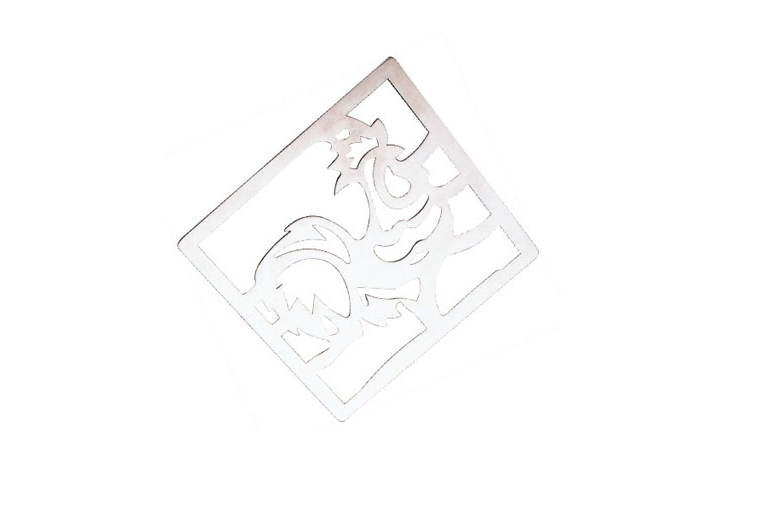
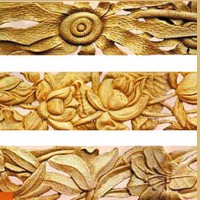
Sourcing wall accents at scale requires managing a highly fragmented and material-diverse supply chain. Because these decorative pieces frequently combine stamped metal, wirework, carved wood, cast resin, and mirrored glass, production rarely happens under a single roof. The primary challenge for volume buyers is maintaining strict finish consistency, structural integrity, and secure packaging across mixed-material runs while protecting wholesale margins.
Material Specifications and Finish Tolerances
The perceived value of a wall accent is won or lost in its finish. When negotiating specifications with a factory, standardizing the surface treatment and structural joints is critical. Stamped iron and aluminum are common for geometric and floral accents, but without precise surface preparation, finish adhesion will fail in humid markets.
For metal accents, rust prevention is a primary concern. Ensure your supplier includes proper acid-washing and phosphating steps before any coating is applied.
| Finish Type | Durability | Best For | Cost Impact |
|---|---|---|---|
| Powder Coating | High (scratch resistant) | Iron and aluminum wirework | Low to Medium |
| Electroplating | Medium (prone to oxidation if unsealed) | High-end brass or copper aesthetics | High |
| Hand-Painting | Varies by clear-coat quality | Resin and carved wood artisanal pieces | Medium to High |
When sourcing mixed-material pieces, pay close attention to the joinery. Glues used to bind resin to metal or wood to glass must be rated for temperature fluctuations during ocean transit.
Managing multi-material suppliers is complex. Let us help you standardize your finish requirements and vet capable factories.
Talk to our teamQuality Control Defect Zones
Decor items are heavily scrutinized by end consumers for aesthetic flaws. A robust Quality Control & Inspection protocol must go beyond visual checks and test the structural reliability of the piece.
Critical QC Checks for Wall Accents
- Cross-hatch adhesion testing (ASTM D3359) for painted and plated finishes
- Weld integrity checks: ensuring slag removal and smooth grinding on metal joints
- Moisture content verification for wooden components (strictly under 12 percent)
- Load-bearing tests on integrated hanging hardware (D-rings, keyholes, French cleats)
- ISTA 1A drop testing for packaging to prevent transit damage for fragile composites
Hanging hardware is a frequent failure point. Factories attempting to cut costs may use thin-gauge D-rings or shallow screws that pull out of MDF or resin under the item's own weight. Specify the exact gauge and screw depth for all mounting hardware on your tech pack.
Factory Audits
Verify a manufacturer's production capabilities, quality management systems, and ethical compliance before placing your volume order.
Customization and OEM/ODM Production
For brands developing proprietary lines, tooling costs and methods dictate the production strategy. Developing custom wall decor through OEM/ODM Services requires understanding the factory's in-house capabilities versus what they outsource.
Resin casting offers low tooling costs and is ideal for highly detailed, sculptural accents. Silicone molds for resin are inexpensive and fast to produce, though they degrade over time and require replacement during large runs. Conversely, stamped metal requires steel dies; the upfront tooling cost is higher, but the unit cost drops significantly at volume, and the tooling lasts for tens of thousands of units.
MOQs, Lead Times, and Pricing Realities
Order volumes and production timelines in the wall decor sector depend heavily on the dominant material and the level of hand-finishing required.
Pricing is driven primarily by raw material weight, finish complexity, and packaging volume. Wall accents are often bulky, meaning shipping air can destroy your landed margins. Work with your supplier to optimize packaging—such as nesting designs or utilizing slim-profile KD (knock-down) construction where aesthetically viable—to maximize container utilization.
Need to optimize your landed costs? We analyze your product designs to improve container utilization and negotiate better factory pricing.
Get a free consultationBuyer FAQ
Successfully sourcing wall accents requires balancing intricate aesthetic details with harsh logistical realities. By standardizing your finish specifications, rigorously testing structural joints, and optimizing packaging for freight efficiency, you can maintain high margins on bulk imports without sacrificing design integrity.
Get Sourcing Help for Wall Accents
Tell us your requirements and our experts will connect you with verified manufacturers.