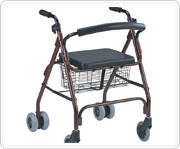
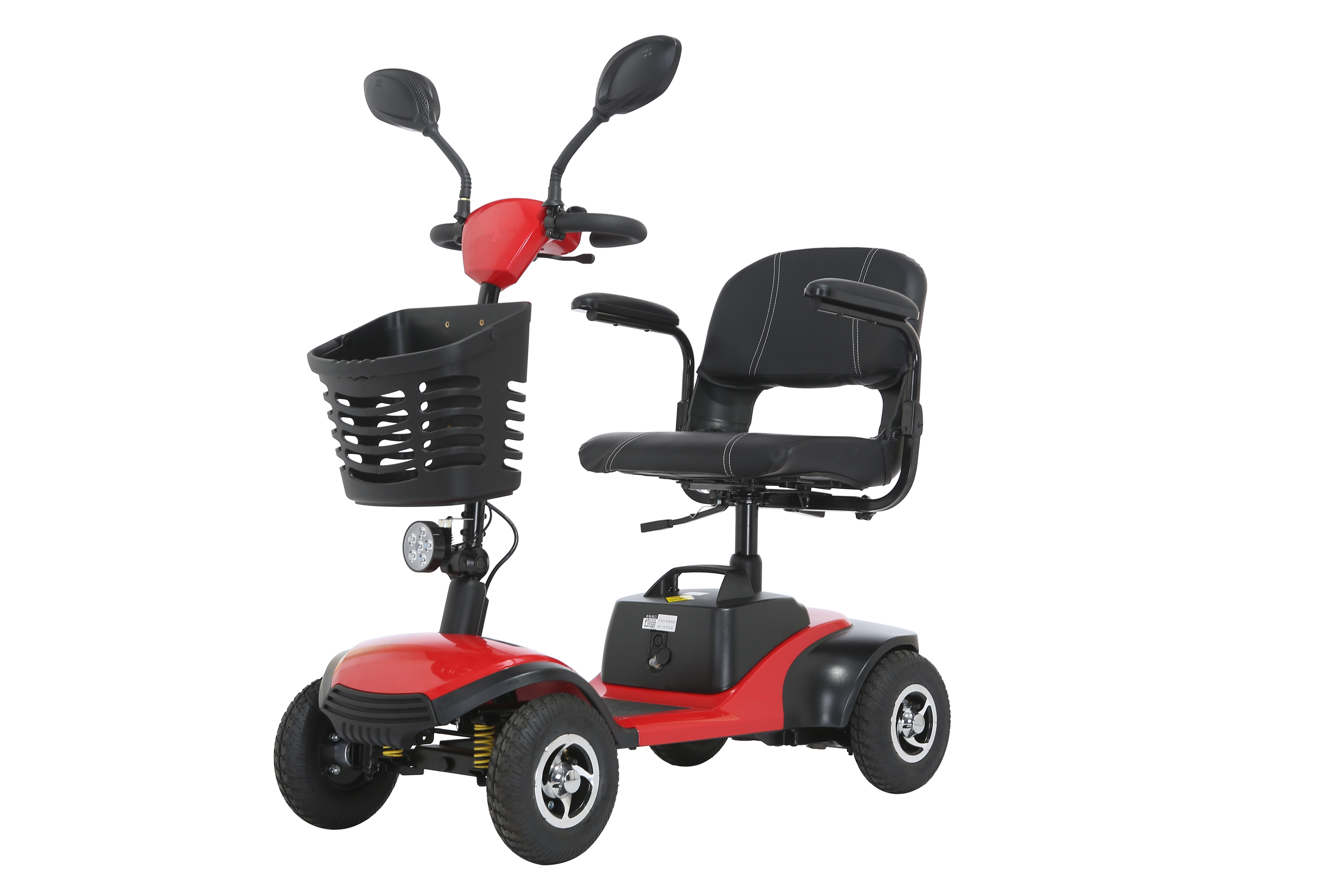
Walkers & Rollators
Source high-quality walkers & rollators from vetted suppliers and manufacturers in China and across Asia. Designed for medical equipment importers, healthcare distributors, and brands seeking reliable bulk purchasing or OEM/private-label production. Secure competitive wholesale pricing and certified manufacturing.
Sourcing mobility aids requires balancing structural integrity with lightweight usability, all while navigating strict medical device regulations. For bulk buyers and procurement managers, the true challenge lies in identifying facilities that maintain consistent welding quality, reliable brake assembly, and strict adherence to medical standards across high-volume production runs.
Critical Specifications and Material Selection
The foundation of any reliable walker or rollator is its frame material and construction. Standard models typically utilize aluminum alloys, but the specific grade and tube thickness dictate the product's maximum weight capacity and overall lifespan.
| Material | Primary Application | Typical Tube Thickness | Weight Capacity Range |
|---|---|---|---|
| Aluminum Alloy (6061/7005) | Standard & Lightweight Rollators | 1.2mm to 1.5mm | 250 to 300 lbs |
| High-Carbon Steel | Bariatric & Heavy-Duty Models | 1.5mm to 2.0mm | 400 to 500+ lbs |
| Carbon Fiber | Premium Ultra-Lightweight Models | Variable composite | 250 to 300 lbs |
When specifying requirements to a factory, clarify the exact aluminum grade. While 6061 is standard, 7005 offers higher tensile strength for demanding applications. Additionally, specify wheel materials based on the end-user environment: PVC wheels are cost-effective for indoor use, while TPR (Thermoplastic Rubber) or PU (Polyurethane) provide superior shock absorption for outdoor terrain.
Manufacturing Vulnerabilities and Quality Control
Quality is won or lost on the factory floor, particularly in the welding and assembly stages. TIG (Tungsten Inert Gas) welding is preferred for aluminum frames to ensure clean, strong joints without structural weakness. Poor weld penetration or excessive porosity can lead to catastrophic failure under load.
Implementing rigorous Quality Control & Inspection during the in-line manufacturing phase is critical to catch these defects before the frames move to surface treatment.
Critical Factory-Floor QC Checks
- Weld joint integrity: Inspect for uniform penetration and absence of micro-cracks.
- Brake cable routing: Ensure internal cables are shielded from friction points inside the tubing.
- Surface treatment: Verify anodizing thickness or powder-coating adhesion to prevent premature corrosion.
- Folding mechanism: Test for smooth operation and secure locking without excessive play.
- Wheel alignment: Confirm all four wheels sit perfectly flush on a level surface to prevent wobbling.
Ensure your mobility products meet strict safety and durability standards with expert on-site factory vetting and rigorous QC.
Talk to our teamRegulatory Compliance and Certifications
Walkers and rollators are classified as Class I medical devices in most major markets. Purchasing from a factory that lacks proper quality management systems exposes your supply chain to significant regulatory risk.
Ensure your manufacturing partner holds a valid ISO 13485 certification, which governs quality management for medical devices. For the US market, the facility must be registered with the FDA. For the European market, products must comply with the Medical Device Regulation (MDR) to bear the CE mark. Navigating these requirements can be complex, and leveraging expert Compliance & Testing services helps ensure smooth customs clearance and market entry.
Customization and OEM/ODM Sourcing
Differentiation in the mobility market often comes down to ergonomics and aesthetics. Many buyers utilize OEM/ODM Services to customize standard factory designs. Common modifications include custom ergonomic TPR handgrips, hidden brake cable designs for a sleeker look and reduced snagging, and proprietary folding mechanisms (e.g., cross-brace folding for compact storage).
When developing a custom rollator, clearly define the tooling ownership for any custom plastic injection molds (such as seat brackets or grip housings) in your manufacturing agreement.
Pricing, MOQs, and Lead Times
Pricing for rollators is heavily influenced by global aluminum costs, wheel specifications, and the complexity of the brake system.
For customized OEM projects requiring new molds, expect lead times to extend by 20 to 30 days for the initial tooling and sample approval phase.
Navigate fluctuating raw material costs and secure favorable MOQs for your next bulk rollator order.
Get a free consultationSuccessfully sourcing walkers and rollators at scale requires moving beyond unit price to evaluate a factory's structural engineering capabilities and quality management systems. Partnering with experienced professionals ensures your mobility products deliver the safety and reliability your end-users depend on.
Get Sourcing Help for Walkers & Rollators
Tell us your requirements and our experts will connect you with verified manufacturers.