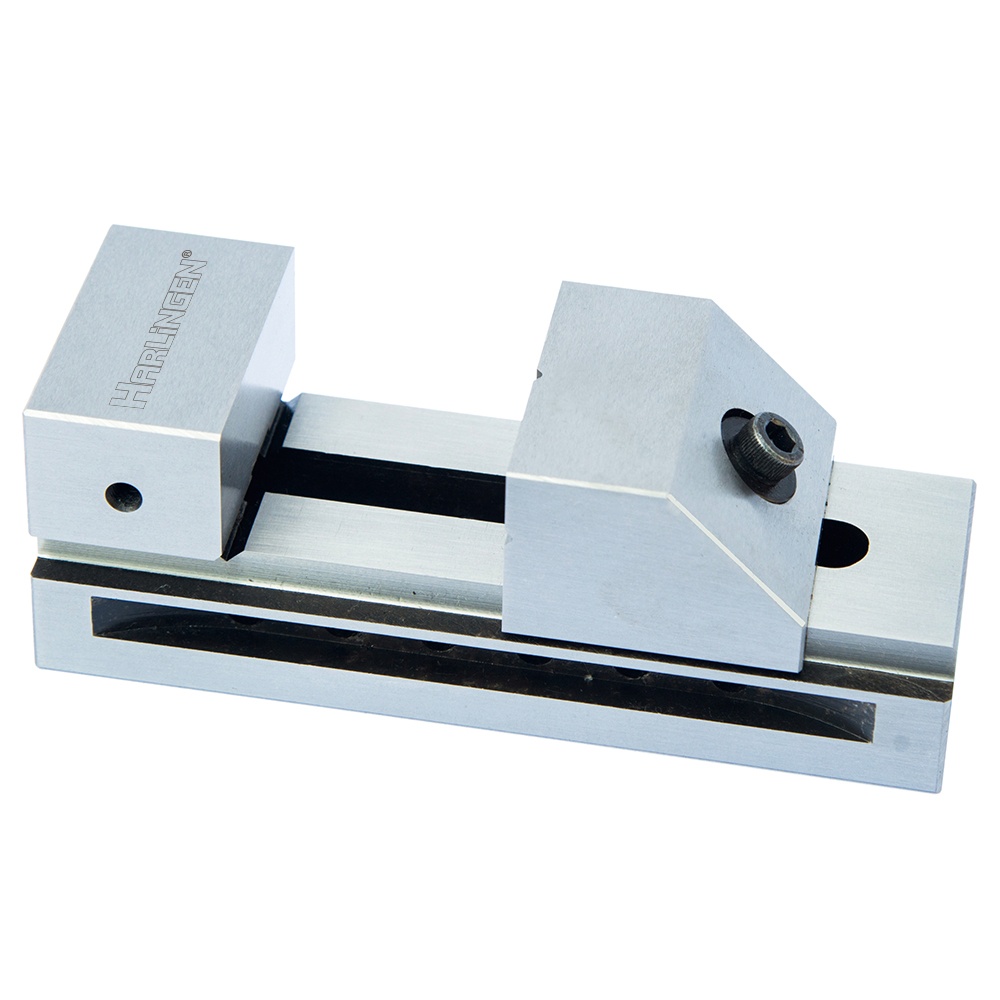
Vise
Source high-precision machine tool vises in bulk directly from vetted manufacturers and suppliers. This catalog is built for industrial distributors, importers, and tooling brands looking for reliable wholesale pricing or custom OEM production. Find partners capable of delivering consistent clamping force and durability at scale.
Sourcing machine tool vises at volume requires balancing raw material integrity with extremely tight machining tolerances. For industrial buyers, the challenge isn't just finding a factory that can cast iron or mill steel; it is identifying a manufacturer capable of maintaining strict parallelism and perpendicularity under maximum clamping load, batch after batch.
Material and Machining Realities
The foundation of a reliable machine tool vise is its base material and the thermal treatment it undergoes. Most standard wholesale vises utilize high-strength cast iron (such as HT250 or ductile iron) to absorb vibration during heavy milling operations, while the jaws and lead screws are machined from hardened tool steel.
The Hidden Risk: Stress Relief
If a factory rushes production and skips stress relief annealing after casting, the vise bed holds internal tension. Over time, or after the first few heavy cuts, the casting will warp, completely destroying the tool's accuracy. Always verify the factory's thermal treatment processes.
Need to verify a factory's casting and machining capabilities? We can help audit suppliers before you commit to a large order.
Talk to our teamEstablishing Quality Control Checkpoints
Visual inspections are insufficient for machine tool accessories. When setting up Quality Control & Inspection protocols with your manufacturer, you must verify dynamic performance and dimensional accuracy.
Critical Inspection Points for Vises
- Base-to-jaw squareness under zero load and maximum clamping load.
- Jaw plate hardness testing (Rockwell C scale) to ensure proper heat treatment.
- Lead screw thread precision, smoothness of travel, and backlash measurement.
- Surface grinding finish (Ra values) on the bed and sliding surfaces.
- Verification of anti-lift mechanism engagement during workpiece clamping.
Customization and OEM Production
Many tooling brands require OEM/ODM Services to differentiate their product lines in a crowded market. Customization usually goes beyond simple color changes. It involves engineering custom modular jaw designs, integrating specific hydraulic or pneumatic clamping mechanisms, or having proprietary branding cast directly into the vise body rather than applied as a surface plate.
MOQs, Lead Times, and Pricing Dynamics
Pricing for bulk machine tool vises is heavily dependent on the casting weight, material grade, and the time spent in the final precision grinding phase. Foundries and machining centers typically structure their Minimum Order Quantities (MOQs) based on the setup time required for the CNC grinding and milling centers.
| Vise Category | Typical MOQ | Material Focus | Tolerance Level |
|---|---|---|---|
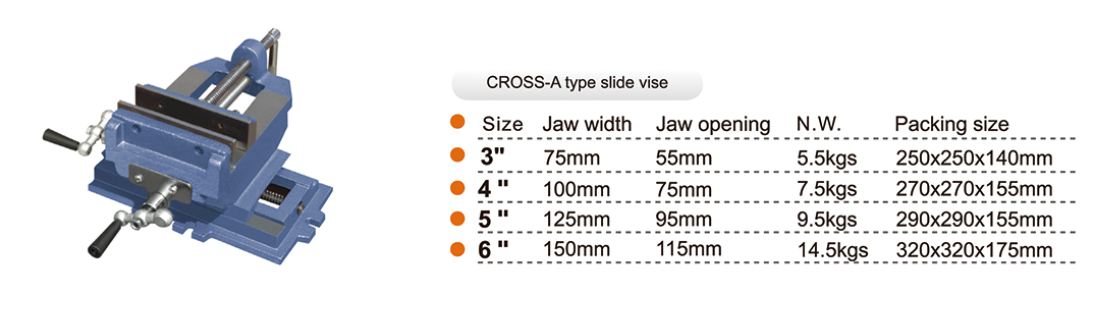
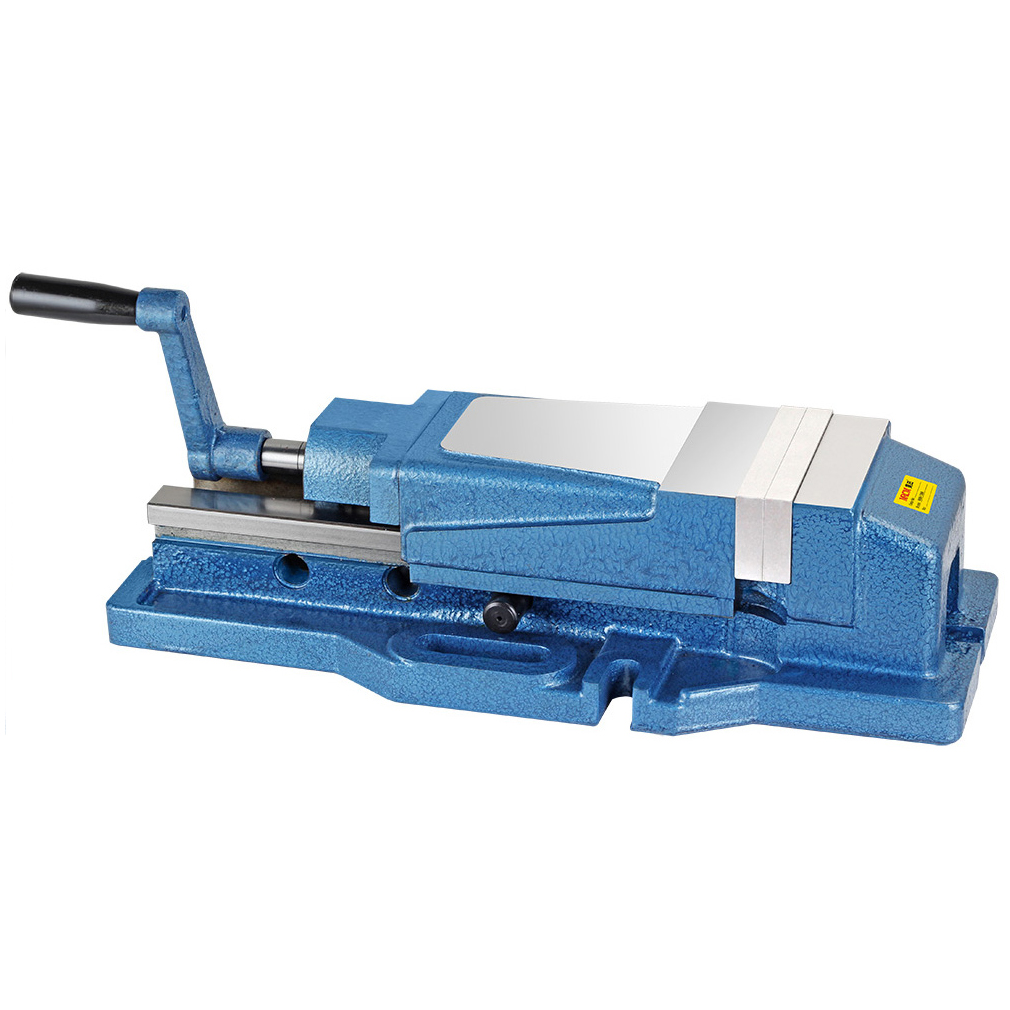
| Standard Drill Press | 100 - 300 units | Grey Cast Iron | Standard |
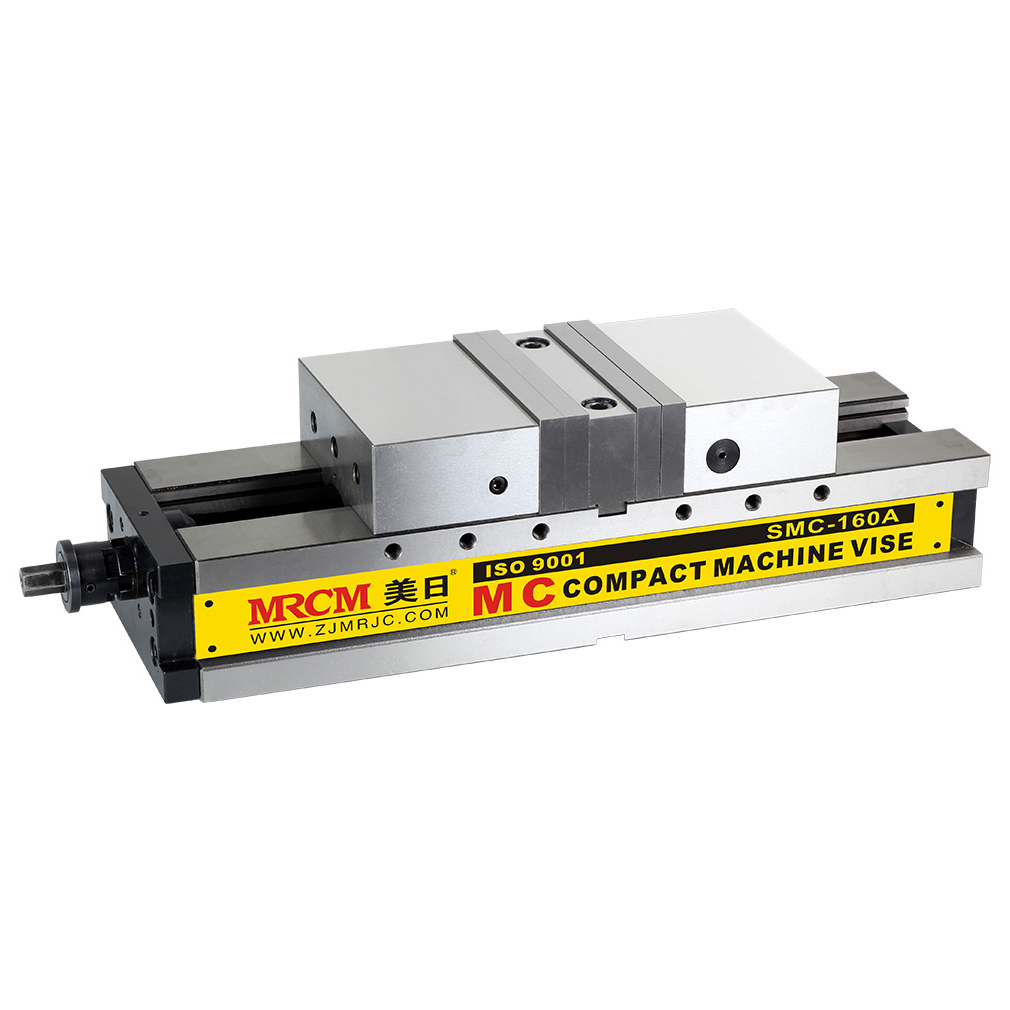
| Precision Milling | 50 - 100 units | Ductile Iron | High (within 0.02mm) |
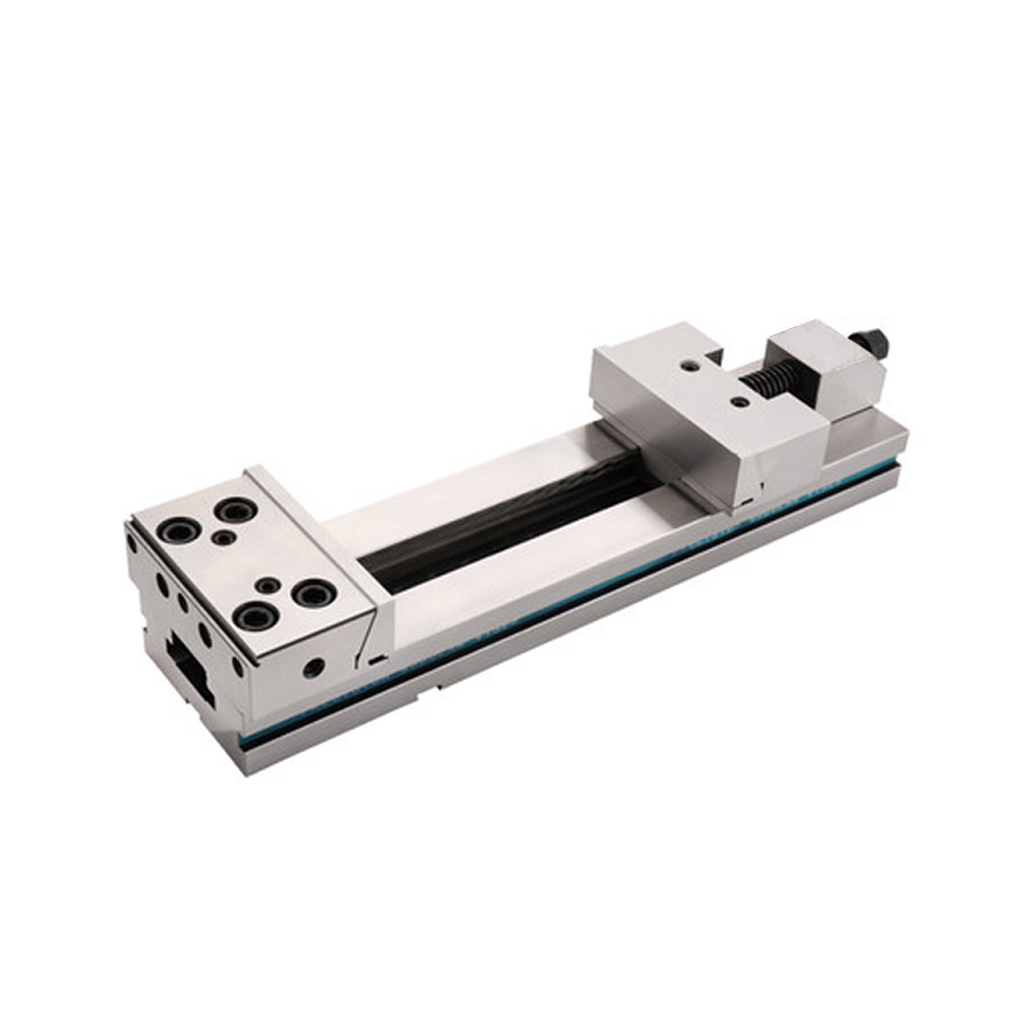
| CNC Modular | 20 - 50 units | Hardened Tool Steel | Ultra-High (within 0.01mm) |
Lead times generally range from 45 to 60 days. This accounts for the necessary casting, curing, stress relief, machining, and final assembly. Rushing this timeline often results in skipped thermal treatments.
Struggling to negotiate favorable terms for high-precision tooling? Let our sourcing experts manage the dialogue and secure reliable production.
Get a free consultationFrequently Asked Questions
Securing a reliable supply chain for machine tool accessories means looking past the surface finish and understanding the metallurgy and machining processes beneath. Working with vetted manufacturing partners ensures your tooling performs consistently under the most demanding industrial conditions.
Get Sourcing Help for Vise
Tell us your requirements and our experts will connect you with verified manufacturers.