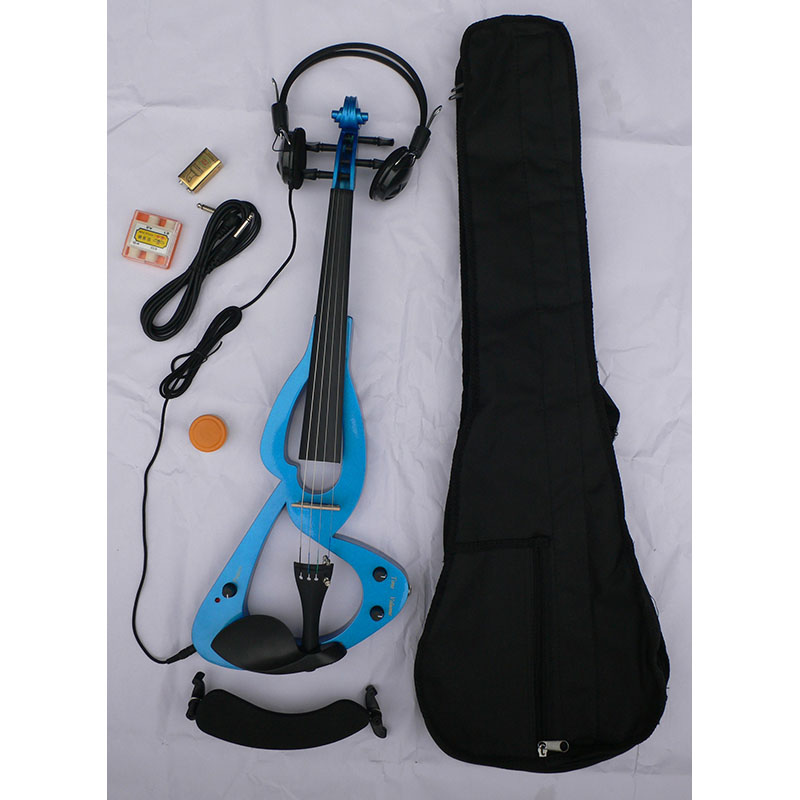
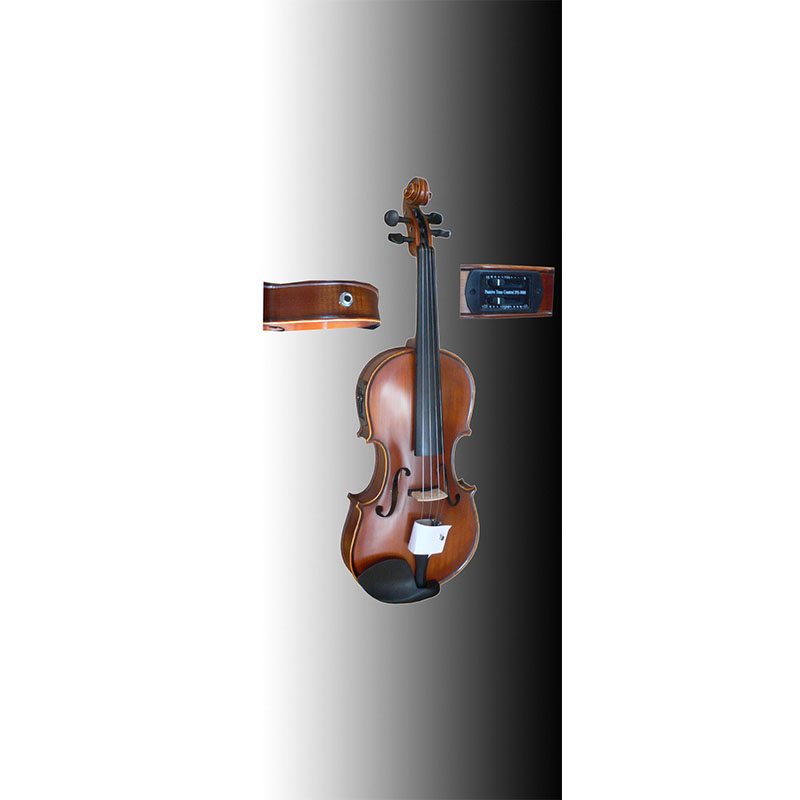
Violin
Source high-quality violins from vetted suppliers and manufacturers in China. Designed for musical instrument distributors, wholesalers, and brands seeking reliable OEM and private-label production, our network delivers consistent craftsmanship and scalable volume for student to professional-grade instruments.
Sourcing violins at scale requires balancing the organic unpredictability of tonewoods with the rigid demands of volume manufacturing. Whether you are stocking rental fleets with durable student models or developing a private-label line of step-up instruments, the core challenge is consistency. A factory's sample might sing, but maintaining that acoustic performance and build quality across a 500-unit container depends entirely on their wood-curing protocols, carving precision, and varnishing techniques.
Tonewoods and Material Specifications
The acoustic foundation of any violin is its wood. When negotiating with manufacturers, vague terms like "solid wood" are insufficient. You must specify the exact species, grade, and drying method. High-volume student instruments often utilize accelerated kiln-drying, while intermediate and professional models require naturally aged tonewoods to ensure structural stability and resonance.
| Instrument Grade | Top Plate (Soundboard) | Back, Sides & Neck | Fingerboard & Fittings |
|---|---|---|---|
| Student / Rental | Pressed solid spruce or laminated | Plain maple or laminated | Dyed hardwood (ebony substitute) |
| Intermediate (Step-up) | Carved solid spruce (kiln-dried) | Flamed maple (light figure) | Standard ebony or rosewood |
| Advanced / Professional | Hand-carved select spruce (naturally aged 5+ years) | Highly flamed maple (naturally aged) | Premium dense ebony, boxwood, or pernambuco |
CITES Compliance
If your specifications include rosewood (Dalbergia species) or genuine pernambuco for accompanying bows, ensure your supplier can provide the necessary CITES export permits. Delays in documentation will halt your shipment at customs.
Manufacturing Tolerances and Quality Control
Violin making at a commercial scale is divided into mechanized rough-carving and hand-finished detailing. Quality is won or lost in the final assembly and setup. Misaligned soundposts, poorly fitted bass bars, or incorrectly angled neck grafts will ruin an instrument's playability and tone, leading to high return rates from retailers.
Implementing rigorous Quality Control & Inspection is critical before instruments are packed. Your inspection criteria should cover both structural integrity and cosmetic finish.
Pre-Shipment Inspection Points for Violins
- Neck projection and fingerboard scoop: Must fall within standard luthier tolerances to prevent string buzzing.
- Peg fit: Pegs must turn smoothly but hold tension securely without slipping; check pegbox walls for hairline cracks.
- Bridge alignment: Feet must be perfectly contoured to the belly of the instrument.
- Varnish application: Check for pooling in the C-bouts, purfling channels, and under the fingerboard.
- Purfling: Ensure it is genuinely inlaid, not painted on (unless specified for entry-level SKUs).
Struggling with inconsistent factory setups or high defect rates? Let Merhein manage your supplier vetting and on-site quality control.
Talk to our teamOEM Customization and Private Labeling
For brands looking to establish their own line of stringed instruments, OEM/ODM Services offer extensive customization. Beyond the instrument itself, the complete package dictates the retail value.
When developing a private label, you will need to specify:
- Interior Labels: Custom printed labels visible through the f-hole.
- Varnish Styles: High-gloss polyurethane (durable for rentals), spirit varnish (traditional), or antiqued/distressed finishes.
- Outfits: Most wholesale violins are sold as "outfits" including a case, bow, and rosin. Specify the bow material (Brazilwood, carbon fiber) and case construction (foam dart, shaped fiberglass, or oblong plywood).
Production Realities: MOQs, Pricing, and Lead Times
Violin manufacturing is highly seasonal, often peaking ahead of the back-to-school rental season in late summer. Planning your procurement cycle around these peaks is essential to secure favorable pricing and reliable delivery.
Because violins are sensitive to extreme temperature and humidity fluctuations, proper container loading and routing are paramount. Utilizing expert Shipping & Freight coordination ensures your instruments are not subjected to prolonged exposure in transit, which can cause seams to open or soundboards to crack.
Need reliable factory partners capable of scaling your private-label stringed instruments? We negotiate the pricing, manage production, and handle the logistics.
Get a free consultationFrequently Asked Questions
Securing a reliable supply chain for violins means looking past the showroom samples and understanding the factory's underlying wood management and quality assurance protocols. By defining strict material specifications and enforcing rigorous pre-shipment inspections, you can build a profitable and consistent instrument catalog.
Get Sourcing Help for Violin
Tell us your requirements and our experts will connect you with verified manufacturers.