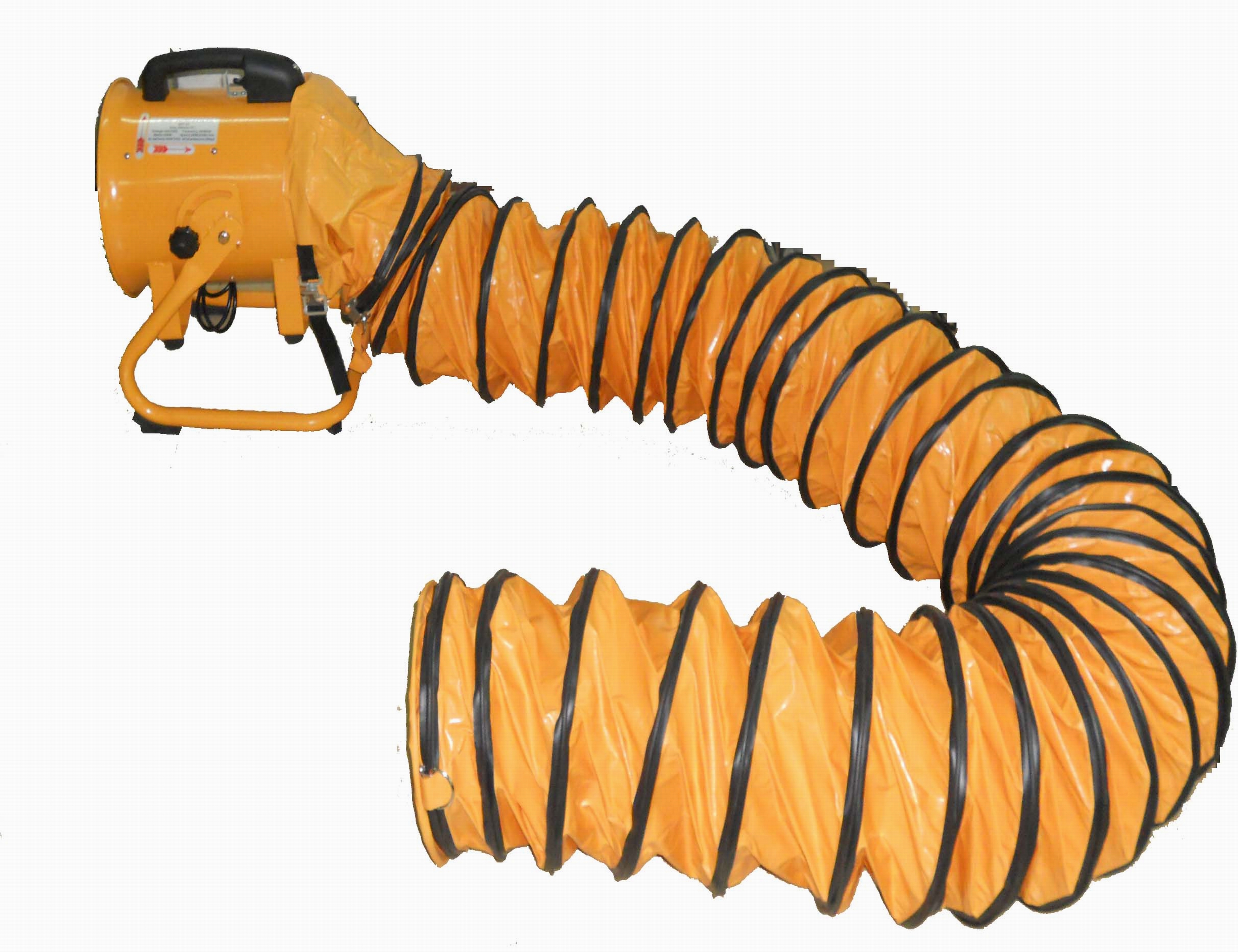
Ventilation Fan Parts
Source high-quality ventilation fan parts from vetted suppliers and manufacturers in China and across Asia. Designed for importers, HVAC distributors, and brands seeking reliable wholesale components or custom OEM/ODM production to scale their supply chain efficiently.
Sourcing ventilation fan parts in volume requires strict adherence to dimensional tolerances, material specifications, and aerodynamic performance standards. Whether you are procuring impellers, housings, motor mounts, or safety guards, securing a reliable manufacturing partner is critical. Inconsistent component quality directly impacts the efficiency, noise levels, and operational lifespan of the assembled ventilation units.
To build a resilient supply chain, buyers must look beyond unit costs and evaluate a factory's tooling capabilities, raw material sourcing, and internal quality management systems.
Critical Specifications for Fan Components
When negotiating with manufacturers, vague specifications lead to substitute materials and poor performance. Professional buyers must define exact requirements for every component type.
- Impellers and Blades: Material selection dictates performance. For plastic blades, specify the exact polymer blend (e.g., glass-reinforced polyamide or PP) to prevent warping under continuous load. For metal impellers, define the aluminum alloy grade or galvanized steel thickness. Crucially, specify the required balance grade (typically ISO 1940-1 G6.3 for standard applications, or G2.5 for high-speed operation).
- Housings and Frames: For sheet metal components, define the material gauge and the anti-corrosion treatment. Specify the powder coating thickness in microns and the required hours of salt-spray resistance.
- Shafts and Motor Mounts: Specify the steel grade, required hardness, and machining tolerances for concentricity. A shaft bore that is marginally off-center will induce vibration that destroys bearings prematurely.
The Risk of Tooling Wear
For stamped metal parts and injection-molded plastics, tooling degrades over time. Ask suppliers about their mold maintenance schedules. Worn tooling leads to flash on plastic blades or burrs on metal housings, which alters the aerodynamic profile and requires costly post-processing.
Manufacturing Processes and Quality Control
The factory floor is where component quality is won or lost. Assessing a supplier's production floor reveals their true capability. Do they outsource their dynamic balancing? Do they have in-house CNC machining for precise shaft bores?
Before committing to a large order, conducting factory audits is the most effective way to verify that a supplier actually owns the balancing machines and stamping presses they claim to have.
Essential QC Checks for Fan Parts
- Dynamic balancing verification on all rotating components prior to shipment.
- Dimensional inspection of shaft bores, keyways, and mounting hole patterns.
- Coating thickness and adhesion testing for painted or galvanized housings.
- Visual inspection for sink marks, warping, or flash on injection-molded impellers.
Even with a audited supplier, implementing rigorous quality control protocols during production and prior to shipment is necessary to catch dimensional drift or balancing failures before the parts leave the factory.
Need to verify a supplier's dynamic balancing capabilities or tooling setup? Let's discuss how to audit your fan part manufacturers.
Talk to our teamCustomization and OEM/ODM Production
Many buyers require custom components to match proprietary motor designs or to achieve specific airflow (CFM) and static pressure targets. Developing custom fan parts involves significant upfront engineering and tooling.
If you are modifying blade pitches, redesigning housings for better acoustics, or requiring private-label branding on guards and frames, utilizing OEM/ODM services ensures that your CAD designs are accurately translated into production-ready molds. Ensure that ownership of custom molds is explicitly stated in your manufacturing contract.
Pricing, MOQs, and Lead Times
Understanding the cost drivers and typical order minimums helps in planning your procurement cycles.
Cost Drivers:
- Raw Materials: Fluctuations in global aluminum, steel, and polymer resin prices directly impact unit costs.
- Tooling: Custom injection molds for complex impellers can range from several thousand to tens of thousands of dollars, depending on the number of cavities and mold steel quality.
- Secondary Operations: Requirements for high-precision dynamic balancing or specialized anti-corrosion coatings will increase the per-unit price but drastically reduce failure rates in the field.
Struggling to negotiate MOQs for custom fan components or manage tooling costs? We can help structure your sourcing agreements.
Get a free consultationBuyer FAQ
Sourcing ventilation fan parts successfully requires balancing unit costs with strict dimensional and aerodynamic tolerances. By defining rigorous specifications, validating factory capabilities, and maintaining strict quality oversight, buyers can secure reliable components that elevate the performance of their final products.
Get Sourcing Help for Ventilation Fan Parts
Tell us your requirements and our experts will connect you with verified manufacturers.